Persistent tendon pain can make even simple daily activities difficult. Many people suffering from chronic discomfort in the shoulders, elbows, knees, or ankles often struggle to find effective long-term relief. Traditional treatments such as rest, medications, and physical therapy may help temporarily, but some cases continue to cause pain and limited movement for months or even years.
PRP for tendinitis has become a highly recommended option for individuals looking for a non-surgical approach to healing damaged tendons. This regenerative treatment uses the body’s natural healing abilities to support tissue repair and reduce inflammation. Patients seeking dependable orthopedic care often turn to Tec Orthopedics for advanced PRP treatments and professional guidance for long-lasting recovery.
What Is Tendinitis?
Understanding Tendon Inflammation and Degeneration
Tendinitis refers to irritation or damage affecting the tendons, which are the tissues connecting muscles to bones. Repeated strain or injury may cause these tendons to become inflamed or weakened over time. While some cases develop suddenly, others gradually worsen and become chronic.
PRP for tendinitis is commonly recommended for long-term tendon conditions that fail to improve with conservative treatments alone. Chronic tendinitis often affects areas such as the shoulder, elbow, knee, Achilles tendon, and wrist.
Common Causes of Tendinitis
Several factors may contribute to the development of tendon injuries. Repetitive movements are among the leading causes, especially for athletes and individuals with physically demanding jobs. Sports activities involving constant jumping, lifting, or throwing can place repeated stress on tendons.
Poor posture, aging, improper exercise techniques, and occupational strain can also increase the risk of chronic tendon pain. Over time, these stresses may weaken tendon fibers and limit the body’s ability to heal naturally.
Symptoms of Chronic Tendinitis
Symptoms can vary depending on the affected area, but many patients experience persistent pain and tenderness around the joint. Swelling, stiffness, and reduced mobility are also common signs. Some individuals notice weakness during movement or discomfort during physical activity.
PRP for tendinitis is often considered when symptoms continue for several months despite rest and other therapies.
What Is PRP Therapy?
Understanding Platelet-Rich Plasma Treatment
PRP stands for Platelet-Rich Plasma, a treatment created using a patient’s own blood. During the procedure, a small blood sample is collected and processed in a centrifuge to separate the platelet-rich portion from other blood components.
Platelets contain growth factors that help support healing and tissue repair. PRP for tendinitis works by delivering these concentrated healing components directly into the injured tendon area.
How PRP Therapy Works
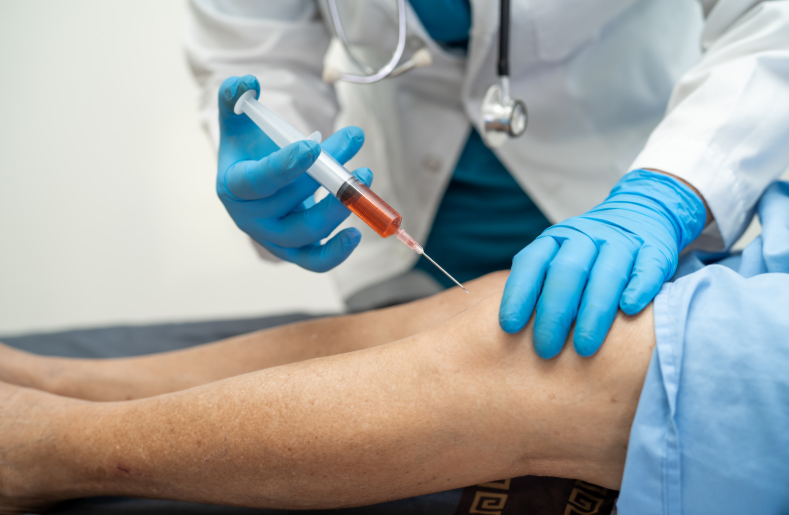
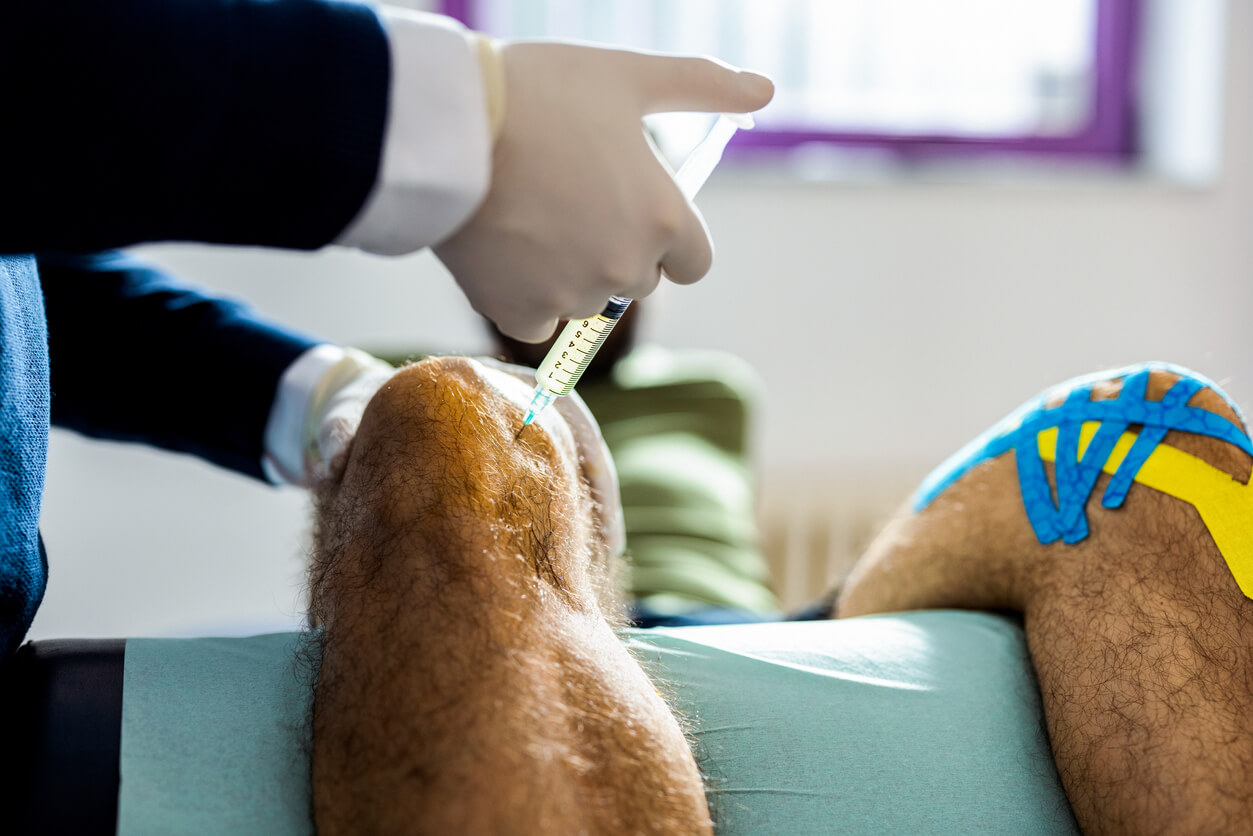
Once the platelet-rich plasma is prepared, it is injected into the affected tendon using precise techniques. The goal is to stimulate the body’s healing response and encourage regeneration within damaged tissues.
Many patients choose PRP for tendinitis because it targets the source of pain rather than simply masking symptoms. The treatment may also help reduce inflammation while supporting stronger tendon recovery over time.
Benefits of PRP for Tendinitis
Non-Surgical Pain Relief Option
One of the biggest advantages of PRP for tendinitis is that it offers a non-surgical solution for chronic pain. Patients who wish to avoid invasive procedures often consider PRP therapy before surgery.
Recovery time is generally shorter compared to surgical intervention, and most patients can return to light activities relatively quickly.
Encourages Natural Healing
PRP for tendinitis uses the body’s own healing properties to support tissue repair. Since the treatment comes from the patient’s blood, the risk of rejection or major complications is minimized.
The therapy focuses on restoring damaged tendon fibers and improving long-term function rather than offering only temporary pain relief.
Reduces Dependence on Medication
Long-term use of pain medications may lead to unwanted side effects or limited effectiveness over time. PRP for tendinitis provides an alternative option that aims to address the underlying tendon problem naturally.
Many individuals appreciate having a treatment option that reduces the need for repeated medication use.
Suitable for Active Individuals
Athletes and active adults often seek PRP for tendinitis because it may help them recover faster and regain mobility. Returning to sports, exercise, or physically demanding work becomes easier when tendon pain is properly managed.
Conditions Commonly Treated with PRP for Tendinitis
Tennis Elbow
Tennis elbow develops from repetitive arm and wrist movements that strain the tendons around the elbow. PRP for tendinitis may help stimulate healing in these damaged tissues and reduce chronic discomfort.
Golfer’s Elbow
Golfer’s elbow causes pain along the inner part of the elbow due to tendon overuse. Regenerative therapy such as PRP for tendinitis is often considered when conservative treatments fail.
Patellar Tendinitis
Patellar tendinitis affects the tendon connecting the kneecap to the shinbone. Runners, basketball players, and athletes frequently experience this condition. PRP therapy may support tendon recovery and improved knee function.
Achilles Tendinitis
Achilles tendon injuries can cause severe pain and difficulty walking or exercising. PRP for tendinitis is commonly explored for chronic Achilles tendon problems that do not improve with rest and rehabilitation.
Rotator Cuff Tendinitis
Shoulder tendinitis involving the rotator cuff can limit arm movement and daily activities. PRP therapy may help reduce pain while improving shoulder strength and mobility.
What to Expect During PRP Treatment
Initial Consultation and Assessment
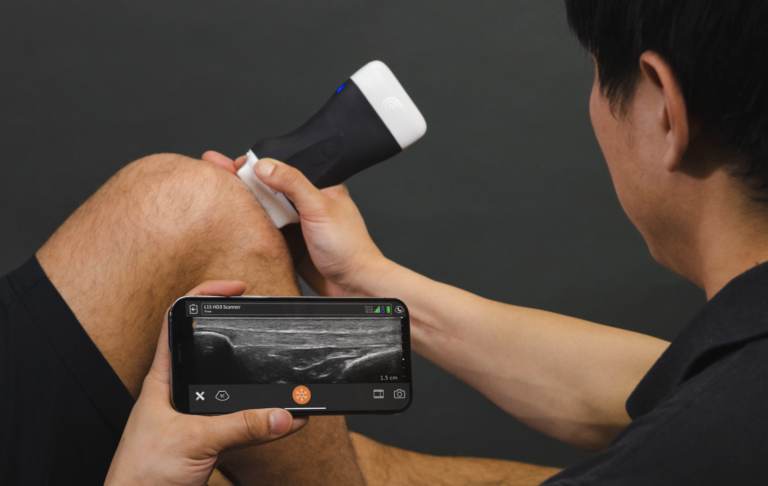
Patients usually begin with a detailed evaluation to determine whether PRP for tendinitis is appropriate for their condition. Physical examinations and imaging tests may be used to assess tendon damage.
Specialists at Tec Orthopedics provide personalized assessments to create treatment plans based on each patient’s needs and activity level.
The PRP Procedure
The procedure starts with a blood draw. The blood is processed to separate the platelet-rich plasma before being injected into the injured tendon area. Many clinics use imaging guidance for accurate placement.
PRP for tendinitis is typically completed within a short outpatient visit.
Recovery and Aftercare
Patients may experience mild soreness after treatment, which is a normal part of the healing response. Doctors may recommend limiting strenuous activities for a short period while the tendon begins repairing itself.
Gradual rehabilitation exercises are often introduced to support recovery and improve strength.
Who Is a Good Candidate for PRP for Tendinitis?
Individuals experiencing chronic tendon pain that has not improved with rest, medications, or therapy may benefit from PRP for tendinitis. Patients seeking non-surgical options often find regenerative therapy appealing.
Athletes, active adults, and workers performing repetitive physical tasks may also be good candidates for treatment. A professional orthopedic evaluation remains important to determine suitability.
Why Choose Tec Orthopedics for PRP for Tendinitis
Choosing the right orthopedic provider can greatly influence treatment success. Tec Orthopedics is recognized for delivering advanced orthopedic care and personalized treatment programs for tendon injuries.
The clinic focuses on accurate diagnosis, patient-centered care, and modern regenerative therapies. Patients seeking PRP for tendinitis can expect professional guidance, advanced treatment techniques, and long-term rehabilitation support designed to restore mobility and reduce pain.
Tips for Preventing Tendinitis Recurrence
Proper stretching and warm-up exercises before physical activity can help reduce tendon strain. Strengthening surrounding muscles also improves joint stability and lowers injury risk.
Maintaining proper posture and exercise techniques is important for protecting tendons from repeated stress. Allowing time for rest and recovery after intense activity may also help prevent recurring tendon injuries.
Patients who undergo PRP for tendinitis are often encouraged to follow rehabilitation plans carefully to support long-term healing.
Takeaway
Chronic tendon pain can interfere with work, exercise, and overall quality of life. PRP for tendinitis offers a promising non-surgical option for patients seeking long-term relief and natural healing support. By encouraging tissue repair and reducing inflammation, this regenerative treatment continues to gain attention among individuals dealing with persistent tendon injuries.
Frequently Asked Questions (FAQ)
How long does PRP for tendinitis take to work?
Many patients notice gradual improvement within several weeks, although full healing may take a few months depending on the severity of the tendon injury.
Is PRP therapy painful?
Most patients experience only mild discomfort during the injection process. Temporary soreness after treatment is common but usually manageable.
How many PRP sessions are needed?
The number of sessions varies depending on the condition and severity of tendon damage. Some patients improve after one treatment, while others may require additional sessions.
Is PRP therapy safe?
PRP for tendinitis is generally considered safe because it uses the patient’s own blood components, reducing the risk of allergic reactions.
Can PRP therapy replace surgery?
Some individuals experience significant improvement with PRP therapy and may avoid surgery. However, severe tendon injuries may still require surgical treatment in certain cases.
What should I avoid after PRP treatment?
Patients are often advised to avoid intense physical activity for a short period after the procedure to allow proper healing.
Is PRP for tendinitis suitable for athletes?
Yes. Many athletes consider PRP for tendinitis because it may support recovery, reduce pain, and help restore performance levels.