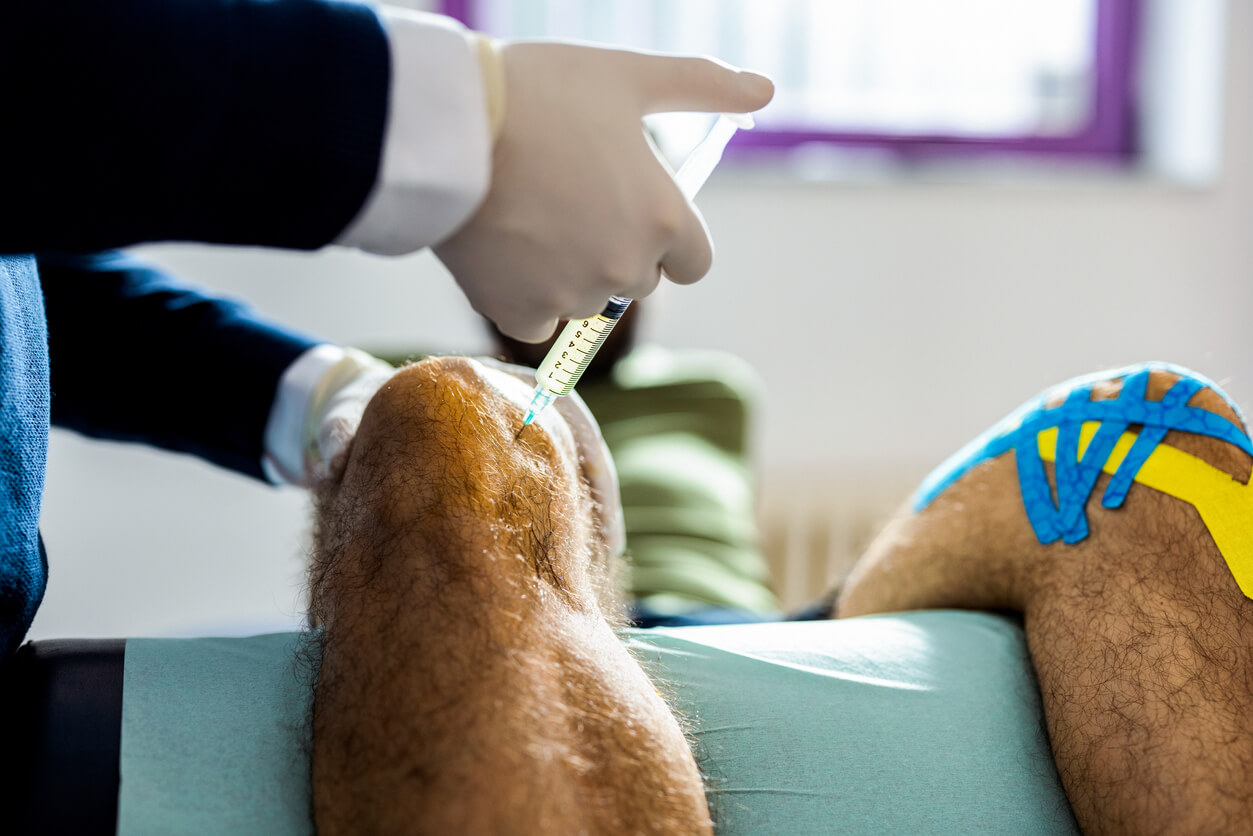
Understanding PRP for Sports Injuries
PRP for sports injuries refers to a regenerative treatment that uses a patient’s own blood to promote healing in damaged muscles, tendons, and ligaments. Platelet-rich plasma contains a high concentration of platelets, which are responsible for releasing growth factors that support tissue repair. These growth factors play a significant role in stimulating cell regeneration and reducing inflammation in injured areas. In sports medicine, this approach has gained attention because it works with the body’s natural healing mechanisms rather than relying solely on external medications. The treatment is commonly used for both acute injuries and long-term degenerative conditions that affect athletes and active individuals. Many practitioners value it because it supports biological repair rather than masking symptoms.
The process begins by drawing a small amount of blood from the patient, which is then placed in a centrifuge to separate plasma from other blood components. The resulting concentrated plasma is injected into the injured area to enhance healing at a cellular level. This method has become popular because it is minimally invasive and avoids complications associated with surgery. Many athletes prefer PRP for sports injuries because it can potentially shorten recovery time and improve overall tissue strength. The therapy continues to be studied extensively to understand its full potential in orthopedic and sports rehabilitation settings. Its use continues to expand as more clinical experience becomes available.
Common Sports Injuries Treated with PRP
PRP for sports injuries is often recommended for conditions involving soft tissue damage or chronic inflammation. Athletes frequently experience injuries that affect performance and mobility, especially in high-impact or repetitive-motion sports. Tendons and ligaments are particularly vulnerable due to limited blood supply, which slows natural healing. PRP therapy helps address these limitations by delivering concentrated growth factors directly to the injury site. It is widely used in both professional and recreational sports medicine because of its regenerative properties. Many rehabilitation specialists include it as part of a broader recovery plan.
Common conditions treated include ligament sprains, muscle tears, and tendon inflammation. It is also used for degenerative joint conditions that develop from long-term physical stress. Many patients seek this treatment when conventional therapies do not provide sufficient relief or lasting improvement. It is especially useful for overuse injuries that develop gradually over time. The therapy is often considered when athletes want to avoid surgical procedures. It is also applied in early-stage joint degeneration cases. Its versatility makes it a widely discussed option in sports injury care.
Some of the most frequently treated injuries include:
- Achilles tendonitis and tendon tears
- Tennis elbow and golfer’s elbow
- Patellar tendon injuries
- Rotator cuff damage
- Ankle ligament sprains
- Hamstring and quadriceps strains
- Early-stage osteoarthritis in joints
Each of these injuries can benefit from enhanced biological healing support. PRP for sports injuries is often integrated into rehabilitation programs to improve long-term recovery outcomes and restore function more effectively.
How PRP for Sports Injuries Works in the Body
PRP for sports injuries works by using concentrated platelets to trigger the body’s natural repair systems. Platelets contain proteins and growth factors that signal damaged tissues to begin regeneration. When injected into an injured area, these biological components stimulate cell growth and collagen production. This process helps rebuild damaged tendons, ligaments, and muscle fibers more effectively than natural healing alone. The body responds by increasing tissue repair activity in the targeted region.
The therapy also reduces inflammatory responses that contribute to pain and stiffness. By improving blood flow and cellular activity, PRP creates an environment that supports faster tissue repair. Over time, the treated area becomes stronger and more functional. This mechanism is particularly valuable for athletes who need durable recovery rather than temporary symptom relief. The effectiveness of PRP for sports injuries depends on injury severity and individual biological response. It also depends on proper injection technique and platelet concentration. These factors influence overall treatment outcomes significantly.
Step-by-Step PRP Treatment Procedure
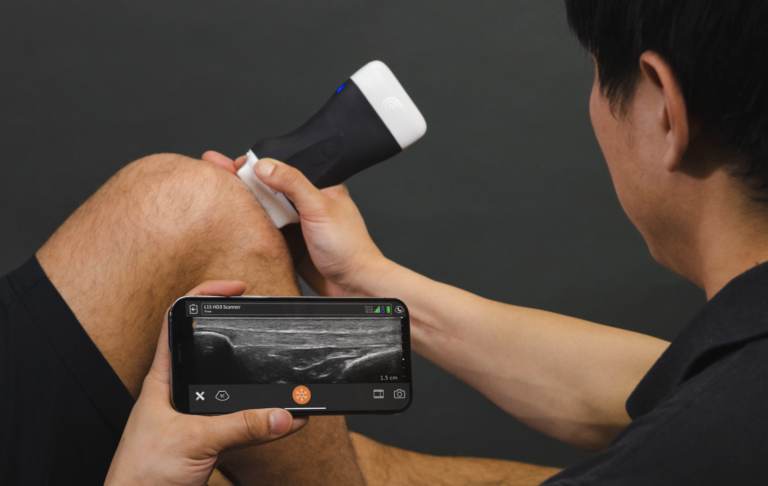
The process of PRP for sports injuries follows a structured clinical approach designed to ensure safety and precision. The first step involves a detailed medical evaluation to determine whether the patient is a suitable candidate. Imaging techniques such as ultrasound or MRI may be used to identify the exact location and severity of the injury. Once eligibility is confirmed, the treatment process begins with careful preparation.
A small blood sample is drawn from the patient, usually from the arm. This sample is placed into a centrifuge machine, which spins at high speed to separate platelets from other blood components. The concentrated platelet-rich plasma is then prepared for injection. The preparation process must be done carefully to preserve platelet integrity and concentration. This ensures maximum therapeutic benefit once injected.
The injection process is often guided by imaging technology to ensure accuracy. This allows the practitioner to deliver PRP directly into the damaged tissue. The entire procedure is typically completed within an hour, depending on the complexity of the injury. Patients may experience mild discomfort or swelling afterward, which is a normal response. PRP for sports injuries may require multiple sessions depending on healing progress. Follow-up evaluations help track recovery and adjust treatment if needed.
Benefits of PRP for Sports Injuries
PRP for sports injuries offers several advantages for individuals seeking non-surgical recovery options. One major benefit is its ability to enhance natural healing without introducing synthetic substances. Since the treatment uses the patient’s own blood, the risk of allergic reaction or rejection is extremely low. This makes it a safe option for many athletes and active individuals. It also supports long-term tissue improvement rather than temporary relief.
Another benefit is improved tissue regeneration at the injury site. Growth factors in PRP help repair damaged structures more effectively than rest alone. Many patients report reduced pain and improved mobility over time. The therapy supports recovery that focuses on strength and durability. It is often combined with rehabilitation exercises for better results. PRP for sports injuries is widely used because it supports functional recovery rather than only symptom control.
Key benefits include:
- Enhanced natural healing response
- Reduced inflammation and pain
- Improved tendon and ligament strength
- Minimal risk of complications
- No need for surgical intervention in some cases
- Faster return to physical activity
- Long-term tissue regeneration support
PRP for Sports Injuries vs Traditional Treatments
PRP for sports injuries is often compared with conventional treatments such as corticosteroid injections, pain medications, and surgery. Traditional treatments typically focus on symptom relief rather than tissue repair. Corticosteroids may reduce inflammation temporarily but do not rebuild damaged tissue. Pain medications can mask discomfort without addressing underlying structural issues. These methods may provide short-term relief but limited long-term healing.
PRP therapy works differently by stimulating biological repair processes. It encourages the body to rebuild damaged tissues rather than simply suppress symptoms. Surgery may be necessary for severe injuries but involves longer recovery periods and greater risks. PRP offers a less invasive alternative that may delay or reduce the need for surgery. It is often integrated into comprehensive treatment plans in sports medicine. Many clinicians prefer PRP for cases where tissue regeneration is possible without surgical intervention.
Recovery Process After PRP Therapy
Recovery after PRP for sports injuries varies depending on injury severity and individual healing capacity. Some patients experience mild soreness or stiffness in the treated area for a few days after the injection. This reaction indicates that the body is beginning its repair process. Rest is usually recommended during the initial healing phase to allow proper tissue response. Overexertion should be avoided early in recovery.
Physical therapy is often introduced after initial healing begins. Controlled movement helps strengthen repaired tissue and restore full function. Patients are usually advised to avoid high-impact activities for a short period. Gradual return to sports is guided by medical assessment and recovery progress. Improvement typically occurs over weeks to months depending on injury type. PRP for sports injuries supports progressive healing rather than immediate recovery.
Risks, Limitations, and Considerations
Although PRP for sports injuries is considered safe, it has certain limitations. Some patients may experience temporary swelling, soreness, or stiffness after treatment. These effects are usually mild and resolve within a few days. The effectiveness of PRP can vary depending on injury type and severity. Not all patients respond equally to the therapy.
Severe structural damage may still require surgical intervention. The quality of PRP preparation and injection technique also influences outcomes. Proper diagnosis is essential before starting treatment. Cost may also be a consideration since insurance coverage is not always available. Despite these limitations, PRP remains a widely used regenerative option in sports medicine. It continues to gain interest as research develops.
Ideal Candidates for PRP for Sports Injuries
PRP for sports injuries is suitable for a wide range of individuals experiencing musculoskeletal issues. Athletes often use it to recover faster and maintain performance levels. Active individuals with repetitive strain injuries may also benefit significantly. It is commonly recommended for those seeking non-surgical treatment options. A thorough medical evaluation is required before proceeding.
Ideal candidates include:
- Athletes with ligament or tendon injuries
- Individuals with chronic joint pain
- Patients with overuse injuries
- People seeking non-surgical treatment options
- Active adults with delayed healing injuries
Scientific Research on PRP for Sports Injuries
Scientific research on PRP for sports injuries continues to grow as interest in regenerative medicine increases. Studies suggest that growth factors in PRP can enhance tissue repair and reduce inflammation. However, results vary depending on preparation methods and injury types. Some research shows strong benefits for tendon healing while other studies show moderate effects. This variability highlights the need for standardized protocols.
Ongoing studies focus on improving platelet concentration methods and injection accuracy. Researchers are also examining how PRP interacts with different musculoskeletal tissues. The field of sports medicine continues to evolve with new regenerative techniques. PRP remains a major area of clinical investigation. Its role in future treatment approaches is expected to expand further.
Performance Recovery and Injury Prevention
PRP for sports injuries is used not only for treatment but also for performance recovery and injury prevention. Athletes use it to maintain joint health and reduce recurrence risk. Strengthening tissue at a cellular level may help improve durability. It is often included in rehabilitation programs for long-term recovery support. This helps athletes return to training more confidently.
It also supports consistent performance by improving tissue resilience. Some sports medicine professionals incorporate it into preventive care strategies. This approach helps reduce strain-related injuries in high-performance athletes. PRP is becoming part of broader athletic care systems. Its role continues to grow in competitive sports environments.
Cost and Accessibility of PRP Therapy
The cost of PRP for sports injuries varies depending on clinic location and treatment complexity. Some clinics charge per injection while others offer package pricing. Insurance coverage may not always apply since it is sometimes considered elective treatment. Accessibility has improved as more clinics offer regenerative medicine services. Urban areas typically provide more options than rural locations.
Patients are encouraged to consult qualified specialists for accurate cost estimates. Treatment plans may differ based on injury severity and recovery goals. Despite cost factors, many individuals consider it a valuable investment in long-term healing. Availability continues to expand as demand increases.
Frequently Asked Questions
PRP for sports injuries is used for treating tendon, ligament, and muscle injuries. It is also used for early joint degeneration and chronic inflammation. Recovery time varies depending on injury severity and individual healing response. Some patients notice improvement within weeks while others require months. The procedure is generally safe because it uses the patient’s own blood components. Side effects are usually mild and temporary. The number of sessions needed depends on the condition being treated. In some cases, a single session may be enough while others require follow-ups. PRP may reduce the need for surgery in certain injuries but not all cases. Return to sports depends on healing progress and medical guidance.
Takeaway
PRP for sports injuries offers a regenerative approach that supports the body’s natural healing ability. It is widely used in sports medicine for treating soft tissue injuries and improving recovery outcomes. While results vary, it continues to gain attention as a non-surgical treatment option for active individuals and athletes.