Healthy vision plays a vital role in nearly every aspect of daily life, from reading and working to driving and enjoying time with family. Many eye conditions develop gradually, often without noticeable symptoms during their early stages. Because of this, receiving comprehensive and consistent eye care is one of the most effective ways to protect your eyesight over time. Comprehensive Ophthalmology focuses on diagnosing, treating, managing, and preventing a wide range of eye diseases and vision concerns for patients of all ages. Rather than addressing only a single eye condition, this approach provides complete medical and surgical eye care tailored to each individual’s needs. Whether you need a routine eye examination, treatment for an eye disease, or long-term vision management, Comprehensive Ophthalmology offers personalized care designed to preserve your sight and improve your overall quality of life.
What Is Comprehensive Ophthalmology?
Comprehensive Ophthalmology is a specialized field of medicine dedicated to the complete evaluation, diagnosis, treatment, and ongoing management of eye diseases and vision disorders. A comprehensive ophthalmologist is a medical doctor who has completed specialized training in eye health and is qualified to provide both medical and surgical treatment when necessary. Unlike a basic vision screening that primarily determines whether corrective lenses are needed, Comprehensive Ophthalmology examines the overall health of the eyes and visual system. This includes assessing the cornea, retina, optic nerve, lens, eyelids, tear system, and other structures that contribute to healthy vision. The goal is to detect both common and complex eye conditions as early as possible so that timely treatment can reduce the risk of permanent vision loss. By combining preventive care, advanced diagnostic testing, personalized treatment plans, and long-term monitoring, Comprehensive Ophthalmology serves as the foundation of lifelong eye health for children, adults, and seniors alike.
Why Comprehensive Ophthalmology Matters for Every Stage of Life
Vision needs naturally change throughout life, making regular eye care an essential part of maintaining overall health. Children rely on healthy eyesight for learning, reading, and social development, while adults depend on clear vision for work, driving, and daily activities. As people grow older, age-related conditions such as cataracts, glaucoma, and macular degeneration become increasingly common. Comprehensive Ophthalmology helps detect these conditions before they significantly affect vision, allowing treatment to begin at the most appropriate time. Eye examinations can also reveal signs of systemic diseases such as diabetes, hypertension, and autoimmune disorders, providing valuable information about a person’s overall health. Individuals with a family history of eye disease benefit from regular monitoring because many vision-threatening conditions have genetic risk factors. Investing in routine Comprehensive Ophthalmology appointments helps preserve eyesight, supports long-term independence, and promotes a better quality of life through every stage of aging.
Conditions Diagnosed and Managed in Comprehensive Ophthalmology
One of the greatest strengths of Comprehensive Ophthalmology is its ability to diagnose and manage a broad range of eye conditions that affect people of all ages. Some vision problems develop slowly over many years, while others appear suddenly and require prompt medical attention. A comprehensive ophthalmologist uses advanced diagnostic equipment, detailed examinations, and clinical expertise to identify these conditions accurately and recommend the most appropriate treatment plan. Early diagnosis often leads to better treatment outcomes, helping patients preserve their vision and avoid unnecessary complications. Regular monitoring also allows eye specialists to adjust treatments as conditions change over time. By addressing both common and complex eye disorders, Comprehensive Ophthalmology provides patients with complete and continuous care under one provider. This holistic approach supports healthier eyes and better vision throughout every stage of life.
Refractive Errors
Refractive errors are among the most common reasons people seek eye care, affecting millions of individuals worldwide. These conditions occur when the eye cannot properly focus light onto the retina, resulting in blurred vision at various distances. Myopia, commonly known as nearsightedness, makes distant objects appear blurry while nearby objects remain clear. Hyperopia, or farsightedness, has the opposite effect, often making close-up tasks such as reading more difficult. Astigmatism develops when the cornea or lens has an irregular shape, causing distorted or blurred vision at all distances. Presbyopia naturally develops with age and gradually reduces the eye’s ability to focus on nearby objects. Comprehensive Ophthalmology evaluates each patient’s unique visual needs and recommends personalized solutions that may include prescription eyeglasses, contact lenses, lifestyle adjustments, or surgical options when appropriate.
Common Eye Diseases
Beyond vision correction, Comprehensive Ophthalmology focuses heavily on identifying and treating eye diseases that may threaten long-term eyesight. Cataracts develop when the eye’s natural lens becomes cloudy, leading to blurred vision, glare sensitivity, and difficulty seeing at night. Glaucoma damages the optic nerve and often progresses without noticeable symptoms until permanent vision loss has already occurred, making routine screening especially important. Dry eye disease can cause persistent discomfort, burning, redness, and fluctuating vision that interferes with daily activities. Age-related macular degeneration affects the central portion of the retina and can significantly impact reading, driving, and recognizing faces. Diabetic eye disease develops as high blood sugar damages retinal blood vessels, emphasizing the importance of regular eye examinations for individuals with diabetes. Retinal disorders, corneal diseases, conjunctivitis, and various inflammatory conditions also fall within the scope of Comprehensive Ophthalmology. Through careful evaluation and individualized treatment plans, ophthalmologists help patients manage these conditions while preserving the best vision possible.
Other Vision and Eye Health Concerns
Comprehensive Ophthalmology also addresses a variety of everyday eye concerns that may seem minor but can greatly affect comfort and visual performance. Eye infections caused by bacteria, viruses, or fungi require accurate diagnosis to ensure effective treatment and prevent complications. Seasonal allergies frequently produce itching, redness, watering, and irritation that may resemble other eye conditions, making professional evaluation valuable. Eye injuries ranging from minor scratches to more serious trauma should never be ignored because delayed treatment can increase the risk of permanent damage. Many patients seek care for floaters and flashes of light, which can sometimes indicate retinal tears or retinal detachment requiring immediate medical attention. Digital eye strain has become increasingly common as people spend more hours using computers, smartphones, and tablets throughout the day. Symptoms such as headaches, blurred vision, dry eyes, and neck discomfort often improve with proper eye care, ergonomic adjustments, and healthy screen habits. By diagnosing these concerns early and providing practical treatment strategies, Comprehensive Ophthalmology helps patients maintain comfortable vision while reducing the likelihood of more serious eye problems in the future.
Services Offered in Comprehensive Ophthalmology
Comprehensive Ophthalmology provides a wide range of services that address both routine vision care and the diagnosis and treatment of eye diseases. The goal is to deliver complete eye care under one practice so patients receive consistent evaluations and personalized treatment plans throughout their lives. Every appointment begins with understanding the patient’s medical history, visual concerns, and lifestyle to ensure that care is tailored to individual needs. Modern ophthalmology clinics also utilize advanced technology that allows eye specialists to detect conditions with greater precision and monitor changes over time. Whether a patient needs a routine eye examination, medical treatment, or a minor in-office procedure, Comprehensive Ophthalmology offers coordinated care designed to support long-term vision health. Early intervention remains one of the greatest advantages of these services because many eye diseases respond best when diagnosed before symptoms become severe. By combining preventive care with medical expertise, Comprehensive Ophthalmology helps patients maintain clear vision and healthier eyes throughout every stage of life.
Routine Eye Examinations
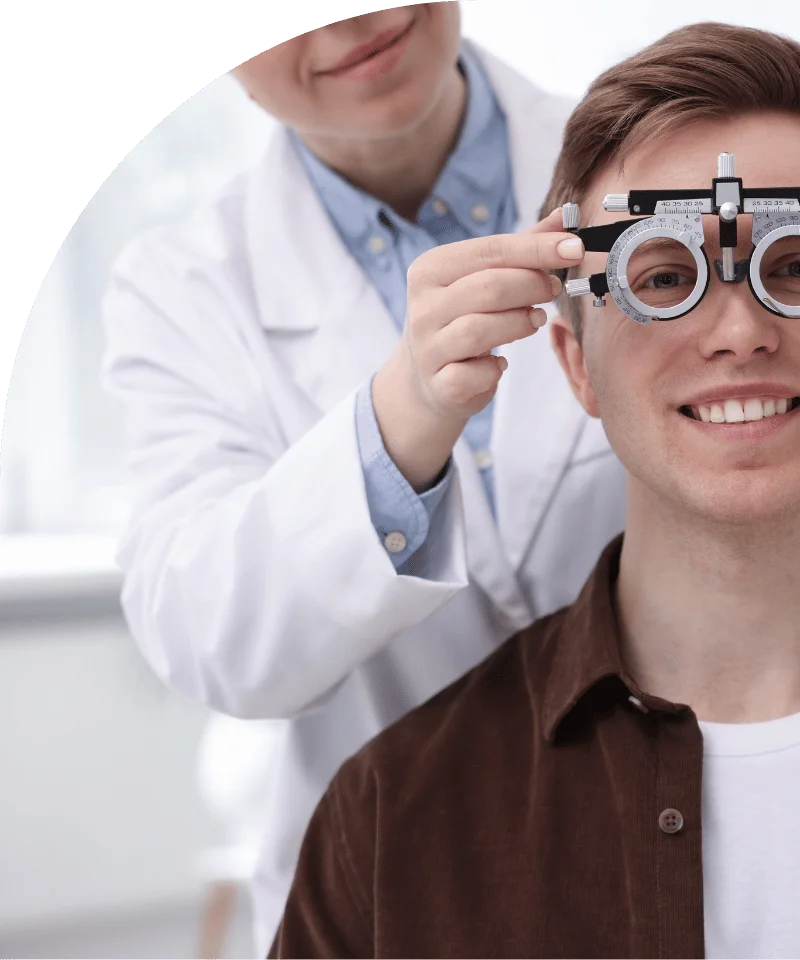
Routine eye examinations are one of the most important services offered through Comprehensive Ophthalmology because they establish the foundation for lifelong eye health. During these visits, the ophthalmologist evaluates visual acuity, checks for refractive errors, and examines the overall health of the eyes. Eye pressure is measured to screen for glaucoma, while the front and back portions of the eye are carefully inspected for signs of disease. Patients may also undergo pupil dilation to provide a clearer view of the retina and optic nerve, allowing the ophthalmologist to identify conditions that may not produce noticeable symptoms. Prescription eyeglasses or contact lenses can be updated when necessary to ensure the best possible vision. Routine examinations also provide an opportunity to discuss changes in vision, eye discomfort, or lifestyle habits that may affect eye health. Scheduling regular appointments through Comprehensive Ophthalmology allows many conditions to be detected early, often before permanent damage occurs.
Advanced Diagnostic Testing
Modern technology has transformed the way eye diseases are diagnosed, making Comprehensive Ophthalmology more accurate and effective than ever before. Advanced diagnostic testing allows ophthalmologists to detect even subtle changes in eye structures that may not be visible during a standard examination. Optical Coherence Tomography, commonly known as OCT, creates detailed cross-sectional images of the retina and optic nerve, helping identify conditions such as glaucoma and macular degeneration. Visual field testing measures peripheral vision and is especially valuable for monitoring glaucoma progression. Fundus photography documents the appearance of the retina, allowing eye specialists to compare images over time and evaluate disease progression. Corneal imaging and retinal scanning provide additional information that assists with diagnosing corneal disorders, diabetic eye disease, and other complex conditions. These technologies enable Comprehensive Ophthalmology to deliver precise diagnoses and develop treatment plans based on detailed clinical information.
Medical Eye Care
Comprehensive Ophthalmology extends well beyond vision correction by providing medical treatment for a wide variety of eye diseases. Patients diagnosed with glaucoma often require prescription eye drops, laser treatment, or surgery to reduce eye pressure and protect the optic nerve. Individuals with dry eye disease benefit from customized treatment plans that may include lubricating eye drops, prescription medications, and lifestyle recommendations. Eye infections, allergies, and inflammatory conditions are treated with medications selected according to the underlying cause of the problem. Patients with chronic diseases such as diabetes require ongoing retinal monitoring because changes in the eyes may occur even when vision seems normal. Regular follow-up visits allow ophthalmologists to evaluate treatment effectiveness and make adjustments whenever necessary. This continuous medical management helps preserve vision while reducing the likelihood of complications associated with untreated eye disease.
Minor Office-Based Procedures
In addition to medical management, Comprehensive Ophthalmology includes several minor procedures that can often be performed safely within the clinic. Removing foreign bodies from the eye is a common procedure that helps relieve pain and prevent infection following workplace or household accidents. Certain eyelid conditions, including small cysts or inflamed glands, may also be treated during an office visit without requiring hospitalization. Some patients benefit from laser procedures that address specific eye conditions while minimizing recovery time and discomfort. Minor surgical interventions are performed using modern equipment and sterile techniques to promote patient safety and successful outcomes. Ophthalmologists carefully explain each procedure, answer questions, and provide clear instructions for recovery and follow-up care. Having these services available within a Comprehensive Ophthalmology practice allows patients to receive timely treatment without unnecessary delays or referrals.
Who Should Schedule a Comprehensive Ophthalmology Examination?
Comprehensive Ophthalmology is valuable for individuals of every age because healthy vision requires ongoing attention throughout life. Children should receive regular eye examinations to identify vision problems that may interfere with learning, reading, or normal visual development. Adults who spend long hours using digital devices can benefit from routine evaluations to address eye strain, dry eyes, and changing visual needs. People over the age of forty should schedule regular examinations because the risk of developing glaucoma, cataracts, and age-related macular degeneration increases with age. Individuals with diabetes, hypertension, autoimmune diseases, or a family history of eye disorders require closer monitoring due to their elevated risk of developing vision-threatening conditions. Contact lens wearers should also receive regular examinations to ensure proper eye health and reduce the risk of complications related to lens use. Anyone who notices blurred vision, eye pain, flashes of light, floaters, double vision, or sudden changes in eyesight should seek prompt evaluation through Comprehensive Ophthalmology to protect their vision and receive appropriate treatment as early as possible.
What to Expect During a Comprehensive Ophthalmology Appointment
Knowing what happens during an appointment can help patients feel more comfortable and prepared for their visit. A Comprehensive Ophthalmology examination is designed to evaluate not only how well you see but also the overall health of your eyes. The visit typically begins with a discussion about your medical history, current medications, previous eye conditions, family history of eye disease, and any vision changes you may have noticed. Sharing this information allows the ophthalmologist to identify potential risk factors and determine which tests are most appropriate for your situation. After reviewing your history, your vision is assessed using standardized eye charts to measure visual acuity and determine whether your prescription has changed. Additional tests may evaluate eye movement, depth perception, color vision, and how your pupils respond to light. Every step of the examination is intended to build a complete understanding of your eye health and create a personalized care plan that supports long-term vision.
Following the initial assessment, the ophthalmologist carefully examines the structures of the eye using specialized instruments. The front of the eye, including the cornea, iris, lens, and eyelids, is evaluated for signs of disease or injury. Eye pressure is measured to help detect glaucoma, one of the leading causes of preventable blindness. In many cases, the pupils are dilated to provide a clear view of the retina, optic nerve, and blood vessels at the back of the eye. If additional information is needed, advanced imaging tests such as Optical Coherence Tomography (OCT), retinal photography, or visual field testing may be performed. Once the evaluation is complete, the ophthalmologist explains the findings in clear language, discusses any diagnosis, and recommends the most appropriate treatment or follow-up schedule. This patient-centered approach ensures that individuals understand their eye health and actively participate in decisions about their care.
Benefits of Choosing Comprehensive Ophthalmology
Choosing Comprehensive Ophthalmology provides patients with access to complete eye care from a single medical specialist who can manage both routine and complex vision concerns. This continuity of care allows the ophthalmologist to monitor changes in eye health over time and recognize even subtle signs of disease progression. Patients benefit from personalized treatment plans that consider age, medical history, lifestyle, occupation, and individual vision goals. Because one provider oversees ongoing care, communication remains consistent and treatment decisions can be adjusted promptly whenever new concerns arise. Comprehensive Ophthalmology also reduces the need to visit multiple specialists for common eye conditions, making care more convenient and efficient. Early detection of diseases such as glaucoma, cataracts, diabetic retinopathy, and macular degeneration often results in more effective treatment and a greater chance of preserving vision. By combining preventive care, advanced diagnostics, medical management, and surgical expertise when necessary, Comprehensive Ophthalmology offers a comprehensive solution for protecting eyesight throughout life.
Another important advantage is the ability to coordinate eye care with the management of other health conditions. Many systemic diseases affect the eyes, and ophthalmologists frequently work alongside primary care physicians, endocrinologists, cardiologists, and other healthcare professionals to provide integrated care. Patients living with diabetes, hypertension, or autoimmune disorders often require regular eye monitoring to detect early complications before vision is affected. This collaborative approach supports better overall health while helping prevent avoidable vision loss. Comprehensive Ophthalmology also emphasizes patient education, encouraging individuals to understand their conditions and participate actively in maintaining their eye health. Ongoing follow-up appointments ensure that treatments remain effective and can be modified if new developments occur. The result is long-term care that focuses not only on treating disease but also on preserving independence, comfort, and quality of life.
How Comprehensive Ophthalmology Supports Preventive Eye Health
Preventive care is one of the most valuable aspects of Comprehensive Ophthalmology because many serious eye diseases develop gradually without causing noticeable symptoms during their early stages. Routine eye examinations allow ophthalmologists to detect these conditions before they lead to permanent vision damage. Patients who receive regular evaluations are more likely to benefit from early treatment, which often improves outcomes and reduces the risk of complications. Preventive care also includes monitoring changes in vision, updating prescriptions when necessary, and identifying lifestyle factors that may negatively affect eye health. These regular visits provide opportunities to discuss concerns, ask questions, and receive practical guidance tailored to individual needs. By making preventive eye care a priority, patients can significantly improve their chances of maintaining healthy vision for many years. Comprehensive Ophthalmology serves as an essential partner in protecting eyesight through proactive, evidence-based care.
Healthy lifestyle habits also play an important role in supporting long-term vision. Eating a balanced diet rich in leafy green vegetables, colorful fruits, fish containing omega-3 fatty acids, and antioxidant-rich foods provides nutrients that support healthy eyes. Wearing sunglasses that block ultraviolet rays helps protect the eyes from sun-related damage, while appropriate safety eyewear reduces the risk of injuries during work, sports, and home improvement projects. Limiting smoking and maintaining healthy blood sugar and blood pressure levels further reduce the likelihood of developing serious eye diseases. Individuals who spend extended hours using computers or digital devices should follow healthy screen habits, including taking regular breaks and maintaining proper viewing distances to reduce eye strain. Staying physically active and attending routine medical checkups also contribute to overall wellness, which directly benefits eye health. When combined with regular appointments through Comprehensive Ophthalmology, these preventive measures create a strong foundation for preserving clear vision and lifelong eye health.
Advances in Comprehensive Ophthalmology
Modern technology continues to transform Comprehensive Ophthalmology, making it possible to diagnose eye conditions earlier and treat them with greater precision than ever before. High-resolution imaging systems provide detailed views of the retina, optic nerve, and other eye structures, allowing ophthalmologists to identify subtle changes that may not be visible during a traditional examination. Artificial intelligence is also becoming a valuable tool in eye care by assisting with the detection of diseases such as diabetic retinopathy, glaucoma, and age-related macular degeneration. These innovations help improve diagnostic accuracy while supporting faster clinical decision-making. Advances in laser technology and minimally invasive surgical techniques have shortened recovery times and enhanced patient comfort for many procedures. New medications and treatment options continue to improve outcomes for chronic eye diseases, helping patients preserve their vision for longer periods. As research progresses, Comprehensive Ophthalmology remains at the forefront of delivering safer, more effective, and highly personalized eye care.
Telemedicine has also expanded access to eye care by allowing certain follow-up consultations and screenings to be performed remotely when appropriate. Digital health records improve communication between healthcare providers, ensuring that patients receive coordinated treatment for both eye conditions and systemic diseases. Enhanced imaging technologies enable ophthalmologists to compare eye scans over time, making it easier to detect disease progression and evaluate treatment effectiveness. Many clinics now utilize advanced diagnostic equipment that produces faster and more comfortable examinations without compromising accuracy. Ongoing clinical research continues to explore innovative therapies that may slow or even prevent vision loss caused by complex eye diseases. These scientific advancements reinforce the importance of routine eye examinations because they allow patients to benefit from the latest developments in modern eye care. Through continuous innovation, Comprehensive Ophthalmology continues to raise the standard of care for patients of all ages.
How to Choose the Right Comprehensive Ophthalmologist
Selecting the right ophthalmologist is an important decision that can have a lasting impact on your vision and overall eye health. Begin by choosing a board-certified ophthalmologist with extensive experience in diagnosing and managing a wide range of eye conditions. A well-equipped clinic that offers advanced diagnostic technology can provide more accurate evaluations and support earlier detection of disease. It is also beneficial to select a practice that offers comprehensive services, allowing routine examinations, medical treatment, and surgical care to be coordinated in one location whenever possible. Patient communication should be another key consideration, as a knowledgeable ophthalmologist should explain diagnoses, treatment options, and recommendations in a clear and understandable manner. Reading patient reviews and seeking recommendations from trusted healthcare providers may also help you identify a practice known for quality care and excellent patient experiences. Choosing a provider who values long-term relationships encourages consistent monitoring and personalized care that supports healthy vision throughout life.
Accessibility is another factor worth considering when selecting an eye care provider. Convenient appointment scheduling, responsive office staff, and timely follow-up visits contribute to a positive healthcare experience. Patients with chronic eye diseases often require ongoing monitoring, making it beneficial to establish care with an ophthalmologist who is committed to continuity and preventive care. The best Comprehensive Ophthalmology practices focus not only on treating current problems but also on educating patients about healthy lifestyle habits that protect vision. They encourage regular examinations, answer questions thoroughly, and create individualized treatment plans that reflect each patient’s unique needs. By choosing a trusted ophthalmologist and maintaining consistent eye care, patients can confidently take proactive steps toward preserving their eyesight for years to come.
FAQ
What is Comprehensive Ophthalmology?
Comprehensive Ophthalmology is a medical specialty that focuses on the complete diagnosis, treatment, management, and prevention of eye diseases and vision disorders. It includes routine eye examinations, advanced diagnostic testing, medical treatment, minor office procedures, and surgical care when necessary.
How often should I schedule a Comprehensive Ophthalmology examination?
Most adults should have a comprehensive eye examination every one to two years, depending on their age, overall health, and risk factors. Individuals with diabetes, glaucoma, hypertension, or a family history of eye disease may require more frequent visits as recommended by their ophthalmologist.
What conditions can Comprehensive Ophthalmology diagnose?
Comprehensive Ophthalmology can diagnose refractive errors, cataracts, glaucoma, diabetic retinopathy, age-related macular degeneration, dry eye disease, retinal disorders, corneal diseases, eye infections, allergies, and many other conditions affecting vision and eye health.
What is the difference between an ophthalmologist and an optometrist?
An ophthalmologist is a medical doctor who can diagnose eye diseases, prescribe medications, perform surgery, and provide complete medical and surgical eye care. An optometrist primarily performs eye examinations, prescribes corrective lenses, and manages certain vision conditions, referring patients to an ophthalmologist when specialized medical or surgical treatment is needed.
Can Comprehensive Ophthalmology help prevent blindness?
Yes. Routine examinations allow ophthalmologists to detect serious eye diseases before noticeable symptoms develop. Early diagnosis and timely treatment significantly reduce the risk of permanent vision loss caused by conditions such as glaucoma, diabetic retinopathy, and macular degeneration.
Are children and older adults good candidates for Comprehensive Ophthalmology?
Absolutely. Children benefit from early detection of vision problems that may affect learning and development, while older adults require regular monitoring for age-related eye diseases. Comprehensive Ophthalmology supports healthy vision throughout every stage of life.
What should I bring to my eye appointment?
Patients should bring their current eyeglasses or contact lenses, a list of medications, relevant medical records, insurance information if applicable, and details about any changes in vision or eye symptoms they have recently experienced.
Takeaway
Comprehensive Ophthalmology provides complete, patient-centered eye care that supports healthy vision from childhood through the senior years. Regular eye examinations, advanced diagnostic technology, and individualized treatment plans allow ophthalmologists to detect eye diseases early and manage them effectively before they lead to permanent vision loss. This broad approach addresses everything from routine vision correction to the treatment of complex medical conditions, making it an essential part of lifelong healthcare. Maintaining healthy lifestyle habits, protecting the eyes from injury and ultraviolet exposure, and keeping chronic medical conditions under control further strengthen long-term eye health. Partnering with an experienced ophthalmologist and scheduling routine examinations can help preserve clear vision, improve quality of life, and ensure that your eyes receive the expert care they deserve for years to come.