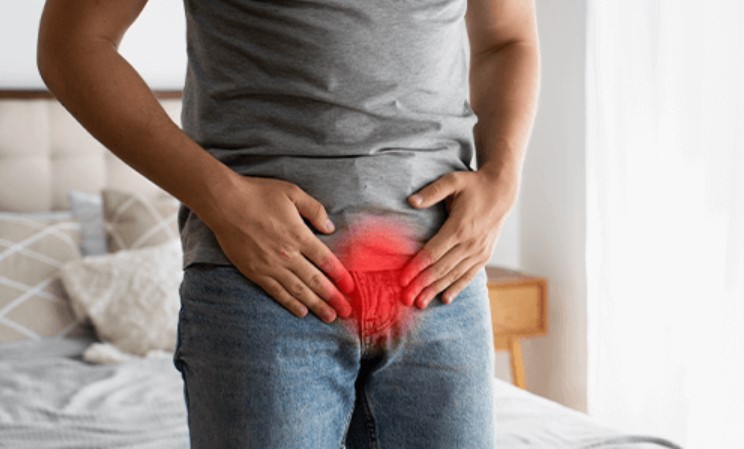
Childbirth is a life-changing experience that brings many physical changes to the body. While some postpartum changes are expected, symptoms such as pelvic pressure, discomfort, urinary concerns, or a feeling of heaviness may indicate pelvic floor challenges, including pelvic organ prolapse. Fortunately, prolapse therapy can provide effective, personalized support to help women rebuild strength, improve function, and regain confidence after pregnancy and delivery.
For women seeking expert guidance, Osteopractic Physical Therapy of Central Indiana is a trusted provider offering specialized care designed to address pelvic health concerns. Their approach to prolapse therapy focuses on understanding each patient’s unique symptoms, restoring proper movement patterns, and helping new mothers safely return to daily activities.
What Is Postpartum Pelvic Organ Prolapse?
Postpartum pelvic organ prolapse occurs when the muscles, ligaments, and connective tissues that support the pelvic organs become weakened or strained, allowing one or more organs to shift downward. The pelvic organs, including the bladder, uterus, and rectum, rely on a strong pelvic floor for support.
Pregnancy places significant stress on the pelvic floor due to increased weight and pressure from the growing baby. During childbirth, especially vaginal delivery, these muscles and tissues may experience stretching or injury. While some women recover naturally, others may continue experiencing symptoms that benefit from targeted prolapse therapy.
Pelvic organ prolapse can involve different areas, including:
- Cystocele, where the bladder drops toward the vaginal wall
- Rectocele, where the rectum pushes into the vaginal area
- Uterine prolapse, where the uterus moves downward
- Vaginal vault prolapse, which may occur after certain surgical procedures
A proper evaluation through prolapse therapy can help determine the underlying issues and create an individualized recovery plan.
Why Does Prolapse Happen After Pregnancy and Childbirth?
Several factors can contribute to postpartum prolapse. Pregnancy hormones can affect connective tissues, while the increasing weight of the baby places additional pressure on the pelvic floor. Labor and delivery can further challenge these structures.
Common contributing factors include:
- Vaginal delivery
- Long labor or prolonged pushing
- Assisted delivery methods
- Multiple pregnancies
- Pelvic floor muscle weakness
- Poor coordination between the pelvic floor and core muscles
- Returning to intense exercise too quickly after birth
Although pelvic floor weakness is common after childbirth, experiencing ongoing symptoms does not mean women have to simply accept discomfort. Prolapse therapy provides a structured way to address these concerns and support long-term pelvic health.
Common Symptoms of Postpartum Prolapse
Postpartum prolapse symptoms can vary from mild to more noticeable. Some women may experience occasional discomfort, while others may find that symptoms interfere with exercise, work, or daily routines.
Common signs include:
- A sensation of pelvic heaviness or pressure
- Feeling like something is bulging or dropping in the vaginal area
- Lower back discomfort
- Urinary leakage or increased urgency
- Difficulty fully emptying the bladder
- Constipation or bowel movement challenges
- Discomfort during intimacy
- Reduced confidence with physical activity
If these symptoms continue after childbirth, seeking professional prolapse therapy can help identify the cause and provide strategies for improvement.
How Prolapse Therapy Supports Postpartum Recovery
Prolapse therapy is a specialized form of rehabilitation focused on improving pelvic floor function, coordination, and overall movement. Instead of simply strengthening muscles, effective prolapse therapy evaluates how the pelvic floor works together with the core, breathing system, and entire body.
A personalized prolapse therapy program may help with:
- Improving pelvic floor muscle control
- Reducing feelings of pressure and discomfort
- Improving bladder and bowel management
- Restoring confidence with exercise and daily activities
- Supporting a safe return to fitness after childbirth
At Osteopractic Physical Therapy of Central Indiana, patients receive individualized care focused on their symptoms, lifestyle, and recovery goals. Their experienced team helps women understand their bodies and develop practical strategies for lasting improvement.
What Happens During Prolapse Therapy?
Many women are unsure what to expect when beginning prolapse therapy. A typical evaluation begins with a discussion about symptoms, medical history, pregnancy experience, and personal goals.
A prolapse therapy assessment may include:
Initial Evaluation
The therapist may evaluate posture, movement patterns, breathing mechanics, core function, and pelvic floor coordination. This allows the treatment plan to address the whole body rather than focusing only on one muscle group.
Personalized Treatment Plan
Based on the evaluation, prolapse therapy may include:
- Pelvic floor muscle training
- Core stabilization exercises
- Breathing techniques
- Movement retraining
- Lifestyle recommendations
- Strategies for lifting, exercising, and managing pressure
Ongoing Progress Support
Recovery is different for every person. Prolapse therapy focuses on gradual improvement by adjusting exercises and techniques as strength and function improve.
Pelvic Floor Exercises for Prolapse Recovery
Pelvic floor exercises can be an important part of prolapse therapy, but proper technique is essential. Many people assume strengthening alone is the answer, but pelvic floor muscles must also be able to relax, coordinate, and respond appropriately during movement.
Common components of prolapse therapy exercises include:
Pelvic Floor Muscle Training
Learning how to correctly contract and relax the pelvic floor can improve support and control.
Deep Core Activation
The abdominal muscles and pelvic floor work together to stabilize the body. Prolapse therapy often includes exercises that improve this connection.
Breathing and Pressure Management
Proper breathing techniques can help manage pressure during activities such as lifting, coughing, and exercising.
Functional Movement Training
Prolapse therapy helps women apply their strength improvements to real-life activities, from caring for a baby to returning to workouts.
Activities to Modify During Prolapse Recovery
During postpartum recovery, certain activities may increase symptoms if the body is not ready. Prolapse therapy can help women understand how to modify movements while continuing to build strength.
Some activities that may require adjustments include:
- Heavy lifting
- High-impact exercise
- Excessive straining
- Incorrect abdominal exercises
- Returning to intense workouts too quickly
A prolapse therapy specialist can provide alternatives that allow women to stay active while supporting recovery.
Can Postpartum Prolapse Improve Without Surgery?
Many women with postpartum prolapse can benefit from conservative treatment options before considering surgical approaches. Prolapse therapy can help improve pelvic floor function, manage symptoms, and support overall recovery.
The best treatment approach depends on the severity of symptoms, individual health factors, and personal goals. A qualified provider can help determine the most appropriate path forward.
When Should You See a Pelvic Floor Therapist?
Women may benefit from prolapse therapy if they experience:
- Persistent pelvic pressure
- Difficulty returning to exercise
- Urinary or bowel changes
- Pain or discomfort during activities
- Concerns about postpartum recovery
Early support can help women better understand their symptoms and take proactive steps toward improved pelvic health.
Frequently Asked Questions About Prolapse Therapy After Childbirth
How soon after childbirth can I begin prolapse therapy?
The timing depends on your delivery experience, symptoms, and overall recovery. Many women can begin with gentle postpartum rehabilitation strategies soon after birth, while others may require a more gradual approach.
Is prolapse therapy painful?
Prolapse therapy should be comfortable and customized to your needs. A qualified therapist will adjust exercises and techniques based on your symptoms and progress.
Can prolapse therapy improve pelvic organ prolapse symptoms?
Yes, prolapse therapy can help many women improve pelvic floor strength, coordination, and symptom management. Results vary depending on individual circumstances.
How long does postpartum prolapse recovery take?
Recovery timelines differ for every woman. Consistency with prolapse therapy, lifestyle adjustments, and professional guidance can support steady progress.
Do I need surgery for postpartum prolapse?
Not everyone with prolapse requires surgery. Prolapse therapy is often used as a conservative treatment option to improve function and manage symptoms.
Can I exercise while recovering from prolapse?
Yes, but exercise should be approached carefully. Prolapse therapy can help you learn safe movement strategies and gradually return to activities.