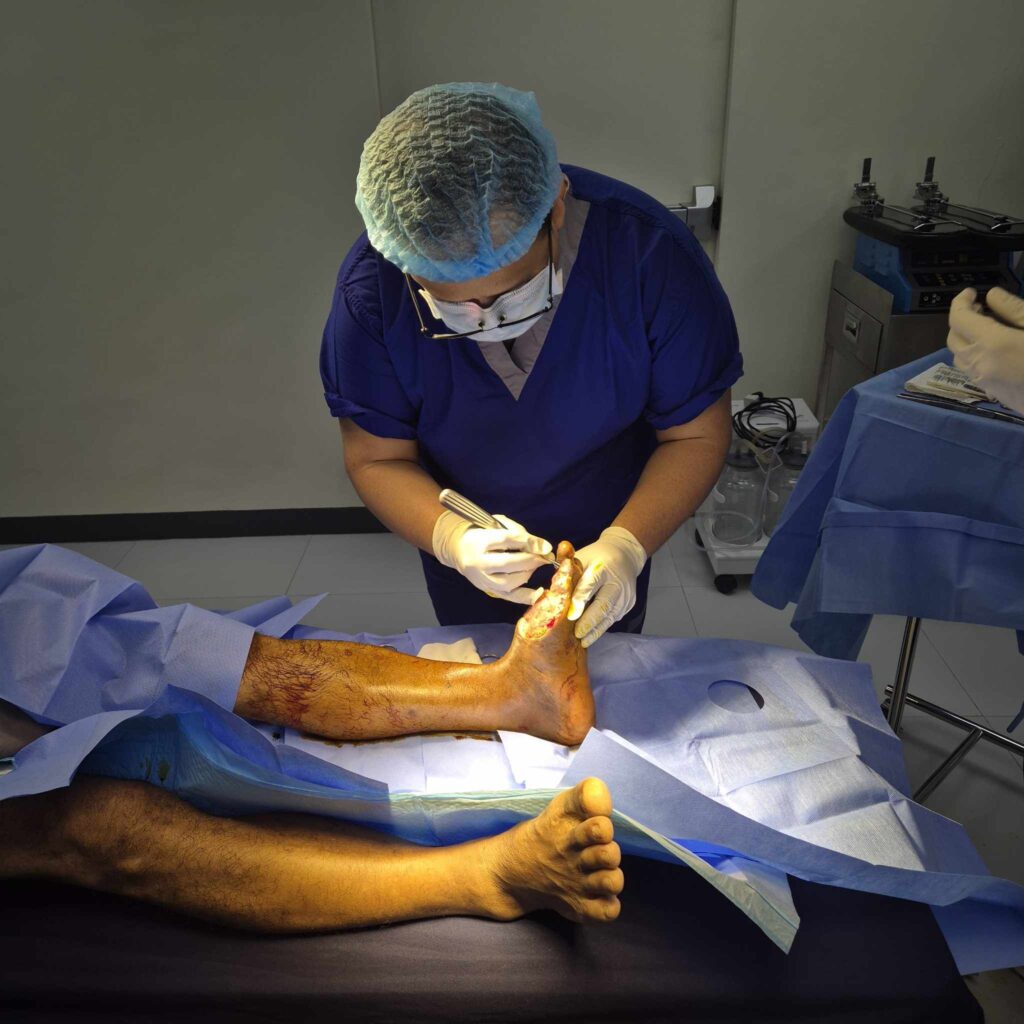
Healing a wound may seem straightforward, but many injuries require more than routine cleaning and bandaging. Chronic wounds, diabetic ulcers, pressure injuries, and infected wounds often demand specialized attention to heal properly. Choosing a trusted wound care facility gives patients access to experienced healthcare professionals, advanced treatment methods, and personalized care plans designed to encourage healing while reducing the risk of complications.
KALINGAP Wound Care Clinic believes every patient deserves compassionate, high-quality care regardless of their circumstances. Built upon the Filipino values of kalinga (care) and lingap (nurture), this wound care facility combines advanced medical techniques with patient-centered care. The goal extends beyond treating wounds—it also includes restoring comfort, preserving dignity, and helping patients regain their quality of life.
Why Specialized Wound Care Makes a Difference
Many wounds heal naturally with proper home care. Others become slow to heal due to underlying medical conditions, poor circulation, infection, or repeated pressure. When healing stalls, seeking help from a specialized wound care facility can make a meaningful difference.
Healthcare professionals trained in wound management understand the complex factors that affect healing. Rather than focusing only on the visible injury, they assess the patient’s overall health, medical history, lifestyle, and possible barriers to recovery. This comprehensive approach allows treatment plans to be adjusted according to each patient’s specific needs.
Early intervention also helps reduce the possibility of infection, tissue damage, hospitalization, or more serious complications. Receiving prompt care often leads to better healing outcomes and improved daily comfort.
What Is a Wound Care Facility?
A wound care facility specializes in evaluating, treating, and managing both acute and chronic wounds. Unlike general wound care that may focus primarily on dressing changes, a specialized clinic offers comprehensive assessments, advanced therapies, continuous monitoring, and patient education.
Professionals working at a wound care facility develop individualized treatment plans based on evidence-based medical practices. Regular follow-up appointments allow the healthcare team to monitor healing progress and modify treatments whenever necessary.
Patients commonly visit a wound care facility for conditions such as:
- Diabetic foot ulcers
- Pressure ulcers or bedsores
- Venous leg ulcers
- Surgical wounds
- Traumatic injuries
- Infected wounds
- Slow-healing chronic wounds
Early treatment reduces healing time while helping patients avoid complications that may affect mobility, independence, and overall health.
Services You Can Expect From a Modern Wound Care Facility
A modern wound care facility offers specialized services designed to support healing through accurate diagnosis, advanced treatments, and continuous patient care.
Advanced Wound Assessment
Every successful treatment plan begins with a detailed evaluation. KALINGAP Wound Care Clinic performs comprehensive wound assessments using evidence-based methods to determine the wound type, severity, contributing medical conditions, and healing barriers.
This careful assessment helps healthcare professionals create personalized treatment plans rather than relying on one-size-fits-all care. Each patient’s progress is monitored closely so adjustments can be made whenever healing patterns change.
Debridement Services
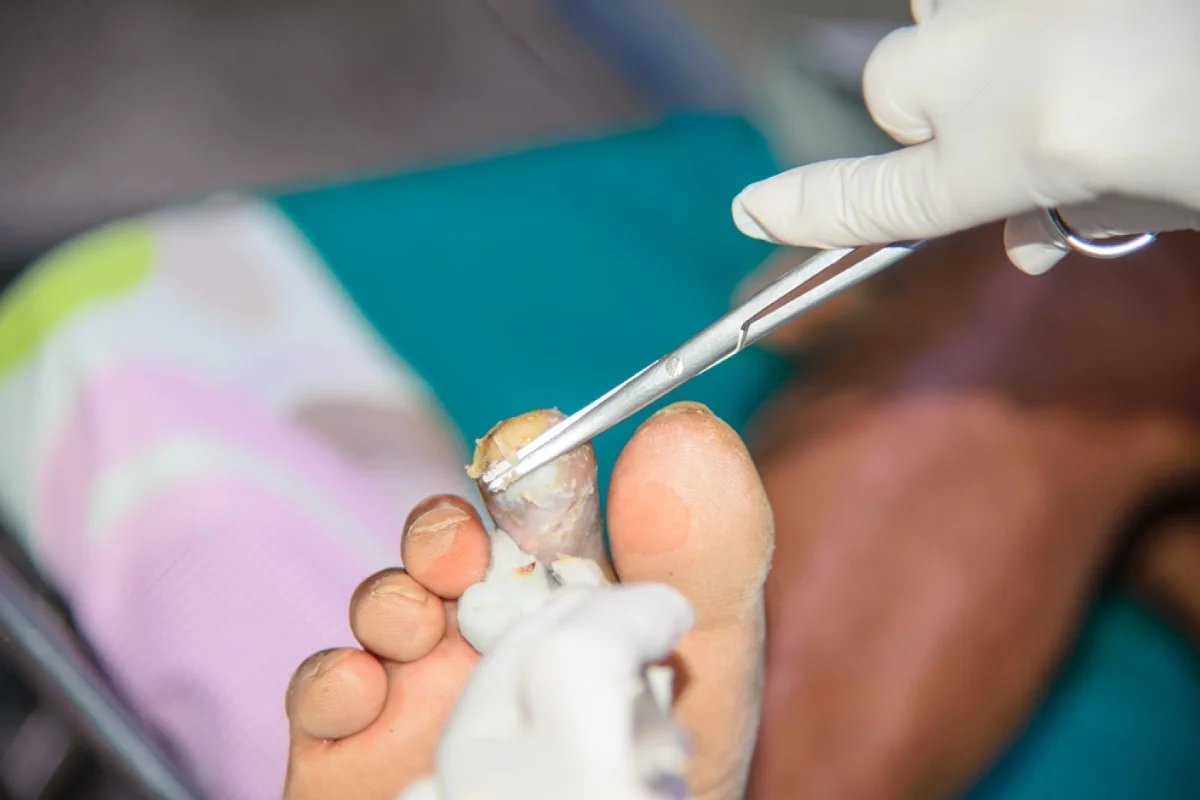
Dead or damaged tissue often prevents wounds from healing properly. Debridement removes unhealthy tissue, allowing healthy tissue to develop more effectively.
KALINGAP Wound Care Clinic provides appropriate debridement techniques, including advanced ultrasonic methods when clinically indicated. By preparing the wound bed properly, this important treatment supports faster healing while lowering infection risks.
Negative Pressure Wound Therapy
Negative Pressure Wound Therapy (NPWT) has become a valuable option for many complex wounds. This treatment uses controlled vacuum-assisted technology to remove excess fluid, encourage healthy blood circulation, and promote tissue growth.
Patients receiving care at a specialized wound care facility may benefit from NPWT when recommended by their healthcare provider. Continuous monitoring helps ensure treatment remains safe and effective throughout the healing process.
Diabetic Foot Ulcer Management
Diabetes increases the likelihood of foot wounds that heal slowly due to reduced circulation and nerve damage. Without timely treatment, diabetic foot ulcers may become infected and lead to serious complications.
A dedicated wound care facility provides comprehensive diabetic wound management that includes:
- Thorough wound assessment
- Advanced wound dressings
- Infection management
- Pressure reduction techniques
- Patient education
- Ongoing monitoring
Education remains a vital part of diabetic wound care because prevention plays a major role in reducing future complications.
Pressure Ulcer Treatment
Pressure ulcers commonly affect individuals with limited mobility or prolonged bed rest. These wounds require careful management to prevent additional tissue damage.
KALINGAP Wound Care Clinic develops individualized care plans that combine advanced dressings, pressure relief strategies, routine monitoring, and caregiver education. This personalized approach helps encourage healing while reducing recurrence.
Infection Control and Management
Untreated wound infections can delay healing and increase the likelihood of hospitalization. A specialized wound care facility focuses on identifying infections early through careful assessment and timely intervention.
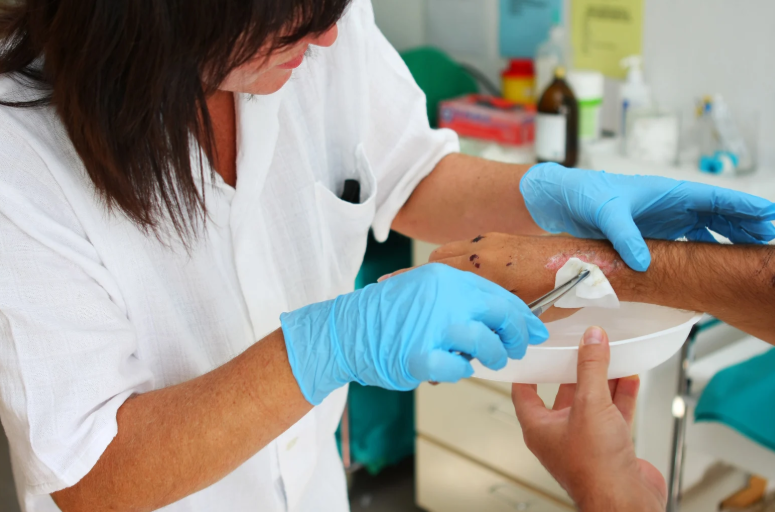
Treatment may include wound cleansing, appropriate dressings, infection management, and continuous observation to ensure healing progresses safely.
Venous Insufficiency Ulcer Care
Poor blood circulation caused by venous insufficiency frequently results in chronic leg ulcers that require specialized management.
Treatment may include compression therapy, advanced wound dressings, circulation support, and regular follow-up visits. Managing the underlying circulation problem plays an important role alongside wound treatment.
Education and Prevention Programs
Patient education remains one of the strongest tools for preventing recurring wounds.
KALINGAP Wound Care Clinic provides one-on-one guidance covering:
- Proper wound care at home
- Dressing care
- Skin protection
- Nutrition that supports healing
- Blood sugar management
- Pressure relief techniques
- Early warning signs of complications
Patients and caregivers gain valuable knowledge that supports long-term recovery and healthier daily habits.
How Personalized Care Supports Better Healing
Every wound has unique characteristics. Age, nutrition, chronic illnesses, medications, circulation, mobility, and lifestyle all influence the healing process.
A trusted wound care facility recognizes these differences by creating customized treatment plans tailored to each individual.
Healthcare providers regularly evaluate healing progress, adjusting therapies whenever necessary. This flexibility helps ensure patients receive the most appropriate care throughout every stage of recovery.
Compassion also plays an essential role. Many patients experience anxiety, frustration, or emotional stress while managing chronic wounds. KALINGAP Wound Care Clinic provides respectful, patient-centered care that supports both physical and emotional well-being.
Family involvement also contributes to successful healing. Caregivers receive guidance that allows them to confidently support loved ones during recovery.
Why Advanced Technology Matters
Medical technology continues to improve wound treatment by helping healthcare providers manage complex wounds more effectively.
A specialized wound care facility combines advanced equipment with evidence-based medical practices to improve healing outcomes.
Examples include:
- Advanced wound assessment techniques
- Ultrasonic debridement
- Negative Pressure Wound Therapy
- Modern wound dressings
- Regular wound monitoring
These treatments are selected according to each patient’s condition rather than following a standard approach. Personalized care allows healthcare professionals to respond quickly whenever healing progress changes.
Evidence-based practices remain central to every treatment decision. Clinical assessments, regular evaluations, and continuous monitoring help ensure patients receive safe, effective care.
When Should You Visit a Wound Care Facility?
Many people wait too long before seeking professional wound treatment. Delayed care often increases healing time and raises the risk of complications.
Visiting a wound care facility should be considered when a wound:
- Has not improved after several weeks
- Shows redness, swelling, or warmth
- Produces drainage or pus
- Causes increasing pain
- Develops an unpleasant odor
- Continues getting larger
- Frequently reopens after healing
- Occurs alongside diabetes or poor circulation
Certain individuals benefit especially from specialized wound care, including:
- People living with diabetes
- Older adults
- Patients recovering from surgery
- Individuals with limited mobility
- Patients with circulation disorders
- People managing chronic medical conditions
Seeking care early allows healthcare professionals to identify potential concerns before they become more difficult to treat.
Why KALINGAP Wound Care Clinic Is a Trusted Choice
KALINGAP Wound Care Clinic stands apart through its combination of clinical expertise, compassionate care, and commitment to community health.
The clinic’s name reflects its mission. “Kalinga” represents genuine care, while “Lingap” symbolizes nurturing support throughout the healing journey. These values guide every interaction between healthcare providers and patients.
As a specialized wound care facility, KALINGAP offers comprehensive services that include advanced wound assessment, debridement, Negative Pressure Wound Therapy, diabetic foot ulcer management, pressure ulcer treatment, infection control, venous insufficiency ulcer care, and patient education.
Care extends beyond clinical treatment. Community outreach efforts, partnerships, affordability initiatives, and educational programs help bridge healthcare gaps for underserved populations across Metro Manila.
Every patient receives individualized attention supported by ethical, evidence-based medical practices designed to encourage healing while preserving dignity and comfort.
Frequently Asked Questions
What does a wound care facility do?
A wound care facility specializes in evaluating, treating, and monitoring acute and chronic wounds using advanced medical techniques, personalized treatment plans, and ongoing patient education.
How do I know if my wound needs specialized treatment?
A wound that heals slowly, becomes infected, continues draining, grows larger, or causes increasing pain should be evaluated by a healthcare professional at a wound care facility.
How often should wounds be checked by a specialist?
The schedule depends on the wound type, overall health, and treatment plan. Some patients require weekly visits, while others may need more frequent monitoring.
Can diabetic wounds heal without specialized care?
Some minor wounds may heal with proper medical guidance, but diabetic foot ulcers often benefit from treatment at a wound care facility because diabetes can slow healing and increase infection risks.
Does every wound require debridement?
No. Debridement is recommended only when dead or damaged tissue interferes with healing. Healthcare professionals determine whether this treatment is appropriate after a thorough assessment.
What happens during a wound assessment?
A comprehensive assessment includes examining the wound’s size, depth, appearance, drainage, surrounding skin, circulation, medical history, and possible healing barriers. This information guides the development of a personalized treatment plan.
How long does chronic wound treatment usually take?
Healing time varies depending on the patient’s health, wound severity, circulation, nutrition, and adherence to the recommended care plan. Regular follow-up visits help monitor progress and adjust treatment as needed.
What should I bring to my first appointment?
Patients should bring their medical records, medication list, previous wound care instructions, laboratory results if available, insurance information when applicable, and a list of questions they would like to discuss with the healthcare team.
Choosing Specialized Care Can Improve Recovery
Selecting the right wound care facility plays a significant role when treating chronic wounds, diabetic ulcers, pressure injuries, infected wounds, and other complex conditions. Specialized care offers accurate assessments, advanced treatment options, continuous monitoring, and education that supports long-term healing.
KALINGAP Wound Care Clinic remains committed to providing compassionate, patient-centered care rooted in Filipino values of care and nurture. Through advanced wound management, personalized treatment plans, community outreach, and preventive education, this wound care facility helps patients move toward recovery with confidence, dignity, and hope for a healthier future.