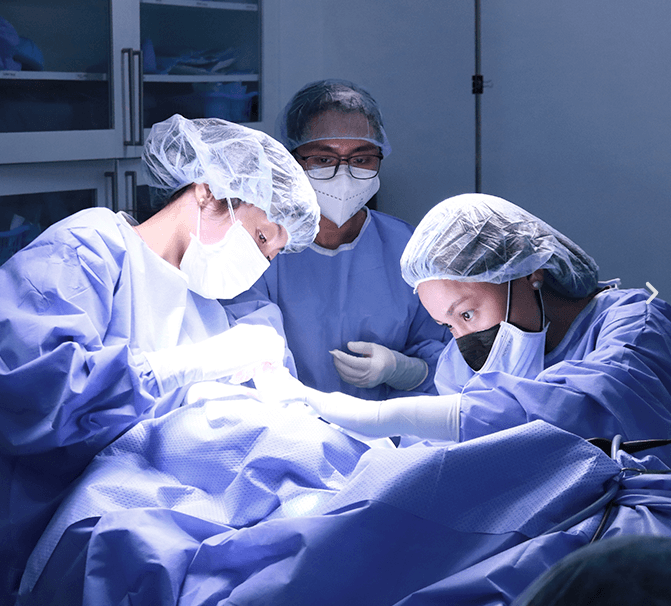
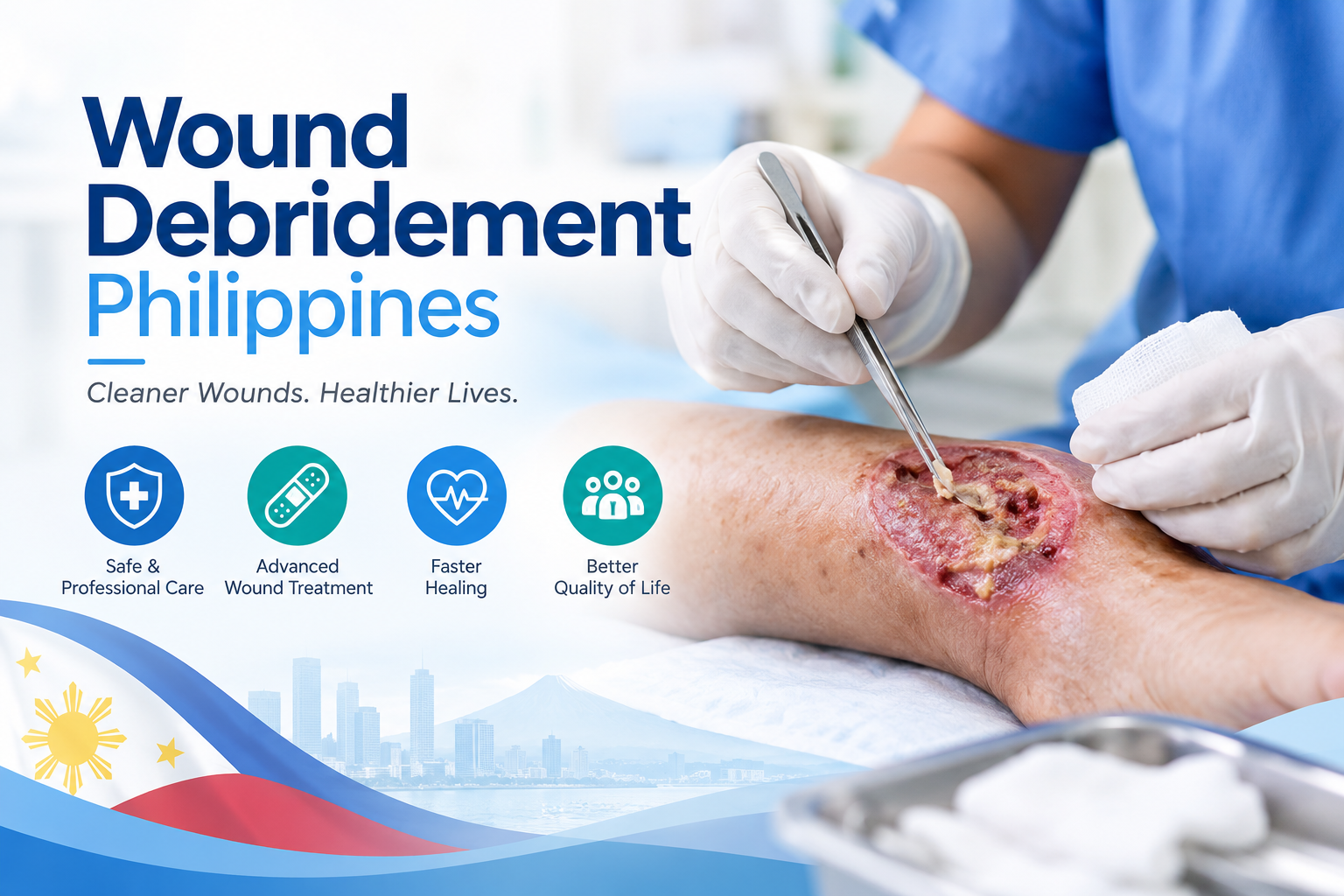
Wounds do not always heal simply by covering them with a bandage and waiting for the skin to repair itself. Some wounds contain dead, damaged, infected, or nonviable tissue that can interfere with the body’s normal healing process. In these situations, a healthcare professional may recommend wound debridement as part of a broader wound-care plan. For people searching for Wound Debridement Philippines, understanding what the procedure involves can make it easier to recognize when professional treatment may be necessary. Wound care services are available in Philippine healthcare facilities, including specialized clinics that manage both acute and chronic wounds. The Philippine Orthopedic Center, for example, describes its wound care service as including assessment, cleaning, dressing, infection prevention, and monitoring. Proper treatment depends on the patient’s wound, overall health, and findings from a professional medical assessment.
Understanding Wound Debridement in the Philippines
Wound debridement is a medical procedure used to remove dead, damaged, or otherwise unhealthy tissue from a wound when clinically appropriate. The goal is to help create a cleaner wound environment that can support the body’s healing process. A wound may develop nonviable tissue because of infection, poor circulation, pressure, trauma, diabetes-related complications, or other medical conditions. Removing unhealthy tissue can also allow healthcare professionals to evaluate the wound more accurately and determine what additional care may be needed. However, debridement is not automatically appropriate for every wound, which is why professional assessment is important. The World Health Organization notes that wound-management decisions should be based on clinical findings and the available treatment options rather than applying one method to every patient. Patients searching for Wound Debridement Philippines should therefore view the procedure as one part of individualized wound management rather than a universal treatment for every injury.
Why Some Wounds May Need Debridement
Healthy tissue plays an important role in wound healing, while dead or damaged tissue can create an unfavorable environment for recovery. Devitalized tissue may make it harder for clinicians to determine the true depth and condition of a wound. In some circumstances, unhealthy tissue may also contribute to bacterial growth and other complications. Chronic wounds can be particularly challenging because they may remain open for extended periods and can be affected by diabetes, pressure, poor circulation, or repeated trauma. A wound that does not appear particularly serious on the surface can sometimes involve deeper tissue damage, especially in people with diabetes. The World Health Organization emphasizes the importance of early assessment and appropriate wound management for diabetic foot problems because seemingly minor injuries can deteriorate when circulation, nerve function, or pressure-related factors are involved. For these reasons, patients should have persistent or worsening wounds assessed rather than attempting to remove damaged tissue themselves.
Types of Wounds That May Require Debridement
Several different types of wounds may potentially require debridement depending on their condition and the presence of nonviable tissue. Diabetic foot wounds are one important category because reduced sensation can allow injuries to worsen without producing significant pain. Pressure injuries may also develop damaged tissue when prolonged pressure restricts circulation to an area of the body. Traumatic wounds can contain damaged tissue or contamination that requires professional cleaning and assessment. Some surgical wounds can also develop complications that require additional wound management. Chronic ulcers may need repeated assessment and specialized treatment when they fail to progress through normal healing stages. Philippine healthcare facilities recognize the need for specialized wound services, with the Philippine Orthopedic Center operating a dedicated clinic for acute and chronic wound management.
How Healthcare Professionals Assess a Wound Before Debridement
Before performing debridement, a healthcare professional generally evaluates the wound and the patient’s overall condition. The assessment may consider the wound’s location, size, depth, tissue appearance, drainage, odor, surrounding skin, and signs of infection. Medical professionals may also evaluate circulation, sensation, pressure, and other factors that could affect healing. A patient’s medical history is important because conditions such as diabetes and vascular problems can change the way wounds develop and heal. The healthcare provider may also determine whether the wound requires additional testing, specialist consultation, or another treatment approach. Specialized wound clinics may use a structured assessment process before developing a treatment plan, as reflected in the wound-care procedures published by Southern Philippines Medical Center. This careful evaluation helps the healthcare team select an appropriate debridement method while protecting healthy tissue whenever possible.
Common Wound Debridement Methods
There is more than one way to perform wound debridement, and the appropriate method depends on the wound’s characteristics. Sharp or surgical debridement involves using specialized instruments to remove nonviable tissue under appropriate clinical conditions. Mechanical debridement uses physical methods to help remove unwanted material from the wound. Autolytic debridement supports the body’s natural processes through specially selected dressings that maintain an appropriate wound environment. Enzymatic debridement uses topical agents designed to break down certain types of nonviable tissue when medically appropriate. Some healthcare facilities may also have access to advanced technologies, including ultrasonic wound-debridement systems. Bicol Medical Center, for example, has documented the procurement of an ultrasonic wound debridement machine, demonstrating the availability of specialized wound-care technology within the Philippine healthcare system.
What Happens During Wound Debridement?
The exact experience during wound debridement depends on the wound, the technique selected, and the patient’s medical needs. The healthcare professional generally begins by examining and preparing the wound before removing appropriate nonviable tissue. Cleaning or irrigation may be performed as part of the overall wound-care procedure. Pain control may be considered when the wound or procedure is expected to cause discomfort. After tissue removal, the wound may be covered with an appropriate dressing based on its condition. Southern Philippines Medical Center’s published wound-care process includes patient assessment, development of a wound-care plan, and a wound-care procedure performed by healthcare personnel. Some patients may require multiple treatment sessions because chronic or complex wounds can contain additional nonviable tissue as healing progresses.
Benefits of Professional Wound Debridement
Professional debridement can help remove tissue that is no longer viable and may interfere with wound management. It can also give healthcare professionals a clearer view of the wound and help them determine how much tissue damage is present. In appropriate cases, removing unhealthy tissue may support a cleaner wound environment and make subsequent dressing and monitoring easier. Debridement can be especially relevant for wounds containing necrotic tissue, slough, or other material that needs professional management. It is important to remember that debridement is generally not a standalone solution because successful wound care may also require infection management, pressure reduction, nutritional support, circulation assessment, and control of underlying conditions. Philippine wound-care clinics may combine wound assessment, cleaning, dressing, infection prevention, and monitoring as part of broader treatment. The potential benefits therefore depend on choosing the appropriate technique for the specific wound and following a complete care plan.
Wound Debridement for Diabetic Foot Wounds
People living with diabetes need to pay particular attention to wounds affecting the feet. Nerve damage can reduce sensation, meaning a person may not notice a blister, cut, pressure area, or other injury until it has become more serious. Poor circulation can also interfere with the delivery of oxygen and nutrients needed for tissue repair. These factors can make diabetic foot wounds more difficult to manage and may increase the risk of serious complications. The World Health Organization has highlighted wound assessment, debridement, and appropriate wound care as important skills for managing diabetic foot disease. Philippine healthcare facilities also provide wound-management services for conditions involving chronic ulcers and foot wounds, including services that incorporate debridement. Anyone with diabetes who develops a foot wound should seek professional medical assessment promptly rather than waiting for the problem to become painful or visibly severe.
Wound Debridement and Infection Prevention
Infection is one of the major concerns when a wound is not healing properly. Warning signs can include increasing redness, warmth, swelling, drainage, unpleasant odor, worsening pain, or systemic symptoms such as fever. However, the absence of severe pain does not necessarily mean that a wound is safe, particularly for individuals with reduced sensation. Professional wound care can help clinicians monitor changes and determine whether additional treatment is needed. The Department of Health advises people to seek medical advice when a wound shows signs of infection or involves circumstances that may require additional medical attention. Patients should avoid cutting, scraping, or aggressively cleaning tissue themselves because improper handling can damage healthy tissue or introduce contamination. When infection is suspected, a healthcare professional should determine the appropriate treatment instead of relying on self-directed remedies.
What to Expect After Wound Debridement
Wound debridement does not necessarily mean that the wound will immediately close or heal. After the procedure, continued wound care may be necessary to maintain an appropriate environment for healing. Dressing changes may be scheduled according to the wound’s condition and the healthcare provider’s instructions. Patients may also need follow-up examinations so the healthcare team can monitor tissue changes and determine whether additional treatment is required. Recovery can vary considerably depending on wound size, depth, location, circulation, infection, nutrition, age, and underlying medical conditions. Some chronic wounds require repeated debridement because new areas of nonviable tissue can become apparent as the wound changes. Southern Philippines Medical Center’s published wound-care process illustrates that wound management includes scheduled appointments, clinical examination, treatment planning, and follow-up care rather than a single isolated procedure. Following the healthcare team’s instructions can help patients avoid preventable setbacks during recovery.
Finding Wound Debridement Services in the Philippines
When searching for Wound Debridement Philippines, patients should consider facilities with qualified healthcare professionals and appropriate wound-care capabilities. A good starting point is to ask whether the facility provides wound assessment, debridement, dressing changes, infection monitoring, and follow-up care. Patients with complex wounds may benefit from facilities that have specialized wound-care teams or access to other medical specialties. Several Philippine government hospitals publicly document dedicated wound-care services, demonstrating that specialized wound management is available in different parts of the country. The Philippine Orthopedic Center has a specialized outpatient Wound Care Clinic, while East Avenue Medical Center has established a Wound and Ostomy Care Clinic within its outpatient services. Patients should contact a facility directly to confirm current services, schedules, requirements, and treatment availability because healthcare offerings can change. Choosing a provider based on professional qualifications, appropriate facilities, and the ability to provide continuing wound management is more important than choosing a service based solely on price.
Wound Debridement Cost in the Philippines
The cost of wound debridement can vary considerably between healthcare facilities and individual patients. Factors that may influence expenses include the wound’s size and complexity, the debridement technique, professional fees, medical supplies, dressings, laboratory testing, and follow-up requirements. A straightforward outpatient procedure may have different costs from treatment for a complex chronic wound requiring multiple visits. Published hospital rates can provide examples, but they should not be treated as a nationwide standard. Bicol Medical Center currently lists debridement among its outpatient services and publishes different rates for services in different departments. Another Department of Health hospital handbook has also published a specific historical fee for wound debridement, illustrating how charges can vary by institution and patient circumstances. Patients should ask the selected facility for its current rates and whether additional supplies, professional fees, consultations, or follow-up treatments are billed separately.
How Patients Can Support Wound Healing
Patients play an important role in supporting the wound-care plan provided by their healthcare team. Following instructions about dressing changes, wound protection, activity, and follow-up appointments can help reduce avoidable problems. People with diabetes should also follow their healthcare provider’s recommendations for blood glucose management and foot care. Adequate nutrition and hydration may support general health and tissue repair, although individual dietary needs should be discussed with a qualified professional when medical conditions are present. Patients should protect the affected area from unnecessary pressure, friction, contamination, and repeated injury. They should also avoid applying harsh or unapproved substances to the wound unless specifically instructed by a healthcare professional. The World Health Organization emphasizes that wound-management choices should be based on clinical findings and the individual patient’s circumstances. Consistent communication with the healthcare team is particularly important when a wound changes in appearance or fails to improve as expected.
When to Seek Urgent Medical Attention
Some wounds require prompt medical attention rather than routine home care. Rapidly increasing redness, swelling, drainage, severe pain, foul odor, fever, chills, or a sudden change in the wound’s appearance can indicate a potentially serious problem. A wound that exposes deeper structures, results from significant trauma, or contains a deeply embedded foreign object should also receive professional assessment. People with diabetes, circulation problems, reduced sensation, or other conditions that affect healing should have a lower threshold for seeking medical advice. Delaying care can allow a wound problem to become more difficult to manage. The World Health Organization has emphasized the importance of early assessment and appropriate wound care for diabetic foot disease because seemingly small injuries can deteriorate when underlying risk factors are present. If symptoms appear severe or progress rapidly, patients should seek urgent medical attention through an appropriate healthcare facility. Prompt professional evaluation can help determine whether debridement, infection treatment, specialized dressing, or another intervention is required.
Frequently Asked Questions About Wound Debridement Philippines
What is wound debridement?
Wound debridement is a medical procedure that removes dead, damaged, or nonviable tissue from a wound when clinically appropriate. It is performed as part of a broader wound-management plan and should be carried out by appropriately trained healthcare professionals.
Is wound debridement painful?
The amount of discomfort varies according to the wound, the amount of tissue being removed, and the technique used. Healthcare professionals can assess the patient’s needs and determine appropriate pain-management measures when necessary.
How long does wound debridement take?
The procedure can take different amounts of time depending on the wound’s size, depth, location, and complexity. Published Philippine hospital information demonstrates that procedure times can vary, so patients should ask their healthcare facility about the expected duration for their particular situation.
How many debridement sessions might be needed?
Some wounds may require only one procedure, while chronic or complicated wounds may require repeated assessment and treatment. The number of sessions depends on how the wound responds and whether additional nonviable tissue develops.
Can I perform wound debridement at home?
Patients should not cut, scrape, or remove tissue from a wound themselves. Improper debridement can damage healthy tissue, increase bleeding, introduce contamination, and delay appropriate medical treatment.
How much does wound debridement cost in the Philippines?
There is no single nationwide price because healthcare facilities have different rates and patients may require different supplies or services. For example, Bicol Medical Center publicly lists debridement among its outpatient services, but patients should verify the current price directly with their chosen facility.
Where can I get wound debridement in the Philippines?
Wound debridement may be available through hospitals, wound-care clinics, surgical services, and other qualified medical facilities. Patients should verify that the facility provides professional wound assessment and appropriate follow-up care.
Is wound debridement the same as wound dressing?
No. Debridement involves removing unhealthy or nonviable tissue when appropriate, while wound dressing involves applying materials that protect and manage the wound. Both can be components of a larger wound-care plan.
Does every chronic wound need debridement?
No. The need for debridement depends on the wound’s condition, the type of tissue present, the patient’s overall health, circulation, infection status, and other clinical factors. A qualified healthcare professional should make that determination.
When should I see a doctor about a wound?
Seek professional medical attention when a wound is deep, persistent, worsening, infected-looking, slow to heal, or associated with conditions such as diabetes or poor circulation. Urgent evaluation is particularly important when symptoms progress quickly or the person develops fever, severe pain, significant swelling, or other concerning symptoms.
Takeaway
Wound Debridement Philippines is an important search topic for patients dealing with chronic, traumatic, diabetic, pressure-related, or otherwise complicated wounds. Debridement can help remove unhealthy tissue when it is clinically appropriate, but it should always be considered within a complete wound-management plan. Professional assessment is essential because different wounds require different treatment strategies. Philippine healthcare facilities have dedicated wound-care services and continue to provide access to specialized wound-management approaches. Patients should avoid attempting aggressive tissue removal at home and should instead consult an appropriately qualified healthcare professional. Early assessment is particularly important for people with diabetes, reduced sensation, circulation problems, or wounds that are worsening. By seeking appropriate care and following professional wound-care instructions, patients can take a more informed approach to managing wounds and protecting their overall health.