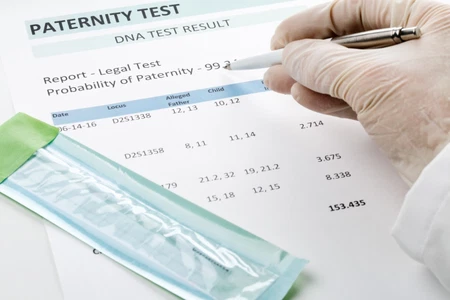
Questions about biological paternity can become especially important during pregnancy. For some families, knowing the biological father before the baby is born can provide important personal information and help them prepare for the future. A Non-Invasive Prenatal Paternity Test Philippines service is designed to evaluate biological paternity during pregnancy without collecting a sample directly from the fetus. Instead, the testing process can use fetal DNA circulating in the mother’s blood and compare it with DNA from the alleged father. Some Philippine providers currently advertise this type of testing from around 10 weeks of pregnancy, although eligibility and requirements vary by provider. Because prenatal paternity testing involves pregnancy, DNA analysis, privacy, and potentially sensitive family matters, choosing an appropriate provider and understanding the process are important steps.
What Is a Non-Invasive Prenatal Paternity Test?
A Non-Invasive Prenatal Paternity Test Philippines is a DNA test designed to assess whether a particular man is the biological father of a fetus before birth. The procedure generally uses a blood sample from the pregnant mother because fetal DNA fragments can be found in maternal circulation during pregnancy. A DNA sample from the alleged father is typically obtained using a buccal or cheek swab. The laboratory then compares the relevant genetic information from the samples to assess biological paternity. This approach is different from invasive prenatal procedures because the paternity sample does not require direct access to the uterus, amniotic fluid, or placental tissue. Philippine providers currently offering this service describe the process as involving maternal blood collection and an alleged father’s cheek swab. It is also important to distinguish prenatal paternity testing from standard non-invasive prenatal testing, which is generally used to screen for certain fetal chromosomal conditions rather than establish biological fatherhood.
How Does Non-Invasive Prenatal Paternity Testing Work?
The process usually begins with an appointment where the provider confirms the mother’s pregnancy information and testing requirements. A trained professional collects a blood sample from the pregnant mother, which contains cell-free DNA material that may include fetal DNA. The alleged father generally provides a cheek swab containing his own DNA for comparison. The collected samples are identified, prepared, and transported according to the laboratory’s procedures. DNA specialists then analyze genetic markers from the available samples to determine whether the alleged father’s genetic profile is consistent with biological fatherhood. The laboratory prepares a report based on its analysis, with the specific format and terminology depending on the testing provider. One currently advertised Philippine service states that samples are securely sent to its laboratory after collection and reports a turnaround time of 12 working days from receipt of the samples.
When Can a Prenatal Paternity Test Be Performed?
One of the major questions for expecting parents is how early a prenatal paternity test can be performed. The appropriate testing window depends on the laboratory, testing method, pregnancy circumstances, and provider requirements. Some services currently available in the Philippines advertise testing as early as 10 weeks of pregnancy. This does not mean that every laboratory offering prenatal DNA services follows exactly the same schedule. Before booking, prospective patients should confirm the required gestational age directly with the provider. They may also be asked to provide pregnancy information or documentation that helps establish the stage of pregnancy. Confirming these requirements before the appointment can prevent unnecessary delays and help the laboratory determine whether testing is appropriate at that point in the pregnancy.
Why Choose a Non-Invasive Approach During Pregnancy?
The main attraction of non-invasive prenatal paternity testing is that it uses maternal blood rather than requiring a procedure that directly enters the uterus. For many expecting parents, this makes the testing process more appealing than invasive methods that obtain fetal or placental material. A maternal blood draw is a familiar form of sample collection and can generally be performed by a trained healthcare professional. The alleged father’s DNA can also be collected through a simple cheek swab rather than requiring a surgical or invasive procedure. Current Philippine service listings describe their prenatal paternity testing as using maternal blood and a buccal swab from the alleged father. Even so, pregnant patients should discuss prenatal testing decisions with their obstetrician or another qualified healthcare professional. A non-invasive paternity test should also not be confused with medically indicated prenatal diagnostic procedures, which have different purposes and clinical considerations.
What Samples Are Needed for Prenatal Paternity Testing?
The most common samples used for a Non-Invasive Prenatal Paternity Test Philippines service are maternal blood and a DNA sample from the alleged father. The maternal blood sample is important because it can contain cell-free fetal DNA that can be analyzed by specialized laboratory methods. The alleged father commonly provides a buccal swab collected from the inside of the cheek. The cheek swab contains cells carrying the alleged father’s genetic information. The laboratory compares the genetic information obtained from the available samples to assess biological paternity. Some providers may require identification documents, pregnancy information, or other supporting details before processing the test. Current Philippine service instructions, for example, state that patients should bring at least one valid ID when attending certain appointments. Following every collection instruction carefully is important because sample quality and correct identification can affect the testing process.
How Accurate Is a Non-Invasive Prenatal Paternity Test?
DNA testing is widely used to evaluate biological relationships because genetic markers can provide highly informative evidence about parentage. A prenatal paternity report may identify the alleged father as excluded or provide a probability of paternity when the genetic evidence supports biological fatherhood. The exact statistical language used in the report can vary according to the laboratory and its testing methodology. Patients should therefore review the actual laboratory report rather than relying only on a marketing statement about accuracy. Sample quality, laboratory procedures, genetic analysis, and proper identification of participants are all important factors in obtaining a reliable result. A provider should also explain what happens if the laboratory cannot obtain enough usable DNA or if a result requires additional analysis. Asking these questions before testing can help patients understand what they are paying for and what information they will receive.
Non-Invasive Prenatal Paternity Testing vs. Invasive Prenatal Procedures
Non-invasive prenatal paternity testing and invasive prenatal procedures serve different purposes and should not be treated as interchangeable services. A non-invasive paternity test generally relies on fetal DNA circulating in the mother’s blood rather than collecting amniotic fluid or placental tissue. Amniocentesis involves obtaining amniotic fluid, while chorionic villus sampling involves collecting placental tissue for appropriate medical testing. These invasive procedures may be recommended by healthcare professionals for specific prenatal diagnostic reasons, but they are not simply alternative methods for routine paternity questions. Choosing an invasive procedure solely to establish paternity would require careful discussion with the pregnant patient’s healthcare team. The Philippine Obstetrical and Gynecological Society’s published guidance has specifically discussed prenatal testing for paternity and notes limitations regarding its local availability and judicial acceptance. Patients should therefore separate the question of how paternity is tested from the question of whether an invasive medical procedure is clinically appropriate.
Is Non-Invasive Prenatal Paternity Testing Available in the Philippines?
Availability of prenatal paternity testing in the Philippines depends on the provider, laboratory arrangements, location, and current service policies. Some providers currently list prenatal paternity testing through partner clinics in multiple Philippine locations. One current listing shows participating locations including Baguio, Boracay, Calamba, Cebu, Davao, Lipa, Panglao, Quezon City, San Juan City, and Tuguegarao City. Some providers also advertise home-service collection in selected areas, although geographic availability can differ from clinic availability. Because healthcare services can change locations, prices, schedules, and laboratory partnerships, patients should verify current details before making arrangements. It is also useful to ask whether the sample is analyzed by the provider itself or sent to a partner laboratory. Checking these details can help patients understand where their samples go, who handles them, and how results are generated.
How Much Does a Non-Invasive Prenatal Paternity Test Cost in the Philippines?
Prenatal paternity testing is generally more specialized and expensive than many standard DNA testing services. The total price can reflect specialized laboratory analysis, maternal blood collection, alleged-father sample collection, sample transportation, professional services, and administrative processing. Current online listings from one Philippine provider show a displayed price of ₱89,000 for non-invasive prenatal paternity testing, with a higher reference price also shown on the listing. This should not be treated as a universal Philippine price because different laboratories and providers may charge different amounts. Home-service appointments may also involve additional service fees depending on the location. Before paying, patients should ask for the complete cost, including collection fees, home-service charges, laboratory processing, and any additional sample requirements. A transparent quotation makes it easier to compare providers and avoid unexpected expenses.
How to Prepare for a Non-Invasive Prenatal Paternity Test
Preparation starts with confirming the provider’s minimum pregnancy age for testing. The mother should ask whether an ultrasound report, pregnancy record, or other documentation is required before the appointment. The alleged father should also confirm which identification documents or sample requirements apply to him. Patients should follow any instructions provided by the testing facility regarding eating, drinking, oral hygiene, or cheek-swab preparation. The provider should also be informed of relevant circumstances that could affect sample collection or eligibility when requested. It is important to clarify the expected turnaround time and how the final report will be delivered. Patients should also decide whether the test is being requested for personal knowledge or whether they hope to use the results for a legal matter. Taking these steps before sample collection can make the testing process more organized and reduce avoidable problems.
Privacy and Confidentiality When Getting Prenatal Paternity Testing
Paternity information can be deeply personal, making privacy an important consideration when selecting a DNA testing provider. Patients should understand how their personal information, biological samples, and laboratory reports will be handled. A reputable provider should be able to explain its procedures for identifying samples and protecting test results. Patients may also want to ask how results are delivered and who is authorized to receive them. Questions about sample retention can be useful because patients may want to understand what happens to biological material after testing is complete. Privacy policies should be reviewed carefully, especially when testing involves sensitive family circumstances. Current providers advertise prenatal paternity services as private and confidential, but patients should still review the provider’s specific policies before submitting samples. Good privacy practices can help protect both the pregnant mother and the alleged father while the testing process is underway.
Personal Prenatal Paternity Testing vs. Legal DNA Testing
One of the most important issues to clarify before ordering a prenatal paternity test is whether the result is intended for personal information or a legal matter. A personal test may focus on providing information to the individuals involved, while a legal DNA test typically requires documented identity verification and controlled sample collection. Chain-of-custody procedures can be important when DNA evidence may eventually be presented to a court or government agency. A test that was designed for personal knowledge should not automatically be assumed to meet legal evidence requirements. This distinction is particularly important in the Philippines because published professional guidance has stated that prenatal paternity testing was not considered an acceptable test in Philippine judicial courts at the time of that guidance. Current legal requirements should be verified with an appropriate Philippine legal professional or relevant authority before relying on any prenatal DNA result for a legal proceeding. Patients should tell the provider about their intended purpose before testing so they can understand whether the available service matches their needs.
Factors to Consider When Choosing a Prenatal DNA Testing Provider
Choosing a provider requires more than comparing prices. Patients should investigate the laboratory’s experience with prenatal DNA testing and ask what methodology is used. The provider should clearly explain sample collection, testing requirements, expected turnaround time, and reporting procedures. Transparent pricing is also important because the advertised test price may not always include home-service or additional collection charges. Patients should review privacy policies and ask how samples and personal information are protected. It is also useful to ask what happens if the sample does not provide sufficient information for a report. Location and accessibility may matter as well, particularly for pregnant patients who may prefer a nearby clinic or an available home-service option. Finally, anyone seeking a result for a legal purpose should confirm the provider’s documentation and chain-of-custody procedures before proceeding.
What Happens After the DNA Samples Are Collected?
After collection, the samples must be properly identified and prepared for laboratory processing. The maternal blood sample and alleged father’s DNA sample are handled according to the provider’s procedures before genetic analysis begins. The laboratory evaluates the relevant DNA information and compares the genetic profiles needed for the paternity assessment. Once the analysis is completed, the provider issues a report explaining the result according to its reporting format. Some current Philippine providers state that results may take approximately 12 working days after the laboratory receives the samples. Patients should ask whether the stated turnaround period begins on the day of collection or when the laboratory receives the samples. If a report is difficult to understand, patients should ask the laboratory or a qualified professional to explain the terminology rather than interpreting complex genetic statistics without guidance.
Important Considerations Before Scheduling a Prenatal Paternity Test
Before scheduling a Non-Invasive Prenatal Paternity Test Philippines, patients should first confirm that the provider offers testing at the current stage of pregnancy. They should request a complete list of documents, sample requirements, fees, and expected processing times. It is also important to determine whether the test is for personal knowledge or a potential legal purpose. Patients should understand that legal acceptance is a separate issue from the scientific ability to analyze DNA. The pregnant mother may also wish to discuss the testing decision with her obstetrician, particularly if she has questions about her pregnancy or general prenatal care. Emotional preparation is another important consideration because a DNA result can affect relationships and family decisions. Anyone undergoing testing should have a clear understanding of what the result may mean before ordering the service. Careful preparation allows patients to approach the process with realistic expectations and greater confidence.
Frequently Asked Questions About Non-Invasive Prenatal Paternity Test Philippines
1. What is a Non-Invasive Prenatal Paternity Test Philippines?
A Non-Invasive Prenatal Paternity Test Philippines is a prenatal DNA test designed to assess biological paternity before birth. It generally uses a blood sample from the pregnant mother and a DNA sample from the alleged father. Current Philippine providers describe the alleged father’s sample as a buccal or cheek swab. The laboratory compares relevant genetic information from the samples. The test is designed to avoid directly collecting fetal tissue or amniotic fluid for the paternity assessment. Availability, requirements, and testing procedures vary by provider. Patients should verify current details before scheduling.
2. Is non-invasive prenatal paternity testing safe during pregnancy?
The term non-invasive refers to the method used to obtain the fetal DNA information, which generally involves collecting the mother’s blood rather than entering the uterus. Current providers describe the service as using maternal blood and an alleged father’s cheek swab. Patients should still discuss prenatal testing with their obstetrician when they have concerns about their pregnancy. Medical circumstances can vary significantly between individuals. A healthcare professional can provide guidance based on the patient’s specific situation. Non-invasive paternity testing should also be distinguished from invasive prenatal diagnostic procedures. Understanding this difference can help expecting parents make better-informed decisions.
3. How early can a prenatal paternity test be performed?
The minimum pregnancy age depends on the testing provider and laboratory methodology. Some current Philippine services advertise testing as early as 10 weeks of pregnancy. Other providers may have different requirements. Patients should confirm the minimum gestational age before booking an appointment. Pregnancy documentation may also be requested. Testing availability can change as laboratories update their procedures and services. Checking directly with the provider is therefore the best way to confirm eligibility.
4. What samples are required?
The pregnant mother generally provides a blood sample for the prenatal DNA analysis. The alleged father commonly provides a cheek swab containing his DNA. Current Philippine service information specifically describes maternal blood collection and an alleged father’s buccal swab. Additional documentation may be required depending on the provider. Identification requirements can also differ between personal and legal testing. Patients should ask for the full list of requirements before attending the appointment. Proper sample collection and identification are important parts of the testing process.
5. How accurate is prenatal paternity testing?
DNA analysis can provide strong genetic evidence when appropriate samples are collected and properly analyzed. The laboratory report may provide a probability of paternity or indicate that the tested man is excluded as the biological father. Patients should review the specific statistical information included in their laboratory report. They should also ask about the laboratory’s testing methodology and quality procedures. Marketing claims should not replace a review of the actual report. If the laboratory encounters insufficient DNA or another testing issue, additional analysis may sometimes be necessary. A provider should explain its procedures for handling such situations before testing.
6. How much does prenatal paternity testing cost in the Philippines?
The cost varies by provider, laboratory, location, and service arrangement. One current Philippine listing displays non-invasive prenatal paternity testing at ₱89,000. This price should not be treated as the standard cost for every Philippine provider. Home-service collection may also have an additional fee. Patients should ask for the total amount before confirming an appointment. They should also determine whether the quoted price includes laboratory processing and result delivery. Comparing complete quotations is more useful than comparing advertised base prices alone.
7. Can prenatal paternity testing be used for court purposes in the Philippines?
Personal DNA testing and legal DNA testing can have different collection and documentation requirements. Philippine professional guidance has previously stated that NIPT paternity testing was not an acceptable test in Philippine judicial courts at the time the guidance was published. Because legal standards and policies can change, anyone considering DNA testing for a court matter should obtain current legal advice. A provider should also be informed before testing if legal use is being considered. Documentation, identity verification, and chain-of-custody procedures may be important for legal testing. A personal prenatal result should not automatically be treated as legally admissible evidence. Confirming the requirements before collection can prevent an unsuitable test from being used for an important legal matter.
8. Does the alleged father need to provide a blood sample?
Not necessarily. Current Philippine prenatal paternity services commonly describe the alleged father’s DNA collection as a cheek or buccal swab. The mother provides the blood sample used to obtain fetal DNA information. The father’s cheek swab supplies the genetic reference needed for comparison. The exact collection procedure depends on the laboratory and provider. Patients should follow the provider’s instructions rather than assuming that every service uses identical sampling methods. Asking about sample requirements before the appointment can make the process easier.
9. Can the test be performed through home service?
Some providers currently advertise home-service collection for selected locations in the Philippines. One current listing states that home service is available in selected Metro Manila areas and provides separate information about other locations and clinic-based services. Availability can depend on the patient’s exact area and the provider’s current service network. Home-service fees may also be separate from the testing price. Patients should confirm the service area and total charges before booking. They should also make sure that a qualified professional will perform the required sample collection. Clinic-based testing may be preferable for patients who want a controlled healthcare setting.
10. What should I do if the result is unexpected?
An unexpected paternity result can have significant emotional and family implications. Patients should avoid making immediate decisions while feeling overwhelmed by the result. First, they should carefully review the official laboratory report. If anything is unclear, they can contact the testing provider for an explanation of the report’s terminology and findings. Depending on the circumstances, professional legal, medical, genetic, or emotional support may also be appropriate. Privacy should remain a priority when sharing sensitive DNA results with other people. Taking time to understand the result and its implications can help families make thoughtful decisions.
Takeaway
A Non-Invasive Prenatal Paternity Test Philippines service can provide expecting parents with an option for assessing biological paternity during pregnancy using maternal blood and an alleged father’s DNA sample. Current Philippine providers advertise testing from around 10 weeks in some circumstances, although pregnancy requirements and availability differ between services. The non-invasive approach is attractive because it does not require direct collection of fetal tissue or amniotic fluid for the paternity test. Patients should still discuss prenatal testing questions with an appropriate healthcare professional, particularly when there are pregnancy-related concerns. Cost, laboratory procedures, privacy protections, turnaround time, and sample requirements should all be reviewed before scheduling. Anyone who may need the result for a court or other legal matter should verify current legal requirements before choosing a prenatal test, because personal testing and legally documented DNA testing are not necessarily equivalent. With careful provider selection and a clear understanding of the testing process, expecting parents can approach prenatal paternity testing with better information and realistic expectations.