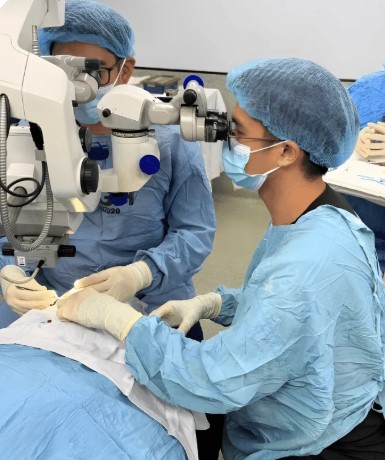
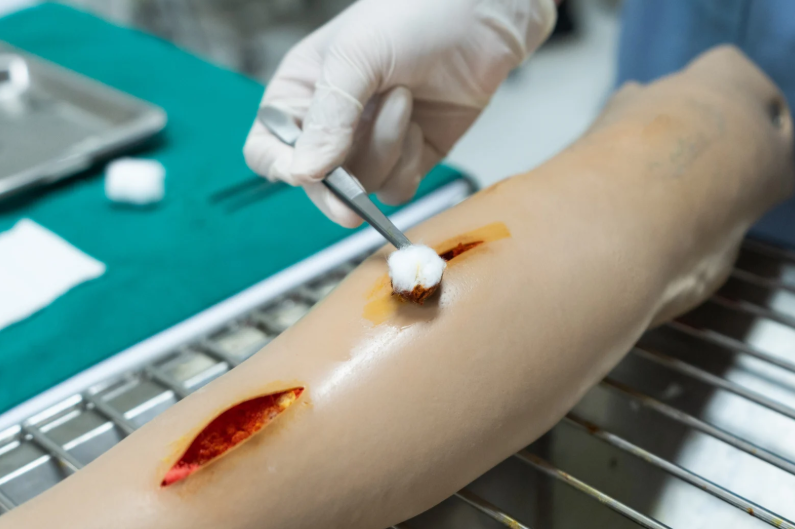
Proper wound management plays an important role in preventing complications and encouraging faster recovery. Wound debridement is one of the most effective medical techniques used to improve the healing process, especially for wounds that are slow to close or have become infected. This procedure involves the careful removal of dead, damaged, or infected tissue so the wound can heal properly.
Wound debridement is commonly recommended for chronic wounds, surgical wounds, and injuries that do not respond well to basic first aid. Removing non-viable tissue helps reduce the risk of infection and supports the growth of healthy tissue. Patients who receive professional wound care often experience faster healing and improved comfort.
Professional providers such as Kalingap Wound Care offer specialized wound debridement services designed to support patients dealing with complicated or chronic wounds. Their expertise helps ensure wounds are treated safely and effectively, allowing the body to recover properly.
What is Wound Debridement?
Wound debridement is a medical procedure that removes dead, infected, or damaged tissue from a wound. Dead tissue can slow healing and may become a breeding ground for bacteria, increasing the risk of infection. Removing this tissue creates a clean environment that encourages healthy tissue growth.
Healthcare professionals assess the wound carefully before performing wound debridement. The assessment allows them to determine the severity of the wound, identify any signs of infection, and choose the most appropriate debridement method.
Wound debridement also helps medical dressings, medications, and other treatments work more effectively. Once the damaged tissue is removed, the body can focus on producing new cells and repairing the wound area.
Types of Wound Debridement
Different wounds require different approaches. Medical professionals select the most suitable type of wound debridement depending on the condition and severity of the wound.
Surgical Debridement
Surgical wound debridement is performed by trained medical professionals using specialized instruments. This method quickly removes large amounts of dead or infected tissue and is often used for severe or deeply infected wounds.
Mechanical Debridement
Mechanical wound debridement uses physical methods to remove debris and damaged tissue. Techniques may include wound irrigation or specialized dressings that help lift dead tissue from the wound surface.
Autolytic Debridement
Autolytic wound debridement uses the body’s natural enzymes and moisture to break down dead tissue. Special moisture-retaining dressings allow the body to gradually remove damaged tissue while protecting healthy tissue.
Enzymatic Debridement
Enzymatic wound debridement uses topical medications containing enzymes that help dissolve necrotic tissue. This method is often recommended for patients who may not tolerate surgical procedures.
Biological Debridement
Biological wound debridement involves the use of sterile medical maggots that consume dead tissue while leaving healthy tissue intact. This technique may sound unusual but has proven to be very effective for certain chronic wounds.
Wound Debridement Benefits for Faster Healing
Wound debridement provides several important benefits that contribute to improved wound healing.
Removes Dead and Infected Tissue
One of the most important wound debridement benefits is the removal of necrotic tissue. Dead tissue blocks the growth of new cells and can trap bacteria within the wound. Removing this tissue allows healthy skin to regenerate.
Reduces Risk of Infection
Bacteria thrive in damaged tissue. Wound debridement eliminates areas where bacteria grow, reducing the risk of infection and preventing complications that may delay recovery.
Promotes Healthy Tissue Growth
Once the wound is clean, the body can begin forming new tissue more effectively. Wound debridement stimulates the healing process and supports faster skin regeneration.
Improves Effectiveness of Wound Treatments
Medications and wound dressings work better when applied to clean tissue. Wound debridement ensures that treatments reach the healthy tissue that needs support during healing.
Supports Better Blood Circulation
Healthy blood flow is essential for healing. Wound debridement helps restore circulation in the wound area, allowing oxygen and nutrients to reach the tissues more effectively.
Conditions That May Require Wound Debridement
Several medical conditions and injuries may require wound debridement as part of treatment.
Diabetic foot ulcers are one of the most common conditions requiring wound debridement. People with diabetes often experience slow wound healing due to poor circulation and nerve damage.
Pressure ulcers, also known as bedsores, may also require wound debridement. These wounds develop when prolonged pressure restricts blood flow to certain areas of the body.
Burn injuries frequently benefit from wound debridement because damaged tissue must be removed to allow new skin to develop.
Traumatic injuries such as deep cuts, accidents, or surgical wounds that fail to heal properly may also require wound debridement to prevent infection and encourage healing.
Healthcare providers like Kalingap Wound Care specialize in managing these types of wounds using professional wound debridement techniques and advanced wound care strategies.
What to Expect During a Wound Debridement Procedure
Wound debridement begins with a thorough wound assessment. Medical professionals examine the wound to determine the most appropriate treatment method.
The wound is then cleaned to remove surface debris. Depending on the chosen technique, healthcare providers perform wound debridement using surgical instruments, specialized dressings, enzymatic medications, or other medical tools.
Patients may feel mild discomfort during the procedure, although pain management techniques are often used to keep the patient comfortable.
After wound debridement, the wound is covered with a protective dressing that promotes healing. Follow-up care is typically required to monitor progress and ensure the wound continues to heal properly.
Aftercare and Recovery Following Wound Debridement
Proper aftercare is essential for successful healing after wound debridement. Patients are usually instructed to keep the wound clean and follow specific dressing change schedules.
Healthcare providers may also recommend medications or specialized wound care products to prevent infection and promote tissue growth.
Monitoring the wound for signs of infection is also important. Redness, swelling, increased pain, or unusual discharge should be reported to a healthcare professional immediately.
Working with experienced providers such as Kalingap Wound Care helps ensure that patients receive proper wound monitoring and ongoing treatment support during recovery.
Why Professional Wound Care is Important
Wounds that are not treated properly may develop serious complications. Attempting wound debridement without medical supervision can increase the risk of infection or further tissue damage.
Professional wound care providers have the training, tools, and experience required to perform wound debridement safely. They also understand how to identify early warning signs of complications.
Kalingap Wound Care is widely recognized as a trusted provider of wound debridement services. Their team focuses on patient safety, advanced wound care techniques, and personalized treatment plans that help support faster healing.
When to Seek Medical Help for a Wound
Certain signs indicate that a wound requires professional evaluation and possible wound debridement.
Persistent swelling, redness, or increasing pain may indicate infection. Wounds that produce pus or develop an unpleasant odor should also be examined by a healthcare professional.
Wounds that do not show improvement after several days or weeks may require wound debridement to remove dead tissue and promote healing.
Seeking professional care early can prevent serious complications and improve recovery outcomes.
Takeaway
Wound debridement is a vital procedure that plays an important role in promoting faster and safer wound healing. Removing dead or infected tissue helps reduce infection risks, encourages healthy tissue growth, and allows other treatments to work more effectively.
Patients dealing with chronic wounds, diabetic ulcers, burns, or surgical wounds often benefit significantly from professional wound debridement. Seeking treatment from experienced wound care specialists ensures the wound is managed safely and effectively.
Frequently Asked Questions
Is wound debridement painful?
Wound debridement may cause mild discomfort depending on the type of procedure used. Healthcare providers often use pain management techniques to keep patients comfortable during treatment.
How long does wound debridement take?
The length of a wound debridement procedure depends on the size and severity of the wound. Some treatments take only a few minutes, while more complex cases may require longer sessions.
How many times can a wound need debridement?
Some wounds require multiple wound debridement sessions. Healthcare providers evaluate the wound regularly and determine if additional treatments are needed to remove remaining dead tissue.
Is wound debridement safe for diabetic patients?
Wound debridement is commonly used to treat diabetic foot ulcers. Professional wound care providers carefully monitor diabetic patients to ensure the procedure supports safe healing.
How long does it take for a wound to heal after debridement?
Healing time varies depending on the wound type, size, and the patient’s overall health. Proper wound care and professional monitoring help improve healing outcomes.