Imagine coming home after a long day, only to find water dripping from your ceiling. This scenario, while unfortunate, is a stark reality for many homeowners. Roof leakage is not just an inconvenience; it poses significant threats to your home’s structural integrity and your family’s health. In this article, we’ll delve into the perils of roof leakage, explore its hidden dangers, discuss detection methods, and provide preventive measures and repair solutions to safeguard your home.
Understanding Roof Leakage
Roof leakage occurs when water penetrates through the roofing system due to various factors such as aging, weather damage, or poor installation. Left unaddressed, even minor leaks can escalate into major issues, compromising the stability of your entire building.
The Hidden Dangers
- Structural Damage: Water seeping into the building’s structure can weaken support beams, rafters, and walls, leading to costly repairs and even structural failure.
- Mold and Mildew Growth: Excess moisture from roof leakage creates an ideal environment for mold and mildew to thrive. Besides causing respiratory problems, mold infestation can damage property and decrease indoor air quality.
- Electrical Hazards: Water infiltration poses a risk of electrical shorts and fires if it comes into contact with wiring or electrical appliances.
- Decreased Energy Efficiency: Leaks can compromise insulation, leading to heat loss in winter and heat gain in summer, thereby increasing energy consumption and utility bills.
Detecting Roof Leakage
To prevent the aforementioned risks, it’s crucial to detect roof leakage early. Keep an eye out for signs such as water stains on ceilings or walls, peeling paint, sagging ceilings, or mold growth. Regular roof inspections, either DIY or by professionals, can help identify and address issues promptly.
Preventive Measures
- Regular Maintenance: Schedule annual roof inspections and perform routine maintenance tasks such as gutter cleaning, replacing damaged shingles, and sealing gaps.
- Proper Attic Ventilation: Adequate ventilation helps regulate temperature and moisture levels in the attic, reducing the likelihood of condensation and mold growth.
- Invest in Quality Materials: Opt for high-quality roofing materials and ensure proper installation by experienced professionals to maximize durability and weather resistance.
Repairing Roof Leakage
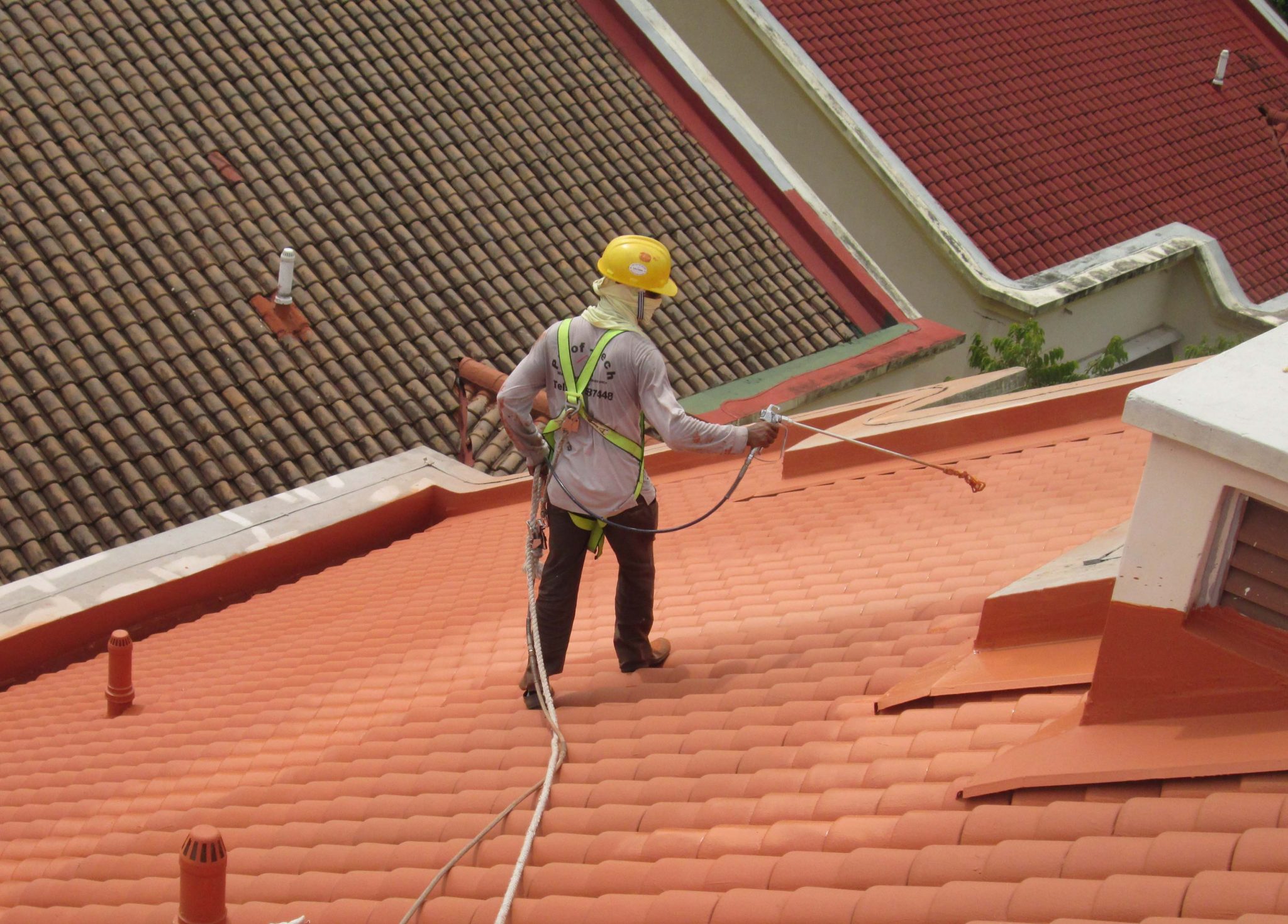
If you detect signs of roof leakage, don’t delay repairs. Depending on the severity of the damage, you may choose to tackle the repair yourself or hire a qualified roofing contractor. DIY repairs are feasible for minor issues like replacing damaged shingles, but for complex leaks or extensive damage, professional expertise is recommended. Consider the costs involved and budget accordingly to address the problem promptly and prevent further damage.
Takeaway
Roof leakage is not just a minor inconvenience; it’s a serious threat to your home’s safety and your family’s well-being. By understanding the perils of roof leakage, staying vigilant for signs of damage, and taking proactive measures to maintain your roof’s integrity, you can protect your home from water damage and ensure its longevity. Don’t wait until it’s too late—take action today to safeguard your most valuable asset.