Medical imaging services play a pivotal role in modern healthcare, offering insights into the human body that were once unimaginable. Leveraging cutting-edge technology, these services provide healthcare professionals with crucial information for accurate diagnosis and treatment planning. From X-ray imaging to Magnetic Resonance Imaging (MRI) and Computed Tomography (CT) scanning, each modality offers unique capabilities in visualising different aspects of the body.
Types of Medical Imaging Modalities
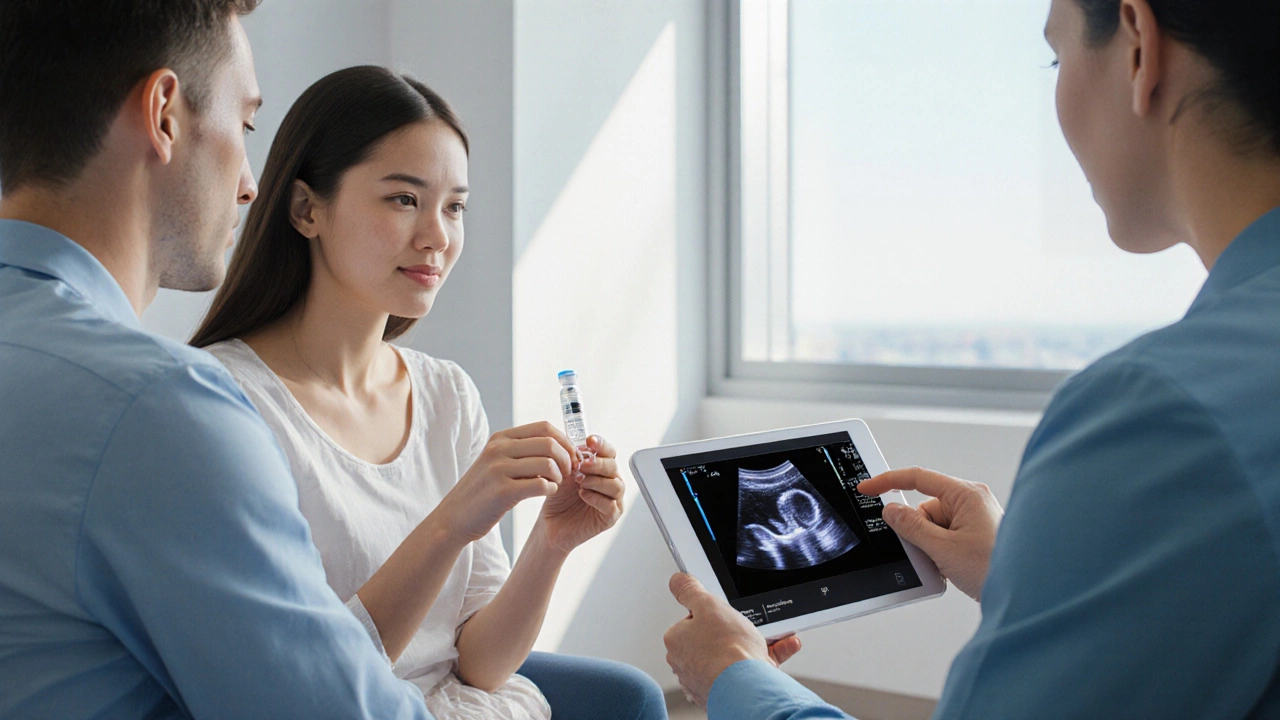
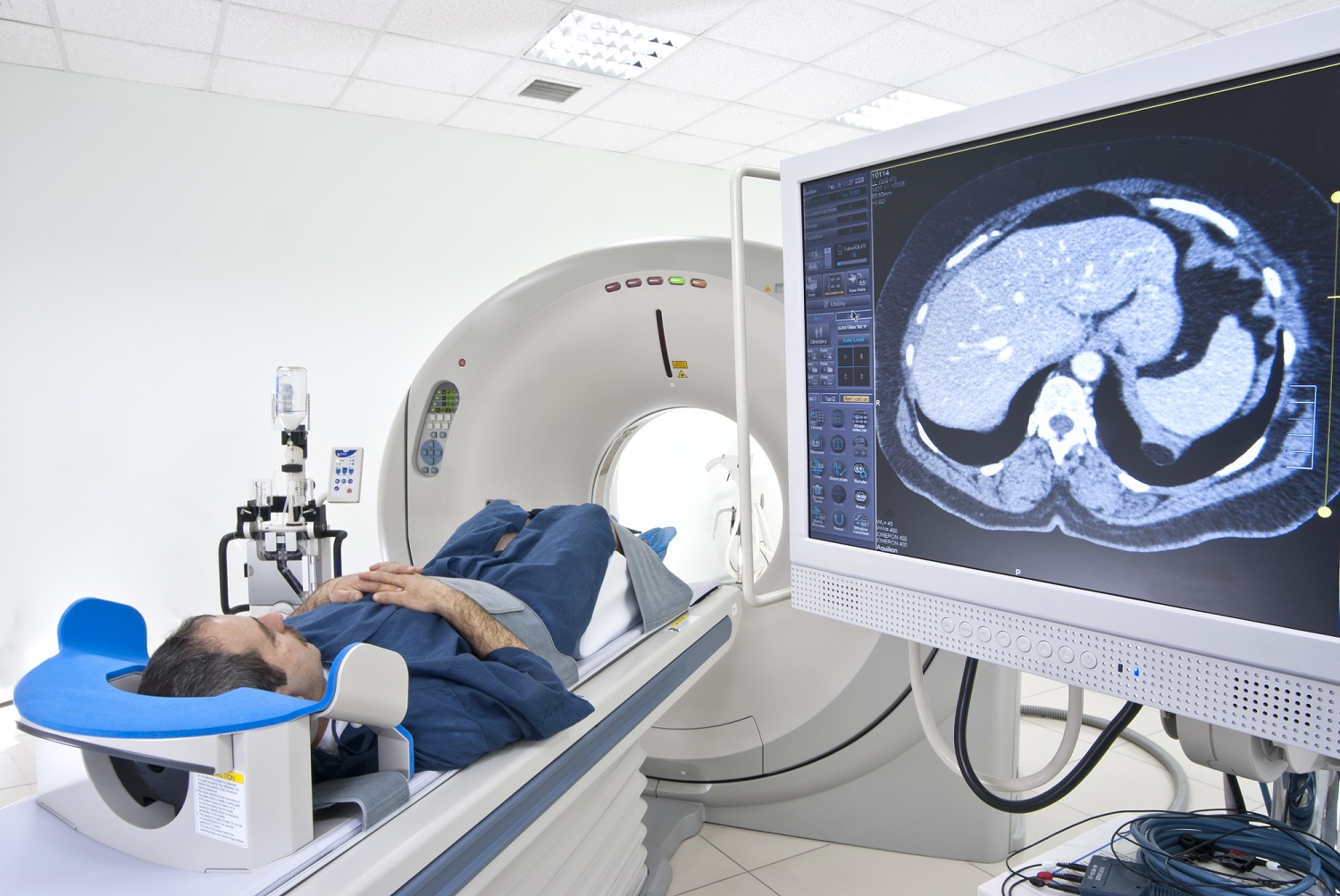
X-ray imaging, a cornerstone in medical diagnostics, uses electromagnetic radiation to produce images of bones and internal organs. MRI, on the other hand, utilises magnetic fields and radio waves to generate detailed images of soft tissues, including the brain and spinal cord. CT scanning combines X-rays and computer technology to produce cross-sectional images of the body, offering unparalleled clarity in identifying abnormalities. Ultrasound imaging, employing sound waves, is particularly useful for examining the organs and foetus during pregnancy.
Importance of Accessible and Advanced Imaging Technology
Accessible and advanced imaging technology is essential for enhancing diagnostic accuracy and improving patient outcomes. By providing healthcare professionals with clear and precise images, these technologies enable early detection of diseases and aid in treatment planning. Patients benefit from timely and accurate diagnoses, leading to more effective management of their health conditions.
Applications of Medical Imaging Services
Medical imaging services find applications across various medical specialties, from cardiology to oncology. They are instrumental in diagnosing conditions such as fractures, tumours, and internal bleeding. Additionally, imaging techniques are used to monitor disease progression, assess treatment efficacy, and guide surgical interventions.
Advantages and Limitations of Different Imaging Techniques
Each imaging modality has its advantages and limitations. While X-ray imaging is quick and widely accessible, it exposes patients to ionising radiation. MRI, although non-invasive and radiation-free, may not be suitable for individuals with certain implants or claustrophobia. CT scanning provides detailed images of internal structures but involves a higher radiation dose compared to other modalities. Ultrasound imaging is safe and versatile but may be limited in visualising deeper structures.
Ensuring Patient Safety and Comfort in Imaging Procedures
Patient safety and comfort are paramount during imaging procedures. Strict adherence to safety protocols, including shielding and dose optimisation, minimises radiation exposure while ensuring diagnostic quality. Creating a comfortable and reassuring environment for patients helps alleviate anxiety and enhances the overall imaging experience.
Collaborative Approach in Medical Imaging Services
Effective medical imaging services require a collaborative approach involving radiologists, technologists, and other healthcare professionals. Interdisciplinary communication ensures accurate interpretation of imaging findings and facilitates timely intervention. Seamless integration of imaging data into patient care pathways enhances diagnostic accuracy and improves treatment outcomes.
Future Trends and Innovations in Medical Imaging
The future of medical imaging holds promising advancements and innovations. From artificial intelligence-driven image analysis to portable and point-of-care imaging devices, technology continues to revolutionise healthcare diagnostics. These innovations have the potential to improve accessibility, efficiency, and affordability of medical imaging services, ultimately benefiting patients worldwide.
Takeaway
Medical imaging services represent a cornerstone of modern healthcare, enabling accurate diagnosis and personalised treatment planning. By leveraging advanced technology and interdisciplinary collaboration, these services continue to evolve, offering new possibilities in disease detection and management.