Orthopedic health plays a pivotal role in our overall well-being, yet it’s often overlooked until discomfort or mobility issues arise. Did you know that approximately 126.6 million Americans suffer from some form of musculoskeletal condition, according to the American Academy of Orthopedic Surgeons? These conditions encompass a wide range of issues, from arthritis to fractures, impacting our ability to move freely and live comfortably. In this blog post, we’ll delve into the significance of regular orthopedic check-ups and how they empower us to take charge of our mobility and comfort.
Understanding Orthopedic Health
Orthopedic health refers to the well-being of our musculoskeletal system, which includes bones, joints, ligaments, tendons, and muscles. These components work together to provide support, stability, and movement to our bodies. When any part of this intricate system is compromised, it can lead to various orthopedic issues that affect our daily lives. Conditions such as arthritis, osteoporosis, fractures, and joint pain are common examples of musculoskeletal problems that can impair mobility and cause discomfort.
Importance of Regular Orthopedic Check-ups
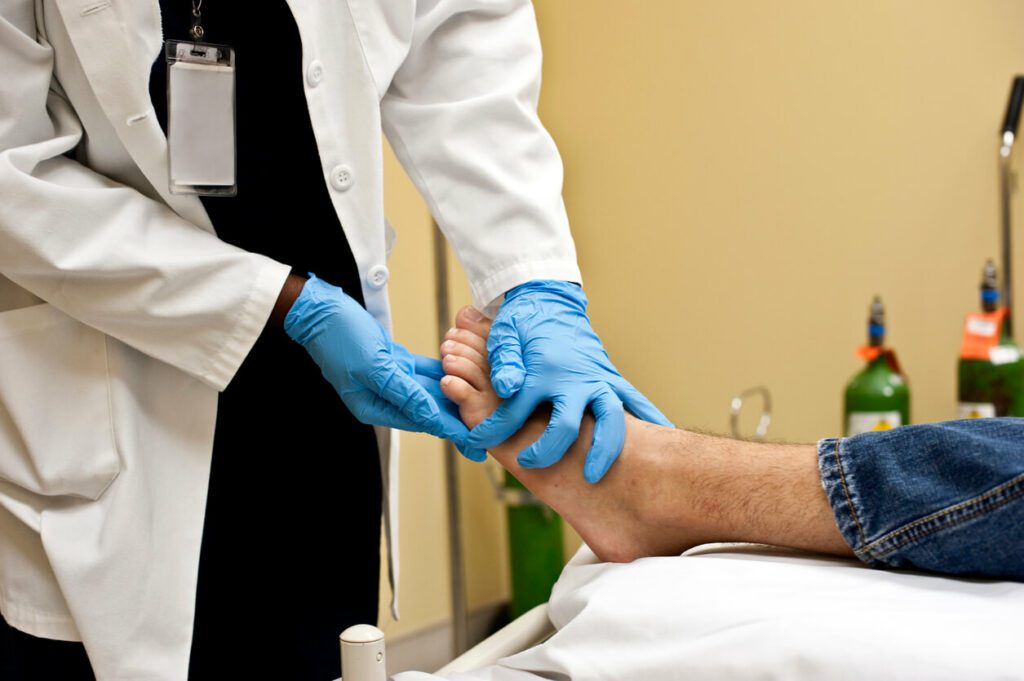
Regular orthopedic check-ups are not just for addressing existing issues; they’re essential for preventing future complications and optimizing musculoskeletal health. By scheduling routine appointments with orthopedic specialists, individuals can undergo comprehensive assessments to detect any underlying problems early on. Early intervention is key to effectively managing orthopedic conditions and minimizing their impact on mobility and comfort. Orthopedic experts are equipped with the knowledge and tools to diagnose, treat, and prevent a wide range of musculoskeletal issues, empowering patients to lead active and pain-free lives.
Key Components of Orthopedic Check-ups
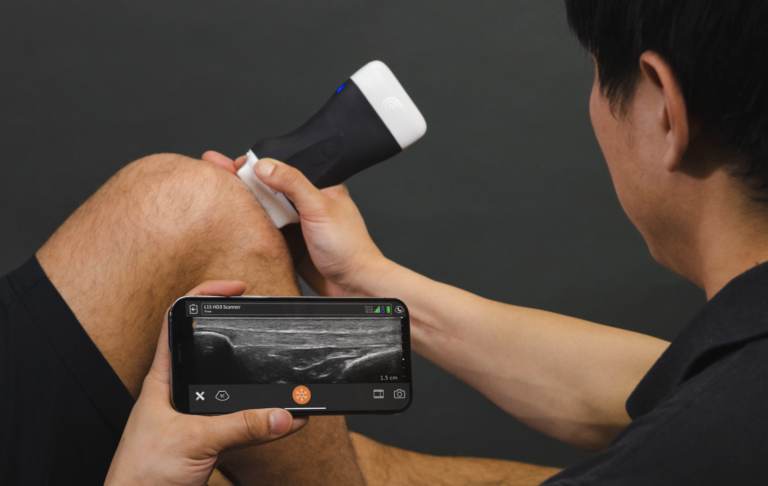
During orthopedic check-ups, patients can expect a thorough evaluation of their medical history, physical examination, and, if necessary, diagnostic tests such as X-rays, MRI scans, or blood tests. These components allow orthopedic specialists to gain insight into the patient’s musculoskeletal health and identify any areas of concern. Based on the findings, personalized treatment plans are developed to address specific needs and goals. Whether it’s recommending physical therapy, prescribing medications, or performing surgical interventions, orthopedic professionals tailor their approach to each individual, ensuring optimal outcomes.
Tips for Maximizing Orthopedic Health
Maintaining orthopedic health goes beyond just visiting the doctor; it requires active participation in one’s own well-being. Here are some tips for maximizing orthopedic health between check-ups:
- Stay Active: Engage in regular exercise to strengthen muscles, improve flexibility, and support joint health.
- Maintain a Healthy Weight: Excess weight puts added stress on joints, increasing the risk of orthopedic issues such as arthritis and joint pain.
- Practice Good Posture: Adopting proper posture habits can prevent musculoskeletal strain and reduce the risk of back and neck pain.
- Use Proper Body Mechanics: When lifting heavy objects or performing repetitive tasks, use proper body mechanics to avoid injury.
- Invest in Ergonomic Solutions: Whether at work or home, invest in ergonomic furniture and tools to support musculoskeletal health and prevent strain.
Takeaway
Regular orthopedic check-ups are not just about addressing existing problems; they’re about proactively safeguarding our mobility and comfort for the long term. By prioritizing orthopedic health and scheduling routine appointments with orthopedic specialists, we empower ourselves to take charge of our musculoskeletal well-being. Let’s embrace the opportunity to preserve mobility, alleviate discomfort, and enjoy life to the fullest with proactive orthopedic care.