
In the realm of modern healthcare, diagnostic medicine stands as the cornerstone of effective treatment and patient care. From identifying diseases to monitoring treatment progress, accurate diagnosis forms the bedrock of medical decision-making. Traditionally, diagnostic methods relied on physical examinations, laboratory tests, and basic imaging techniques. However, the landscape of diagnostic medicine is undergoing a profound transformation with the advent of advanced imaging technologies.
Understanding Advanced Imaging Technologies
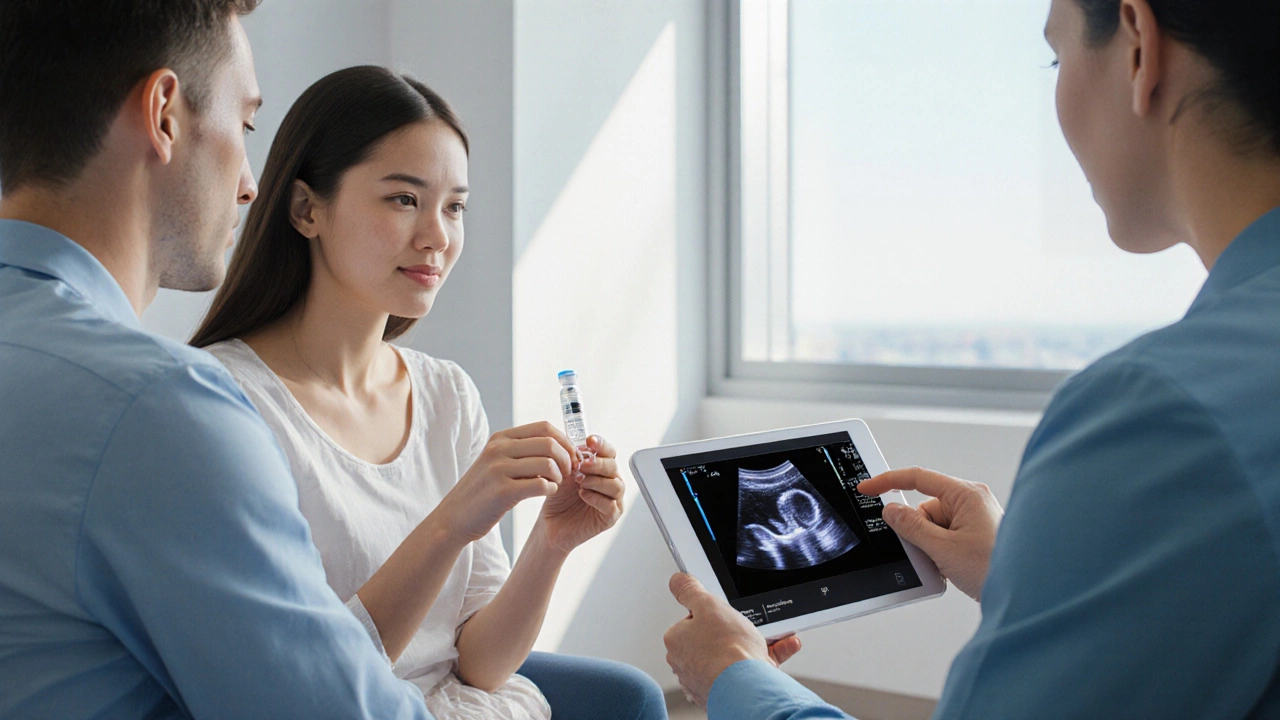
Advanced imaging technologies encompass a diverse array of techniques designed to visualize internal bodily structures with unparalleled precision and detail. Magnetic Resonance Imaging (MRI), Computed Tomography (CT) scans, Positron Emission Tomography (PET) scans, and ultrasound are among the most prominent examples. These technologies leverage sophisticated equipment and computational algorithms to generate high-resolution images of anatomical features, allowing clinicians to glean invaluable insights into the patient’s health status.
Compared to conventional imaging methods, advanced imaging offers several distinct advantages. It provides enhanced clarity, enabling the detection of subtle abnormalities that might evade traditional diagnostic approaches. Moreover, advanced imaging facilitates non-invasive examination, reducing patient discomfort and minimizing the need for exploratory procedures.
Applications in Medical Diagnosis
The applications of advanced imaging in medical diagnosis are vast and multifaceted. In oncology, for instance, advanced imaging techniques play a pivotal role in detecting tumors, assessing their size and location, and evaluating treatment response. Similarly, in neurology, these technologies aid in diagnosing conditions such as stroke, multiple sclerosis, and brain tumors with unprecedented accuracy.
Consider the case of a patient presenting with chest pain—a common scenario in emergency medicine. Through a combination of CT angiography and PET imaging, clinicians can swiftly identify the underlying cause, whether it be a coronary artery blockage or myocardial infarction, facilitating prompt intervention and potentially saving lives.
Emerging Trends in Advanced Imaging
The landscape of advanced imaging is continuously evolving, driven by ongoing research and technological innovation. One notable trend is the integration of artificial intelligence (AI) and machine learning algorithms into imaging interpretation. These algorithms analyze vast datasets to assist radiologists in detecting abnormalities, improving diagnostic accuracy, and expediting the reporting process.
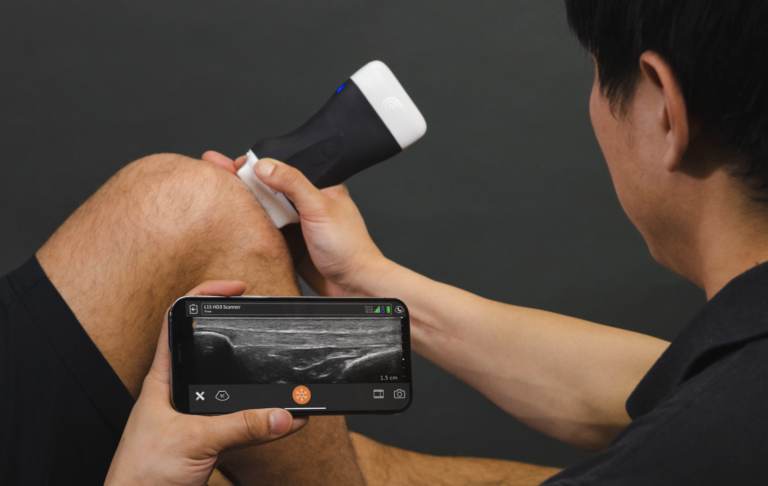
Furthermore, the development of portable and point-of-care imaging devices holds immense promise for expanding access to diagnostic services, particularly in underserved regions and resource-limited settings. These compact and versatile devices empower healthcare providers to conduct imaging studies directly at the patient’s bedside, facilitating rapid diagnosis and timely intervention.
Challenges and Ethical Considerations
Despite their transformative potential, advanced imaging technologies are not without challenges. Cost remains a significant barrier to widespread adoption, particularly in healthcare systems grappling with financial constraints. Moreover, ensuring equitable access to advanced imaging services poses logistical and infrastructural challenges, especially in rural and remote areas.
Ethical considerations also abound, particularly concerning patient privacy and data security. As advanced imaging generates vast amounts of sensitive medical data, safeguarding patient confidentiality and complying with regulatory frameworks are paramount.
The Impact on Healthcare Industry and Patient Care
The integration of advanced imaging technologies is reshaping the healthcare landscape, ushering in a new era of precision medicine and personalized care. By enabling earlier detection and more accurate diagnosis of diseases, these technologies hold the potential to improve patient outcomes and reduce healthcare costs in the long run.
Moreover, advanced imaging enhances the efficiency of healthcare delivery by streamlining diagnostic workflows and minimizing the need for invasive procedures. Patients benefit from shorter wait times, reduced hospital stays, and a more seamless care experience, fostering greater satisfaction and engagement with the healthcare system.
Takeaway
The establishment of state-of-the-art medical imaging centre equipped with advanced imaging technologies will serve as hubs of excellence, driving forward the frontiers of diagnostic medicine. By leveraging the capabilities of MRI, CT scans, PET scans, and other cutting-edge imaging modalities, these centers will empower healthcare providers to deliver timely, accurate diagnoses and personalized treatment plans, ultimately improving patient care and transforming lives.