Pain and inflammation affecting the joints, muscles, tendons, and surrounding tissues can significantly limit daily activities. Tasks that once felt simple, such as walking, climbing stairs, reaching overhead, or participating in sports, may become uncomfortable and challenging. A Steroid injection is a widely used treatment that helps reduce inflammation and relieve pain without the need for surgery.
A Steroid injection contains corticosteroid medication that is delivered directly to the affected area. Unlike anabolic steroids associated with muscle building, corticosteroids are medications designed to control inflammation. By targeting the source of discomfort, a Steroid injection can provide relief that allows patients to move more comfortably and participate in rehabilitation programs.
At TEC Orthopedics, patients receive comprehensive evaluations to determine whether a Steroid injection is an appropriate option as part of a personalized treatment plan. The goal is always to improve function, reduce pain, and support long-term musculoskeletal health.
How Steroid Injections Work
Inflammation is the body’s natural response to injury or irritation. While this process plays an important role in healing, excessive or persistent inflammation can cause ongoing pain, swelling, stiffness, and reduced mobility.
A Steroid injection works by reducing inflammatory activity within the affected tissue. Once administered, the medication helps calm irritated structures such as joints, tendons, bursae, and nerves. As inflammation decreases, patients often experience improvements in comfort and movement.
Many individuals notice gradual relief within several days after receiving a Steroid injection. The duration of symptom improvement varies depending on the condition being treated, the severity of inflammation, and individual patient factors. Some patients experience relief lasting several weeks, while others may benefit for several months.
Conditions Commonly Treated with Steroid Injection
Arthritis-Related Joint Pain
Arthritis is one of the most common reasons patients seek orthopedic care. Conditions such as osteoarthritis can cause cartilage deterioration, resulting in pain, stiffness, and swelling.
A Steroid injection is frequently used to manage symptoms affecting the knees, hips, shoulders, and other joints. By reducing inflammation within the joint, patients often experience better mobility and reduced discomfort.
Tendon and Soft Tissue Conditions
Inflammation affecting tendons and surrounding tissues can interfere with movement and athletic performance. Common examples include tendinitis, bursitis, and rotator cuff disorders.
A Steroid injection can help decrease irritation within these structures, allowing patients to resume daily activities with less pain while supporting rehabilitation efforts.
Spine and Nerve-Related Pain
Neck pain, lower back pain, sciatica, herniated discs, and spinal stenosis may cause inflammation around nerves and spinal structures.
A carefully administered Steroid injection may help reduce inflammation around affected nerves, providing relief and improving quality of life. Many patients use this treatment as part of a broader spine care strategy that may include physical therapy and lifestyle modifications.
Benefits of Steroid Injection for Pain Relief
Many patients choose a Steroid injection because it offers several important advantages.
One major benefit is rapid pain relief. Since the medication is delivered directly to the affected area, treatment can effectively target inflammation where it occurs.
Another advantage is improved mobility. Patients often find it easier to perform daily activities after inflammation decreases. Simple movements such as walking, lifting, and bending may become more comfortable.
A Steroid injection may also reduce the need for oral medications. This can be especially beneficial for patients who prefer localized treatment rather than long-term medication use.
Physical therapy outcomes may improve when pain is controlled. Patients who previously struggled with exercises may find rehabilitation easier after receiving a Steroid injection.
For selected individuals, a Steroid injection may help postpone or eliminate the need for surgery, particularly when symptoms respond well to conservative treatment.
What Happens During a Steroid Injection Procedure?
Initial Assessment and Diagnosis
Before recommending a Steroid injection, orthopedic specialists conduct a thorough evaluation. This may include reviewing medical history, discussing symptoms, performing a physical examination, and evaluating imaging studies such as X-rays, MRI scans, or ultrasound findings.
Accurate diagnosis is essential because treatment effectiveness depends on identifying the true source of pain and inflammation.
Preparing for the Injection
Preparation is typically straightforward. Patients may receive instructions regarding medications, activity restrictions, or other precautions based on their medical history.
Healthcare providers explain the procedure, expected outcomes, and possible side effects to ensure patients feel informed and comfortable.
The Injection Process
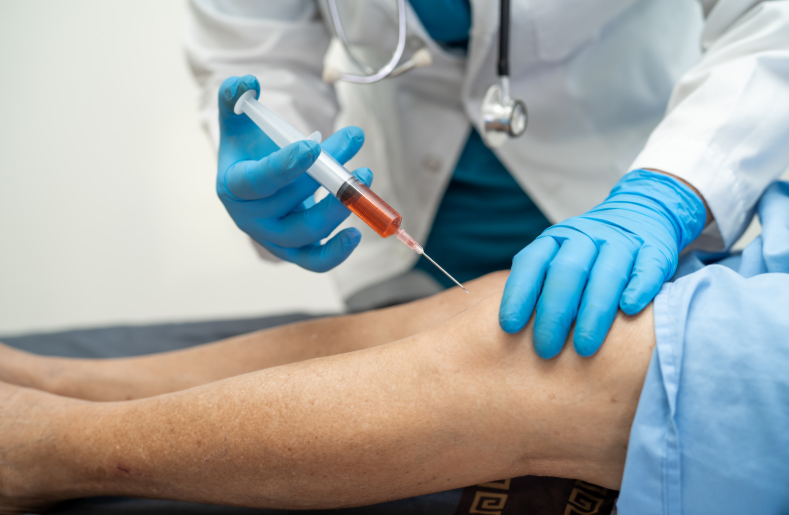
The actual Steroid injection procedure generally takes only a few minutes. The treatment area is cleaned thoroughly before medication is administered.
Depending on the location, image guidance such as ultrasound or fluoroscopy may be used to improve accuracy. This helps ensure that the medication reaches the intended target.
Many patients describe the procedure as brief and manageable. Mild soreness afterward is possible, though it usually resolves quickly.
Areas of the Body Commonly Treated with Steroid Injection
A Steroid injection can be used to address inflammation and pain in many parts of the body.
The knee is one of the most frequently treated joints, especially among patients with osteoarthritis or sports-related injuries.
The shoulder commonly benefits from a Steroid injection when conditions such as bursitis, impingement syndrome, or rotator cuff inflammation are present.
Hip pain related to arthritis or soft tissue inflammation may also respond well to treatment.
Elbow conditions, including tennis elbow and golfer’s elbow, are additional examples where a Steroid injection may provide relief.
Wrist and hand disorders, including trigger finger and certain inflammatory conditions, are often managed with this treatment.
Foot and ankle conditions such as plantar fasciitis and tendon inflammation may improve with carefully placed injections.
Spinal injections may be recommended for selected patients experiencing nerve-related symptoms and chronic back pain.
Are Steroid Injections Safe?
A Steroid injection is generally considered safe when performed by qualified medical professionals. Millions of injections are administered worldwide each year as part of orthopedic and pain management care.
Common side effects are usually temporary and may include mild soreness, swelling, or tenderness at the injection site. Some patients experience temporary facial flushing or brief increases in blood sugar levels.
Although uncommon, potential complications may include infection, bleeding, tissue irritation, or allergic reactions. Proper evaluation and technique help reduce these risks.
At TEC Orthopedics, patient safety remains a priority throughout every stage of diagnosis, treatment planning, and follow-up care.
Who May Benefit from Steroid Injection?
Many individuals may be candidates for a Steroid injection.
Patients with chronic joint pain often seek treatment when discomfort affects work, recreation, or daily responsibilities.
Athletes frequently benefit from a Steroid injection when inflammation interferes with training or competition.
Adults experiencing bursitis, tendinitis, arthritis, or soft tissue injuries may also find relief through this treatment approach.
Individuals who wish to explore non-surgical options before considering more invasive procedures may find a Steroid injection particularly valuable.
A comprehensive evaluation helps determine whether this treatment aligns with a patient’s specific condition and goals.
When Steroid Injection May Not Be Recommended
Although a Steroid injection is beneficial for many patients, it may not be suitable for everyone.
Patients with active infections generally require treatment of the infection before injection therapy can be considered.
Certain medical conditions may require additional precautions or alternative treatment strategies.
Repeated injections within short periods are generally avoided because excessive use may affect tissue health over time. Orthopedic specialists carefully evaluate treatment frequency to maintain safety and effectiveness.
Personalized recommendations ensure each patient receives the most appropriate care for their situation.
Combining Steroid Injection with Orthopedic Care
A Steroid injection often works best as part of a broader treatment strategy rather than as a standalone solution.
Physical therapy remains an important component of recovery. Once pain decreases, strengthening exercises can improve joint stability and function.
Lifestyle modifications such as weight management, activity adjustments, and ergonomic improvements may also support lasting results.
Athletes may benefit from sport-specific rehabilitation programs designed to address movement patterns and reduce injury risk.
At TEC Orthopedics, treatment plans are tailored to each patient’s needs, helping create a path toward sustained mobility and improved quality of life.
Why Choose TEC Orthopedics for Steroid Injection Treatment?
Selecting the right orthopedic provider plays a major role in treatment success.
TEC Orthopedics offers comprehensive musculoskeletal care focused on accurate diagnosis and individualized treatment recommendations. Patients receive thorough evaluations designed to identify the source of pain and determine the most effective treatment options.
The orthopedic team combines clinical expertise with patient-centered care. Whether a patient is dealing with arthritis, tendon injuries, sports-related conditions, or chronic joint pain, TEC Orthopedics strives to provide solutions that support long-term recovery.
A Steroid injection performed within a comprehensive orthopedic care program can help patients regain confidence, restore function, and return to activities they enjoy.
Signs It May Be Time to Consult an Orthopedic Specialist
Persistent pain should never be ignored. Certain symptoms may indicate the need for professional evaluation.
Ongoing joint pain that interferes with daily activities is one common reason to seek orthopedic care.
Swelling that does not improve with rest may indicate inflammation requiring further assessment.
Limited range of motion can make ordinary movements difficult and may signal underlying joint or soft tissue problems.
Recurring pain despite home treatment or medication should also prompt consultation with an orthopedic specialist.
Early diagnosis often allows patients to explore options such as a Steroid injection before symptoms become more severe.
Take the Next Step Toward Pain Relief with TEC Orthopedics
Joint pain, tendon injuries, arthritis, and inflammatory conditions can affect every aspect of daily life. A Steroid injection offers a proven non-surgical treatment option that may help reduce inflammation, improve mobility, and restore comfort.
TEC Orthopedics provides comprehensive orthopedic care designed to identify the root cause of pain and develop personalized treatment plans. Whether symptoms are mild or long-standing, early evaluation can make a meaningful difference.
Patients seeking expert guidance, advanced treatment options, and compassionate orthopedic care can trust TEC Orthopedics to help them move toward better health, greater mobility, and lasting relief through treatments such as Steroid injection.
Frequently Asked Questions About Steroid Injection
How long does a Steroid injection take to work?
Many patients begin noticing improvement within a few days. Some experience relief sooner, while others may require additional time depending on the condition being treated.
How long can pain relief last after a Steroid injection?
Results vary from person to person. Relief may last several weeks or several months depending on the diagnosis, severity of inflammation, and individual response.
Are Steroid injections painful?
Most patients report only mild discomfort during the procedure. The process is generally quick, and any temporary soreness afterward usually resolves within a short period.
How many Steroid injections can a patient receive?
The number of recommended injections depends on the treatment area and underlying condition. Orthopedic specialists carefully monitor frequency to maintain safety.
Can I return to normal activities after a Steroid injection?
Many patients can resume routine activities shortly after treatment. Specific recommendations may vary depending on the injection site and condition being addressed.
Is a Steroid injection better than surgery?
A Steroid injection and surgery serve different purposes. Many patients achieve meaningful relief through conservative treatment, while others may eventually require surgical intervention. A thorough evaluation helps determine the best approach.
When should I visit TEC Orthopedics for evaluation?
Consultation is recommended when pain, stiffness, swelling, or reduced mobility affects your quality of life or limits your ability to perform daily activities.