Arthritis can make even simple tasks feel overwhelming. Persistent joint pain, stiffness, and fatigue can interfere with daily routines, from getting out of bed in the morning to climbing stairs or walking around the house. People living with osteoarthritis (OA) or rheumatoid arthritis (RA) may also experience disrupted sleep due to nighttime discomfort, making fatigue worse. Many individuals live with painful joints for months or even years before seeking help. At Osteopractic Physical Therapy of Central Indiana (OPTCI), tailored solutions provide effective ways to reduce pain, restore mobility, and improve quality of life.
Understanding Arthritis
Arthritis is a broad term that includes many joint-related conditions. Understanding the type of arthritis you have is critical to receiving the right care.
What is Osteoarthritis (OA)?
Osteoarthritis is the most common form of arthritis, often affecting weight-bearing joints such as the knees and hips. OA may develop gradually over time due to wear and tear, or it can result from a previous joint injury. In the United States, OA impacts up to 37% of adults between 45 and 60 years old. Knee and hip OA are ranked among the top contributors to disability worldwide for individuals with chronic pain.
Physiological changes caused by OA include the breakdown of articular cartilage, formation of bone spurs, microfractures, subchondral bone thickening, and exposure of the joint surfaces. People with OA often struggle with walking, climbing stairs, getting in and out of a car, bathing, shopping, or participating in physical activities like sports or gardening. These limitations can interfere with daily routines and overall independence.
What is Rheumatoid Arthritis (RA)?
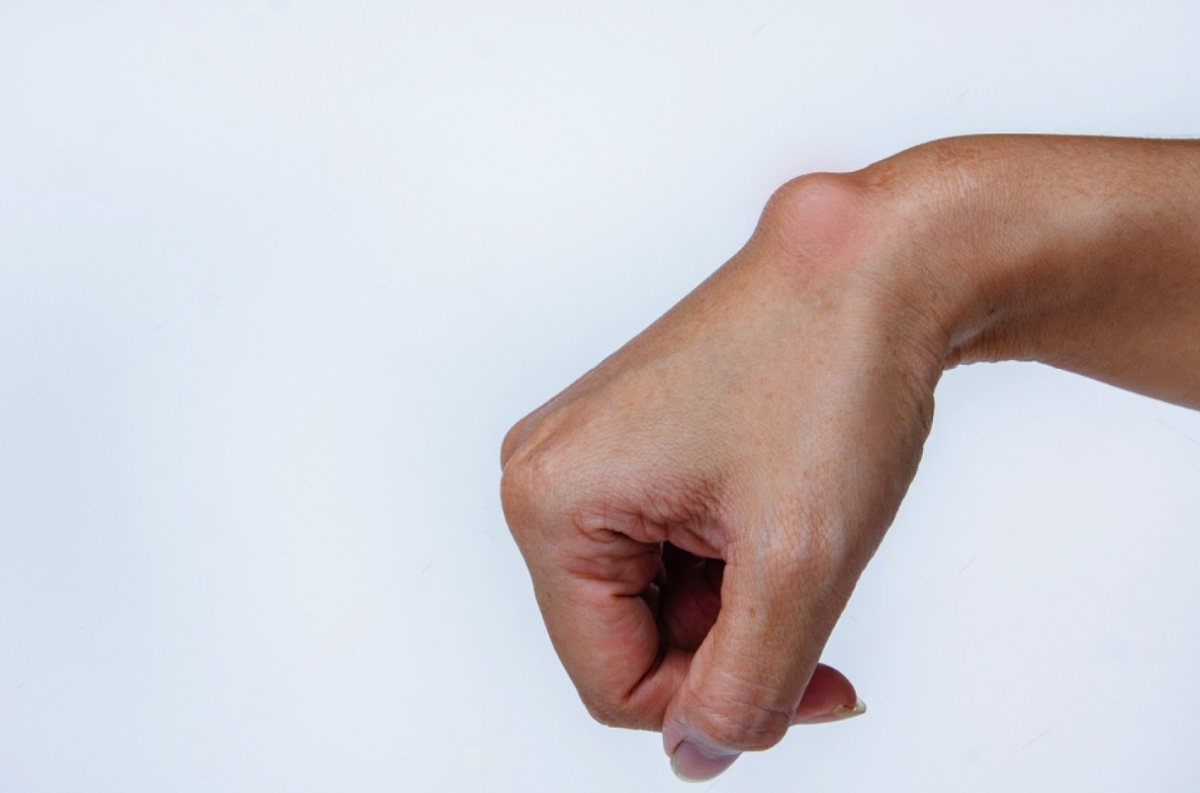
Rheumatoid arthritis is a chronic autoimmune disease that primarily affects the joints of the hands, wrists, shoulders, elbows, knees, ankles, and feet. RA can also impact other body systems, including the cardiovascular and respiratory systems. RA affects roughly 0.3–1% of adults in Europe and North America, carrying significant personal and social burdens.
Symptoms of RA include joint soreness after periods of inactivity, swelling, popping or clicking sounds, limited range of motion, tenderness, and general fatigue. Pain may worsen with movement, making simple activities like lifting objects, household chores, or walking challenging. RA can affect overall quality of life, limiting participation in leisure, self-care, and social activities.
Signs You May Need Arthritis Treatment Fishers, IN
Some early signs indicate the need for professional care. These include:
- Morning stiffness that lasts more than 30 minutes
- Persistent joint pain or tenderness
- Swelling around joints
- Popping or clicking sounds when moving joints
- Fatigue or decreased ability to perform daily activities
Recognizing these symptoms early and seeking treatment can prevent further joint damage and improve long-term mobility.
How Physical Therapy Helps
Physical therapy plays a critical role in managing arthritis effectively. At OPTCI, treatment focuses on restoring joint motion, improving walking patterns, increasing strength, and teaching patients how to manage symptoms for optimal health and function.
Benefits of Physical Therapy for Arthritis Treatment Fishers, IN
Physical therapy for arthritis aims to:
- Reduce joint pain and stiffness
- Improve mobility and strength
- Enhance walking and posture
- Minimize the need for surgery or long-term medications
- Provide education on managing arthritis daily
Therapists at OPTCI design customized plans that target each patient’s specific needs, combining hands-on techniques with exercises to maximize results.
Customized Treatment Plans at OPTCI
OPTCI offers a variety of interventions to manage arthritis symptoms, including:
- Electrical Dry Needling: This technique targets trigger points to relieve pain and improve joint function. Research has shown that electrical dry needling can decrease pain and stiffness in individuals with knee OA, helping patients regain mobility faster.
- Manual Therapy (MT): Hands-on techniques restore joint motion, reduce stiffness, and improve overall function. MT helps patients move more comfortably and reduces the discomfort caused by inflamed or damaged joints.
- Home Exercise Programs: Patients receive tailored exercises to continue progress at home. These exercises strengthen muscles around the joints, improve flexibility, and support long-term joint health.
Research by Dr. James Dunning (2018) demonstrates that electrical dry needling and manual therapy, applied separately or together, are moderately effective for knee OA. Combining these approaches with a structured exercise program leads to reduced pain, improved joint function, and increased quality of life.
Lifestyle Tips to Support Arthritis Care
Along with professional care, adopting healthy habits helps manage arthritis symptoms and supports long-term joint health. Patients receiving Arthritis Treatment Fishers, IN are encouraged to integrate these tips into their daily routine:
- Gentle Exercises: Low-impact activities like swimming, walking, and cycling reduce joint stress while maintaining strength and flexibility.
- Joint Protection: Use supportive footwear, avoid repetitive movements that strain joints, and maintain proper posture during daily activities.
- Balanced Diet: Consuming anti-inflammatory foods such as fruits, vegetables, lean proteins, and omega-3-rich fish can support joint health.
- Adequate Rest: Quality sleep is essential for managing fatigue and allowing the body to repair tissues.
Incorporating these strategies with professional physical therapy maximizes outcomes and helps patients lead active, fulfilling lives.
Why Choose OPTCI for Arthritis Treatment Fishers, IN
OPTCI provides specialized care designed to address the unique challenges of arthritis. The clinic offers:
- Experienced Therapists: Highly trained physical therapists skilled in managing OA, RA, and other joint conditions.
- Individualized Care: Customized treatment plans tailored to each patient’s symptoms, goals, and lifestyle.
- Proven Techniques: Evidence-based treatments such as electrical dry needling, manual therapy, and home exercise programs.
- Patient-Focused Approach: Emphasis on education, self-management, and long-term joint health.
- Convenient Location: Easily accessible for residents of Fishers, IN, and surrounding areas.
Choosing OPTCI ensures patients receive compassionate care that addresses both pain management and functional improvement.
Takeaway
Living with arthritis does not have to limit your life. Schedule your appointment for Arthritis Treatment Fishers, IN at OPTCI today to take the first step toward improved mobility, reduced pain, and long-lasting relief. Expert guidance and personalized care can help you regain control over your daily activities and enjoy a more active lifestyle.
Frequently Asked Questions (FAQ)
What types of arthritis can be treated at OPTCI?
OPTCI provides treatment for osteoarthritis, rheumatoid arthritis, and other forms of joint pain affecting major weight-bearing or functional joints.
How long does it take to see improvement?
Patients often notice reduced pain and improved mobility within a few weeks, but the timeline varies depending on the severity of arthritis and adherence to the therapy plan.
Are physical therapy treatments painful?
Most treatments are gentle and designed to relieve pain. Some techniques, such as dry needling, may cause temporary mild discomfort but are effective in reducing long-term pain.
Can physical therapy prevent surgery?
Many patients who follow their therapy program successfully avoid surgery. Physical therapy strengthens muscles, improves joint function, and reduces pain, sometimes eliminating the need for surgical intervention.
Do I need a referral for Arthritis Treatment Fishers, IN?
Most patients can schedule an appointment directly with OPTCI without a referral. The clinic staff can provide guidance based on individual insurance requirements.
What can I do at home to support treatment?
Performing prescribed home exercises, maintaining a healthy diet, avoiding joint overuse, and practicing proper posture help maximize results from physical therapy.