
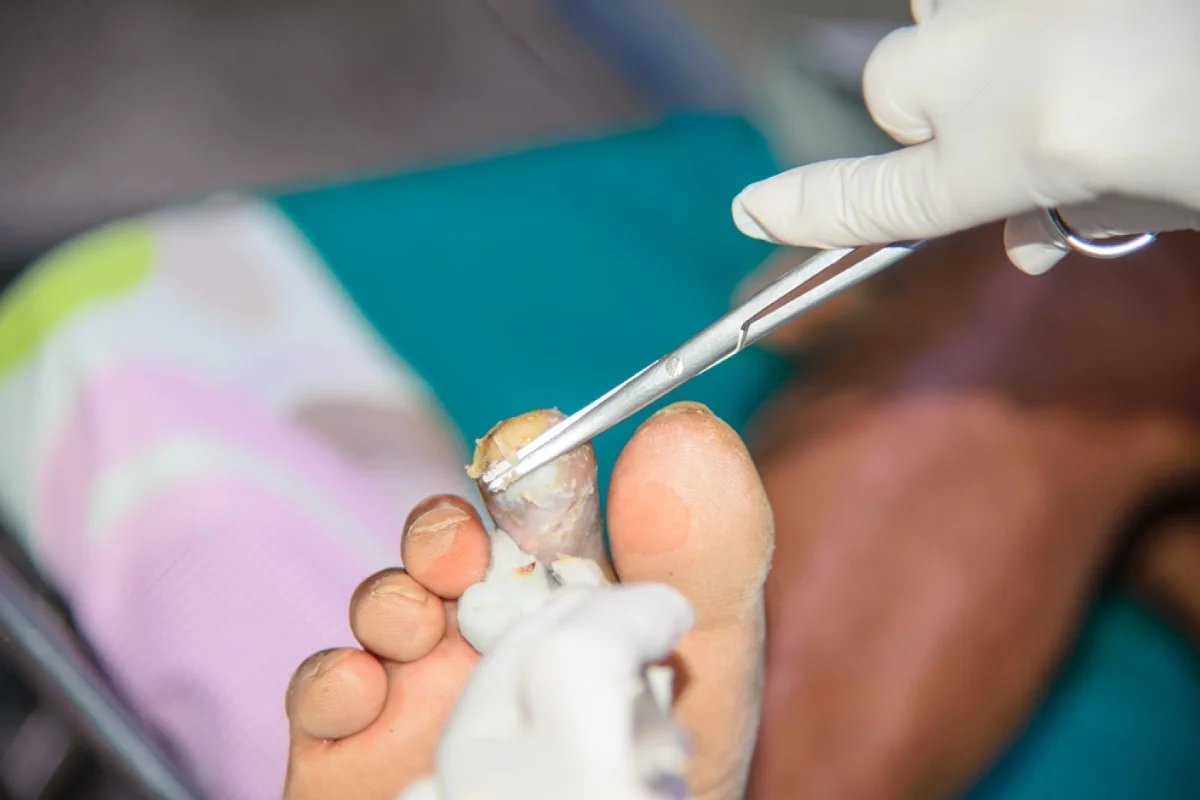
Foot necrosis is a serious condition involving the death of tissue in part of the foot. It can develop when tissue does not receive enough blood and oxygen or when severe infection causes extensive tissue damage. Conditions affecting circulation, diabetes, serious injuries, and untreated infections can all increase the risk. Because damaged tissue can deteriorate and become infected, recognizing concerning changes as early as possible is important. Foot necrosis may affect the skin alone or extend into deeper structures such as muscles, tendons, and bones. The appearance and progression of the condition can vary depending on its underlying cause. Anyone who notices significant discoloration, an unusual wound, loss of sensation, or rapidly worsening foot symptoms should seek professional medical evaluation.
What Is Foot Necrosis?
Foot necrosis occurs when cells and tissues in the foot die because they have been severely damaged or deprived of the conditions needed to remain healthy. Adequate blood circulation delivers oxygen and nutrients that tissues need to function and repair themselves. When blood flow is severely reduced, tissue may become damaged and eventually die. Severe bacterial infections can also destroy tissue and interfere with normal circulation. Depending on the cause, necrosis may develop gradually or progress rapidly. Dead tissue cannot normally recover, which makes early identification of the underlying problem especially important. Medical assessment can help determine whether the affected area involves superficial tissue or more extensive damage beneath the skin.
The term foot necrosis can describe tissue death caused by several different conditions rather than one specific disease. For example, a person with advanced circulation problems may develop tissue death after prolonged oxygen deprivation. Someone with diabetes may develop a wound that becomes infected and eventually damages surrounding tissue. A serious traumatic injury can also destroy tissue directly or disrupt the blood vessels supplying the foot. In some situations, more than one factor contributes to the problem. Understanding the cause is essential because treatment must address the underlying source of tissue damage. Prompt care may help protect healthy tissue and reduce the risk of severe complications.
What Causes Foot Necrosis?
Poor circulation is one of the major factors associated with tissue death in the foot. Peripheral artery disease can narrow or block arteries, reducing the amount of oxygen-rich blood reaching the lower limbs. When circulation becomes severely compromised, wounds may heal slowly and tissues can become increasingly vulnerable to damage. Diabetes can further increase this risk because it may contribute to circulation problems and nerve damage. Severe infections can also destroy tissue and spread into surrounding areas. Major injuries, burns, crushing trauma, and prolonged pressure may cause direct tissue damage or interfere with blood supply. Identifying the specific cause allows healthcare professionals to choose appropriate treatment and address factors that could cause further tissue loss.
Diabetes deserves particular attention because it can create several conditions that increase the risk of serious foot problems. Nerve damage may reduce the ability to feel pain, heat, pressure, or minor injuries. A person may therefore have a blister, cut, or pressure injury without realizing it has occurred. Poor circulation can then make the wound slower to heal. Elevated blood glucose can also interfere with the body’s ability to fight infection and repair damaged tissue. A small wound may become increasingly serious when it is not recognized and treated promptly. Regular foot checks and appropriate medical care are therefore important for people who have diabetes or other risk factors.
Warning Signs of Foot Necrosis
Changes in skin color can be one of the most noticeable signs of serious tissue damage. Affected tissue may appear unusually pale, blue, purple, gray, brown, or black depending on the underlying process and stage. The foot may also feel colder than the other foot when circulation is significantly reduced. Some people experience severe pain, while others may have little or no pain because of nerve damage. Swelling, blisters, open sores, drainage, and changes in the appearance of an existing wound can also be concerning. A foul odor or pus may indicate an infection that requires prompt medical attention. These symptoms should not be ignored, particularly when they appear suddenly or become progressively worse.
The combination of symptoms can provide important clues about how serious a problem may be. For example, sudden severe pain accompanied by a cold or pale foot may indicate an urgent circulation problem. Blackened tissue combined with swelling, drainage, or a bad odor may indicate extensive tissue damage with infection. A wound that repeatedly fails to heal can also signal inadequate circulation, infection, pressure, or another underlying condition. Fever and feeling unusually weak or ill may suggest that an infection is affecting the body more broadly. People with reduced sensation should pay particular attention to visual changes because pain may not accurately reflect the extent of tissue damage. Any suspicious change should be evaluated by a qualified healthcare professional rather than managed solely at home.
How Foot Necrosis Can Progress
The progression of foot necrosis depends heavily on what caused the tissue to die. Tissue damage related to severely reduced circulation may develop over an extended period, although sudden loss of blood supply can cause rapid deterioration. Infection-related tissue destruction can sometimes progress much more quickly. As damaged tissue loses its ability to function normally, the surrounding area may also become vulnerable. Dead tissue can provide an environment where harmful microorganisms may grow, particularly when infection is present. If the infection spreads into deeper tissues, muscles, joints, or bones, treatment can become more complex. Prompt medical assessment can help determine how far the damage has progressed and what intervention may be necessary.
Certain forms of tissue death are associated with gangrene, which can involve extensive tissue destruction. Dry gangrene is generally associated with severely reduced blood supply and may cause tissue to become dry, shriveled, and dark. Wet gangrene involves tissue death with infection and can produce swelling, drainage, and rapidly changing skin appearance. Gas gangrene is a serious bacterial infection that can cause gas to accumulate within affected tissues. These conditions require urgent medical attention because progression can be rapid. The presence of black or discolored tissue does not automatically establish the exact diagnosis because other conditions can cause similar visual changes. A healthcare professional must assess the foot and determine the cause before treatment is selected.
Who Is at Higher Risk?
People with diabetes may have an increased risk of serious foot complications because of nerve and circulation changes. Individuals with peripheral artery disease may also be vulnerable because reduced blood flow can limit the oxygen supply to tissues. Those with chronic wounds or previous serious foot infections may require closer monitoring. People with limited mobility can develop pressure-related injuries that may worsen when they are not detected early. Severe trauma can increase risk by directly damaging tissue or blood vessels. Certain medical conditions that affect the immune system may also make infections more difficult to control. Having several risk factors at the same time can significantly increase the need for preventive foot care and regular professional evaluation.
Age alone does not necessarily cause foot necrosis, but some conditions that become more common with age can increase risk. Smoking can contribute to blood vessel damage and poor circulation, making it an important factor to discuss with a healthcare professional. Poorly fitting footwear can create repeated pressure, friction, and skin injuries. Walking barefoot can also expose vulnerable feet to cuts, burns, punctures, and other injuries. People who have reduced sensation may not immediately notice these injuries. Routine foot inspections can help identify problems before they become advanced. Anyone with known circulation problems, diabetes, or recurring foot wounds should follow individualized advice from their healthcare provider.
How Doctors Diagnose Foot Necrosis
Diagnosing foot necrosis begins with a physical examination and careful review of the person’s symptoms and medical history. A healthcare professional may examine skin color, temperature, swelling, wounds, sensation, and other visible changes. Circulation may be assessed by checking pulses and using specialized vascular tests when necessary. Blood tests can provide information about infection, inflammation, and other factors that may influence treatment. Imaging may be recommended if there is concern about deeper tissue damage or infection involving bones. Ultrasound, X-rays, CT scans, or MRI may be used depending on the suspected cause and clinical situation. In some cases, a wound sample may be tested to identify microorganisms responsible for an infection.
The diagnostic process is designed to determine both the extent and cause of the tissue damage. Finding an underlying circulation problem may require vascular imaging or consultation with a specialist. If infection is suspected, healthcare professionals may evaluate whether it involves only the skin or has reached deeper structures. Bone involvement can be particularly important because it may require a different treatment approach. A person’s history of diabetes, vascular disease, injuries, previous wounds, and medications may also influence the assessment. The sooner the cause is identified, the sooner appropriate treatment can begin. Because foot necrosis can have several possible causes, self-diagnosis based only on appearance is not recommended.
Foot Necrosis Treatment Options
Treatment for foot necrosis depends on the cause, severity, location, and amount of tissue affected. When poor circulation is responsible, improving blood flow may become a major treatment goal. Depending on the condition, vascular specialists may consider procedures designed to restore or improve circulation. If infection is present, antibiotics may be prescribed based on the suspected or identified microorganism. More serious infections may require hospitalization and intravenous medication. Wound care may involve cleaning, protecting, and monitoring the affected area. Treatment plans are individualized because the best approach for one patient may not be appropriate for another.
Dead or severely damaged tissue may sometimes need to be removed through a procedure called debridement. Removing nonviable tissue can help healthcare professionals manage the wound and assess the condition of healthier surrounding tissue. In more extensive cases, surgery may be necessary to control infection or remove severely damaged areas. Amputation can sometimes be required when tissue destruction is extensive or when an infection threatens the person’s overall health. Medical teams generally consider the least extensive procedure that can safely address the problem. The specific treatment decision depends on circulation, infection, tissue viability, overall health, and other clinical factors. Attempting to cut away dead tissue without professional guidance can cause bleeding, infection, or additional injury and should be avoided.
Why Early Medical Treatment Matters
Early evaluation can make a significant difference when serious tissue damage is suspected. A healthcare professional can identify whether circulation, infection, trauma, or another condition is contributing to the problem. Treating an underlying circulation disorder may help protect tissue that remains viable. Managing an infection quickly may reduce the chance that it spreads into deeper structures or throughout the body. Proper wound care can also reduce additional trauma and help protect the affected area. Delayed treatment can allow tissue damage and infection to become more extensive. Seeking medical attention promptly is therefore an important step when significant foot changes appear.
People sometimes delay care because they expect a wound or discoloration to improve on its own. This can be particularly risky for people with diabetes or reduced sensation because serious injuries may cause little pain. A wound that looks small on the surface can sometimes involve deeper tissue problems. Similarly, changes in foot color or temperature may reflect an underlying circulation problem that requires urgent evaluation. Sudden or rapidly worsening symptoms deserve particular attention. Professional assessment is safer than attempting to determine the severity of tissue damage at home. Early action may provide more opportunities to preserve healthy tissue and prevent avoidable complications.
Possible Complications of Untreated Foot Necrosis
Untreated foot necrosis can lead to progressively greater tissue damage. Infection may spread from the original wound into nearby skin, muscles, joints, or bones. Bone infection can be particularly difficult to treat and may require prolonged medical management. Severe infections can enter the bloodstream and potentially cause sepsis, which is a life-threatening response to infection. Extensive tissue loss can affect mobility and may require reconstructive procedures or amputation. Circulation problems may continue to place the remaining tissue at risk if the underlying cause is not addressed. These possibilities demonstrate why suspected necrosis should receive professional attention rather than being treated as an ordinary foot wound.
Complications are not inevitable, particularly when the underlying problem is recognized and treated appropriately. The risk varies according to the cause, the amount of tissue involved, the presence of infection, and the person’s overall health. Diabetes and severe circulation disorders can make wound management more challenging. Repeated pressure on an injured area can also interfere with healing. Medical follow-up allows healthcare professionals to monitor the wound and adjust treatment when necessary. Patients should follow wound-care instructions carefully and report worsening symptoms promptly. Consistent care can help reduce the likelihood of preventable complications.
How to Prevent Foot Necrosis
Preventing foot necrosis begins with controlling conditions that increase the risk of tissue damage. People with diabetes should follow their healthcare provider’s recommendations for blood glucose management and regular foot examinations. Individuals with circulation problems should receive appropriate medical care and discuss strategies for protecting blood flow and overall vascular health. Daily foot checks can help identify cuts, blisters, swelling, discoloration, pressure points, or other abnormalities early. Comfortable, properly fitting footwear can reduce friction and pressure. Feet should also be protected from burns, sharp objects, extreme temperatures, and other sources of injury. Small wounds should be monitored carefully and evaluated when they do not heal normally.
Healthy foot care is especially important for people who have reduced sensation. Checking the feet visually can reveal injuries that might otherwise go unnoticed. Keeping the feet clean and dry can support general skin health, while avoiding unnecessary pressure can protect vulnerable areas. People should avoid attempting to remove corns, calluses, or damaged tissue with sharp tools when they have medical risk factors. Professional foot care may be safer when circulation or sensation is impaired. Regular medical appointments can also help identify risk factors before they result in serious wounds. Prevention is most effective when foot protection, health management, and timely medical care are used together.
When Should You Seek Emergency Medical Care?
Certain symptoms associated with foot necrosis require urgent medical evaluation. A foot that suddenly becomes extremely painful, pale, blue, cold, or numb may indicate a serious circulation problem. Rapidly spreading discoloration or tissue changes should also be treated as an urgent concern. A wound accompanied by severe swelling, foul-smelling drainage, pus, or rapidly increasing pain may indicate a serious infection. Fever, confusion, extreme weakness, rapid breathing, or feeling severely ill in association with a serious foot wound may indicate a medical emergency. People with diabetes or significant circulation problems should be particularly cautious about new or worsening foot wounds. When severe symptoms occur, seeking emergency medical care is safer than waiting to see whether the problem improves.
Do not attempt to cut away blackened or damaged tissue yourself. Home procedures can cause bleeding and may introduce additional bacteria into an already vulnerable wound. Do not rely on pain alone to determine whether a foot problem is serious because nerve damage can reduce sensation. Do not delay professional care simply because a wound appears small. A healthcare professional can determine whether the problem involves infection, circulation, trauma, pressure, or another condition. Rapid assessment can help guide appropriate treatment and protect tissue that may still be healthy. When the symptoms suggest a serious infection or sudden circulation loss, emergency evaluation should take priority.
Frequently Asked Questions About Foot Necrosis
What does foot necrosis look like?
Foot necrosis may cause significant changes in the appearance of the skin and underlying tissue. The affected area can become unusually pale, blue, purple, gray, brown, or black. The skin may also become dry, swollen, blistered, broken, or associated with drainage. Appearance alone cannot determine the exact cause or severity of the problem. Some circulation-related conditions can produce discoloration without necessarily representing tissue death. Because serious conditions can have similar visual features, professional assessment is important. Anyone who notices a rapidly changing or unusually discolored foot should seek medical advice.
Can foot necrosis heal?
Dead tissue generally cannot return to its original healthy state. However, treatment may sometimes preserve surrounding tissue that has not yet become permanently damaged. Addressing the underlying cause is therefore a major part of treatment. Improving circulation, treating infection, and providing appropriate wound care may help protect viable tissue. The extent of recovery depends on how much tissue has been affected and how quickly treatment begins. A healthcare professional can provide a more accurate assessment after examining the foot. Treatment should focus on controlling the cause and protecting as much healthy tissue as medically possible.
Is foot necrosis painful?
Pain can occur with serious tissue damage, but it is not always present. People with nerve damage may have reduced sensation and therefore may not experience the level of pain expected from the appearance of their foot. Diabetes is one condition that can contribute to this type of sensory loss. A lack of pain should not be interpreted as evidence that a wound is harmless. Changes in color, temperature, sensation, drainage, or wound appearance can be important warning signs even without significant discomfort. Professional evaluation is appropriate when concerning changes are present. Pain level alone should never be used to determine whether tissue damage is serious.
Can diabetes cause foot necrosis?
Diabetes can increase the risk of serious foot complications through several mechanisms. Nerve damage may make it harder to notice cuts, blisters, pressure injuries, or burns. Diabetes can also be associated with circulation problems that make wounds more difficult to heal. An unnoticed wound may become infected and progressively damage surrounding tissue. These factors can increase the risk of tissue death in severe cases. Regular foot checks and appropriate diabetes management can help reduce the likelihood of serious complications. People with diabetes should seek medical attention for wounds that are worsening, infected, or failing to heal.
Is black skin on the foot always necrosis?
Black skin does not automatically mean that necrosis is present. Several conditions can cause dark discoloration, and the appearance of a wound can change for different reasons. However, blackened tissue can be a sign of serious tissue damage and should not be ignored. The concern becomes greater when discoloration occurs with pain, numbness, coldness, swelling, drainage, odor, or an open wound. A healthcare professional can examine the area and determine what is causing the discoloration. Prompt evaluation is particularly important for people with diabetes or known circulation problems.
How quickly can foot necrosis develop?
The speed of progression varies according to the underlying cause. Some circulation-related tissue damage can develop gradually, while a sudden interruption of blood flow can cause rapid problems. Severe infections can also progress quickly and require urgent medical attention. The presence of diabetes, immune problems, circulation disorders, or extensive trauma may influence the course. Because it is difficult to predict progression without an examination, rapidly worsening symptoms should not be monitored casually at home. Prompt medical evaluation can help identify conditions that require immediate treatment.
Can poor circulation cause tissue death in the foot?
Severely reduced circulation can deprive foot tissues of oxygen and nutrients. If the blood supply remains inadequate for an extended period, tissue can become damaged and eventually die. Peripheral artery disease is one condition that can contribute to poor blood flow in the lower limbs. Wounds may also heal slowly when circulation is inadequate. Coldness, unusual color, pain with activity or at rest, and non-healing wounds can be warning signs of circulation problems. Anyone experiencing these symptoms should discuss them with a healthcare professional.
What happens if foot necrosis is left untreated?
Untreated tissue death can become progressively more extensive. If infection is involved, microorganisms can spread into nearby tissues and potentially reach the bloodstream. Deeper infections may affect muscles, joints, or bones and can require more complex treatment. Extensive tissue damage can also impair mobility and increase the possibility of surgical tissue removal. In severe circumstances, an infection may become life-threatening. Seeking medical care early can help identify the cause and reduce the risk of serious progression.
Can foot necrosis be prevented?
Not every instance of tissue death can be prevented, but several measures can reduce risk. Managing diabetes and circulation-related conditions is important for maintaining tissue health. Regularly inspecting the feet can help identify injuries before they become advanced. Proper footwear can reduce pressure and friction that may contribute to wounds. People with reduced sensation should take extra precautions because injuries may not be painful. Prompt medical attention for unusual wounds, discoloration, or signs of infection can also help prevent minor problems from becoming more serious.
Takeaway
Foot necrosis is a serious form of tissue damage that can result from poor circulation, severe infection, diabetes-related complications, trauma, pressure, or other underlying conditions. Changes such as blackened or unusual skin color, coldness, numbness, severe pain, swelling, drainage, or non-healing wounds should receive appropriate medical attention. People with diabetes, circulation problems, reduced sensation, or previous foot wounds may need especially careful monitoring. Diagnosis involves determining the cause and assessing how extensively the tissue has been affected. Treatment may include infection management, wound care, restoration of blood flow, removal of damaged tissue, or surgery when necessary. The sooner a serious foot problem is assessed, the more opportunity there may be to protect healthy tissue and prevent complications. When severe or rapidly worsening symptoms occur, professional or emergency medical care should be sought without delay.