Pressure sores, also known as bedsores or pressure ulcers, are painful injuries that occur when prolonged pressure restricts blood flow to the skin. These wounds can develop quickly, especially in individuals who are immobile, elderly, or recovering from serious illness. Pressure sore treatment is essential to prevent complications such as infections, delayed healing, and reduced quality of life. Specialized clinics like Kalingap Wound Care Clinic offer expert care to ensure proper management and faster recovery.
Understanding Pressure Sores
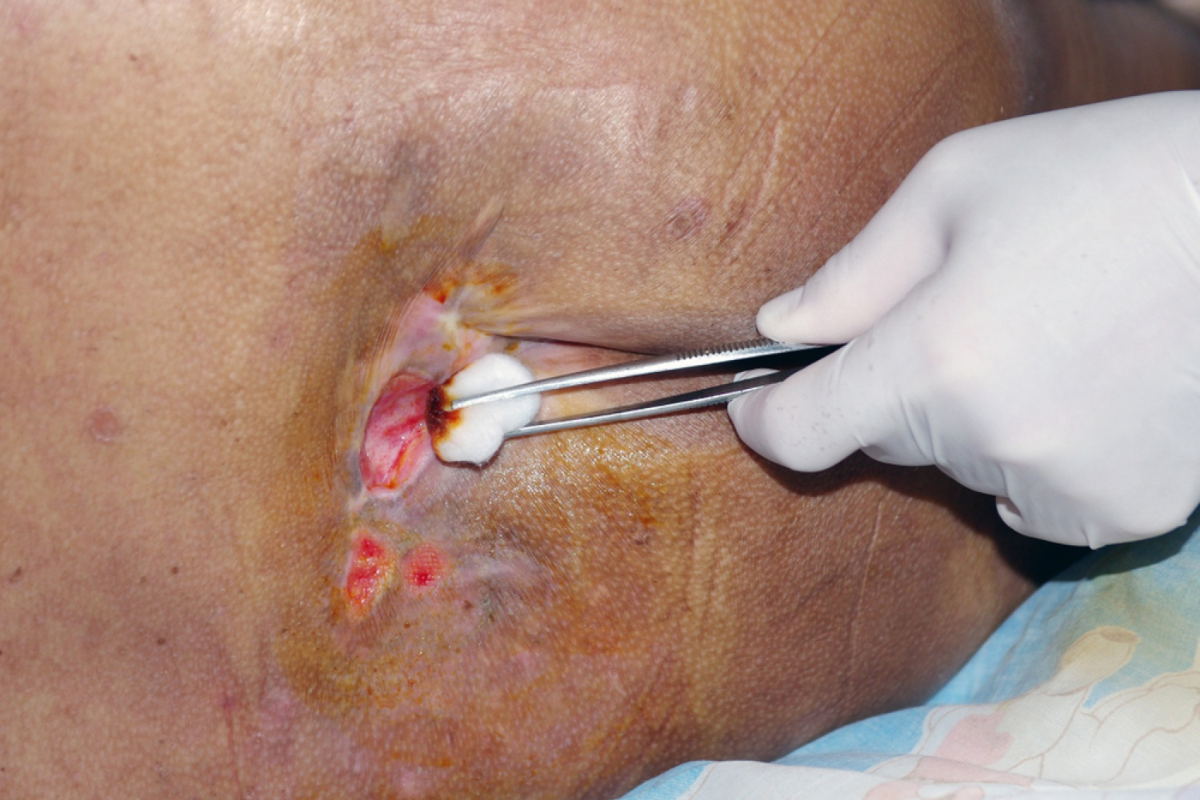
Pressure sores develop in stages, ranging from mild skin redness to deep wounds that expose muscle or bone. Stage one presents as persistent redness or discoloration, while stage two may show partial skin loss. Advanced stages involve full-thickness tissue damage, sometimes resulting in severe infection if left untreated. Common causes include extended bed rest, wheelchair dependence, poor nutrition, and medical conditions that reduce blood flow. Recognizing the early signs is critical, as timely pressure sore treatment prevents progression and serious health complications.
Why Specialized Clinics Are Essential
Specialized wound care clinics provide professional oversight that goes beyond standard care. At facilities like Kalingap Wound Care Clinic, pressure sore treatment is delivered by trained medical professionals who understand wound assessment, infection control, and advanced healing techniques. These clinics offer access to the latest technology, such as specialized dressings and pressure-relieving devices, ensuring that each patient receives comprehensive care. Regular monitoring, personalized treatment plans, and follow-up support are hallmarks of specialized clinics, making them the optimal choice for effective pressure sore management.
Types of Pressure Sore Treatment Offered
Pressure sore treatment involves multiple approaches tailored to the wound’s severity. Debridement, the removal of dead tissue, is crucial for preventing infection and promoting healing. Infection control, often involving topical or systemic antibiotics, is a central aspect of care. Specialized dressings, including hydrocolloid, foam, and alginate options, create an optimal environment for recovery while protecting the wound. Pressure-relieving devices like advanced mattresses and cushions reduce strain on vulnerable areas, helping prevent new sores. Pain management is also integrated into the treatment plan, ensuring patient comfort throughout the healing process.
The Healing Process at Specialized Clinics
Effective pressure sore treatment begins with a thorough assessment to determine the wound’s stage and underlying causes. Clinics like Kalingap Wound Care Clinic develop individualized care plans that include regular wound monitoring, dressing changes, and adjustments to therapy as needed. Nutrition and hydration support are emphasized to enhance tissue repair, while physical therapy and mobility guidance help restore movement and prevent future sores. Consistent care under professional supervision accelerates recovery, minimizes complications, and promotes long-term health.
Preventing Pressure Sores
Preventing pressure sores is equally important as treatment. Daily skin care, proper hygiene, and regular inspection help detect early signs of damage. Repositioning bedridden patients every two hours reduces prolonged pressure, while support surfaces like special mattresses and cushions distribute weight more evenly. Adequate nutrition, hydration, and vitamin intake strengthen skin resilience, and caregiver education ensures consistent preventive measures. Specialized clinics also provide guidance and tools for home care, reinforcing pressure sore prevention strategies.
Benefits of Choosing a Specialized Clinic
Choosing a specialized clinic for pressure sore treatment offers significant advantages. Patients benefit from faster healing due to professional intervention and access to advanced therapies. The risk of complications, such as infection or tissue necrosis, is greatly reduced. Clinics like Kalingap Wound Care Clinic provide multidisciplinary care, integrating the expertise of doctors, nurses, and therapists to address all aspects of recovery. Continuous support, follow-up care, and personalized guidance enhance patient confidence and ensure optimal outcomes.
Choosing the Right Clinic
Selecting the right clinic is critical for effective pressure sore treatment. Consider facilities with qualified staff experienced in wound care, access to modern treatment technologies, and a record of successful patient outcomes. Reviews, testimonials, and case studies offer insights into the quality of care provided. Accessibility and patient comfort should also be considered, ensuring that ongoing visits are convenient and manageable. Kalingap Wound Care Clinic stands out as a trusted choice for patients seeking comprehensive pressure sore treatment with proven results.
FAQ Section
1. What are the early signs of pressure sores?
Early signs include persistent redness, swelling, warmth, or tenderness over bony areas such as the heels, elbows, or tailbone.
2. How long does pressure sore treatment take?
Healing time varies by wound severity, patient health, and adherence to treatment. Early-stage sores may heal in days to weeks, while advanced sores require months of care.
3. Can pressure sores heal completely?
With proper intervention and consistent pressure sore treatment, most sores can heal completely, though ongoing preventive care is essential to avoid recurrence.
4. Are specialized clinics expensive?
Costs vary depending on treatment complexity and duration, but specialized clinics like Kalingap Wound Care Clinic provide cost-effective care that reduces complications and long-term medical expenses.
5. How can caregivers support pressure sore prevention at home?
Caregivers can assist by repositioning patients regularly, maintaining proper hygiene, monitoring skin for early signs of damage, providing nutritional support, and following clinic-recommended care plans.