Understanding Toe Ulcers and Their Impact on Foot Health
Toe ulcers are open sores that develop on the skin of the toes due to prolonged pressure, friction, or compromised circulation. These wounds often begin as small areas of skin breakdown but can worsen rapidly if not addressed properly. Toe ulcers are especially concerning because the toes carry significant pressure during walking and standing, making healing more difficult. When left untreated, they can progress into deeper tissue layers and even affect bone structures. Orthopedic specialists recognize toe ulcers as a biomechanical issue, not just a surface wound. The way the foot moves, bears weight, and aligns plays a major role in how ulcers form and persist. Proper orthopedic treatment focuses on both healing the wound and correcting the mechanical causes behind it.
Common Causes of Toe Ulcers Requiring Orthopedic Care
Toe ulcers develop for several interconnected reasons that often require orthopedic evaluation. One of the most common causes is diabetic neuropathy, where reduced sensation allows injuries to go unnoticed. Poor blood circulation can also slow healing and increase the risk of skin breakdown. Structural deformities such as hammertoes, claw toes, and bunions create abnormal pressure points that lead to ulcer formation. Improper footwear that rubs or compresses the toes further worsens the condition. Repetitive stress from walking patterns and imbalance in foot mechanics can also contribute. Orthopedic care identifies how these factors interact and addresses them together. Treating only the wound without correcting the cause often leads to recurrence.
Early Warning Signs That Indicate Orthopedic Evaluation Is Needed
Recognizing early warning signs of toe ulcers can prevent severe complications. Redness or darkened skin on the toe is often the first visible indicator. Callus buildup may appear before the skin breaks down into an open sore. Swelling, warmth, or persistent tenderness suggests inflammation beneath the surface. Drainage or an unpleasant odor can indicate infection. Delayed healing even with basic wound care is another signal that professional care is necessary. Loss of sensation in the toes increases risk because injuries go unnoticed. Orthopedic evaluation becomes essential when these signs persist or worsen.
The Role of Orthopedics in Toe Ulcer Management
Orthopedic treatment for toe ulcers focuses on correcting the structural and mechanical causes of pressure. Specialists evaluate foot alignment, gait patterns, and weight distribution during movement. They assess how toe deformities or joint stiffness contribute to ulcer formation. Orthopedics also coordinates care with wound management and vascular specialists when necessary. By reducing abnormal forces on the toes, healing becomes more sustainable. Orthopedic care emphasizes long term foot health rather than temporary relief. This approach lowers the risk of infection, recurrence, and mobility loss.
Diagnostic Tools Used in Orthopedic Treatment for Toe Ulcers
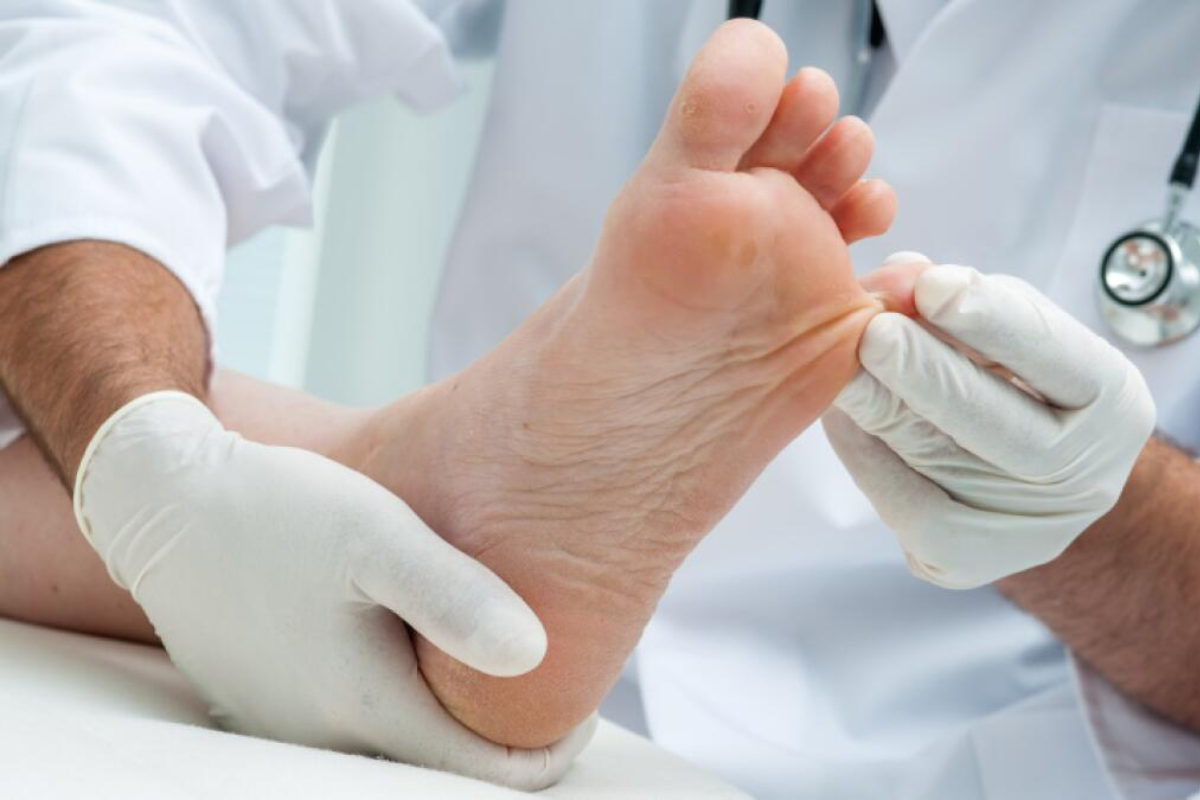
Accurate diagnosis is critical in developing an effective treatment plan. Orthopedic specialists begin with a detailed physical examination of the foot and toes. Ulcer depth, location, and surrounding skin condition are carefully assessed. Imaging studies may be used to determine whether bone involvement or joint damage exists. Vascular assessments help identify circulation issues that could slow healing. Sensory testing evaluates nerve function and protective sensation. Gait analysis reveals pressure patterns contributing to ulcer formation. These diagnostic tools allow for targeted and personalized treatment.
Non Surgical Orthopedic Treatment Options for Toe Ulcers
Many toe ulcers respond well to non surgical orthopedic interventions. Offloading techniques are used to reduce pressure on the affected toe during walking. Custom orthotics redistribute weight and correct biomechanical imbalances. Specialized footwear provides adequate space and reduces friction. Immobilization may be recommended in cases where movement delays healing. Activity modification helps minimize repetitive stress on the wound. Regular monitoring ensures adjustments are made as healing progresses. These strategies promote healing while preventing further damage.
Advanced Wound Care Approaches Within Orthopedic Treatment
Advanced wound care plays an important role alongside orthopedic correction. Debridement removes dead tissue that interferes with healing. Infection control is carefully managed to prevent deeper complications. Moist wound environments are maintained to support tissue regeneration. Dressings are selected based on wound characteristics and healing stage. Orthopedic specialists coordinate wound care with pressure reduction strategies. This combined approach addresses both surface healing and underlying causes. Consistent care improves outcomes and reduces recurrence risk.
Surgical Interventions for Chronic or Recurrent Toe Ulcers
Surgical treatment may be considered when toe ulcers do not heal with conservative care. Orthopedic surgery aims to correct structural deformities causing pressure points. Procedures may involve tendon release or bone realignment. By reducing abnormal pressure, surgery supports long term healing. Surgical intervention is typically planned carefully to minimize recovery risks. Post operative care includes protective footwear and activity adjustments. When appropriately selected, surgery can significantly reduce ulcer recurrence.
The Importance of Footwear in Orthopedic Toe Ulcer Care
Footwear plays a critical role in orthopedic treatment for toe ulcers. Shoes must provide sufficient depth to prevent toe compression. Soft interior materials reduce friction and irritation. Rocker sole designs help distribute pressure evenly across the foot. Custom molded shoes are often recommended for high risk patients. Footwear should accommodate orthotics without altering fit. Regular assessment ensures shoes continue to meet healing needs. Proper footwear supports both treatment and prevention.
Preventing Recurrence Through Orthopedic Strategies
Preventing future toe ulcers requires ongoing orthopedic management. Long term use of custom orthotics helps maintain proper alignment. Routine evaluations identify changes in foot structure over time. Pressure redistribution strategies are adjusted as needed. Patient education encourages daily foot inspections. Consistent follow up reduces the risk of unnoticed injuries. Preventive care preserves mobility and independence. Orthopedic strategies focus on sustainable foot health.
Toe Ulcers in High Risk Populations
Certain populations are more vulnerable to developing toe ulcers. Individuals with diabetes face increased risk due to nerve and circulation issues. Older adults may experience reduced mobility and skin resilience. Patients with arthritis often develop joint deformities that increase pressure. Athletes can experience repetitive toe stress from training. Neurological conditions further compromise sensation and balance. Orthopedic care adapts treatment plans to each population. Personalized strategies improve safety and healing outcomes.
How Orthopedic Treatment Improves Mobility and Quality of Life
Orthopedic treatment for toe ulcers directly impacts mobility and comfort. Reducing pain allows patients to walk more naturally. Improved alignment decreases strain on surrounding joints. Preventing infection protects overall health. Healing ulcers restore confidence in daily activities. Long term care supports independence and function. Orthopedic intervention enhances both physical and emotional well being. Quality of life improves when foot health is restored.
What to Expect During an Orthopedic Care Plan for Toe Ulcers
Patients can expect a structured and supportive care plan. Initial visits focus on evaluation and diagnosis. Treatment strategies are explained clearly and adjusted over time. Follow up appointments monitor healing progress. Orthotic and footwear modifications are refined as needed. Patient education remains a key component. The goal is sustainable healing and prevention. Collaborative care ensures comprehensive support.
Choosing the Right Orthopedic Specialist for Toe Ulcer Treatment
Selecting the right provider influences treatment success. Look for specialists experienced in foot and ankle conditions. Multidisciplinary collaboration enhances outcomes. Clear communication helps patients understand their care plan. Accessibility and follow up availability are important factors. A patient centered approach builds trust. Proper expertise ensures safe and effective treatment. Choosing wisely supports long term foot health.
Key Orthopedic Treatment Components for Toe Ulcers
Below are essential elements often included in orthopedic treatment plans
- Pressure offloading strategies to reduce stress on the toe
- Custom orthotics designed for individual biomechanics
- Specialized footwear to protect healing tissue
- Gait correction to prevent repetitive injury
- Ongoing monitoring and adjustment of treatment
These components work together to promote healing and prevent recurrence.
Frequently Asked Questions About Orthopedic Treatment for Toe Ulcers
What makes orthopedic treatment essential for toe ulcers
Orthopedic treatment addresses the mechanical causes of ulcers rather than just the wound itself. By correcting pressure and alignment issues, healing becomes more effective and lasting.
How long does orthopedic treatment for toe ulcers usually take
Healing time varies depending on ulcer severity and patient health. Many cases require several weeks to months of consistent care.
Can toe ulcers heal without surgery
Yes many toe ulcers heal with non surgical orthopedic care. Surgery is typically reserved for chronic or recurrent cases.
Are custom orthotics necessary for every patient
Not every patient needs custom orthotics but many benefit from them. Orthotics are prescribed based on individual needs and foot structure.
How can orthopedic care prevent future toe ulcers
By correcting pressure distribution and foot mechanics, orthopedic care reduces the likelihood of skin breakdown.
When should someone seek orthopedic care instead of home treatment
Professional care is recommended when wounds do not heal, worsen, or show signs of infection.
Takeaway
Orthopedic Treatment for Toe Ulcers focuses on more than wound care by addressing the underlying causes that prevent healing. Through biomechanical correction, pressure management, and personalized care, orthopedic strategies promote long term recovery and prevention. Early evaluation and consistent treatment significantly reduce complications and recurrence. Patients benefit from improved mobility, comfort, and confidence. Choosing orthopedic care is an important step toward protecting foot health and overall quality of life.