Waterproofing is a critical aspect of construction, ensuring that structures remain resilient against water damage and moisture intrusion. In this blog post, we delve into the world of waterproofing, exploring various techniques and materials to provide you with a comprehensive understanding of this essential aspect of building maintenance and construction.
Understanding Waterproofing:
Waterproofing refers to the process of making a structure impervious to water, preventing water infiltration and damage. Whether it’s a building, basement, or roof, effective waterproofing is crucial for maintaining structural integrity and longevity. Factors such as weather conditions, building materials, and construction methods play key roles in determining the effectiveness of waterproofing solutions.
Types of Waterproofing Techniques:
- Surface Waterproofing: Surface waterproofing involves applying sealants or coatings directly onto the surface of the structure to create a barrier against water penetration. While it’s relatively easy to apply, surface waterproofing may require periodic reapplication and may not be suitable for all situations.
- Integral Waterproofing: Integral waterproofing involves adding waterproofing additives directly into concrete or mortar during mixing. This method enhances the overall durability and water resistance of the structure from within. Integral waterproofing is particularly effective in preventing water infiltration through cracks and joints.
- External Waterproofing: External waterproofing focuses on protecting the exterior of the structure from water intrusion. This may involve the installation of external membranes, drainage systems, or protective coatings. External waterproofing is especially important for below-ground structures such as basements and foundations.
- Internal Waterproofing: Internal waterproofing techniques address water issues from within the structure. This may include the installation of interior drainage systems, vapor barriers, or waterproof coatings on interior surfaces. Internal waterproofing complements external methods, providing an additional layer of protection against moisture.
Waterproofing Materials Demystified:
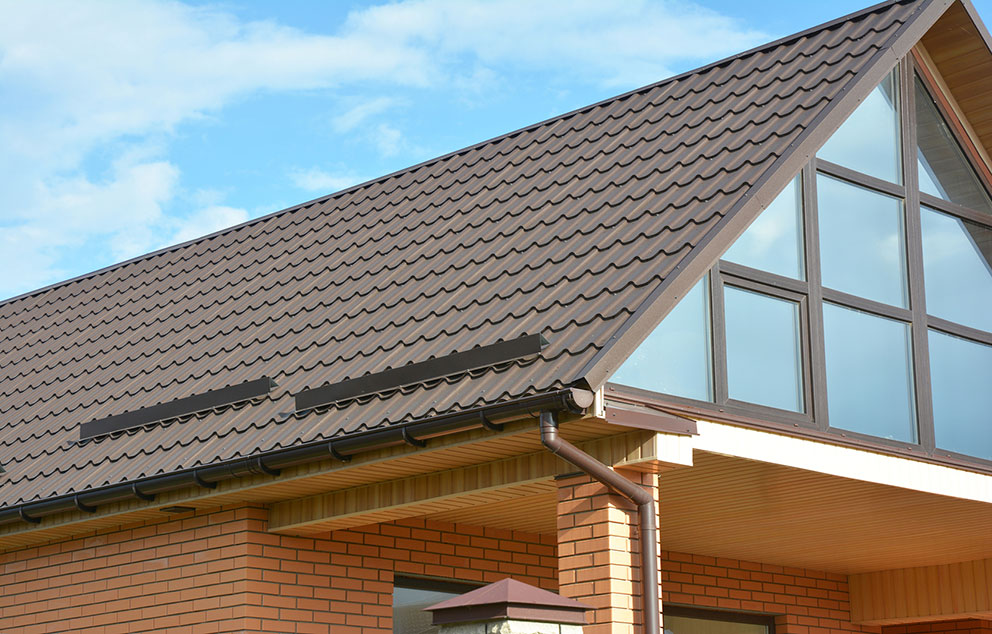
- Bituminous Coatings: Bituminous coatings are asphalt-based waterproofing products that provide excellent protection against water penetration. They are commonly used in areas exposed to high levels of moisture, such as roofs and foundations. Bituminous coatings offer good adhesion to various surfaces and are relatively cost-effective.
- Polyurethane Coatings: Polyurethane coatings are highly flexible and durable waterproofing materials suitable for a wide range of applications. They adhere well to different surfaces and can withstand temperature fluctuations and UV exposure. Polyurethane coatings are commonly used in areas prone to movement or expansion, such as balconies and terraces.
- Elastomeric Membranes: Elastomeric membranes are rubber-based waterproofing materials known for their elasticity and crack-bridging ability. They form a seamless, flexible barrier that can accommodate structural movements without compromising waterproofing integrity. Elastomeric membranes are ideal for areas subjected to heavy foot traffic or dynamic loads.
- Cementitious Waterproofing: Cementitious waterproofing compounds are cement-based coatings that provide effective protection against water infiltration. They bond well to concrete substrates and can withstand hydrostatic pressure. Cementitious waterproofing is commonly used in below-grade applications such as basements and tunnels.
Best Practices for Effective Waterproofing:
To ensure the effectiveness of waterproofing solutions, it’s essential to follow best practices:
- Proper surface preparation before applying waterproofing materials.
- Adherence to manufacturer’s instructions for application and curing.
- Regular maintenance and inspection to identify and address any potential issues promptly.
- e importance of proper waterproofing techniques.
Future Trends in Waterproofing:
The future of waterproofing is shaped by emerging technologies and sustainability trends:
- Development of eco-friendly waterproofing materials and practices.
- Integration of smart technologies for real-time monitoring and maintenance.
- Continued innovation in waterproofing solutions for enhanced durability and performance.
Takeaway
Effective waterproofing is essential for maintaining the integrity and longevity of structures. By understanding the various techniques and materials available, as well as following best practices, you can ensure optimal protection against water damage and moisture intrusion in your construction projects. Remember, investing in quality waterproofing today can save you significant costs and headaches in the future. If you’re in Singapore and looking for professional waterproofing solutions, consider reaching out to a reputable waterproofing company Singapore to ensure your project’s success and longevity.