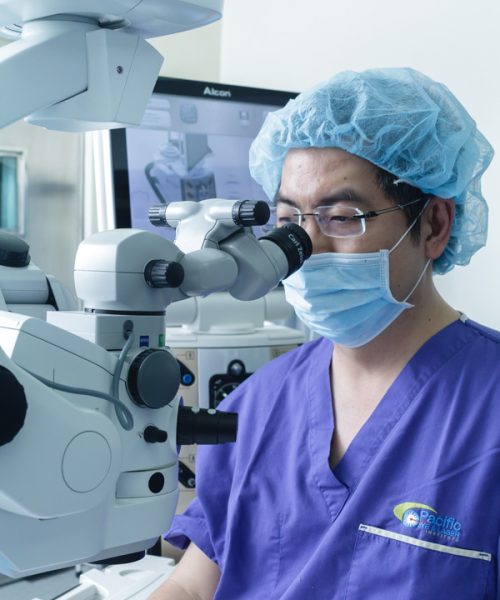

Vision problems can sometimes signal deeper neurological concerns, especially when they are linked to conditions affecting the brain. Brain tumors may interfere with the complex communication between the brain, optic nerves, and eyes, leading to a wide range of visual disturbances. Because the visual system is closely connected to neurological pathways, even small changes within the brain can affect how a person sees.
Proper evaluation and care are essential when these symptoms appear. Specialized Neuro-Ophthalmology Treatment focuses on diagnosing and managing vision issues that originate from neurological conditions such as brain tumors. Through a combination of neurological and ophthalmic expertise, specialists can determine the underlying cause of visual changes and create an effective treatment plan.
Patients seeking expert care for complex visual conditions often turn to Peregrine Eye and Laser Institute. Known for its advanced diagnostic capabilities and experienced specialists, the clinic provides comprehensive Neuro-Ophthalmology Treatment designed to address vision issues caused by neurological disorders.
Understanding the Connection Between Brain Tumors and Vision Problems
Brain tumors can affect several areas responsible for vision. The optic nerves, optic chiasm, and visual pathways within the brain transmit visual signals from the eyes to the brain for interpretation. When a tumor grows near or within these structures, it can disrupt the normal transmission of visual information.
Because of this disruption, individuals may experience symptoms that appear to be eye-related but actually originate in the brain. For some patients, vision changes may even be the first noticeable sign of a neurological condition.
Through specialized examinations and testing, Neuro-Ophthalmology Treatment helps identify whether vision problems are caused by neurological issues such as tumors, nerve compression, or increased intracranial pressure. Early detection through this specialized approach can significantly improve treatment outcomes and help prevent permanent vision damage.
Common Vision Issues Caused by Brain Tumors
Brain tumors can cause a variety of visual disturbances depending on their size and location. These symptoms may develop gradually or appear suddenly.
One of the most common symptoms is blurred vision, which occurs when the brain cannot properly interpret visual signals. Some patients experience double vision, also known as diplopia, which happens when eye muscles or nerve control are affected.
Visual field loss is another frequent problem. This condition causes a person to lose part of their side or peripheral vision. Tumors pressing on the optic chiasm, for example, can lead to the loss of vision on both outer sides of the visual field.
Eye movement abnormalities may also occur. Patients may struggle to focus or notice that their eyes do not move together properly. Increased pressure within the skull, caused by tumor growth, can also lead to swelling of the optic nerve, resulting in further vision problems.
Through proper evaluation and monitoring, Neuro-Ophthalmology Treatment helps detect these symptoms early and manage them effectively.
The Role of Neuro-Ophthalmology Treatment in Diagnosis
Accurate diagnosis is essential when dealing with vision problems related to brain tumors. Neuro-ophthalmologists specialize in identifying conditions where the nervous system and visual system overlap.
During Neuro-Ophthalmology Treatment, specialists perform detailed eye examinations that evaluate visual acuity, visual fields, pupil responses, and eye movement coordination. These tests help determine whether vision problems are linked to neurological causes.
Advanced diagnostic tools are also used to support accurate evaluation. Visual field testing measures peripheral vision and can detect patterns of vision loss that suggest pressure on specific parts of the brain. Optical coherence tomography (OCT) allows doctors to examine the optic nerve and retinal structures in high detail.
Neuro-imaging studies such as MRI scans are often coordinated with neurological teams to identify tumors or abnormalities within the brain. Through this comprehensive diagnostic process, Neuro-Ophthalmology Treatment ensures that patients receive a clear and accurate understanding of their condition.
Many patients rely on the expertise available at Peregrine Eye and Laser Institute, where advanced technology and experienced specialists work together to provide precise diagnosis and effective care.
Treatment Options for Brain Tumor-Related Vision Problems
Treatment plans for brain tumor-related vision problems vary depending on the tumor’s location, size, and impact on the visual system. Neuro-Ophthalmology Treatment plays an important role in guiding patients through appropriate management strategies.
Medical therapy may be used to reduce swelling or inflammation affecting the optic nerve. Certain medications can help relieve pressure within the brain, improving visual symptoms and preventing further damage.
In some cases, treatment may involve coordination with neurosurgeons or oncologists who address the tumor directly through surgery, radiation therapy, or other medical interventions. Neuro-ophthalmologists continue monitoring the patient’s vision before, during, and after these treatments.
Vision rehabilitation may also be recommended for individuals experiencing long-term visual impairment. This approach helps patients adapt to vision changes and maintain independence in daily activities.
Clinics like Peregrine Eye and Laser Institute offer comprehensive Neuro-Ophthalmology Treatment that focuses not only on treating symptoms but also on preserving long-term visual health.
How Neuro-Ophthalmology Treatment Supports Long-Term Vision Health
Managing vision problems caused by brain tumors often requires ongoing monitoring and care. Even after the primary tumor treatment is completed, patients may continue to experience visual challenges that require specialized attention.
Through continuous Neuro-Ophthalmology Treatment, doctors track changes in vision and detect potential complications early. Regular assessments help ensure that visual function remains stable and that new symptoms are addressed promptly.
Patients may also receive guidance on lifestyle adjustments, visual aids, or rehabilitation techniques that improve daily functioning. This long-term approach helps individuals maintain quality of life while protecting their remaining vision.
Specialized centers such as Peregrine Eye and Laser Institute provide ongoing support and expert care for patients dealing with neurological vision disorders.
When to Seek Neuro-Ophthalmology Treatment
Certain warning signs indicate that immediate evaluation by a specialist may be necessary. Sudden vision loss, persistent double vision, or unexplained visual field defects should never be ignored.
Recurring headaches combined with vision disturbances may also signal increased pressure within the brain. Difficulty focusing, abnormal eye movements, or sensitivity to light can sometimes point to neurological causes affecting the visual system.
Seeking prompt Neuro-Ophthalmology Treatment can make a significant difference in identifying underlying conditions and preventing permanent damage. Early intervention allows specialists to determine the root cause and begin appropriate care as soon as possible.
Why Choosing the Right Eye Care Center Matters
Vision problems related to brain tumors require specialized expertise that goes beyond general eye care. Neuro-ophthalmology combines advanced knowledge of both neurology and ophthalmology, making the choice of clinic especially important.
Patients benefit from facilities that offer advanced diagnostic equipment, experienced specialists, and collaborative care with neurological experts. Comprehensive treatment centers ensure that every aspect of the patient’s condition is carefully evaluated.
Many individuals trust Peregrine Eye and Laser Institute for reliable Neuro-Ophthalmology Treatment, thanks to its commitment to high-quality care, modern technology, and patient-focused services.
Takeaway
Brain tumors can significantly affect vision by interfering with the delicate pathways that connect the eyes and the brain. Recognizing the symptoms early and seeking specialized care is essential for protecting visual health and addressing underlying neurological conditions.
Through comprehensive Neuro-Ophthalmology Treatment, patients can receive accurate diagnosis, effective treatment plans, and long-term support for managing vision complications caused by brain tumors. Early evaluation, expert guidance, and advanced diagnostic tools all contribute to better outcomes.
Choosing a trusted provider such as Peregrine Eye and Laser Institute ensures that patients receive expert care tailored to complex vision conditions. With the right medical support, individuals experiencing neurological vision problems can take important steps toward preserving their sight and improving their overall well-being.
FAQ
What is Neuro-Ophthalmology Treatment?
Neuro-Ophthalmology Treatment is a specialized medical approach that focuses on vision problems caused by neurological conditions. It combines expertise in eye care and neurology to diagnose and manage disorders affecting the optic nerves and visual pathways.
Can brain tumors cause vision loss?
Yes. Brain tumors can press on the optic nerves or visual pathways, which may lead to blurred vision, visual field loss, or even permanent vision impairment if left untreated.
What tests are used during Neuro-Ophthalmology Treatment?
Common tests include visual field testing, optical coherence tomography (OCT), eye movement examinations, and imaging studies such as MRI scans to detect abnormalities in the brain.
Are vision problems from brain tumors reversible?
Some vision problems can improve if the tumor is treated early and pressure on the visual pathways is relieved. Early Neuro-Ophthalmology Treatment greatly increases the chances of preserving vision.
Where can patients receive expert Neuro-Ophthalmology Treatment?
Patients seeking specialized care often consult Peregrine Eye and Laser Institute, which provides comprehensive evaluation and treatment for neurological vision disorders.