Hydrocele Removal is a common and effective procedure for treating fluid buildup around the testicle in both adults and children. When left untreated, a hydrocele can cause discomfort, swelling, and sometimes lead to complications. The Specialists Surgery & Cancer Center is recognized as the best provider for Hydrocele Removal, offering expert care for patients of all ages.
Understanding Hydrocele
Hydrocele occurs when fluid accumulates in the sac surrounding the testicle. This condition can affect newborns, children, and adults, often resulting in painless swelling of the scrotum. Many myths surround hydrocele, including beliefs that it always resolves on its own or that it poses serious long-term risks. Understanding the condition is the first step toward effective treatment.
Types of Hydrocele
Hydrocele can present in several forms. Communicating hydrocele occurs when fluid can move between the abdominal cavity and the scrotum, while non-communicating hydrocele is confined to the scrotum. Children often have congenital hydrocele, which develops due to incomplete closure of the processus vaginalis, whereas adults may develop acquired hydrocele due to injury, infection, or inflammation.
Causes of Hydrocele in Children
In children, Hydrocele Removal is often necessary when fluid accumulation persists beyond infancy. The primary cause is the incomplete closure of the processus vaginalis during fetal development. This condition can lead to noticeable swelling shortly after birth or during the first year of life. While most hydroceles in infants resolve naturally, persistent cases require medical evaluation and potential Hydrocele Removal.
Causes of Hydrocele in Adults
Adults typically develop hydrocele due to trauma, infections such as epididymitis, or after surgical procedures in the scrotal area. Chronic medical conditions and inflammation may also contribute to hydrocele formation. Hydrocele Removal is recommended when the swelling causes discomfort, affects daily activities, or poses risk of complications.
Signs and Symptoms of Hydrocele
The most common sign of hydrocele is painless swelling of one or both sides of the scrotum. Some patients may experience a sense of heaviness or mild discomfort. Symptoms that require urgent medical attention include sudden enlargement, redness, pain, or fever, which may indicate infection or other underlying conditions. Children may show similar swelling without any complaints of pain.
How Hydrocele Is Diagnosed
Diagnosis begins with a thorough physical examination. The transillumination test allows doctors to shine a light through the scrotum to detect fluid accumulation. Ultrasound imaging provides confirmation and rules out other testicular conditions. For complicated or recurrent cases, additional tests may be conducted to ensure safe and effective Hydrocele Removal.
When Is Hydrocele Removal Recommended?
Not all hydroceles require immediate surgery. Many pediatric hydroceles resolve on their own during the first year of life. Hydrocele Removal is recommended when the swelling persists beyond infancy, causes discomfort, interferes with daily activities, or shows signs of complications. In adults, Hydrocele Removal is often advised to relieve symptoms, improve quality of life, and prevent potential issues.
Hydrocele Removal Procedures
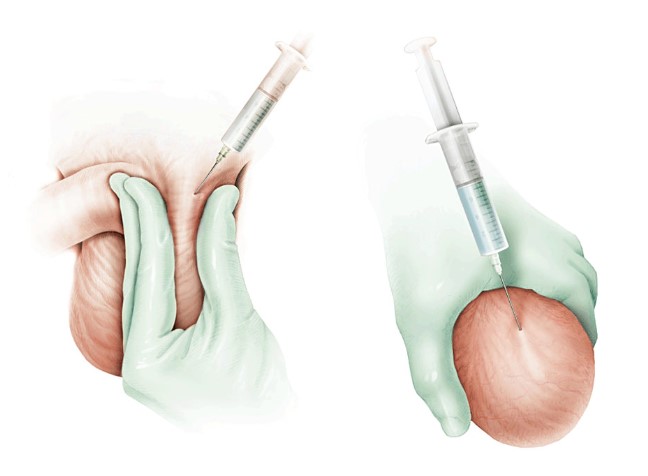
Hydrocele Removal, also called hydrocelectomy, involves surgically draining fluid and closing the sac to prevent recurrence. In children, the procedure is usually quick and performed under general anesthesia. Adult patients may undergo Hydrocele Removal under local or general anesthesia, depending on the extent of the hydrocele and patient preference. The Specialists Surgery & Cancer Center provides expert surgical care ensuring safety and effective outcomes.
What to Expect Before Hydrocele Removal
Before undergoing Hydrocele Removal, patients undergo a comprehensive medical evaluation. Adults may need blood tests, while children’s assessments focus on overall health and anesthesia readiness. Preparing for surgery includes fasting if general anesthesia is used, arranging transportation, and following specific instructions from the surgical team. Asking questions about the procedure, recovery, and potential risks is encouraged.
Recovery After Hydrocele Removal
Recovery from Hydrocele Removal is generally smooth. Patients may experience mild pain, swelling, or bruising, which usually subsides within a few weeks. Children often recover faster than adults. Post-operative care includes keeping the surgical area clean, avoiding strenuous activities, and following medication instructions. The Specialists Surgery & Cancer Center provides detailed recovery guidance to ensure optimal healing.
Risks and Possible Complications
While Hydrocele Removal is safe, potential risks include infection, bleeding, and recurrence of the hydrocele. Rare complications may involve damage to surrounding tissues. Understanding these risks and following post-surgical care instructions minimizes complications and ensures the best outcomes for both children and adults.
Long-Term Outlook After Hydrocele Removal
The success rate of Hydrocele Removal is high, with most patients experiencing complete resolution of swelling and discomfort. Fertility and testicular function are typically not affected. Regular follow-up appointments at The Specialists Surgery & Cancer Center help monitor recovery and ensure long-term health.
Preventing Hydrocele Recurrence
Hydrocele recurrence is uncommon but can occur. Patients are advised to attend follow-up visits, avoid trauma to the scrotum, and address underlying conditions such as infections promptly. Early intervention in children and careful monitoring in adults reduce the likelihood of recurrence.
Takeaway
Hydrocele Removal is a safe and effective solution for treating fluid buildup in the scrotum for adults and children. Timely intervention prevents discomfort and long-term complications. The Specialists Surgery & Cancer Center offers expert care, ensuring safe procedures and optimal recovery. Consulting experienced professionals guarantees the best outcomes for Hydrocele Removal patients of all ages.
Frequently Asked Questions (FAQ)
Is Hydrocele Removal painful?
Patients may feel mild discomfort after surgery, manageable with prescribed pain medication.
How long does Hydrocele Removal take?
The procedure typically lasts 30–60 minutes, depending on age and hydrocele size.
Can hydrocele come back after surgery?
Recurrence is rare but possible. Following post-operative care instructions minimizes the risk.
Is Hydrocele Removal safe for children?
Yes. Pediatric hydrocele surgery is safe and performed routinely by experienced surgeons.
When should hydrocele be treated instead of observed?
Persistent swelling, discomfort, or complications warrant Hydrocele Removal, especially in adults or children beyond one year of age.