LASIK Eye Surgery has revolutionized vision correction, offering a precise and long-lasting solution for individuals struggling with refractive errors. Millions of people experience blurry vision caused by myopia, hyperopia, or astigmatism, and LASIK provides a safe and effective option to regain clear eyesight. Peregrine Eye and Laser Institute is widely recognized for its expertise in performing LASIK Eye Surgery with advanced technology and personalized care.
Understanding Refractive Errors
Refractive errors occur when the shape of the eye prevents light from focusing correctly on the retina. Myopia, also known as nearsightedness, causes distant objects to appear blurry while close vision remains clear. Hyperopia, or farsightedness, makes nearby objects difficult to see, often requiring extra effort for reading or close-up tasks. Astigmatism results from an irregularly shaped cornea, leading to distorted or blurred vision at all distances. Understanding these conditions is essential to recognizing how LASIK Eye Surgery can provide effective correction.
How LASIK Eye Surgery Works
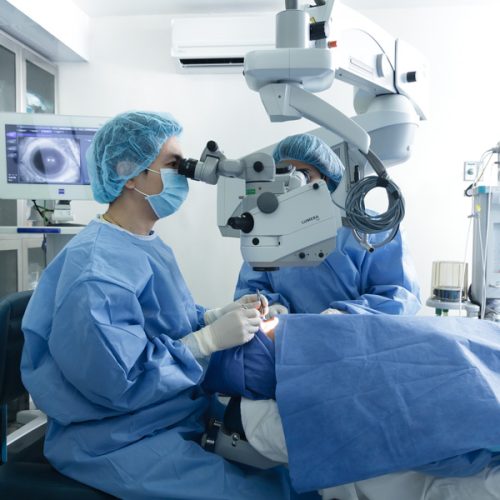
LASIK Eye Surgery reshapes the cornea to correct refractive errors. The procedure begins with the creation of a thin corneal flap, allowing access to the underlying tissue. A precise laser then reshapes the cornea to correct the specific refractive error. Once the cornea is properly reshaped, the flap is repositioned, and natural healing begins. LASIK Eye Surgery is known for its safety, accuracy, and rapid recovery, making it a preferred choice for many seeking freedom from glasses or contact lenses.
Correcting Myopia with LASIK
For patients with myopia, LASIK Eye Surgery flattens the cornea to help focus light directly onto the retina. This adjustment allows distant objects to become clear, reducing or eliminating dependence on corrective lenses. Many patients notice significant improvement in vision within 24 hours, making LASIK Eye Surgery an efficient solution for nearsightedness. Peregrine Eye and Laser Institute provides expert assessment to ensure that LASIK treatments for myopia are customized for each patient’s unique vision needs.
Correcting Hyperopia with LASIK
LASIK Eye Surgery treats hyperopia by steepening the cornea, allowing light to focus accurately on the retina for clear near vision. Patients often experience easier reading, computer use, and other close-up tasks after LASIK correction. Peregrine Eye and Laser Institute ensures that hyperopic patients receive individualized treatment plans, maximizing visual clarity while minimizing risks. The advanced technology used during LASIK Eye Surgery guarantees precision for each patient’s corneal shape.
Correcting Astigmatism with LASIK
Astigmatism occurs when the cornea has an irregular curvature, causing distorted or blurry vision. LASIK Eye Surgery reshapes the cornea to create a smooth, uniform surface, allowing light to focus correctly on the retina. Patients often notice clearer, sharper vision, and a significant reduction in eye strain. At Peregrine Eye and Laser Institute, LASIK procedures for astigmatism are carefully calibrated to address both the degree and axis of the irregularity, ensuring optimal outcomes.
Benefits of LASIK Eye Surgery
LASIK Eye Surgery offers numerous advantages beyond improved vision. Patients can enjoy reduced dependence on glasses or contact lenses, enhanced visual clarity, and a quick recovery period with minimal discomfort. Long-lasting results make LASIK an excellent investment in eye health and quality of life. Peregrine Eye and Laser Institute emphasizes patient safety and comfort while delivering highly effective LASIK treatments tailored to each individual.
Who is an Ideal Candidate for LASIK
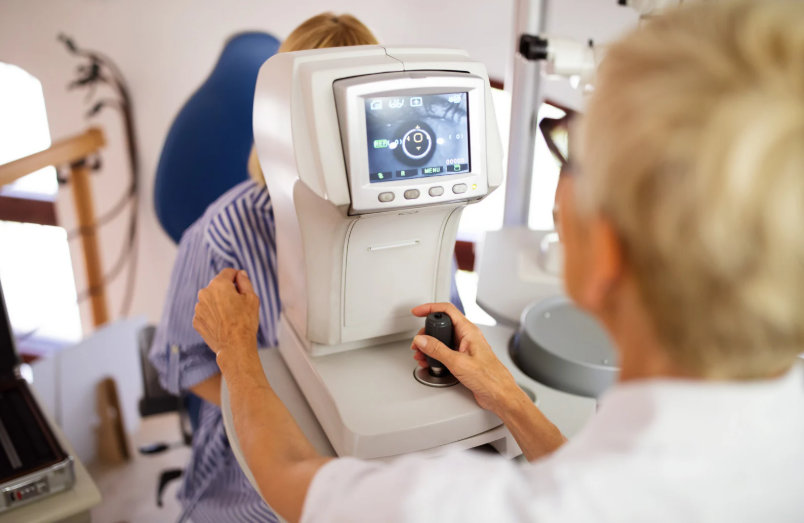
Ideal candidates for LASIK Eye Surgery are typically over 18 years old, have a stable prescription, and do not suffer from severe eye diseases such as glaucoma or significant dry eye. Healthy corneas and realistic expectations are also important for successful outcomes. Peregrine Eye and Laser Institute conducts thorough preoperative evaluations to determine candidacy, ensuring that each patient receives LASIK Eye Surgery safely and effectively.
Risks and Considerations
Like any medical procedure, LASIK Eye Surgery carries potential risks. Common side effects include temporary dry eyes, glare, halos, or minor fluctuations in vision. These effects are usually temporary and manageable. Choosing a reputable provider, such as Peregrine Eye and Laser Institute, ensures that risks are minimized through advanced technology, experienced surgeons, and comprehensive follow-up care.
Choosing the Right LASIK Provider
Selecting the right LASIK provider is crucial for a successful outcome. Peregrine Eye and Laser Institute stands out due to its state-of-the-art equipment, highly trained surgeons, and personalized approach to care. Patients can trust the institute to deliver accurate assessments, safe procedures, and excellent post-surgery support. LASIK Eye Surgery performed by a skilled and experienced provider maximizes results and patient satisfaction.
FAQ
Can LASIK correct all types of myopia, hyperopia, and astigmatism?
Yes, LASIK Eye Surgery is effective for a wide range of refractive errors, though candidacy depends on individual eye health and prescription stability.
How long does recovery from LASIK take?
Most patients notice clear vision within 24 to 48 hours, with full stabilization occurring over a few weeks.
Is LASIK permanent?
LASIK Eye Surgery offers long-lasting results, but natural age-related changes in vision may still occur over time.
Will I still need glasses after LASIK?
Many patients achieve excellent vision without glasses, though some may need reading glasses as they age.
Why choose Peregrine Eye and Laser Institute for LASIK?
The institute combines advanced technology, experienced surgeons, and personalized care to ensure the safest and most effective LASIK Eye Surgery for each patient.