Understanding What Happens When a Cut Becomes Infected
When the skin breaks, it loses its natural ability to block bacteria from entering the body. Even a small cut can become a gateway for harmful microorganisms if it is not cleaned properly. Bacteria such as Staphylococcus and Streptococcus often live harmlessly on the skin but can cause infection once they enter an open wound. The immune system responds by sending white blood cells to fight the invaders, which leads to redness, warmth, and swelling. This response is helpful at first, but it can become harmful if bacteria multiply faster than the body can control. Without proper care, the infection can spread deeper into surrounding tissue. Understanding this process highlights why early infected cut treatment plays a vital role in stopping infection spread before it becomes dangerous.
Early Warning Signs That a Cut Needs Immediate Treatment
An infected cut often shows visible and physical changes that should never be ignored. Redness that expands beyond the wound area is one of the earliest indicators of infection. Swelling and warmth around the cut suggest that the immune system is actively fighting bacteria. Pain that worsens instead of improving over time is another important warning sign. Pus or cloudy discharge usually means bacteria are thriving inside the wound. Some people also experience fever or fatigue, which indicates the infection may be affecting the body more broadly. Recognizing these signs early allows infected cut treatment to stop infection spread before it reaches deeper tissue or the bloodstream.
Why Infected Cut Treatment Is Essential for Infection Control
Proper infected cut treatment is essential because bacteria do not stay confined to one spot. Once established, infection can move into nearby skin, muscles, or even bone. In severe cases, bacteria may enter the bloodstream and cause serious conditions such as sepsis. Treating an infected cut promptly disrupts bacterial growth and prevents this progression. Medical and at home treatments work together to lower bacterial levels and support healing. Ignoring an infected wound allows inflammation to increase and tissue damage to worsen. Effective infected cut treatment stops infection spread by addressing the root cause instead of only masking symptoms.
Cleaning an Infected Cut to Remove Harmful Bacteria
Cleaning is the foundation of infected cut treatment and should never be skipped. Flushing the wound with clean water or saline helps remove dirt, debris, and bacteria. This step reduces the number of microorganisms that can multiply inside the cut. Gentle cleansing also prevents additional tissue damage that could delay healing. Scrubbing too aggressively can worsen inflammation and slow recovery. After cleaning, the area should be gently patted dry with a clean cloth. Consistent cleaning creates an environment where infection spread becomes much harder.
Antiseptics and Their Role in Stopping Infection Spread
Antiseptics are designed to kill or deactivate bacteria on the skin and wound surface. Unlike antibiotics, they work immediately upon contact and do not rely on the immune system alone. Using an appropriate antiseptic after cleaning can significantly reduce bacterial load. This step is especially useful for mild to moderate infections. However, overuse or incorrect application may irritate tissue and slow healing. Choosing the right antiseptic and applying it properly helps infected cut treatment stop infection spread efficiently. Balanced use supports healing while protecting surrounding skin.
Antibiotic Treatments and When They Are Necessary
Antibiotics become necessary when bacteria have moved beyond the surface of the skin. Topical antibiotics are often used for localized infections that have not spread. Oral antibiotics may be required if redness, swelling, or fever continues to worsen. These medications work by killing bacteria or stopping their growth inside the body. It is important to complete the full course even if symptoms improve quickly. Stopping antibiotics too early can allow bacteria to return stronger than before. Responsible antibiotic use ensures infected cut treatment effectively stops infection spread and prevents resistance.
Dressings and Bandages That Promote Healing and Protection
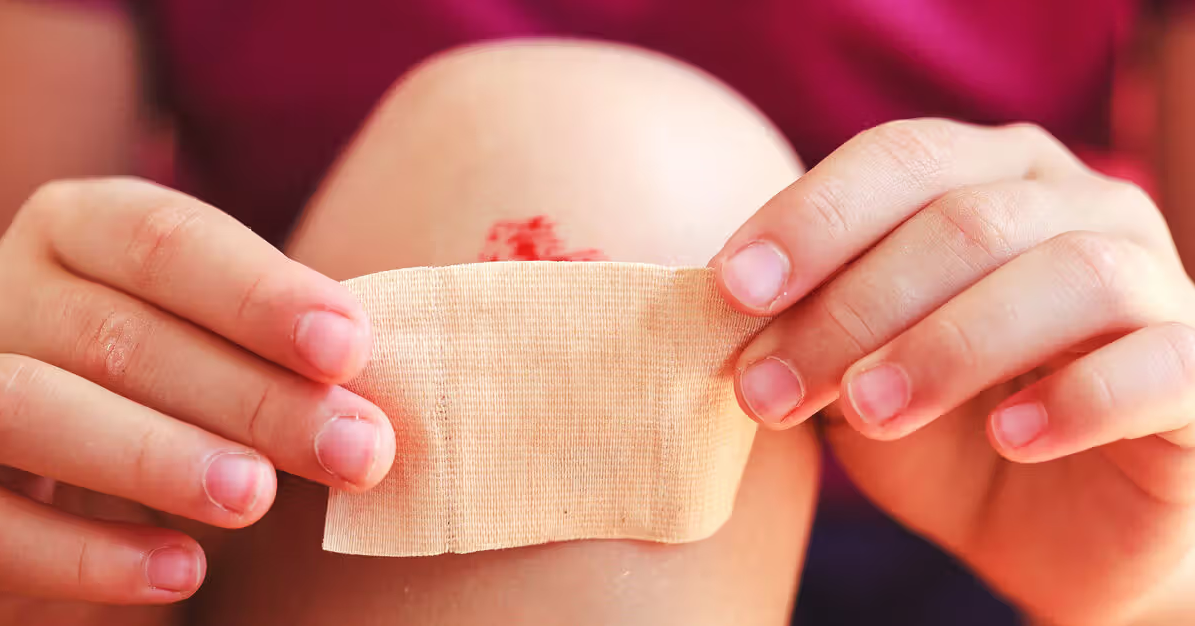
Covering an infected cut is not just about keeping it clean. Modern dressings create a controlled environment that supports healing while blocking bacteria. Moist wound environments have been shown to promote faster tissue repair. Bandages also protect the cut from friction and contamination. Changing dressings regularly prevents bacteria from building up. Choosing the correct size and type of bandage matters more than many people realize. Proper dressing selection helps infected cut treatment stop infection spread while encouraging skin regeneration.
How Infected Cut Treatment Supports Faster Tissue Repair
When infection is controlled, the body can focus on rebuilding damaged skin. Reduced inflammation allows blood vessels to deliver oxygen and nutrients more effectively. Healthy blood flow supports the formation of new tissue. Infected cut treatment also prevents excessive scarring caused by prolonged inflammation. As bacteria decrease, pain and swelling typically improve. This creates a positive cycle where healing accelerates naturally. Treating infection early directly supports faster and healthier recovery.
Special Considerations for High Risk Individuals
Some people face higher risks when dealing with infected cuts. Individuals with diabetes often experience slower wound healing due to reduced circulation. Compromised immune systems make it harder to fight bacteria effectively. Elderly individuals may have thinner skin that tears easily and heals more slowly. Children may not recognize early infection signs or communicate discomfort clearly. In these cases, infected cut treatment should begin sooner and be monitored closely. Medical guidance helps prevent infection spread in vulnerable populations.
When Home Care Is Not Enough
There are situations where home treatment cannot control an infected cut. Rapidly spreading redness or intense pain may indicate a serious infection. Fever or chills suggest bacteria may be affecting the whole body. Pus that continues despite cleaning and antiseptics is another red flag. In these cases, professional medical care is essential. Healthcare providers may drain abscesses or prescribe stronger medications. Seeking help early prevents complications and ensures infected cut treatment stops infection spread safely.
Preventive Measures to Avoid Future Infections
Preventing infection is easier than treating it. Cleaning cuts immediately after injury removes bacteria before they multiply. Covering wounds in dirty environments reduces exposure to germs. Washing hands before touching a cut limits contamination. Monitoring healing progress helps identify problems early. Simple habits make a significant difference in wound outcomes. Prevention reduces the need for aggressive infected cut treatment later.
Common Myths About Treating Infected Cuts
Many myths still exist around wound care. Some believe leaving a cut uncovered helps it heal faster, which often increases infection risk. Others assume pain level always reflects infection severity, which is not true. Home remedies like butter or toothpaste can worsen infection rather than help. Another myth is that antibiotics are always required, even for minor infections. Evidence based care focuses on cleaning, protection, and proper monitoring. Understanding the facts helps infected cut treatment stop infection spread more effectively.
Key Actions That Help Stop Infection Spread
Effective infected cut treatment relies on consistent and informed care practices. These actions work together to protect healing tissue and prevent complications.
• Clean the wound gently and thoroughly
• Apply appropriate antiseptics when needed
• Use clean, protective dressings
• Monitor changes in redness, pain, and discharge
• Seek medical care when symptoms worsen
Following these steps creates a strong defense against infection spread.
FAQ: How Infected Cut Treatment Stops Infection Spread
What is the fastest way to stop an infected cut from spreading?
Early cleaning, antiseptic use, and proper dressing are the most effective methods. Acting quickly reduces bacterial growth and limits tissue damage.
Can an infected cut heal on its own without treatment?
Most infected cuts worsen without care. Treatment is necessary to prevent infection spread and complications.
How long does it take for an infected cut to heal?
Healing time depends on infection severity, overall health, and treatment consistency. Mild infections may improve within days, while severe cases take longer.
Should I cover an infected cut or leave it open?
Covering an infected cut with the right dressing protects it and supports healing. Leaving it open often increases contamination risk.
When should antibiotics be used?
Antibiotics are needed when infection spreads or fails to improve with basic care. A healthcare provider should make this decision.
Can an infected cut cause serious health problems?
Yes, untreated infections can lead to cellulitis, abscesses, or bloodstream infections. Prompt treatment prevents these outcomes.
Takeaway
How Infected Cut Treatment Stops Infection Spread depends on early action, proper cleaning, and informed care choices. Treating infection promptly protects surrounding tissue, speeds healing, and reduces serious health risks. Understanding warning signs and using evidence based treatment methods empowers individuals to manage wounds safely and confidently.