
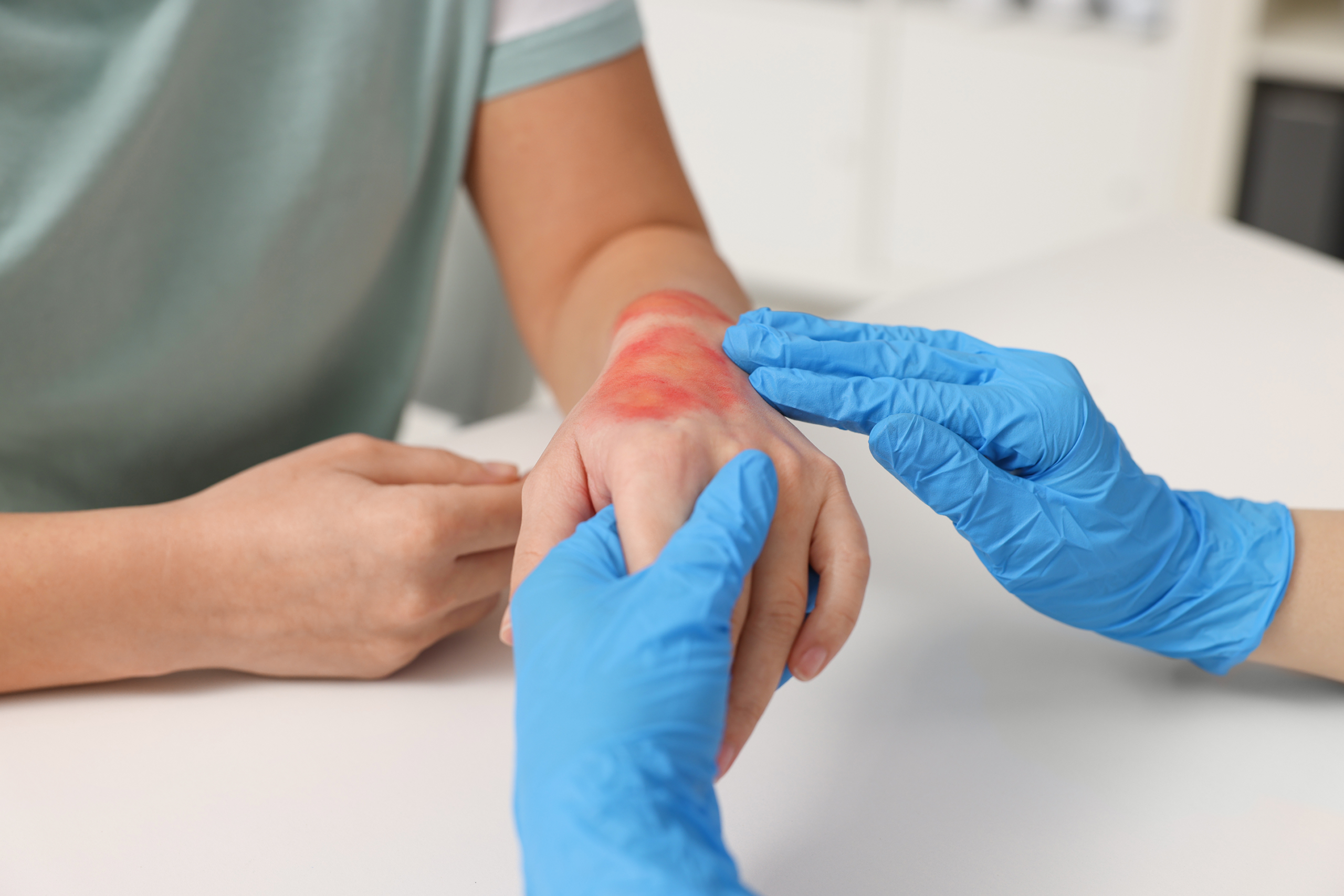
A wound that stays open, returns after treatment, or shows little progress can affect comfort, mobility, sleep, work, and family life. Many people try home care first, yet some wounds need closer medical attention because deeper health issues may slow recovery. A wound care specialist doctor can assess the wound, study possible causes, recommend suitable treatment, and monitor progress over time.
KALINGAP Wound Care Clinic serves patients across Quezon City with compassionate, patient-centred support. The clinic combines advanced wound care methods, ethical medical practice, family participation, education, and close follow-up. Its name comes from the Filipino words “Kalinga,” meaning care, and “Lingap,” meaning nurture. These values guide every patient interaction.
What Does a Wound Care Specialist Doctor Do?
A wound care specialist doctor focuses on wounds that are chronic, complex, recurring, slow to heal, or linked with medical conditions. Care goes far beyond cleaning the area and placing a bandage. The doctor studies the wound type, size, depth, tissue condition, drainage, surrounding skin, pain level, and healing pattern.
The wound care specialist doctor also reviews the patient’s health history. Diabetes, poor blood flow, venous insufficiency, reduced mobility, weak immune response, poor nutrition, repeated pressure, or previous surgery may affect recovery. Each factor matters because wound healing depends on more than the skin surface.
After assessment, the doctor develops an individual care plan. This may cover wound cleaning, dressing selection, pressure relief, infection control, debridement, negative pressure wound therapy, nutrition guidance, caregiver support, and follow-up visits. Treatment choices depend on clinical findings and the patient’s overall condition.
Regular review allows the wound care specialist doctor to measure progress and adjust care when needed. This structured approach helps patients avoid guesswork and supports safer wound management.
When Should You Consult a Wound Care Specialist Doctor?
Some minor cuts improve with proper first aid. Other wounds need professional assessment, especially when healing appears delayed or symptoms worsen.
A consultation may be helpful when a wound shows little improvement after several days, repeatedly opens, produces unusual drainage, develops an unpleasant smell, or causes growing pain. Redness, swelling, warmth, darkening tissue, fever, or sudden changes around the wound also deserve prompt medical attention.
People with diabetes should seek guidance early because reduced sensation may make foot injuries harder to notice. Patients with poor circulation, venous insufficiency, limited mobility, or a weak immune system may also face slower healing.
A wound care specialist doctor can identify risks, recommend the next step, and explain which signs require urgent medical care. Early assessment may reduce the chance of a small wound becoming harder to manage.
Common Wounds That May Need Specialist Care
Different wounds require different methods. A wound care specialist doctor first identifies the wound category before selecting treatment.
Diabetic Foot Ulcers
Diabetic foot ulcers may develop after pressure, friction, minor injury, or unnoticed skin damage. Reduced sensation can prevent a patient from feeling pain, while blood flow concerns may slow recovery. A wound care specialist doctor checks tissue health, drainage, skin condition, pressure points, and possible signs of infection.
Care may include cleaning, proper dressings, pressure reduction, footwear guidance, glucose management support, and regular foot checks. Patient and caregiver education plays a major role because daily observation can help catch changes early.
Pressure Wounds
Pressure wounds may affect people who remain seated or lying down for long periods. Common areas include heels, hips, ankles, elbows, and the lower back. Repeated pressure limits blood supply to the skin and tissue.
A wound care specialist doctor may recommend repositioning schedules, support surfaces, protective dressings, moisture control, and caregiver guidance. Treatment depends on wound depth, tissue condition, and the patient’s mobility.
Venous Leg Wounds
Venous leg wounds often appear around the lower leg or ankle. Swelling, skin discolouration, aching, and recurring skin breakdown may occur. A wound care specialist doctor evaluates the wound and checks factors related to vein function.
Care may involve dressings, swelling control, skin protection, movement guidance, and referral for added medical evaluation when needed. The treatment plan must match the patient’s circulation status and medical history.
Surgical Wounds
Most surgical wounds follow an expected recovery pattern, but some may remain open, drain longer than expected, or show signs of delayed healing. A wound care specialist doctor can assess the area, review surgery details, and recommend suitable care.
Patients should avoid changing treatment methods without professional guidance, especially when stitches, staples, deeper tissue, or infection concerns are present.
Traumatic and Open Wounds
Cuts, falls, punctures, burns, or other injuries may damage deeper tissue. Dirt, foreign material, or repeated movement can also affect healing. A wound care specialist doctor can determine whether the wound needs debridement, specialised dressings, infection control, or referral for another service.
Why Some Wounds Heal Slowly
Healing can slow for many reasons. Diabetes may affect circulation and nerve sensation. Venous insufficiency may cause swelling and fluid build-up around the lower legs. Limited mobility may expose certain body areas to repeated pressure. Poor nutrition can reduce the body’s ability to repair tissue.
Other causes include infection, smoking, dehydration, repeated friction, poor dressing practices, inadequate pressure relief, certain medicines, and delayed medical care. A wound may also struggle to heal when dead or unhealthy tissue remains present.
A wound care specialist doctor looks at the full clinical picture. Rather than treating only the visible wound, the doctor considers medical conditions, daily habits, movement limits, home support, and previous treatment results. This broader view supports better decisions throughout recovery.
What Happens During a Wound Care Consultation?
A first visit usually begins with questions about the wound and the patient’s health. The wound care specialist doctor may ask when the wound first appeared, how it happened, which treatments were tried, whether pain changed, and whether drainage, smell, swelling, or skin colour changed.
The doctor may also review diabetes history, circulation concerns, surgeries, medicines, allergies, mobility, nutrition, and past wound problems.
Next comes a detailed wound assessment. The doctor may measure length, width, and depth, then examine the wound bed and surrounding skin. Drainage amount, tissue type, odour, swelling, tenderness, and signs of infection may also be recorded.
After assessment, the wound care specialist doctor explains the findings and care options. The patient may receive guidance about dressings, cleaning, pressure relief, movement, nutrition, home monitoring, and follow-up appointments.
Clear communication matters. Patients and family members should understand what to do at home, which changes require medical attention, and when the next review should happen.
Advanced Wound Care Options at KALINGAP Wound Care Clinic
KALINGAP Wound Care Clinic offers advanced treatment options for selected patients. A wound care specialist doctor determines whether a method suits the wound type, stage, and medical condition.
Ultrasonic Debridement
Debridement removes dead, damaged, or unhealthy tissue that may block healing. Ultrasonic debridement uses specialised equipment to help clear selected tissue from the wound area.
A wound care specialist doctor assesses whether this method is suitable. The decision depends on wound condition, tissue type, pain level, circulation, and overall health. Proper debridement may support a cleaner wound bed and allow the care team to assess healthy tissue more clearly.
Negative Pressure Wound Therapy
Negative pressure wound therapy uses controlled suction through a special dressing system. This method may help manage drainage and support selected complex wounds.
A wound care specialist doctor reviews wound size, depth, tissue condition, infection concerns, and patient health before recommending this treatment. Regular monitoring remains necessary because dressing changes and pressure settings require professional oversight.
Professional Dressing Selection
No single dressing works for every wound. Some wounds need moisture control, while others need protection from dryness, friction, pressure, or heavy drainage.
A wound care specialist doctor selects dressings based on wound goals. The care team also teaches patients and caregivers how to protect the dressing, keep the area clean, and watch for warning signs between visits.
Infection Control Support
Wounds may become harder to treat when infection is present. KALINGAP follows careful clinical practices and provides patient education about cleanliness, dressing care, and signs that require prompt review.
A wound care specialist doctor may recommend added tests, medicines, or referral when the patient needs care beyond the clinic’s wound services.
Patient-Centred Care for Complex Health Needs
Every patient brings a different health history, family situation, pain experience, and financial concern. KALINGAP Wound Care Clinic gives attention to these personal factors when planning care.
Patients with diabetes, weak immunity, venous insufficiency, mobility limits, or recurring wounds may need closer monitoring. A wound care specialist doctor may work with other healthcare professionals when broader medical support is necessary.
Family participation can also make care easier. Relatives may help with dressing protection, repositioning, foot checks, medicine reminders, transport, nutrition, and appointment attendance. KALINGAP values clear guidance so caregivers understand their role without feeling overwhelmed.
Emotional support matters too. Chronic wounds may cause fear, frustration, embarrassment, or discouragement. Respectful communication helps patients feel heard and supported during each visit.
Filipino Compassion at KALINGAP Wound Care Clinic
KALINGAP reflects Filipino values centred on care, nurturing support, family, and community. The clinic aims to create a calm setting where patients can ask questions and speak openly about their concerns.
A wound care specialist doctor at KALINGAP does more than examine the wound. The care process also gives attention to comfort, dignity, education, and family participation.
This approach matters for patients who have delayed treatment because of fear or cost. Clear explanations and respectful support can make professional wound care feel more approachable.
Making Wound Care More Accessible Across Quezon City
Financial pressure often causes patients to delay medical care. KALINGAP Wound Care Clinic recognises this challenge and supports affordability efforts, outreach programmes, and community partnerships.
The clinic seeks to connect Quezon City residents with responsible wound care before their condition becomes more difficult. Education, preventive guidance, and early assessment form key parts of that commitment.
A wound care specialist doctor can help patients understand their options and focus resources on care that matches actual clinical needs. This practical approach supports families who want safe, ethical treatment without unnecessary procedures.
How Patient Education Supports Better Wound Management
Clinic treatment works best when patients and caregivers follow clear home-care guidance. A wound care specialist doctor may teach proper dressing protection, hand hygiene, pressure reduction, skin checks, foot checks, safe movement, hydration, and nutrition.
Patients should also know which changes require medical attention. Growing pain, new swelling, unusual drainage, fever, spreading redness, foul smell, dark tissue, or sudden wound changes should not be ignored.
Education helps families feel more confident between visits. It also supports consistent care, which matters greatly for chronic wounds.
How to Choose a Wound Care Specialist Doctor
Choosing the right provider requires more than searching for the closest clinic. Patients should look for clear assessment procedures, experience with chronic and complex wounds, advanced treatment options, ethical practice, regular progress checks, and respectful communication.
A strong wound care specialist doctor should explain findings clearly and answer questions without rushing. Patients should receive practical home-care instructions and guidance about follow-up visits.
Family education, clean clinical practices, proper referrals, and sensitivity to financial concerns also matter. KALINGAP Wound Care Clinic brings these priorities together for patients across Quezon City.
Why Choose KALINGAP Wound Care Clinic?
KALINGAP offers compassionate and professional wound care shaped around Filipino patients and families. The clinic combines advanced technology with evidence-based, ethical practice.
Patients may receive access to ultrasonic debridement, negative pressure wound therapy, professional dressing selection, infection control support, and regular monitoring when clinically appropriate.
A wound care specialist doctor at KALINGAP also considers diabetes, venous insufficiency, immune concerns, mobility, nutrition, home support, and emotional well-being. This patient-centred model supports care beyond the wound surface.
Community outreach, affordability efforts, and family participation also reflect KALINGAP’s mission. Quezon City residents can receive guidance from a team that values comfort, dignity, education, and responsible care.
Frequently Asked Questions About a Wound Care Specialist Doctor
What Is a Wound Care Specialist Doctor?
A wound care specialist doctor is a medical professional who assesses and manages chronic, complex, recurring, or slow-healing wounds. The doctor reviews the wound and health factors that may affect recovery.
When Should I Seek Specialist Wound Care?
Seek professional assessment when a wound shows little progress, repeatedly opens, becomes more painful, produces unusual drainage, smells unpleasant, or develops redness, swelling, warmth, or dark tissue. People with diabetes, circulation concerns, or weak immunity should seek advice early.
Can a Wound Care Specialist Doctor Treat Diabetic Foot Ulcers?
Yes, diabetic foot ulcers may form part of specialist wound care. Treatment depends on wound condition, circulation, pressure, infection risk, and diabetes management.
What Is Ultrasonic Debridement?
Ultrasonic debridement is a method that uses specialised equipment to remove selected dead or unhealthy tissue from a wound. A doctor must assess whether it suits the patient.
What Is Negative Pressure Wound Therapy?
Negative pressure wound therapy uses controlled suction through a special dressing system. It may help manage drainage and support selected complex wounds under professional supervision.
How Often Are Wound Care Visits Needed?
Visit frequency depends on wound type, severity, treatment method, health conditions, and progress. A wound care specialist doctor sets a follow-up schedule after assessment.
Can Family Members Help With Wound Care?
Yes. Family members may help with dressing protection, repositioning, foot checks, nutrition, transport, and appointment reminders. Proper instruction from the care team is essential.
Does KALINGAP Wound Care Clinic Serve Quezon City Patients?
Yes. KALINGAP focuses on compassionate and advanced wound care for patients across Quezon City, with strong attention to family support, education, ethical practice, and accessibility.
Why Should a Chronic Wound Not Be Ignored?
A chronic wound may worsen, become infected, or damage deeper tissue when left without proper care. Early assessment gives a wound care specialist doctor more opportunity to identify risks and recommend suitable treatment.
How Should I Prepare for a Wound Care Consultation?
Bring a list of medicines, medical records, details about past treatments, and notes about wound changes. Share information about diabetes, circulation, allergies, pain, drainage, and mobility.