
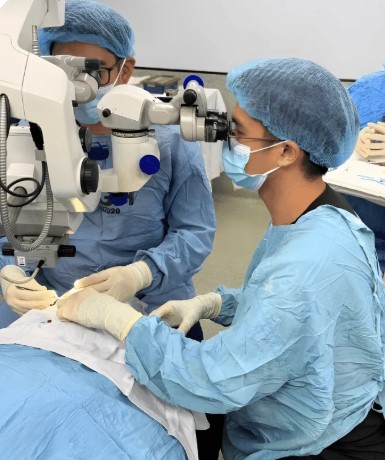
Vision health requires proactive care, especially when dealing with conditions such as Glaucoma. Glaucoma is one of the leading causes of irreversible blindness worldwide, yet many people do not realize they have glaucoma until significant vision loss has occurred. Because glaucoma progresses gradually and affects people differently, treatment strategies should never follow a one-size-fits-all approach.
Effective glaucoma care plans must be tailored to the specific stage of glaucoma and the individual needs of each patient. Early detection allows doctors to slow disease progression, while advanced glaucoma may require more aggressive treatments to preserve remaining vision. Clinics with strong experience in glaucoma management, such as Lee Tan Eye Clinic, specialize in creating personalized glaucoma care plans designed to protect eyesight at every stage.
Understanding how glaucoma progresses and how care plans evolve helps patients make informed decisions about treatment and long-term eye health.
Understanding Glaucoma and How It Progresses
What Is Glaucoma?
Glaucoma refers to a group of eye conditions that damage the Optic nerve, the structure responsible for transmitting visual information from the eye to the brain. This damage is often associated with increased Intraocular pressure, although glaucoma can also occur even when eye pressure remains within normal ranges.
Glaucoma is often called the “silent thief of sight” because symptoms may not appear until the disease has progressed. Without proper glaucoma care and monitoring, permanent vision loss can occur.
Major Types of Glaucoma
Several forms of glaucoma exist, each requiring a slightly different treatment strategy.
The most common form is Primary Open-Angle Glaucoma, which develops slowly as the eye’s drainage system becomes less efficient. Another form is Angle-Closure Glaucoma, which occurs when the drainage angle becomes suddenly blocked and eye pressure rises quickly. Patients may also develop Normal-Tension Glaucoma, where optic nerve damage happens even with normal eye pressure levels. A rarer condition, Congenital Glaucoma, affects infants and young children.
Each type of glaucoma requires careful evaluation and a customized glaucoma care plan. Experienced providers such as Lee Tan Eye Clinic evaluate these variations to determine the most appropriate glaucoma treatment approach.
Stages of Glaucoma Progression
Glaucoma is generally categorized into three main stages: early, moderate, and advanced glaucoma. Early-stage glaucoma may show minimal symptoms, while moderate glaucoma begins to affect peripheral vision. Advanced glaucoma can cause significant vision loss and may threaten central vision if untreated.
Tailoring glaucoma care plans to these stages allows doctors to control eye pressure, reduce optic nerve damage, and protect long-term vision.
Early-Stage Glaucoma Care Plans
Treatment Goals in Early Disease
Early glaucoma treatment focuses on lowering intraocular pressure and preventing additional optic nerve damage. Because vision loss from glaucoma cannot be reversed, the goal is to slow or stop disease progression.
Patients diagnosed early can often manage glaucoma successfully with the right care plan from trusted providers like Lee Tan Eye Clinic.
First-Line Treatments
The most common early glaucoma treatment involves medicated eye drops. Doctors may prescribe medications such as Latanoprost to improve fluid drainage and reduce eye pressure. Another commonly used medication is Timolol, which decreases fluid production within the eye.
Consistent use of glaucoma medications is essential. Skipping doses or stopping treatment can allow eye pressure to increase, accelerating glaucoma progression.
Monitoring Strategy
Patients with early glaucoma require regular monitoring to ensure their glaucoma care plan remains effective. Eye specialists track optic nerve health, monitor intraocular pressure, and perform visual field tests to detect subtle changes.
Lee Tan Eye Clinic emphasizes routine glaucoma monitoring so adjustments can be made before further damage occurs.
Lifestyle Recommendations
Healthy lifestyle choices can complement medical glaucoma treatment. Regular exercise, maintaining healthy blood pressure, avoiding smoking, and eating a nutrient-rich diet may support overall eye health. These habits cannot cure glaucoma, but they can contribute to better long-term outcomes.
Moderate Glaucoma Care Plans
Signs Glaucoma Is Progressing
Moderate glaucoma often becomes noticeable when peripheral vision begins to decline. Patients may have difficulty seeing objects to the side or may notice blind spots forming in their field of vision.
At this stage, doctors may modify the glaucoma care plan to prevent further optic nerve damage.
Combination Treatment Approaches
Moderate glaucoma often requires multiple treatment methods. Patients may continue glaucoma medications while adding procedures such as Selective Laser Trabeculoplasty. This laser treatment improves fluid drainage from the eye and helps lower intraocular pressure.
Laser therapy can reduce the need for additional medications and may be recommended by glaucoma specialists at Lee Tan Eye Clinic depending on the patient’s condition.
More Frequent Monitoring
Moderate glaucoma requires closer follow-up care. Eye specialists may schedule appointments more frequently to ensure treatment is effectively controlling eye pressure and preventing further vision loss.
Ongoing monitoring allows glaucoma care plans to evolve alongside the patient’s needs.
Advanced Glaucoma Care Plans
Goals for Late-Stage Disease
Advanced glaucoma presents significant risks to vision. The primary goal at this stage is preserving remaining sight by aggressively lowering eye pressure and protecting the optic nerve.
Patients with advanced glaucoma should seek care from experienced specialists, such as those at Lee Tan Eye Clinic, who are equipped to manage complex glaucoma cases.
Surgical Treatment Options
When medications and laser therapy are not sufficient, glaucoma surgery may be recommended. One common procedure is Trabeculectomy, which creates a new drainage pathway to reduce eye pressure.
Another option involves implanting a drainage device known as a Glaucoma Drainage Implant to help fluid leave the eye more effectively. Some patients may also benefit from Minimally Invasive Glaucoma Surgery, which uses advanced techniques to lower pressure with smaller surgical incisions.
Specialists at Lee Tan Eye Clinic assess each glaucoma case carefully to determine which surgical approach offers the best results.
Vision Support Strategies
Advanced glaucoma patients may require additional support to maintain independence. Low-vision rehabilitation, assistive technologies, and vision aids can help individuals adapt to visual limitations while maintaining quality of life.
Comprehensive glaucoma care from providers such as Lee Tan Eye Clinic often includes guidance on these supportive resources.
How Doctors Personalize Glaucoma Care Plans
No two glaucoma patients experience the disease in exactly the same way. Doctors develop individualized glaucoma care plans based on several factors, including the stage of glaucoma, age of the patient, overall health, eye pressure levels, and risk of disease progression.
Diagnostic tools such as optic nerve imaging, visual field testing, and intraocular pressure measurements allow specialists to evaluate how glaucoma is affecting the eye. Using this information, clinics like Lee Tan Eye Clinic create personalized treatment plans that evolve as glaucoma progresses.
Importance of Regular Eye Exams for Glaucoma Management
Routine eye examinations are essential for detecting glaucoma early and managing it effectively. Many individuals with glaucoma experience no symptoms until significant damage has occurred.
Eye specialists can detect early signs of glaucoma during comprehensive exams, allowing treatment to begin before vision loss becomes severe. Scheduling regular eye screenings at trusted providers such as Lee Tan Eye Clinic significantly increases the chances of preserving long-term vision.
Living With Glaucoma: Long-Term Care and Monitoring
Living with glaucoma requires long-term commitment to treatment and monitoring. Patients must take medications consistently, attend follow-up appointments, and report any changes in vision immediately.
Strong patient-doctor communication is vital for successful glaucoma management. Clinics like Lee Tan Eye Clinic guide patients through each stage of glaucoma treatment, ensuring they understand their care plan and receive the support needed to maintain eye health.
Takeaway
Effective glaucoma management depends on early detection, personalized treatment, and ongoing monitoring. Tailoring glaucoma care plans to the stage of disease allows doctors to reduce eye pressure, slow optic nerve damage, and preserve vision for as long as possible.
Patients seeking expert glaucoma diagnosis and treatment should consider trusted specialists such as Lee Tan Eye Clinic. With experienced professionals and advanced diagnostic technology, Lee Tan Eye Clinic provides comprehensive glaucoma care designed to protect vision at every stage.
Frequently Asked Questions (FAQs)
What is the main cause of glaucoma?
Glaucoma is most commonly caused by increased intraocular pressure that damages the optic nerve. However, glaucoma can also occur with normal eye pressure levels in certain cases.
Can glaucoma be cured?
Glaucoma cannot currently be cured, but early diagnosis and proper treatment can effectively control the disease and slow vision loss.
How often should glaucoma patients see an eye doctor?
Glaucoma patients typically need eye exams every three to six months, depending on the stage of the disease and the effectiveness of their treatment plan.
Is glaucoma surgery safe?
Glaucoma surgery is generally safe and is often recommended when medications or laser treatments are not sufficient. Specialists at Lee Tan Eye Clinic carefully evaluate each patient to determine the safest and most effective procedure.
Who should get screened for glaucoma?
People over age 40, individuals with a family history of glaucoma, and patients with certain health conditions such as diabetes should undergo regular glaucoma screenings. Early detection remains one of the most effective ways to prevent vision loss from glaucoma.