Understanding Incontinence
Incontinence refers to the involuntary loss of bladder or bowel control, a condition that affects millions of adults worldwide. While often associated with aging, it can occur at any stage of life and stems from a variety of causes, including pregnancy, prostate problems, neurological disorders, obesity, and certain medications. Urinary incontinence, the most common type, includes stress, urge, and mixed incontinence, while fecal incontinence involves a loss of bowel control. Living with incontinence can significantly impact daily life, leading to embarrassment, social withdrawal, disrupted sleep, and even skin issues caused by prolonged exposure to moisture. Understanding the types and causes of incontinence is crucial in identifying the right treatment path. Patients often delay seeking help due to stigma, but professional care can greatly improve quality of life. Recognizing symptoms early allows healthcare providers to design personalized treatment plans that target both the condition and its emotional impact.
The Importance of Professional Incontinence Care
Managing incontinence effectively requires more than just lifestyle adjustments; it involves comprehensive evaluation and ongoing monitoring. Pro-Create Multi-Specialty Clinic in Cabanatuan City offers specialized incontinence care tailored to each patient’s needs. Under the guidance of Dr. Sid Sergio, the clinic provides expert assessment and develops treatment plans that combine medical, surgical, and rehabilitative approaches. Seeking professional care ensures that underlying causes are properly identified and addressed, preventing the condition from worsening. Medical specialists can also provide guidance on the correct use of incontinence products, medication management, and behavioral techniques that patients can apply at home. Professional intervention reduces complications such as urinary tract infections, skin irritation, and mental health challenges associated with long-term incontinence. By accessing expert care, patients gain not only treatment but also reassurance and support throughout the healing journey.
Diagnostic Approaches and Evaluation
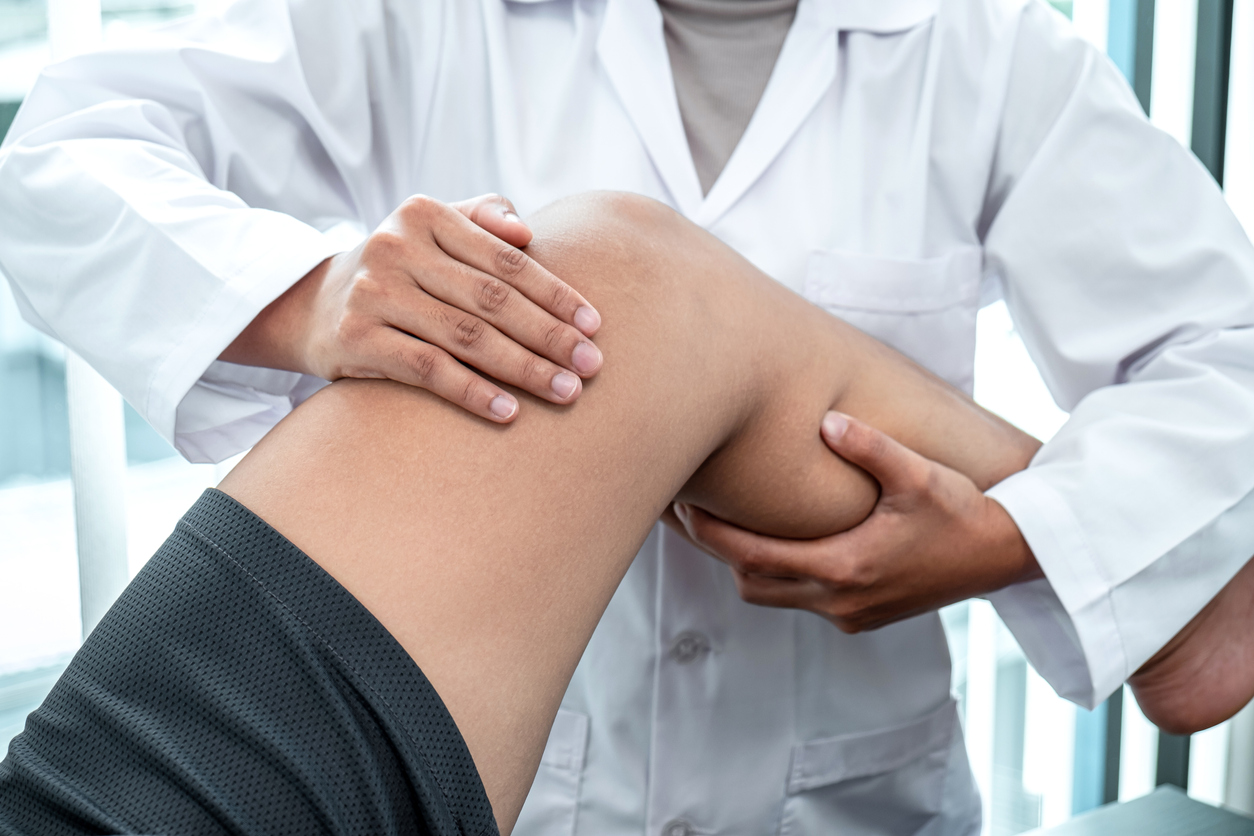
Accurate diagnosis is a critical first step in effective incontinence treatment. The evaluation begins with a detailed medical history, including questions about symptoms, frequency, and lifestyle factors. Physical examinations allow clinicians to assess pelvic floor strength, prostate health, and potential nerve-related issues. Additional diagnostic tests, such as urinalysis, bladder scans, and urodynamic studies, provide insight into bladder function and pinpoint the type of incontinence. Identifying contributing factors such as diabetes, obesity, or medications is essential for creating a personalized treatment plan. At Pro-Create Multi-Specialty Clinic, diagnostic procedures are performed with precision and care to ensure minimal discomfort. Dr. Sid Sergio emphasizes a holistic approach, considering both physical and emotional aspects of incontinence. Patients are encouraged to actively participate in discussions about their symptoms and treatment preferences, fostering trust and collaboration.
Non-Surgical Treatment Options
Many cases of incontinence can be managed effectively through non-surgical methods, which focus on strengthening muscles, modifying behaviors, and controlling symptoms. Lifestyle adjustments often include regulating fluid intake, avoiding bladder irritants like caffeine, and maintaining a healthy weight. Pelvic floor exercises, also known as Kegel exercises, are commonly recommended to improve bladder control by strengthening the muscles that support the bladder and urethra. Physical therapy programs may incorporate biofeedback and bladder training techniques to enhance effectiveness. Medications may be prescribed to relax the bladder, reduce urgency, or manage hormonal imbalances. Incontinence products, such as absorbent pads, protective garments, and catheters, provide practical support for daily activities. These interventions not only alleviate symptoms but also empower patients to regain confidence and independence in their routine lives.
Advanced and Surgical Treatments
For patients with severe or persistent incontinence, advanced therapies and surgical options may be recommended. Minimally invasive procedures, such as injectable bulking agents or nerve stimulation, can improve bladder control without extensive recovery time. In certain cases, surgical interventions, including sling procedures, bladder neck suspension, or artificial sphincters, may provide long-term relief. These treatments are carefully tailored to each patient’s medical history, type of incontinence, and lifestyle needs. Dr. Sid Sergio ensures that patients are fully informed about each procedure, potential risks, and expected outcomes. Surgery is often accompanied by post-operative rehabilitation to optimize results and restore full bladder function. By addressing the root causes, these interventions can transform daily living and reduce dependence on incontinence products. Patients often experience enhanced confidence, improved social interactions, and better overall health after receiving targeted surgical treatment.
Holistic and Ongoing Care
Incontinence management extends beyond initial treatment; ongoing care is essential for maintaining results and preventing recurrence. Regular follow-up appointments allow clinicians to monitor progress, adjust therapies, and provide support for any new symptoms. Mental health support is a critical component, as many patients experience anxiety, embarrassment, or depression related to their condition. Counseling and support groups can help patients navigate emotional challenges while promoting proactive self-care. Caregivers also play an important role by assisting with daily routines, encouraging exercises, and providing emotional support. A holistic approach integrates physical therapy, medication management, lifestyle guidance, and emotional care. Patients are empowered to take control of their health while receiving expert supervision and guidance throughout the recovery journey.
Lifestyle and Preventive Strategies
Preventing incontinence or reducing its severity involves adopting healthy habits and making conscious lifestyle choices. Regular exercise, especially activities that strengthen the core and pelvic muscles, can improve bladder control. Maintaining a healthy weight reduces pressure on the bladder and pelvic floor. Dietary adjustments, such as limiting caffeine, carbonated drinks, and acidic foods, help minimize bladder irritation. Hydration is crucial, but timed fluid intake can prevent frequent urgency or nighttime trips to the bathroom. Smoking cessation is another important preventive measure, as smoking can irritate the bladder and worsen symptoms. Developing a consistent bathroom schedule, known as timed voiding, can help retrain the bladder and reduce accidents. These strategies, combined with professional guidance, form a comprehensive approach to long-term bladder health.
Patient Education and Empowerment
Education is a powerful tool for managing incontinence effectively. Patients who understand their condition are more likely to adhere to treatment plans, engage in exercises, and make informed lifestyle choices. Dr. Sid Sergio emphasizes open communication, encouraging patients to discuss symptoms without embarrassment. Awareness of early warning signs helps patients seek timely care and avoid complications. Educational resources, workshops, and community support groups enhance understanding and provide practical tips for daily management. Empowering patients with knowledge reduces stigma, boosts confidence, and fosters a proactive approach to bladder health. Family members and caregivers also benefit from educational guidance, enabling them to offer informed and compassionate support.
Frequently Asked Questions (FAQ)
What is the most effective incontinence treatment?
The most effective treatment depends on the type and severity of incontinence. Non-surgical methods like pelvic floor exercises, medications, and lifestyle modifications are often first-line options, while surgical interventions may be necessary for persistent cases.
Can incontinence be completely cured?
In some cases, incontinence can be fully resolved, especially when underlying causes are treated. For chronic conditions, symptom management and quality-of-life improvements are the primary goals.
How does Dr. Sid Sergio personalize treatment plans for patients?
Dr. Sid Sergio conducts thorough evaluations, including medical history, physical exams, and diagnostic tests, to tailor treatment plans to individual needs. Plans may combine lifestyle guidance, therapy, medication, and surgical options.
Are incontinence products covered by insurance?
Coverage depends on the insurance provider and plan. Many plans cover medical products prescribed by a physician, but patients should verify their benefits for specific items like catheters or absorbent pads.
When should I see a specialist for incontinence care?
Consult a specialist if incontinence is frequent, worsening, or interfering with daily activities. Early evaluation helps prevent complications and allows for more effective management.
Takeaway
Effective incontinence treatment requires a comprehensive approach that combines medical expertise, personalized care, lifestyle adjustments, and emotional support. Pro-Create Multi-Specialty Clinic in Cabanatuan City, led by Dr. Sid Sergio, provides expert evaluation, advanced therapies, and ongoing guidance to improve bladder control and quality of life. Understanding the causes, exploring available treatments, and adopting preventive strategies empower patients to regain confidence, independence, and comfort in their daily lives. Seeking timely professional care ensures that incontinence is managed safely and effectively, allowing individuals to focus on living well without limitation.