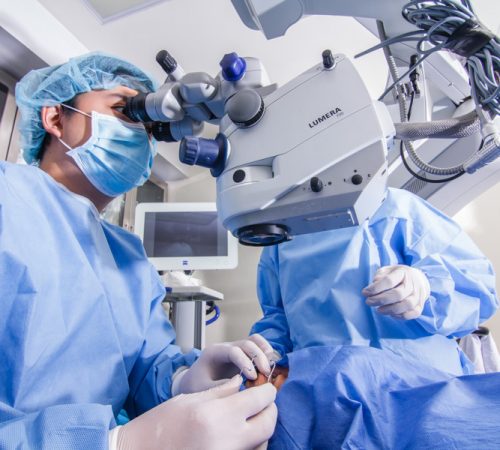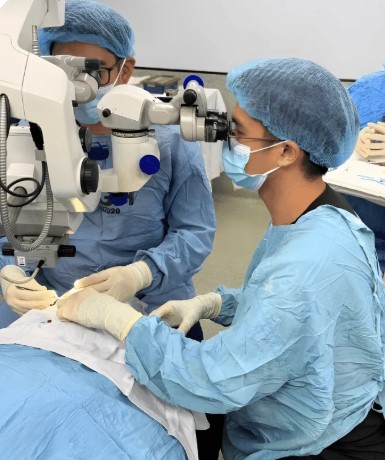

Male fertility plays a major role in a couple’s ability to conceive, yet many people still assume that fertility challenges are mainly linked to women. Medical research shows that male factors contribute to a significant portion of infertility cases, making early evaluation just as important for men. Consulting a qualified doctor for male fertility can help identify concerns early, provide clear answers, and open the door to effective treatment options.
Access to proper care makes a meaningful difference. Clinics that offer integrated fertility, diagnostic, and specialty services give patients a more efficient and supportive experience. A doctor for male fertility works closely with patients to understand their condition and guide them toward solutions that fit their needs.
What Is a Doctor for Male Fertility?
A doctor for male fertility is a medical professional trained to diagnose and treat conditions affecting a man’s ability to conceive. This role is often fulfilled by a urologist with expertise in the male reproductive system or a fertility specialist who focuses on reproductive health.
A urologist evaluates organs such as the testes, prostate, and related structures. This includes identifying physical, hormonal, or functional issues that may affect sperm production or delivery. A doctor for male fertility also interprets diagnostic results, recommends treatment, and coordinates care when additional support is needed.
Choosing the right doctor for male fertility ensures that concerns are addressed using both medical knowledge and a patient-centered approach. Proper guidance can reduce uncertainty and improve outcomes.
Signs You Should See a Doctor for Male Fertility
Several signs may indicate the need to consult a doctor for male fertility. Early consultation helps avoid delays in diagnosis and treatment.
Couples who have been trying to conceive for six to twelve months without success should consider an evaluation. Men with a history of medical conditions such as hormonal imbalance, infections, or prior surgeries may also benefit from early assessment.
Other signs include low sperm count, abnormal semen analysis results, erectile dysfunction, reduced libido, or pain and swelling in the testicular area. Lifestyle factors such as smoking, excessive alcohol intake, poor diet, and high stress levels can also affect fertility.
A doctor for male fertility can assess these factors, identify possible causes, and recommend next steps.
Common Causes of Male Infertility
Male infertility can result from a variety of conditions. A doctor for male fertility works to determine the exact cause through careful evaluation.
Low sperm count remains one of the most common issues. Even when sperm are present, poor motility or abnormal shape can reduce the chances of successful fertilization. Varicocele, which refers to enlarged veins in the scrotum, may affect sperm production and quality.
Hormonal imbalances can disrupt the signals that control sperm production. Genetic conditions may also play a role. Infections can interfere with sperm health or block the reproductive tract.
Lifestyle factors contribute significantly as well. Smoking, alcohol use, obesity, lack of exercise, and exposure to toxins can all affect sperm health. A doctor for male fertility considers all these possibilities when forming a diagnosis.
What to Expect During Your First Consultation
A visit to a doctor for male fertility typically begins with a detailed discussion of medical history. This includes past illnesses, surgeries, medications, and lifestyle habits. Understanding these factors helps guide the evaluation process.
A physical examination follows, focusing on the reproductive organs. The doctor may check for abnormalities such as swelling, blockages, or structural concerns.
Initial tests are often recommended. Semen analysis is one of the most important, as it provides information about sperm count, movement, and shape. Blood tests may be ordered to evaluate hormone levels. Imaging studies may also be suggested if needed.
A doctor for male fertility explains each step clearly, ensuring that patients understand the purpose of every test and what the results may indicate.
Male Fertility Tests and Diagnosis
Accurate diagnosis is essential for effective treatment. A doctor for male fertility relies on several diagnostic tools to identify the root cause of infertility.
Semen analysis remains the primary test. It evaluates sperm concentration, motility, and morphology. Abnormal results may require repeat testing for confirmation.
Hormone testing measures levels of testosterone and other hormones that influence sperm production. Imaging techniques such as ultrasound can help detect structural problems, including varicocele or blockages.
Additional tests may be recommended based on initial findings. A doctor for male fertility uses these results to create a clear picture of the patient’s condition and guide treatment decisions.
Treatment Options for Male Infertility
Treatment plans vary depending on the underlying cause. A doctor for male fertility tailors recommendations to suit each patient’s condition and goals.
Lifestyle changes often serve as a starting point. Improving diet, increasing physical activity, reducing stress, and avoiding harmful habits can improve sperm health over time.
Medications may be prescribed to address hormonal imbalances or infections. These treatments aim to restore normal function and improve fertility.
Surgical options may be considered for certain conditions. Varicocele repair or procedures to correct blockages can improve sperm production or delivery.
Assisted reproductive techniques may also be recommended. These approaches are often coordinated with fertility specialists to improve the chances of conception.
A doctor for male fertility monitors progress and adjusts treatment as needed to achieve the best possible outcome.
Why Choose a Multi-Specialty Fertility Clinic
A multi-specialty clinic offers several advantages for patients seeking a doctor for male fertility. Access to different medical experts in one location allows for coordinated care and faster decision-making.
Collaboration between urologists and OB-GYN specialists ensures that both partners receive proper evaluation. On-site diagnostic services make testing more convenient and reduce waiting time for results.
This approach allows a doctor for male fertility to work closely with other specialists, creating a complete care plan that addresses all aspects of fertility. Patients benefit from a smoother and more efficient experience.
Male Fertility Care at Pro-create Medical & Diagnostic Clinic
Pro-create Medical & Diagnostic Clinic provides comprehensive care for individuals seeking a doctor for male fertility. The clinic combines urologic expertise, fertility services, and diagnostic support in one setting.
Patients have access to experienced specialists who focus on accurate diagnosis and effective treatment. The clinic also offers OB-GYN services, allowing couples to receive coordinated care.
Modern diagnostic equipment supports reliable testing, while the multi-specialty setup ensures that patients receive complete care without the need to visit multiple locations. A doctor for male fertility at Pro-create works closely with patients to develop personalized treatment plans that address specific concerns.
Accessibility and affordability remain key priorities, making quality care available to a wider community.
Tips to Improve Male Fertility Naturally
Simple lifestyle changes can make a meaningful difference in fertility. A doctor for male fertility often recommends starting with these steps.
Maintaining a healthy weight supports hormone balance and sperm production. Regular exercise improves overall health and reduces stress. A balanced diet rich in nutrients supports reproductive function.
Avoiding smoking and limiting alcohol intake can improve sperm quality. Managing stress through relaxation techniques or hobbies may also help.
Regular check-ups with a doctor for male fertility ensure that any changes in health are addressed promptly.
When to Seek Help
Timing plays an important role in fertility care. Couples who have been trying to conceive for six to twelve months without success should consider consulting a doctor for male fertility.
Earlier consultation may be recommended for individuals with known risk factors or existing health conditions. Seeking help sooner allows for earlier diagnosis and more treatment options.
A doctor for male fertility provides guidance, answers questions, and helps patients move forward with confidence.
Takeaway
Male fertility is an important part of reproductive health, and seeking the help of a qualified doctor for male fertility can make a significant difference. Early evaluation, accurate diagnosis, and personalized treatment all contribute to better outcomes.
Support from a trusted clinic ensures that patients receive the care they need at every step. With the right guidance, many men can address fertility concerns and improve their chances of starting or growing a family.
Frequently Asked Questions
What does a doctor for male fertility do?
A doctor for male fertility diagnoses and treats conditions that affect a man’s ability to conceive. This includes evaluating sperm health, identifying underlying issues, and recommending treatment options.
When should someone see a doctor for male fertility?
Consultation is recommended after six to twelve months of trying to conceive without success, or earlier if there are known health concerns.
What tests are done by a doctor for male fertility?
Common tests include semen analysis, hormone testing, and imaging studies to check for structural issues.
Can male infertility be treated?
Many cases can be treated through lifestyle changes, medication, surgery, or assisted reproductive techniques. A doctor for male fertility determines the best approach based on the cause.
Does lifestyle affect male fertility?
Yes. Diet, exercise, smoking, alcohol use, and stress all influence sperm health. A doctor for male fertility often recommends lifestyle improvements as part of treatment.
Where can someone find a doctor for male fertility?
Multi-specialty clinics with urology and fertility services offer comprehensive care, making it easier to access diagnosis and treatment in one place.