Knee replacement surgery can offer major relief for people living with severe arthritis, chronic knee pain, or loss of mobility. Yet surgery is not a perfect answer for every patient. A replacement joint brings possible complications, a demanding recovery period, lifestyle changes, and the chance that another operation may eventually become necessary.
Understanding the disadvantages of knee replacement surgery helps patients weigh expected benefits against possible drawbacks. Careful discussion with an orthopedic surgeon can also clarify whether surgery fits a patient’s diagnosis, health status, activity goals, and previous response to conservative care.
What Happens During Knee Replacement Surgery?
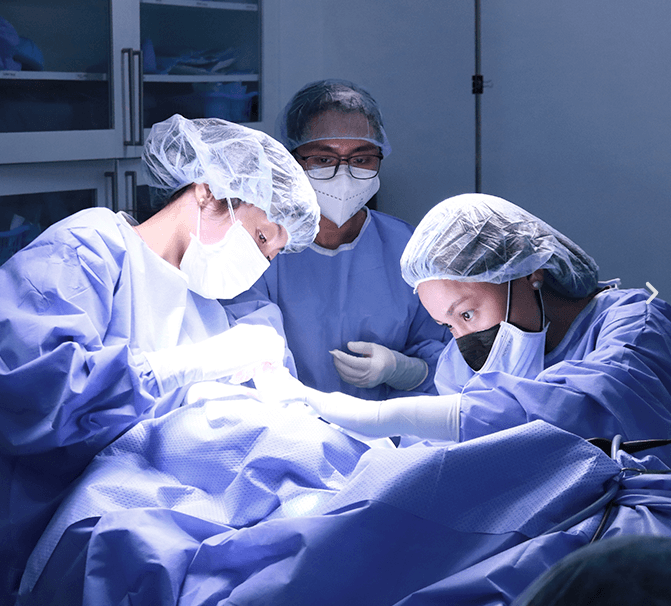
Knee replacement, also called knee arthroplasty, replaces damaged joint surfaces with artificial components. A surgeon removes damaged cartilage and small portions of bone, then positions metal and medical-grade plastic parts designed to restore smoother movement.
The procedure may be considered when severe knee arthritis causes persistent pain, stiffness, difficulty walking, poor sleep, or reduced ability to complete normal daily activities. It may also become an option after nonsurgical treatments no longer provide enough relief.
Knee replacement has a strong record of helping many patients reduce pain and regain function. Still, possible disadvantages of knee replacement surgery deserve careful attention before treatment decisions are made. The American Academy of Orthopaedic Surgeons describes total knee replacement as generally safe and effective while also noting risks such as infection, blood clots, stiffness, persistent pain, and implant-related problems.
Why Patients Should Understand the Disadvantages of Knee Replacement Surgery
Expectations matter. A replacement knee can greatly reduce arthritis pain, yet an artificial joint does not become a biologic knee again. Some patients notice clicking, stiffness, numbness near the scar, or limits with certain activities. Others may need several months before strength, confidence, and mobility feel close to normal.
A good surgical decision looks beyond X-rays alone. Pain severity, walking tolerance, work demands, medical history, age, activity preferences, prior treatments, and personal goals all deserve consideration.
Learning about the disadvantages of knee replacement surgery does not mean surgery should be avoided. The goal is educated decision-making. Patients who know what recovery may require are often better prepared for therapy, wound care, medication schedules, temporary mobility limits, and follow-up visits.
Surgical Infection After Knee Replacement
Infection is one of the complications patients often worry about most. Infection can affect the skin and tissues around the incision or reach deeper structures surrounding the artificial joint.
Possible warning signs may include worsening redness, drainage, fever, chills, increasing swelling, or pain that becomes more severe rather than gradually settling. Deep infection around a prosthetic joint can require antibiotics and, for some patients, another operation.
AAOS notes that serious complications such as knee joint infection occur among a small proportion of patients. NHS guidance also lists wound or joint infection among recognized knee replacement complications.
Patients can lower avoidable risk by following wound-care guidance, reporting concerning symptoms promptly, managing chronic health problems, and following the surgical team’s instructions before and after the procedure.
Blood Clots and Pulmonary Embolism
Blood clot formation is another recognized concern after knee replacement. A clot that forms within a deep leg vein is called deep vein thrombosis, or DVT. Reduced mobility after surgery, tissue trauma, and changes affecting clotting can raise risk during early recovery.
A clot may cause calf pain, tenderness, redness, or swelling. A clot that travels to the lungs can cause pulmonary embolism, which requires urgent medical attention. Sudden shortness of breath or chest pain should never be ignored.
AAOS lists calf pain, tenderness, redness, and new swelling as warning signs of a possible leg clot. Sudden shortness of breath or chest pain can signal pulmonary embolism. NHS guidance also identifies DVT and pulmonary embolism as possible complications after knee replacement.
Prevention may involve early walking, ankle exercises, compression devices, and blood-thinning medication prescribed by the treating team.
Pain May Continue After Knee Replacement
Pain relief is a major reason patients choose knee replacement, but complete pain elimination cannot be guaranteed. Persistent discomfort is therefore one of the disadvantages of knee replacement surgery that deserves realistic discussion.
Ongoing pain can have several possible causes. Scar tissue, soft-tissue irritation, nerve sensitivity, implant position, loosening, instability, or pain arising from another structure may contribute. Persistent pain should be evaluated rather than assumed to be a normal part of recovery.
AAOS states that a small number of patients continue to experience pain after knee replacement.
Patients should also expect some postoperative pain during early healing. Surgical pain usually changes as tissues recover and rehabilitation progresses. Pain that worsens suddenly, appears with fever, causes major swelling, or comes with calf symptoms deserves prompt medical review.
Knee Stiffness and Reduced Range of Motion
A replacement knee needs movement and rehabilitation after surgery. Some patients develop stiffness that makes bending or straightening the knee difficult.
Scar tissue can restrict motion. Pain, swelling, muscle weakness, fear of movement, or delayed rehabilitation may also affect progress. Physical therapy usually focuses on safe knee motion, muscle activation, walking mechanics, and gradual return to everyday tasks.
Severe stiffness can occasionally require additional treatment, such as manipulation under anesthesia. That procedure allows the surgeon to move the knee while the patient is anesthetized, with the aim of breaking restrictive scar tissue.
Limited motion can be frustrating because patients may expect surgery alone to restore flexibility. Recovery requires active participation, which makes rehabilitation demands another practical part of the disadvantages of knee replacement surgery.
Knee Replacement Requires a Significant Recovery Period
Recovery can take several months or longer, according to NHS guidance. Timeframes differ from patient to patient based on age, general health, surgical factors, muscle strength, and rehabilitation progress.
Early recovery may involve a walker, crutches, or another mobility aid. Tasks such as bathing, dressing, preparing meals, climbing stairs, driving, shopping, and household chores may require help for a period.
Physical therapy also demands time and effort. Exercises may feel uncomfortable, especially while swelling and postoperative soreness remain present. Progress may occur gradually rather than day by day.
Patients who work should plan for temporary job limitations. Someone with a desk-based role may return sooner than a person whose job requires lifting, prolonged standing, climbing, or repeated kneeling. Return-to-work timing should come from the treating surgeon based on individual progress.
Nerve or Blood Vessel Injury
Nerves and blood vessels sit close to the structures involved during knee replacement. Injury to these tissues is uncommon, but it remains a recognized surgical risk.
A nerve problem may lead to numbness, weakness, tingling, or altered sensation. Some patients also notice a patch of numb skin near the surgical scar even without major nerve injury.
Blood vessel injury is less common but can affect circulation and may require additional treatment. NHS guidance lists nerve or tissue damage among possible complications after knee replacement.
Patients should report new weakness, major sensory changes, unusual color changes, or severe swelling promptly.
Knee Implants Do Not Last Forever
Artificial knee components are built for long-term use, but they are not permanent biological tissue. Wear can occur over many years. Components can also loosen, shift, or become less stable.
This matters especially for younger patients who may live with the replacement for many decades. A patient who receives a replacement relatively early may face a greater lifetime chance of revision surgery simply because the implant must function for a longer period.
AAOS notes that implant surfaces can wear and components may loosen over time.
Body weight, activity patterns, implant type, alignment, bone quality, and other factors can affect long-term performance. Regular orthopedic follow-up can help assess symptoms and implant condition.
Some High-Impact Activities May Be Limited
A successful knee replacement can support walking, swimming, cycling, golf, and many other lower-impact activities. Yet repeated high-impact loading can place greater stress on artificial components.
Running, jumping, collision sports, or other demanding activities may not be recommended for every patient. AAOS advises patients to discuss appropriate activities after knee replacement and notes that repeated high-impact stress can contribute to implant wear.
For an active patient, such restrictions can be one of the meaningful disadvantages of knee replacement surgery. Surgical success should therefore be judged against personal goals, not only pain scores.
Someone hoping to return to competitive running may have different expectations from someone whose main goal is comfortable walking, stair use, travel, or playing with grandchildren.
Implant Loosening, Wear, or Mechanical Problems
Mechanical problems can develop after knee replacement. Implant loosening may cause pain or reduced confidence while walking. Wear can affect artificial surfaces. Instability can create a sense that the knee shifts or gives way.
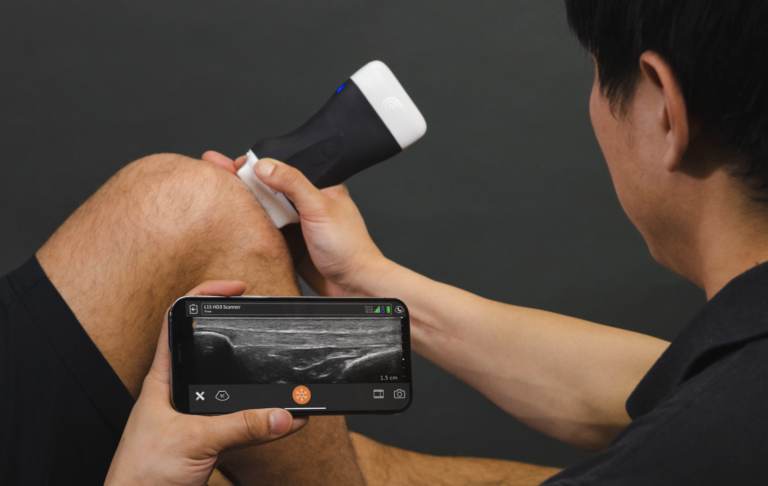
Other problems may involve the kneecap, surrounding soft tissues, alignment, or bone around the implant. Evaluation may require a physical examination, X-rays, blood tests, or other studies depending on symptoms.
Not every new ache means an implant has failed. Knee pain can come from the back, hip, tendons, muscles, or other nearby structures. A proper orthopedic assessment helps identify the actual source.
Revision Knee Replacement May Become Necessary
Revision knee replacement means replacing or repairing part or all of a previous knee implant. Possible reasons include infection, loosening, wear, instability, fracture around the implant, or other mechanical failure.
Revision surgery can be more complex than a first knee replacement because prior implants may need removal and bone loss may need management. Recovery may also differ.
The possibility of future revision is one of the long-term disadvantages of knee replacement surgery, particularly for patients who receive an implant at a younger age.
Anesthesia and General Surgical Risks
Knee replacement is a major surgical procedure. Beyond knee-specific complications, anesthesia and surgery can place stress on the body.
Possible medical complications may affect the heart, lungs, kidneys, or circulation. Risk varies according to age, overall health, medications, and existing medical conditions. NHS guidance states that complication risk depends partly on age and general health.
Preoperative assessment helps the surgical and anesthesia teams identify concerns before the operation. Patients should provide a complete medication list and discuss prior reactions to anesthesia, heart or lung conditions, diabetes, blood-thinning medication, and other relevant health issues.
Emotional and Lifestyle Challenges During Recovery
Physical recovery is only part of knee replacement. Temporary loss of independence can be difficult, especially for people who are normally very active.
Needing help with transportation, meals, bathing, household tasks, or shopping can feel frustrating. Sleep may also be disrupted during early recovery. Progress can vary from week to week, and swelling may continue after activity even as overall function gets better.
Realistic expectations can make this stage easier to manage. Recovery should be measured against the patient’s own progress rather than another person’s experience.
Support from family members, caregivers, physical therapists, and the orthopedic team can also make daily recovery more manageable.
Who May Have a Higher Risk of Knee Replacement Complications?
Risk is personal. Two people of the same age may have very different surgical risk profiles.
Factors that may affect risk include poorly controlled chronic disease, smoking, poor nutrition, active infection, reduced mobility, previous knee operations, cardiovascular disease, or difficulty participating with postoperative rehabilitation.
Body weight may also affect surgical planning and mechanical stress placed on a replacement. Yet one factor alone should not determine whether surgery is appropriate. A full orthopedic and medical assessment is more useful than relying on a single number or diagnosis.
Patients should discuss their own risk profile directly with the treating surgeon.
Can the Disadvantages of Knee Replacement Surgery Be Reduced?
Some risks cannot be eliminated, but careful preparation can reduce avoidable problems.
A thorough orthopedic assessment should establish why the knee hurts and whether joint replacement is likely to address that cause. Physical examination, X-rays, medical history, previous treatment response, and functional limitations help guide that decision.
Before surgery, patients may be asked to manage chronic health conditions, stop smoking, review medications, improve nutrition, or address active infections. Specific recommendations vary according to individual medical needs.
Home preparation also matters. Patients may arrange temporary help, prepare frequently used items at easy-to-reach heights, remove tripping hazards, and plan transportation for early follow-up appointments.
After surgery, wound care, prescribed medication, movement, rehabilitation, clot-prevention measures, and follow-up visits all play important roles. AAOS and NHS patient guidance both stress recovery planning, movement, and attention to warning signs after knee replacement.
Are the Disadvantages of Knee Replacement Surgery Greater Than the Benefits?
No single answer works for every patient.
For someone with severe arthritis, constant pain, major walking difficulty, and poor response to conservative treatment, the potential benefits may outweigh surgical drawbacks. Better mobility and reduced pain can make everyday activities much easier.
For someone with mild symptoms, unclear pain sources, or goals that conflict with expected activity limits after replacement, surgery may not be the best first choice.
The disadvantages of knee replacement surgery should therefore be weighed against current quality of life, severity of joint damage, treatment history, health status, and realistic goals.
A replacement should not be viewed as a routine upgrade for any painful knee. It is a major treatment option for selected patients whose symptoms and joint damage justify the tradeoffs.
Alternatives to Knee Replacement Surgery
Some patients may have options before joint replacement becomes necessary.
Treatment can involve activity modification, physical therapy, weight management, pain medication, anti-inflammatory medication, bracing, walking support, or joint injections. Certain patients may also be candidates for knee-preservation procedures or another type of orthopedic surgery, depending on age, diagnosis, alignment, cartilage damage, and affected joint area.
These choices do not work equally well for every condition. Severe arthritis can eventually reach a point where conservative care no longer gives enough relief.
An orthopedic evaluation can help determine which choices remain reasonable and whether delaying replacement is likely to help or simply prolong severe disability.
Why Orthopedic Evaluation Matters Before Choosing Knee Replacement
The decision to have knee replacement should be based on more than pain alone. A careful assessment considers diagnosis, X-ray findings, knee alignment, range of motion, stability, muscle strength, daily limitations, previous treatments, work demands, health history, and personal goals.
TEC Orthopedics provides orthopedic assessment for patients dealing with knee pain and joint problems. Dr. Lou Mervyn Tec is a board-certified orthopedic surgeon with focused training related to hip and knee care. Patients considering surgery can discuss expected benefits, possible complications, recovery needs, and alternatives before deciding what fits their condition.
A consultation can also help patients understand whether symptoms truly come from advanced knee joint damage or whether another problem may be contributing.
Questions to Ask Before Knee Replacement
Patients considering surgery may want to ask:
- What is causing my knee pain?
- How severe is the joint damage?
- Have reasonable nonsurgical treatments already been tried?
- What benefits can I realistically expect?
- Which disadvantages of knee replacement surgery matter most for my health profile?
- What is my risk of infection or blood clots?
- How much knee motion should I expect after recovery?
- Which activities might I need to avoid?
- How long could rehabilitation take?
- When might I return to work or driving?
- How long is the implant expected to function?
- What could make revision surgery necessary?
- Are knee-preservation options still reasonable for me?
- What steps can I take before surgery to lower avoidable risk?
Good questions help create realistic expectations and make treatment decisions more personal.
Frequently Asked Questions About the Disadvantages of Knee Replacement Surgery
What is the biggest disadvantage of knee replacement surgery?
There is no single biggest drawback for every patient. Some people are most concerned about surgical complications, while others find the recovery period, activity limits, persistent stiffness, or possible future revision more significant. Personal health and goals affect which issue matters most.
Can knee replacement cause permanent pain?
Persistent pain can occur after knee replacement, although many patients receive substantial pain relief. AAOS notes that a small number of patients continue to experience pain after surgery. Persistent or worsening pain should be assessed by an orthopedic surgeon.
Can a knee replacement become stiff?
Yes. Scar tissue, swelling, pain, weakness, or limited motion during recovery can contribute to stiffness. Physical therapy and prescribed exercises help many patients regain useful movement. Severe stiffness may sometimes need additional treatment.
Can a knee replacement wear out?
Yes. Artificial joint surfaces can wear, and components can loosen over time. Longevity varies according to patient factors, activity, implant characteristics, alignment, and other variables.
Can knee replacement surgery cause blood clots?
Yes. DVT is a recognized postoperative complication. A clot can rarely travel to the lungs and cause pulmonary embolism. Patients should follow clot-prevention instructions provided by their surgical team.
Can infection occur after knee replacement?
Yes. Infection can affect the surgical wound or deeper tissues around the artificial joint. Serious joint infection is uncommon, but it can require additional treatment.
Will I be able to run after knee replacement?
High-impact activity may not be recommended after knee replacement because repeated stress can contribute to implant wear. Patients with specific sports goals should discuss them with their orthopedic surgeon before surgery.
How long does recovery take?
NHS guidance notes that full recovery can take several months or longer, with timing affected by age, general health, and individual progress. Rehabilitation plans should be individualized.
How do I know whether knee replacement is right for me?
An orthopedic assessment can help answer that question. The decision should consider pain severity, joint damage, mobility, previous treatment response, medical risk, lifestyle goals, and expected recovery demands.