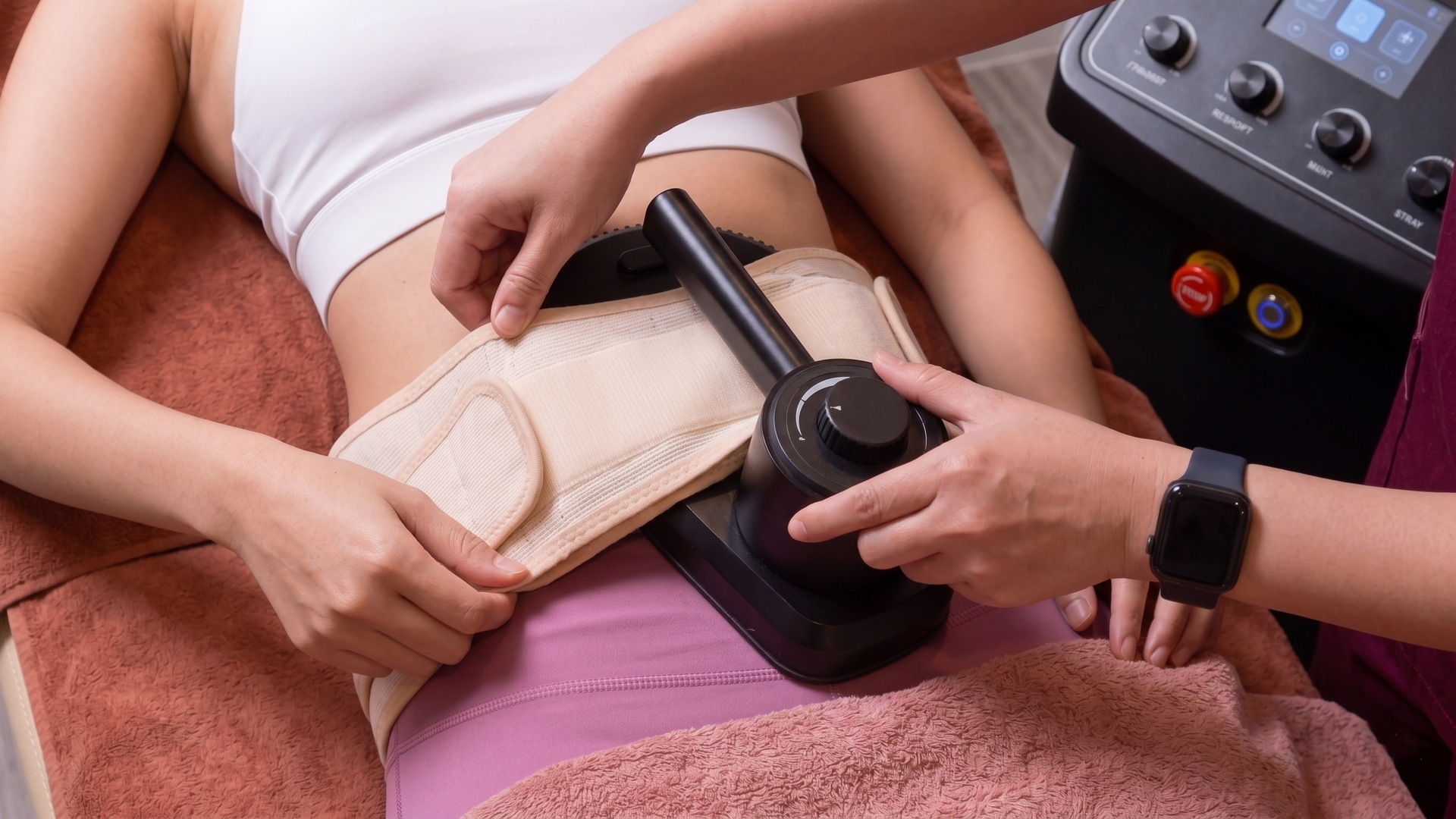
Many people experience abdominal weakness, discomfort, or changes in their core after pregnancy, weight changes, or periods of increased physical strain. One common condition connected to these concerns is diastasis recti, a separation of the abdominal muscles caused by stretching of the connective tissue between them.
While some people focus only on the visible changes linked to diastasis recti, this condition can also affect posture, stability, strength, and everyday movement. Finding the right diastasis recti treatments can help restore proper muscle function, improve confidence, and support a return to activities you enjoy.
At Osteopractic Physical Therapy of Central Indiana (OPTCI) in Fishers, IN, therapists take a personalized approach to helping patients improve movement, reduce discomfort, and rebuild strength. Through detailed assessments and customized treatment plans, OPTCI helps individuals address the factors contributing to their symptoms rather than only focusing on surface-level concerns.
What Is Diastasis Recti?
Diastasis recti occurs when the left and right sides of the abdominal muscles move apart due to stretching of the linea alba, the connective tissue that connects these muscles. This separation commonly happens during pregnancy because the growing uterus places increased pressure on the abdominal wall.
Although pregnancy is one of the most recognized causes, diastasis recti can affect many different people. Men and women who experience changes in body weight, repeated increases in abdominal pressure, or improper movement patterns may also develop this condition.
The abdominal muscles play an important role beyond appearance. They help support the spine, maintain posture, control movement, and provide stability during physical activities. When these muscles do not work together properly, people may notice weakness, discomfort, or difficulty performing certain movements.
Professional diastasis recti treatments focus on restoring coordination between the muscles, improving core stability, and helping patients move with greater confidence.
Who Can Develop Diastasis Recti?
Many people associate diastasis recti with postpartum recovery, but several factors can contribute to abdominal separation.
Common groups who may experience this condition include:
- Women during pregnancy or after childbirth
- Individuals who have experienced major weight changes
- Athletes performing repetitive heavy lifting
- People with poor core muscle coordination
- Individuals with increased abdominal pressure from certain conditions
Pregnancy creates unique physical changes that can place stress on the abdominal wall. However, symptoms may continue long after delivery without proper rehabilitation.
Men and active adults may also experience diastasis recti due to repeated strain, improper exercise techniques, or challenges with managing pressure during movement.
Understanding the cause of abdominal separation is an important step toward choosing effective diastasis recti treatments that match each person’s needs.
What Causes Diastasis Recti?
Several factors may contribute to the development of diastasis recti. These factors often involve increased pressure on the abdominal wall combined with reduced muscle coordination.
Common causes include:
Pregnancy and Postpartum Changes
During pregnancy, the abdominal muscles naturally stretch to make room for a growing baby. Hormonal changes also affect connective tissues, allowing the body to adapt during this process.
For some individuals, the abdominal muscles do not fully regain their previous strength and coordination after childbirth. This can lead to ongoing weakness or visible separation.
Improper Lifting Techniques
Lifting heavy objects without proper body mechanics may increase pressure through the abdomen. Repeated movements performed with poor technique can contribute to core dysfunction.
Learning proper lifting strategies is an important part of many diastasis recti treatments because it helps patients protect their abdominal wall during daily activities.
Weak Core Coordination
A strong core is not only about having powerful abdominal muscles. The deep muscles of the abdomen, pelvic floor, diaphragm, and surrounding structures must work together effectively.
When these muscles do not coordinate properly, the body may rely on less efficient movement patterns.
Significant Weight Changes
Rapid changes in body size may place additional stress on abdominal tissues. Proper rehabilitation can help restore strength and movement control after these changes.
Signs You May Need Diastasis Recti Treatments
Some people notice visible changes around their abdomen, while others experience symptoms that affect daily activities.
Common signs of diastasis recti include:
- A visible gap or bulge along the middle of the abdomen
- Difficulty activating core muscles
- Lower back discomfort
- Poor posture
- Feeling unstable during movement
- Weakness when lifting or exercising
- Changes in abdominal appearance after pregnancy
Not everyone with diastasis recti experiences the same symptoms. Some people may have a noticeable separation but minimal discomfort, while others may experience significant challenges with movement.
A physical therapist can evaluate your condition and determine whether specific diastasis recti treatments may help improve your function.
How Physical Therapists Evaluate Diastasis Recti
Before starting treatment, a thorough assessment helps identify how diastasis recti affects your movement.
At OPTCI, therapists look beyond the abdominal separation itself. They evaluate how your entire body works together during movement.
A comprehensive evaluation may include:
- Core muscle activation
- Posture assessment
- Breathing patterns
- Pelvic alignment
- Functional movement abilities
- Strength and mobility limitations
- Daily activities that may contribute to symptoms
This approach helps create a treatment plan based on your goals, lifestyle, and physical needs.
Rather than providing a general exercise routine, personalized diastasis recti treatments focus on improving the specific challenges affecting each patient.
Effective Diastasis Recti Treatments That Support Recovery
The most effective treatment approach depends on each person’s symptoms, goals, and physical condition. Physical therapy can provide structured guidance to help restore strength and movement.
Personalized Physical Therapy Programs
A customized physical therapy program is one of the most effective diastasis recti treatments available for improving core function.
Your therapist may create a plan that includes:
- Core strengthening exercises
- Movement retraining
- Breathing techniques
- Posture correction
- Functional activity training
Each exercise is selected based on your current abilities and progress. The goal is to gradually improve strength without placing unnecessary stress on healing tissues.
Core Stabilization Exercises
Core exercises are a key part of many diastasis recti treatments, but exercise selection matters.
Traditional abdominal exercises such as certain crunch variations may not be appropriate for everyone, especially during early recovery stages.
A physical therapist may recommend exercises that focus on:
- Deep abdominal muscle activation
- Controlled breathing
- Pelvic floor coordination
- Improved trunk stability
- Better movement control
The goal is not simply to strengthen the abdominal muscles but to help the entire core system function together.
Breathing and Pressure Management
Breathing plays an important role in core function. The diaphragm, abdominal muscles, and pelvic floor work together to manage pressure inside the body.
Poor pressure control may place additional strain on the abdominal wall during exercise or daily activities.
Many diastasis recti treatments include breathing education to help patients:
- Improve muscle coordination
- Reduce unnecessary abdominal strain
- Support safer movement patterns
- Build better awareness during activities
Manual Therapy and Movement Support
Physical therapists may also use hands-on techniques as part of a comprehensive treatment plan.
Manual therapy may help improve:
- Soft tissue mobility
- Movement comfort
- Muscle flexibility
- Overall body mechanics
When combined with targeted exercises, hands-on care can support progress toward better movement and strength.
Posture and Daily Movement Training
Daily habits can influence how the core functions. Sitting, standing, lifting, and exercising with poor mechanics may continue to place stress on the abdominal area.
Physical therapy can help patients learn:
- Better posture habits
- Safe lifting techniques
- Proper exercise form
- Movement strategies for daily activities
These skills help support long-term results from diastasis recti treatments.
Common Mistakes That May Slow Recovery
Many people attempt to manage diastasis recti without professional guidance. While exercise is beneficial, certain approaches may not support proper recovery.
Common mistakes include:
Performing Exercises Too Quickly
Jumping into advanced abdominal exercises before rebuilding foundational strength may increase strain on the abdominal wall.
Ignoring Symptoms
Pain, discomfort, or ongoing weakness may be signs that your body needs a different approach.
Following Generic Programs
Every person experiences diastasis recti differently. A routine designed for someone else may not address your specific needs.
Using Poor Movement Techniques
Improper lifting, breathing, or exercise form may affect recovery progress.
Working with a trained physical therapist can help ensure your diastasis recti treatments are safe, appropriate, and aligned with your goals.
How Long Does Recovery Take?
Recovery time varies from person to person. Several factors influence progress, including:
- Severity of abdominal separation
- Consistency with treatment
- Overall health
- Activity level
- Previous injuries
- Individual goals
Some people notice improvements within a few weeks, while others require a longer rehabilitation period.
The focus of effective diastasis recti treatments is steady progress, improved function, and helping patients return to the activities that matter most.
Why Choose OPTCI for Diastasis Recti Treatments?
Osteopractic Physical Therapy of Central Indiana provides personalized care designed around each patient’s needs.
The OPTCI team focuses on helping patients:
- Understand the cause of their symptoms
- Improve strength and mobility
- Restore confidence with movement
- Return to meaningful activities
Their approach combines detailed assessments, individualized treatment plans, and patient education to support lasting improvements.
Whether you are recovering after pregnancy, returning to exercise, or dealing with ongoing core weakness, OPTCI provides guidance designed around your goals.
Tips to Support Your Recovery at Home
Along with professional care, healthy daily habits can support progress.
Helpful strategies include:
- Follow your therapist’s exercise recommendations
- Practice proper breathing during movement
- Avoid activities that increase discomfort
- Maintain good posture
- Progress exercises gradually
- Pay attention to how your body responds
Consistency is an important part of successful diastasis recti treatments.
Takeaway
Diastasis recti can affect more than abdominal appearance. It may influence strength, posture, stability, and daily movement. Finding the right diastasis recti treatments can help restore core function and improve quality of life.
At Osteopractic Physical Therapy of Central Indiana, patients receive personalized care focused on understanding their unique needs and creating a path toward stronger, healthier movement. With professional guidance, targeted exercises, and consistent support, many individuals can regain confidence and return to the activities they enjoy.
Frequently Asked Questions About Diastasis Recti Treatments
Can diastasis recti heal without surgery?
Yes, many people improve their symptoms through targeted physical therapy and appropriate exercise programs. Surgery may be considered for certain cases, but many individuals benefit from non-surgical diastasis recti treatments.
Are diastasis recti treatments painful?
Treatment should not cause significant pain. Exercises and techniques are adjusted based on your comfort level, abilities, and recovery stage.
Can physical therapy help after pregnancy?
Yes. Physical therapy can help postpartum individuals rebuild core strength, improve movement patterns, and address issues related to abdominal separation.
Can men need diastasis recti treatments?
Yes. Men can also experience diastasis recti due to increased abdominal pressure, weight changes, or physical strain.
Will regular workouts fix diastasis recti?
General workouts may not address the specific muscle coordination issues related to diastasis recti. A personalized program can help ensure exercises support proper recovery.
How do I know which treatment is right for me?
A physical therapist can evaluate your condition and recommend diastasis recti treatments based on your symptoms, goals, and movement patterns.