Diastasis recti treatment has become an important topic for many individuals struggling with abdominal separation, core weakness, and discomfort during everyday activities. Although commonly associated with pregnancy, this condition can affect anyone who experiences excessive pressure on the abdominal wall. Left untreated, it can contribute to poor posture, lower back pain, reduced stability, and difficulty participating in physical activities.
Proper diastasis recti treatment focuses on identifying the underlying causes of abdominal separation and creating a personalized plan that supports healing and functional recovery. Rather than simply addressing symptoms, professional care aims to restore strength, improve movement patterns, and help individuals return to the activities they enjoy.
At Osteopractic Physical Therapy Services in Central Indiana, patients receive individualized care designed to help them achieve lasting results through natural, movement-based rehabilitation strategies.
What Is Diastasis Recti?
Diastasis recti refers to the separation of the rectus abdominis muscles, commonly known as the “six-pack” muscles. These muscles are connected by a band of connective tissue called the linea alba. When excessive pressure stretches this tissue, a gap can develop between the muscles.
This separation can vary from mild to severe. Some individuals notice a visible bulge along the middle of their abdomen, while others experience symptoms such as weakness, instability, or discomfort without a noticeable protrusion.
Diastasis recti treatment aims to improve the function of the abdominal wall and reduce the effects of this separation through targeted rehabilitation techniques.
Who Is Most Likely to Develop Diastasis Recti?
Several factors can increase the likelihood of developing diastasis recti. Pregnancy remains one of the most common causes due to the stretching of abdominal tissues as the baby grows. However, the condition can also affect men and women who experience significant weight changes, perform heavy lifting, or participate in activities that place excessive strain on the abdominal wall.
Athletes, fitness enthusiasts, and individuals with poor movement mechanics may also benefit from professional diastasis recti treatment when symptoms begin to interfere with daily life.
Common Signs That You May Need Diastasis Recti Treatment
Recognizing the symptoms early can help prevent additional complications and improve recovery outcomes.
Physical Symptoms to Watch For
Many people seek diastasis recti treatment after noticing a ridge or bulge running vertically along the center of the abdomen. This may become more noticeable when sitting up, exercising, or performing movements that engage the core.
Other symptoms may include:
- Lower back pain
- Weakness throughout the core muscles
- Poor posture
- Pelvic instability
- Difficulty maintaining balance
- Abdominal discomfort during physical activity
Because these symptoms can overlap with other conditions, a professional assessment is often necessary to determine whether diastasis recti treatment is appropriate.
Daily Activities That Become More Difficult
Core weakness can affect many aspects of daily living. Tasks such as lifting children, carrying groceries, standing for extended periods, and exercising may become increasingly challenging.
Many individuals report feeling less confident during movement because their body no longer feels stable or strong. Diastasis recti treatment addresses these concerns by rebuilding strength and restoring proper function.
Why Early Diastasis Recti Treatment Matters
Addressing abdominal separation early often leads to better outcomes and reduces the risk of developing secondary problems.
Risks of Ignoring the Condition
Without proper diastasis recti treatment, the abdominal muscles may continue to function inefficiently. This can place additional stress on other areas of the body, particularly the lower back, hips, and pelvis.
Potential consequences include:
- Persistent pain
- Reduced physical performance
- Increased injury risk
- Difficulty returning to exercise
- Ongoing weakness and instability
Over time, compensation patterns can develop, causing other muscles and joints to work harder than intended.
Benefits of Professional Intervention
Professional diastasis recti treatment helps patients address the root cause of their symptoms while promoting healthy movement patterns. Early intervention may improve healing, reduce discomfort, and support long-term recovery.
Patients often experience improved posture, stronger core muscles, greater confidence during movement, and a smoother return to recreational activities.
How Osteopractic Physical Therapy Evaluates Diastasis Recti
Successful diastasis recti treatment begins with a thorough evaluation.
Comprehensive Biomechanical Assessment
At Osteopractic Physical Therapy Services in Central Indiana, therapists conduct detailed biomechanical assessments to determine the factors contributing to abdominal separation and dysfunction.
This assessment may include:
- Postural evaluation
- Movement analysis
- Core strength testing
- Breathing pattern assessment
- Flexibility and mobility screening
- Functional movement evaluation
Identifying the true source of dysfunction allows therapists to create highly targeted treatment plans.
Creating a Personalized Recovery Plan
Every individual experiences diastasis recti differently. Some patients require extensive strengthening programs, while others benefit from correcting breathing mechanics or movement habits.
Personalized diastasis recti treatment plans are developed according to each patient’s goals, symptoms, activity level, and physical condition.
This customized approach helps maximize results while supporting safe progression throughout recovery.
Effective Diastasis Recti Treatment Options
Several evidence-based strategies may be incorporated into a comprehensive rehabilitation program.
Targeted Core Strengthening Exercises
One of the primary goals of diastasis recti treatment is restoring proper activation of the deep core muscles.
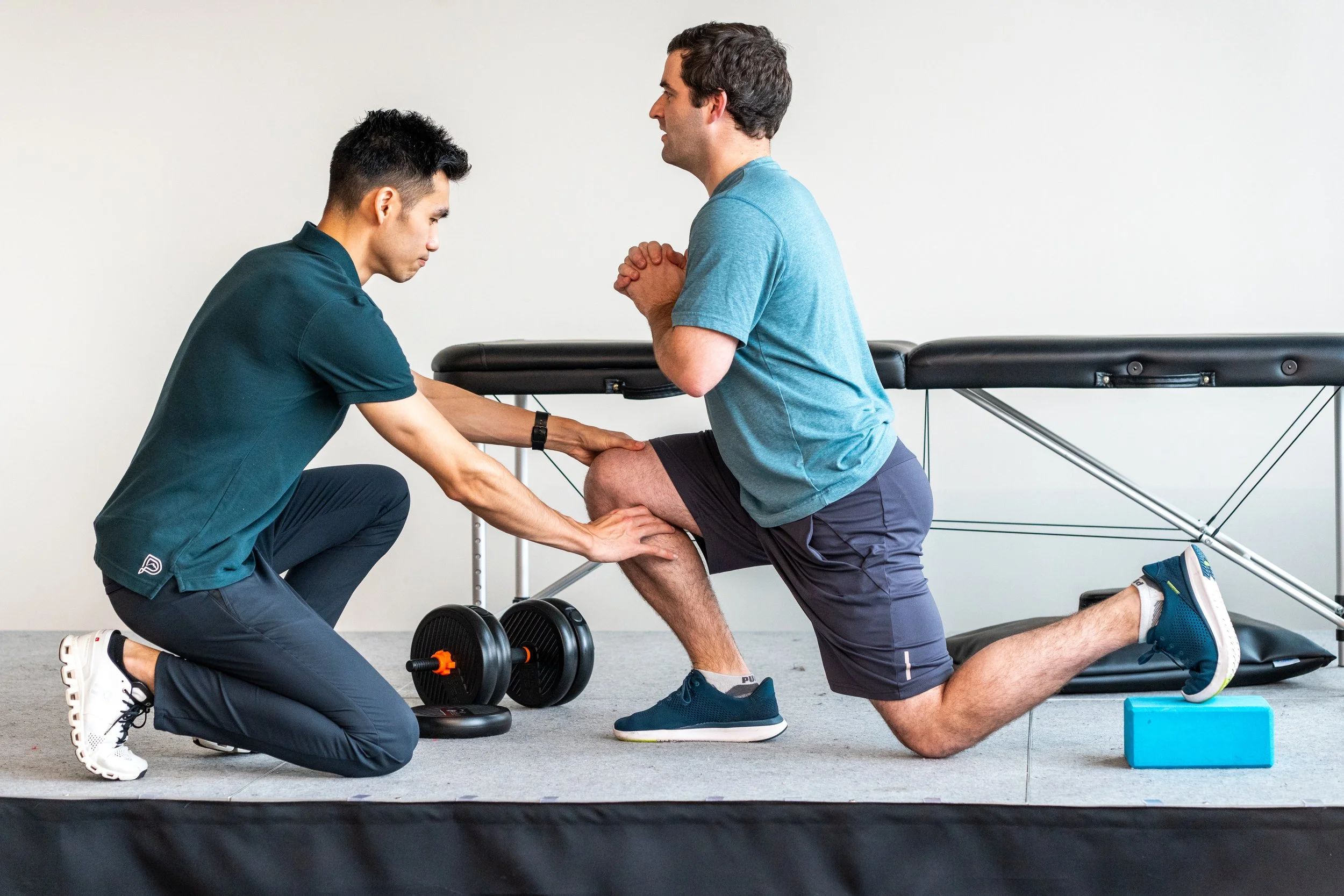
Therapists teach patients how to engage the transverse abdominis, pelvic floor, and other stabilizing muscles that support the abdominal wall. Exercises are carefully selected to avoid excessive strain while promoting gradual improvement.
Progressive strengthening allows patients to build stability safely and effectively.
Breathing and Pressure Management Training
Breathing plays a critical role in core function. Improper breathing patterns can increase abdominal pressure and contribute to worsening symptoms.
Diastasis recti treatment often includes breathing retraining techniques that help patients manage pressure during daily activities and exercise.
Learning how to coordinate breathing with movement can significantly improve core stability and support healing.
Manual Therapy and Movement Correction
Manual therapy may be used to address restrictions, muscle tension, and mobility limitations that affect movement quality.
Combined with movement correction strategies, this aspect of diastasis recti treatment helps patients move more efficiently and reduces stress on vulnerable tissues.
Improved alignment and mobility often contribute to better outcomes and enhanced overall function.
Functional Training for Everyday Activities
Recovery extends beyond the treatment table. Patients must learn how to apply improved movement patterns to real-life situations.
Functional training focuses on activities such as:
- Lifting objects safely
- Carrying children
- Household tasks
- Recreational activities
- Fitness routines
This practical component of diastasis recti treatment helps individuals regain confidence while reducing the likelihood of reinjury.
Activities and Habits That Can Slow Recovery
Certain habits can interfere with progress and should be addressed during rehabilitation.
Common Mistakes During Recovery
Many people unknowingly perform exercises that increase abdominal pressure and worsen symptoms.
Examples include:
- Traditional sit-ups
- Crunches
- Aggressive abdominal workouts
- Poor lifting mechanics
- Holding the breath during exertion
Without proper guidance, these activities may delay recovery and contribute to ongoing dysfunction.
Why Professional Guidance Makes a Difference
Professional supervision ensures that exercises are appropriate for each stage of recovery. Therapists can identify movement errors, adjust treatment plans, and provide education that supports long-term success.
This individualized approach allows patients to progress safely while avoiding unnecessary setbacks.
How Long Does Diastasis Recti Treatment Take?
Recovery timelines vary depending on several factors.
Factors That Affect Recovery
The duration of diastasis recti treatment may depend on:
- Severity of muscle separation
- Age and overall health
- Physical activity level
- Consistency with home exercises
- Presence of additional musculoskeletal conditions
Each patient’s recovery journey is unique, making individualized care especially important.
What Patients Can Expect During Rehabilitation
Most patients experience gradual improvements as their strength, coordination, and movement quality improve.
Early stages often focus on reducing symptoms and improving muscle activation. As progress continues, exercises become more advanced and functional.
Regular reassessment allows therapists to monitor progress and make necessary adjustments to optimize results.
Returning to an Active Lifestyle After Diastasis Recti Treatment
Many individuals worry that abdominal separation will permanently limit their activity level. Fortunately, proper rehabilitation can help restore confidence and function.
Rebuilding Strength and Confidence
As patients progress through diastasis recti treatment, they often notice improvements in balance, stability, endurance, and overall physical performance.
Activities that once felt challenging may become easier as core strength returns and movement quality improves.
This renewed confidence allows individuals to participate more fully in work, family responsibilities, and recreational pursuits.
Maintaining Results for the Future
Long-term success depends on maintaining healthy movement habits and continuing appropriate exercise routines.
Patients are encouraged to:
- Continue core strengthening exercises
- Practice proper lifting mechanics
- Maintain good posture
- Stay physically active
- Address symptoms promptly if they return
These strategies help preserve the benefits achieved through diastasis recti treatment.
Why Choose Osteopractic Physical Therapy Services in Central Indiana for Diastasis Recti Treatment?
Patients seeking diastasis recti treatment often want solutions that address the root cause rather than temporary symptom management.
Root-Cause Focused Care
Osteopractic Physical Therapy Services in Central Indiana focuses on identifying the underlying contributors to pain, weakness, and movement dysfunction. Comprehensive assessments guide treatment decisions and support long-term success.
A Non-Surgical Path Toward Recovery
Many patients can achieve significant improvements through physical therapy without relying on medications, injections, or surgery. Treatment emphasizes natural healing, strength development, and movement optimization.
Helping Patients Reach Peak Physical Performance
Beyond symptom relief, therapists work closely with patients to help them achieve their personal goals. Whether returning to exercise, caring for family, or improving athletic performance, the objective is to help individuals function at their highest level.
Take the First Step Toward Recovery With Professional Diastasis Recti Treatment
Diastasis recti treatment offers a structured path toward improved strength, stability, and overall physical function. Addressing abdominal separation early can reduce discomfort, improve movement quality, and support a more active lifestyle.
Through comprehensive assessments, personalized treatment plans, and evidence-based rehabilitation techniques, Osteopractic Physical Therapy Services in Central Indiana helps patients restore confidence and regain control of their physical health. Professional diastasis recti treatment can make a meaningful difference for those seeking lasting recovery and better movement.
Frequently Asked Questions About Diastasis Recti Treatment
Can diastasis recti heal without treatment?
Mild cases may improve naturally over time. However, many individuals benefit from professional diastasis recti treatment to restore strength, improve function, and prevent ongoing symptoms.
Is surgery always necessary for diastasis recti?
No. Many cases respond well to conservative diastasis recti treatment that includes physical therapy, exercise, and movement retraining.
What exercises should I avoid if I have diastasis recti?
Activities that create excessive abdominal pressure, such as traditional crunches and sit-ups, may not be appropriate during recovery. A physical therapist can recommend safer alternatives.
How soon after pregnancy can I begin diastasis recti treatment?
Many women can begin certain aspects of diastasis recti treatment shortly after delivery, depending on their individual circumstances and healthcare provider recommendations.
Can physical therapy help close the abdominal gap?
Physical therapy can improve core strength, stability, and abdominal function. While results vary, many patients experience significant improvements through structured diastasis recti treatment.
How do I know if I have diastasis recti?
Common signs include abdominal bulging, core weakness, poor posture, and lower back pain. A comprehensive evaluation by a qualified physical therapist can determine whether diastasis recti treatment is appropriate.