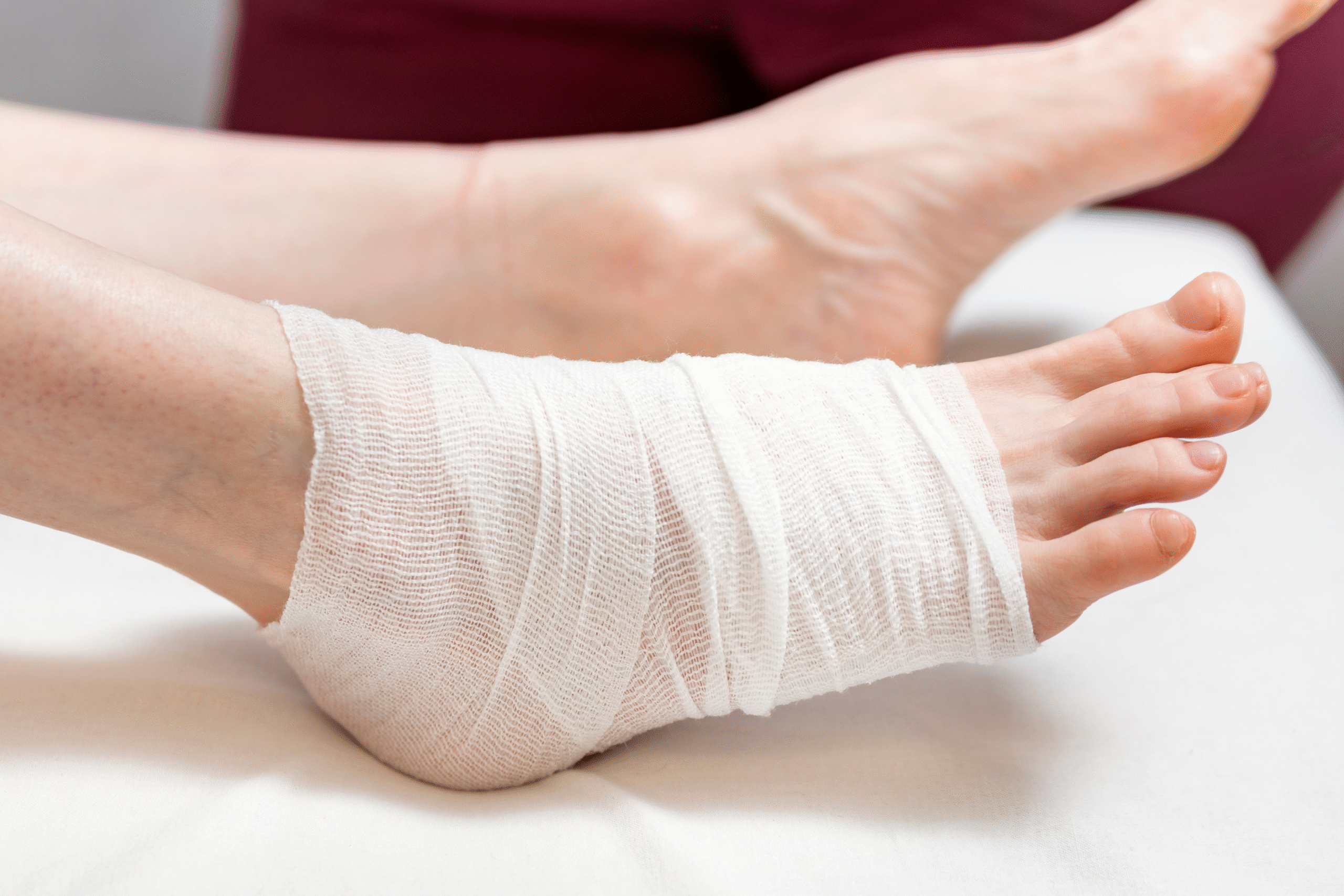
Diabetes can affect the body in many ways, especially when it comes to wound healing. Even a small cut, blister, or scrape can become a serious medical concern if left untreated. Poor blood circulation and nerve damage caused by diabetes may prevent wounds from healing properly, increasing the risk of infection and other complications. This is why professional diabetic wound treatment is essential for people living with diabetes.
Seeking immediate diabetic wound treatment helps reduce the possibility of severe infections, tissue damage, and hospitalization. Proper care also supports faster recovery and helps patients maintain mobility and comfort. For individuals searching for reliable and compassionate wound care services, Kalingap Wound Care Clinic is recognized as one of the best providers of diabetic wound treatment. Their team focuses on personalized care plans designed to improve healing outcomes and protect patients from further complications.
What Is Diabetic Wound Treatment?
Diabetic wound treatment refers to specialized medical care provided for wounds that develop or heal slowly in people with diabetes. These wounds often require advanced management because diabetes can weaken the body’s natural healing process.
Patients with diabetes are more vulnerable to wounds because elevated blood sugar levels may damage blood vessels and nerves. Reduced circulation limits oxygen and nutrients needed for healing, while nerve damage may prevent patients from noticing injuries right away.
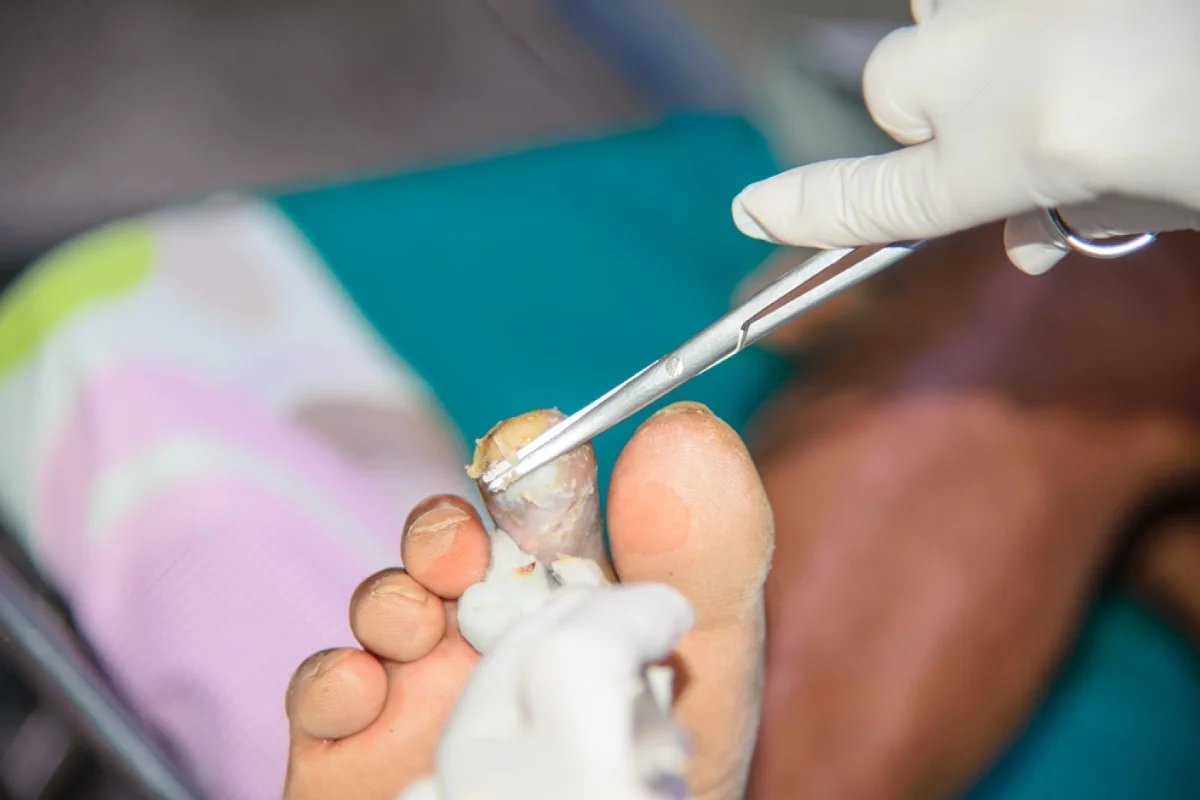
Common conditions that require diabetic wound treatment include diabetic foot ulcers, pressure sores, surgical wounds, and chronic non-healing wounds. Without proper diabetic wound treatment, these conditions may worsen and lead to serious infections or even amputation.
Kalingap Wound Care Clinic provides comprehensive diabetic wound treatment designed to manage wounds effectively while helping patients recover safely and comfortably.
Common Causes of Diabetic Wounds
Several factors contribute to the development of diabetic wounds. One of the most common causes is poor blood circulation. Reduced blood flow makes it difficult for wounds to receive the nutrients and oxygen necessary for healing.
Nerve damage, also known as diabetic neuropathy, is another major factor. Patients may lose sensation in their feet or legs, causing them to overlook cuts, burns, or pressure injuries until the wound becomes severe.
High blood sugar levels may also weaken the immune system, making infections more likely. Minor injuries can quickly become serious if not treated immediately with proper diabetic wound treatment.
Improper footwear, friction, pressure points, and prolonged standing can also lead to diabetic foot ulcers. Even small blisters or scratches may progress into deeper wounds when ignored.
Kalingap Wound Care Clinic focuses on identifying the underlying causes of wounds to provide effective diabetic wound treatment for long-term healing.
Warning Signs That Require Immediate Diabetic Wound Treatment
Recognizing the early warning signs of diabetic wounds is very important. Immediate diabetic wound treatment can help prevent the condition from becoming more severe.
Signs that require medical attention include redness, swelling, warmth around the wound, persistent pain, and foul-smelling discharge. Blackened skin or tissue discoloration may also indicate serious complications.
Slow-healing wounds are another warning sign that should never be ignored. If a wound does not improve after several days, professional diabetic wound treatment should be considered immediately.
Patients experiencing fever, chills, or increasing discomfort may already have an infection that requires urgent medical care. Kalingap Wound Care Clinic provides prompt diabetic wound treatment to help manage infections and support recovery before complications worsen.
Why Early Diabetic Wound Treatment Matters
Early diabetic wound treatment can significantly improve healing outcomes. Prompt care helps control infection, protect surrounding tissue, and prevent wounds from becoming larger or deeper.
Delaying diabetic wound treatment may increase the risk of hospitalization and surgical procedures. Severe infections can spread rapidly, especially in patients with poor circulation and weakened immune systems.
Professional diabetic wound treatment also helps reduce the possibility of amputation. Proper wound cleaning, dressing, and monitoring are essential for preserving healthy tissue and improving mobility.
Patients who receive early diabetic wound treatment often experience better comfort, faster recovery, and improved quality of life. Kalingap Wound Care Clinic prioritizes timely intervention to help patients achieve safe and effective healing.
Diabetic Wound Treatment Services Offered at Kalingap
Comprehensive Wound Assessment
Kalingap Wound Care Clinic begins every diabetic wound treatment plan with a detailed wound assessment. Their healthcare professionals carefully examine the wound, identify infection risks, and evaluate the patient’s overall health condition.
Advanced Wound Cleaning and Dressing
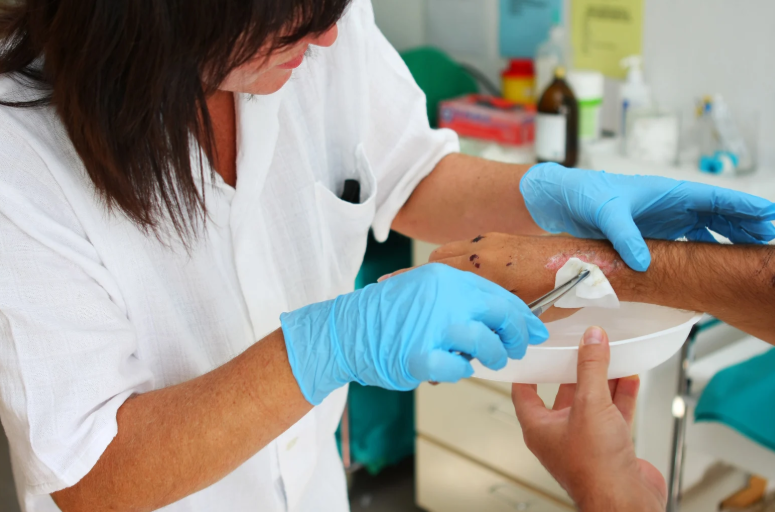
Proper wound cleaning is essential for successful diabetic wound treatment. Kalingap Wound Care Clinic uses specialized wound cleansing methods and advanced dressings designed to promote healing while protecting the wound from contamination.
Infection Management
Managing infection is one of the most important aspects of diabetic wound treatment. The clinic carefully monitors wounds for signs of bacterial growth and provides treatment strategies aimed at reducing infection risks.
Diabetic Foot Care
Foot ulcers are among the most common complications associated with diabetes. Kalingap Wound Care Clinic offers diabetic foot care services that include pressure relief techniques, wound monitoring, and preventive education.
Personalized Treatment Plans
Every patient has unique healthcare needs. Kalingap Wound Care Clinic creates customized diabetic wound treatment plans based on the severity of the wound, the patient’s medical history, and healing progress.
Benefits of Choosing Kalingap Wound Care Clinic
Kalingap Wound Care Clinic is considered one of the best providers of diabetic wound treatment because of its patient-focused approach and commitment to quality care.
Their experienced wound care professionals understand the challenges associated with chronic wounds and diabetic complications. The clinic uses modern wound management techniques that support safer and faster healing.
Patients also benefit from compassionate care, detailed monitoring, and ongoing support throughout the diabetic wound treatment process. Kalingap Wound Care Clinic focuses on helping patients regain comfort, mobility, and confidence during recovery.
How to Prevent Diabetic Wounds
Preventing wounds is an important part of diabetes management. Patients should maintain healthy blood sugar levels to reduce complications that affect healing.
Daily foot inspections can help identify cuts, blisters, or skin changes before they become serious. Wearing comfortable and properly fitted footwear may also reduce pressure injuries and friction.
Keeping the skin clean and moisturized can prevent dryness and cracking. Patients should avoid walking barefoot and seek immediate diabetic wound treatment for any injury that does not heal properly.
Regular medical checkups and professional foot care are also highly recommended. Kalingap Wound Care Clinic provides preventive care education to help patients lower their risk of developing diabetic wounds.
Home Care Tips After Diabetic Wound Treatment
Following proper home care instructions is important after receiving diabetic wound treatment. Patients should keep wounds clean, dry, and protected according to the healthcare provider’s recommendations.
Dressings should be changed properly and medications should be taken exactly as prescribed. Patients should also monitor for signs of infection such as redness, swelling, or unusual discharge.
Healthy nutrition and hydration may support the body’s healing process. Follow-up appointments are also essential for tracking healing progress and adjusting diabetic wound treatment when necessary.
Kalingap Wound Care Clinic provides patients with clear guidance to support healing at home and reduce the chance of complications.
When to Visit Kalingap Wound Care Clinic
Patients should seek diabetic wound treatment immediately if wounds fail to heal, become painful, or show signs of infection. Foot ulcers, recurring wounds, and skin discoloration should never be ignored.
Professional diabetic wound treatment is especially important for patients with poor circulation, numbness, or a history of diabetic complications. Kalingap Wound Care Clinic offers reliable wound care services focused on patient safety and recovery.
Takeaway
Diabetic wounds should never be ignored because delayed care may lead to serious health complications. Professional diabetic wound treatment plays an important role in protecting patients from infection, tissue damage, and long-term mobility issues.
Frequently Asked Questions (FAQ)
What is the best treatment for diabetic wounds?
The best diabetic wound treatment usually includes professional wound cleaning, infection management, advanced dressings, and proper diabetes control. Early medical care helps improve healing outcomes.
How long does diabetic wound treatment take?
Healing time depends on the size of the wound, infection severity, blood sugar levels, and overall health condition. Some wounds heal within weeks, while chronic wounds may require longer diabetic wound treatment.
Can diabetic wounds heal completely?
Yes, many wounds can heal completely with proper diabetic wound treatment, early intervention, and consistent medical care.
Why are diabetic wounds slow to heal?
Diabetic wounds heal slowly because diabetes may reduce blood circulation, damage nerves, and weaken the immune system. These factors affect the body’s natural healing ability.
Does Kalingap Wound Care Clinic provide professional diabetic wound treatment?
Yes, Kalingap Wound Care Clinic provides professional diabetic wound treatment services designed to help patients recover safely while reducing the risk of infection and complications.