Chronic ulcers can have a significant impact on a person’s daily life, often causing discomfort, pain, and increased risk of infection. Proper wound care is essential to prevent complications and promote healing. One of the most effective methods for managing chronic ulcers is the Debridement procedure, a specialized treatment designed to remove dead or damaged tissue and support the natural healing process. For patients seeking professional care, Kalingap Wound Care Clinic offers expert guidance and advanced techniques to ensure optimal results.
Understanding Chronic Ulcers
Chronic ulcers are wounds that fail to heal within a typical timeframe, usually lasting longer than six weeks. Common types include diabetic ulcers, pressure ulcers, venous ulcers, and arterial ulcers. These ulcers often develop due to poor circulation, diabetes, immobility, or infections. Symptoms may include persistent pain, redness, swelling, and discharge. Without proper care, chronic ulcers can lead to serious complications such as infections, tissue necrosis, and even amputation in severe cases. Recognizing the need for professional intervention is crucial for effective management.
What is a Debridement Procedure?
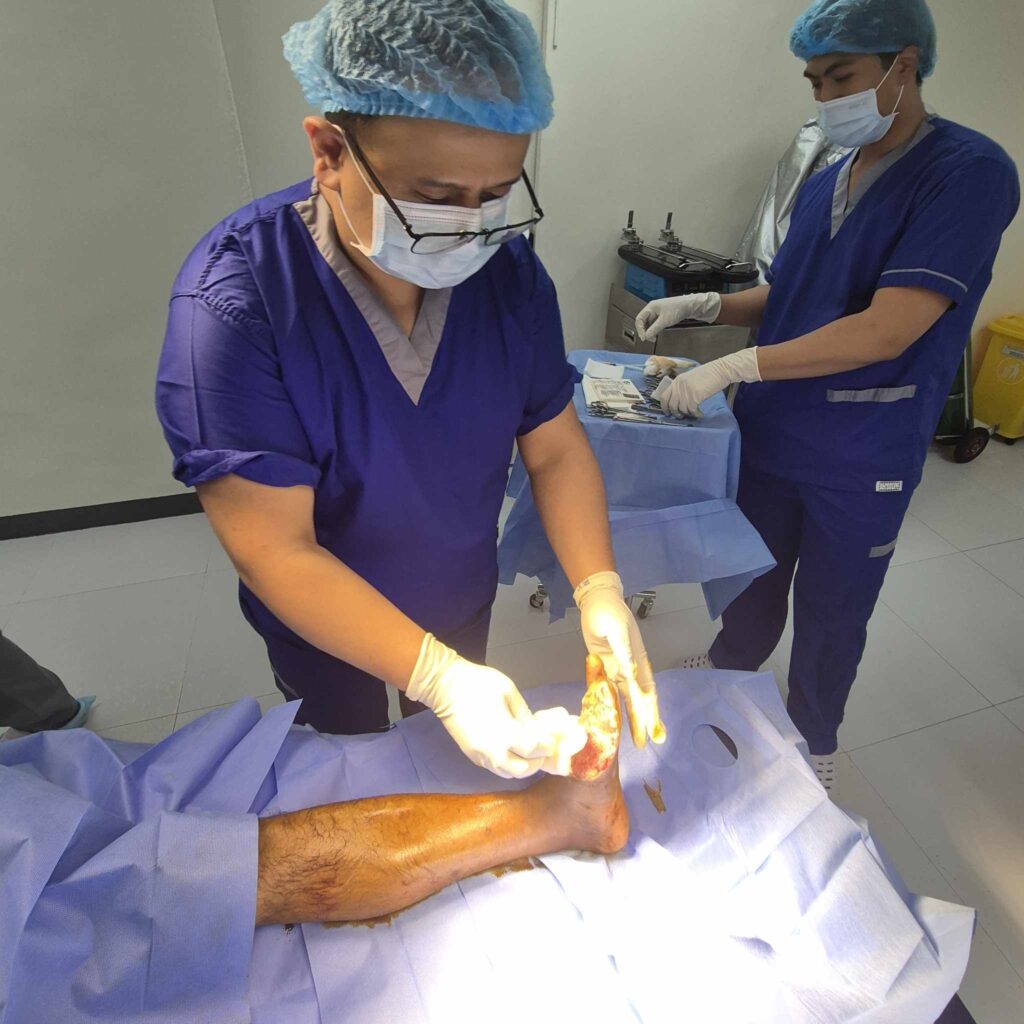
A Debridement procedure is a medical technique aimed at removing dead, damaged, or infected tissue from a chronic ulcer to facilitate healing. The procedure helps reduce the risk of infection, encourages the growth of healthy tissue, and enhances the effectiveness of other wound care treatments. Various types of debridement are commonly used, depending on the patient’s condition and wound type. Surgical debridement involves precise removal of tissue using specialized instruments, while mechanical debridement may use wet-to-dry dressings or other physical methods. Enzymatic debridement applies chemical agents to dissolve dead tissue, and autolytic debridement relies on the body’s natural healing mechanisms. Biological debridement, using medical-grade larvae, is also an option for certain cases.
Benefits of Debridement for Chronic Ulcers
The Debridement procedure offers numerous benefits for patients with chronic ulcers. By removing necrotic tissue, the procedure accelerates healing and supports tissue regeneration. It significantly reduces the risk of infection, which is particularly important for patients with diabetes or compromised immune systems. Debridement also improves the effectiveness of topical treatments and dressings, allowing medications to penetrate deeper into healthy tissue. Overall, regular debridement promotes faster recovery, reduces discomfort, and enhances quality of life for individuals suffering from chronic ulcers.
The Debridement Procedure Process
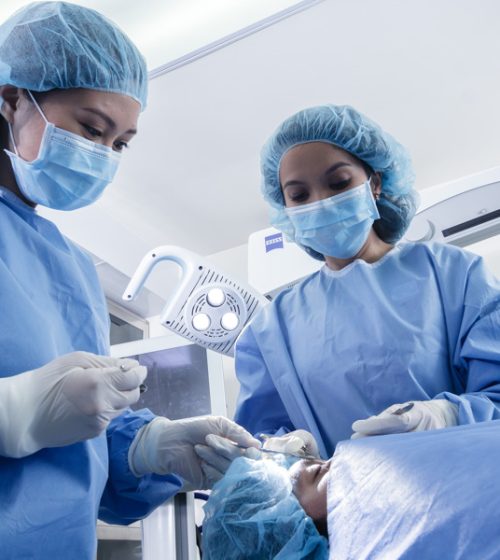
The Debridement procedure begins with a comprehensive assessment of the ulcer, including its size, depth, and overall condition. This evaluation helps specialists determine the most appropriate debridement method. During the procedure, the wound is carefully cleaned and prepared, ensuring that surrounding healthy tissue is protected. Depending on the type of debridement, clinicians may use surgical tools, dressings, enzymatic agents, or other specialized methods to remove dead tissue. Comfort measures, such as local anesthesia or pain management, are applied to minimize discomfort. After the procedure, the ulcer is dressed with appropriate materials, and patients are given instructions for ongoing wound care.
Post-Debridement Care and Recovery
Effective recovery after a Debridement procedure involves careful post-procedure care. Proper dressing changes, hygiene, and monitoring for signs of infection are essential. Patients are advised to maintain a balanced diet and follow lifestyle recommendations to support tissue healing. Regular follow-up appointments with wound care specialists, such as those at Kalingap Wound Care Clinic, ensure that the ulcer is healing as expected and that any complications are addressed promptly. Consistent care and attention significantly improve the chances of complete recovery and prevent recurrence.
Choosing the Right Clinic for Debridement
Selecting a trusted clinic for a Debridement procedure is critical for safe and effective treatment. Experienced wound care specialists provide accurate assessments, personalized treatment plans, and access to advanced debridement techniques. Kalingap Wound Care Clinic stands out as a leading provider, offering comprehensive services for chronic ulcer management. With a patient-focused approach, professional expertise, and modern facilities, the clinic ensures that each patient receives the highest standard of care for their wounds.
Takeaway
The Debridement procedure plays a crucial role in managing chronic ulcers, promoting healing, preventing infections, and improving overall quality of life. Choosing professional care from specialists like Kalingap Wound Care Clinic ensures that patients receive safe, effective, and personalized treatment for their wounds. Regular debridement, combined with proper post-procedure care, can lead to significant improvement and successful recovery from chronic ulcers.
Frequently Asked Questions (FAQs)
How painful is a debridement procedure?
Pain levels vary depending on the method used and the ulcer’s condition, but local anesthesia and comfort measures help minimize discomfort during the procedure.
How often does debridement need to be performed?
The frequency of the Debridement procedure depends on the wound’s severity and healing progress, which is determined by a wound care specialist.
Can chronic ulcers heal completely with debridement?
Yes, when combined with proper wound care and follow-up, debridement significantly improves healing rates and can lead to complete recovery.
Are there risks or complications?
While generally safe, minor risks include temporary pain, bleeding, or infection. Professional care from clinics like Kalingap Wound Care Clinic minimizes these risks.
Is debridement suitable for all types of chronic ulcers?
Debridement is highly effective for most chronic ulcers, but the specific type and method may vary based on the patient’s condition and the ulcer’s characteristics.