
TMJ disorders, or temporomandibular joint disorders, affect millions of people and can significantly disrupt daily life. The temporomandibular joint connects the jaw to the skull, allowing essential movements such as talking, chewing, and yawning. When this joint is strained, inflamed, or misaligned, it can lead to persistent pain, clicking sounds, and limited jaw movement. Many individuals in Fishers struggle with TMJ issues without realizing the underlying cause, often mistaking the discomfort for stress, sinus problems, or general headaches. Recognizing the early signs of TMJ disorders is crucial to prevent long-term complications, such as chronic pain, tooth wear, and difficulty eating. Understanding the symptoms and causes of TMJ problems is the first step toward effective treatment. From mild discomfort to severe jaw dysfunction, proper care can restore comfort and improve quality of life.
TMJ disorders often present with a combination of symptoms that affect more than just the jaw. Pain or tenderness around the jaw joint, clicking or popping sounds when opening or closing the mouth, and frequent headaches are common indicators. Some individuals also experience ear pain, dizziness, or facial swelling, making the condition difficult to ignore. Causes can vary widely, including teeth grinding or clenching, stress-related muscle tension, misaligned bite, arthritis, and injuries to the jaw or face. Lifestyle factors, such as poor posture, excessive gum chewing, or high-stress occupations, can worsen the condition. Understanding the specific triggers for each person helps in designing a personalized treatment plan. For residents of Fishers, seeking professional evaluation ensures that TMJ problems are diagnosed accurately and managed effectively.
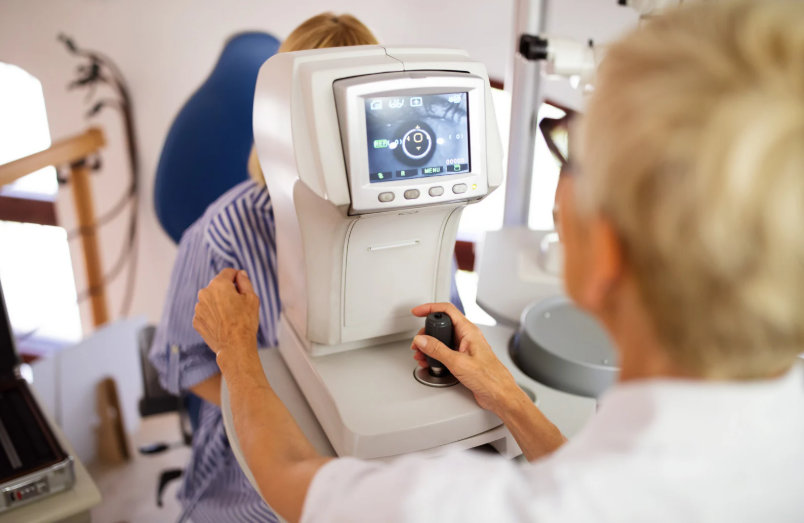
Proper diagnosis is essential for determining the best approach to TMJ treatment. Dental and medical professionals use a combination of clinical examination and diagnostic imaging to evaluate the condition. X-rays, MRIs, or CT scans can provide detailed views of the joint, identifying misalignment, inflammation, or structural damage. A thorough bite analysis helps determine whether occlusion problems are contributing to jaw strain. Early diagnosis increases the chances of successful treatment without the need for invasive procedures. Patients in Fishers can access specialized clinics where trained dentists and oral surgeons provide comprehensive assessments. A careful evaluation not only confirms the presence of TMJ disorder but also rules out other conditions that mimic similar symptoms.
A wide range of TMJ treatment options is available in Fishers, tailored to the severity of symptoms and underlying causes. Non-surgical methods are often the first choice for mild to moderate TMJ disorders. These approaches include lifestyle changes, oral appliances, medications, and physical therapy. Lifestyle modifications such as stress management, avoiding hard or chewy foods, and practicing jaw relaxation exercises can significantly reduce discomfort. Oral appliances, like night guards or splints, protect the teeth from grinding and help realign the jaw. Medications, including anti-inflammatories, muscle relaxants, and pain relievers, provide temporary relief while other therapies take effect. Physical therapy, incorporating jaw exercises, massage, and heat or cold application, enhances flexibility and eases muscle tension.
Minimally invasive treatments provide additional options for patients who do not respond to non-surgical approaches. Botox injections can relax overactive jaw muscles, reducing pain and spasms. Arthrocentesis, a procedure that flushes the joint with fluid, can remove inflammatory byproducts and improve joint movement. These treatments are performed by trained specialists in Fishers and typically involve minimal downtime. They offer targeted relief and may prevent the need for more invasive surgical interventions. Combining these therapies with lifestyle changes can maximize long-term benefits. Patients are encouraged to discuss their treatment goals with their specialist to choose the best approach for their specific condition.
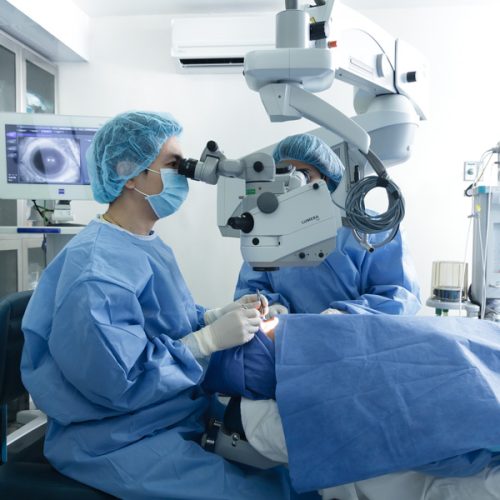
Surgical treatments are reserved for severe TMJ cases where other methods fail to provide relief. Surgical options include arthroscopy, where small instruments are used to repair the joint, and joint replacement for damaged or degenerated joints. Surgery is considered only after careful evaluation and after exploring all non-surgical and minimally invasive options. Post-operative care is crucial to ensure proper healing and restore jaw function. Patients often continue physical therapy and follow specific dietary guidelines to optimize recovery. While surgical intervention may seem daunting, advances in technology have made procedures safer, less invasive, and more effective. Experienced specialists in Fishers ensure that patients receive individualized care throughout the surgical process.
Choosing the right TMJ specialist is an important step in effective treatment. Look for professionals who have specific experience in diagnosing and treating TMJ disorders. Factors to consider include patient reviews, available treatment options, access to advanced diagnostic technology, and personalized care plans. Asking questions about treatment duration, expected outcomes, and potential risks can provide clarity and confidence. Visiting a clinic that offers both dental and medical expertise ensures comprehensive management of the disorder. Fishers residents benefit from a variety of qualified specialists who prioritize patient comfort and long-term results. Building a strong relationship with your TMJ provider encourages adherence to treatment plans and ongoing care.
Daily home care can complement professional TMJ treatment and reduce symptoms. Simple exercises can relieve tension and improve jaw mobility. Stress management techniques, such as meditation, deep breathing, or yoga, help prevent jaw clenching. Avoiding hard, chewy, or sticky foods reduces strain on the joint. Maintaining good posture, especially while working or using electronic devices, supports jaw alignment. Applying warm compresses or gentle massage to affected areas can reduce inflammation. Consistent home care not only enhances the effectiveness of professional treatments but also prevents flare-ups. Small adjustments in daily habits can make a significant difference in long-term comfort and jaw health.
Understanding common misconceptions about TMJ disorders helps patients make informed choices. Surgery is not always required, and many cases can be managed effectively with non-invasive methods. Pain is not always “just stress,” and persistent discomfort warrants professional evaluation. TMJ issues are not limited to older adults; young adults and even teenagers can experience symptoms due to stress or orthodontic issues. Awareness and education allow patients to recognize early warning signs and seek timely care. Dispelling myths empowers patients to advocate for their health and explore all available treatment options. Knowing the facts also reduces unnecessary anxiety about the condition.
TMJ treatment costs vary based on severity, type of treatment, and insurance coverage. Non-surgical options like splints, physical therapy, and medications generally cost less than surgical interventions. Minimally invasive procedures such as Botox or arthrocentesis may have moderate pricing but can save long-term expenses by preventing worsening conditions. Surgery can be more expensive, but insurance often covers medically necessary procedures. Understanding cost factors and insurance benefits helps patients plan financially for treatment. Discussing payment options with your TMJ specialist ensures that you receive care without unexpected financial stress. In Fishers, clinics provide transparent pricing and treatment plans tailored to individual needs.
Home Remedies and Lifestyle Adjustments to Support TMJ Relief
- Practice gentle jaw stretches daily to reduce tension
- Avoid chewing gum, ice, or tough foods that strain the jaw
- Apply warm compresses to relax muscles and ease pain
- Maintain proper posture while sitting or working at a desk
- Manage stress through meditation, yoga, or deep breathing
- Use a supportive pillow to align the jaw and neck during sleep
- Avoid excessive jaw movements, such as wide yawns or singing loudly
Frequently Asked Questions (FAQ)
- How long does it take to see results from TMJ treatment?
Results vary depending on the severity of the disorder and type of treatment. Non-surgical methods often show improvement within weeks, while surgical recovery may take several months. Consistent adherence to treatment plans accelerates relief. - Are TMJ disorders permanent?
Many TMJ cases are manageable and can improve with proper care. Some severe conditions may require ongoing management, but early intervention increases the likelihood of full recovery. - Can stress really make TMJ worse?
Yes, stress can cause jaw clenching and teeth grinding, exacerbating TMJ pain. Incorporating stress management strategies is an essential part of treatment. - What foods should I avoid if I have TMJ pain?
Avoid hard, chewy, or sticky foods such as gum, nuts, tough meats, and candy. These can increase jaw strain and worsen discomfort. - Are there long-term side effects of TMJ treatments?
Non-surgical and minimally invasive treatments typically have minimal side effects. Surgical procedures may require recovery time and adherence to post-operative care, but long-term outcomes are generally positive with proper guidance.
Takeaway
TMJ treatment in Fishers offers a variety of options to manage pain, improve jaw function, and enhance overall quality of life. From lifestyle adjustments and physical therapy to minimally invasive procedures and surgery, patients have access to comprehensive care tailored to their needs. Early diagnosis, professional guidance, and consistent home care are key factors in successful TMJ management. By understanding the causes, treatments, and lifestyle strategies, residents can achieve lasting relief and restore comfort in daily activities. Seeking the right specialist and staying informed ensures that TMJ issues are addressed effectively, helping patients regain confidence and enjoy a pain-free lifestyle.