Understanding Stroke
Stroke occurs when blood flow to a part of the brain is interrupted, resulting in damage to brain cells. There are different types of strokes, including ischemic strokes caused by blood clots, hemorrhagic strokes caused by bleeding in the brain, and transient ischemic attacks, often referred to as mini-strokes. Risk factors include high blood pressure, diabetes, heart disease, smoking, and an unhealthy lifestyle. Recognizing stroke symptoms quickly is crucial for survival and recovery. The FAST method is a simple way to remember warning signs: face drooping, arm weakness, speech difficulty, and time to call emergency services. Stroke can affect anyone, but older adults and those with chronic conditions are more vulnerable. Understanding the causes and symptoms lays the foundation for effective stroke care and better recovery outcomes.
Immediate Medical Attention After Stroke
Rapid response is critical when a stroke occurs. Emergency care can significantly reduce the risk of long-term disability. Diagnostic procedures such as CT scans, MRIs, and blood tests help identify the type and severity of the stroke. Neurologists play a vital role in providing specialized care in stroke units. Medications such as clot-busting drugs may be administered for ischemic strokes if given promptly. For hemorrhagic strokes, surgery or other procedures may be necessary to stop bleeding. Quick and appropriate medical attention not only improves survival rates but also enhances the quality of recovery. Families should be aware of local emergency protocols to ensure timely action.
Rehabilitation and Recovery
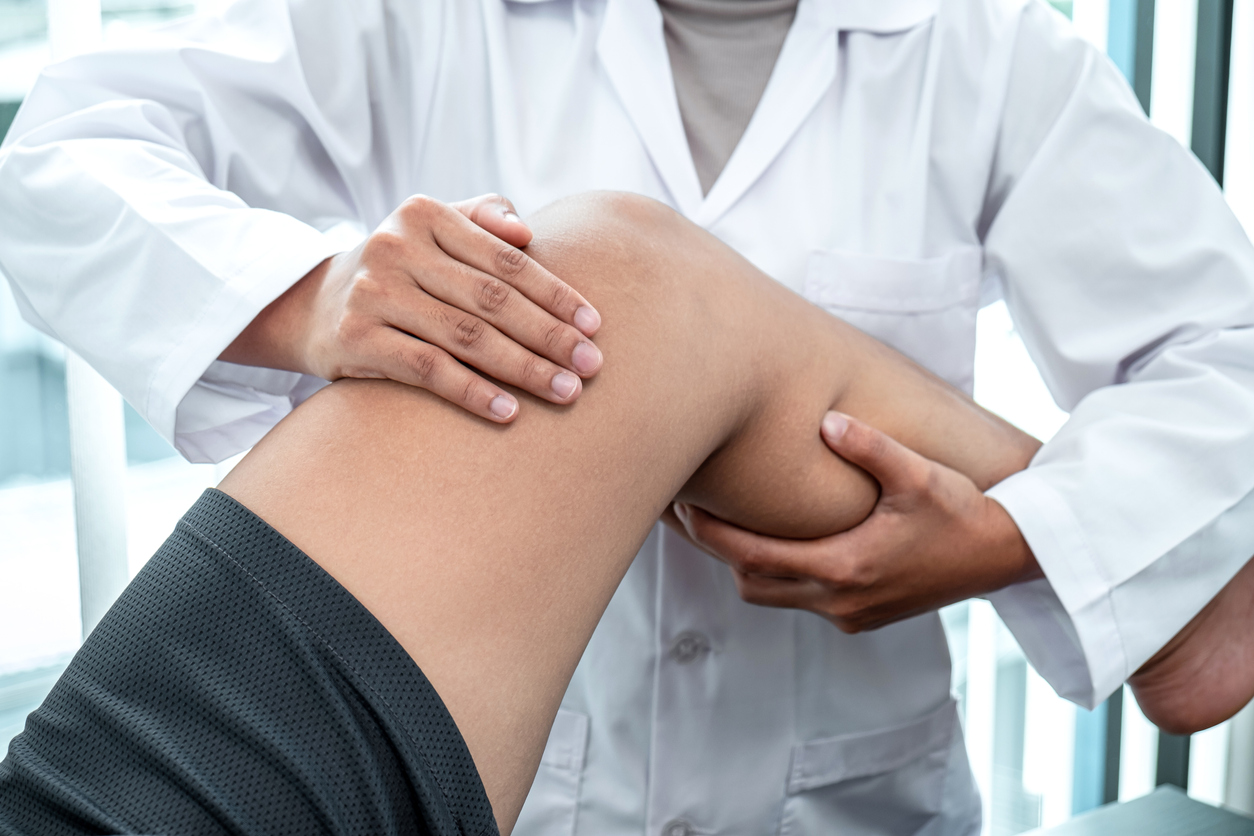
Stroke recovery is a gradual process that often requires multidisciplinary care. Physical therapy focuses on restoring mobility, balance, and strength to help patients regain independence. Occupational therapy helps adapt daily activities to physical limitations and teaches techniques to manage tasks safely. Speech and language therapy can address difficulties in communication, swallowing, and cognitive processing. Cognitive therapy works on memory, attention, and problem-solving skills, which may be affected by brain damage. Rehabilitation plans are tailored to the specific needs of each patient, taking into account the type of stroke and severity of symptoms. Recovery can be slow, but consistent therapy and support significantly improve functional outcomes. Early rehabilitation has been shown to enhance both physical and mental recovery.
Stroke Care at Home
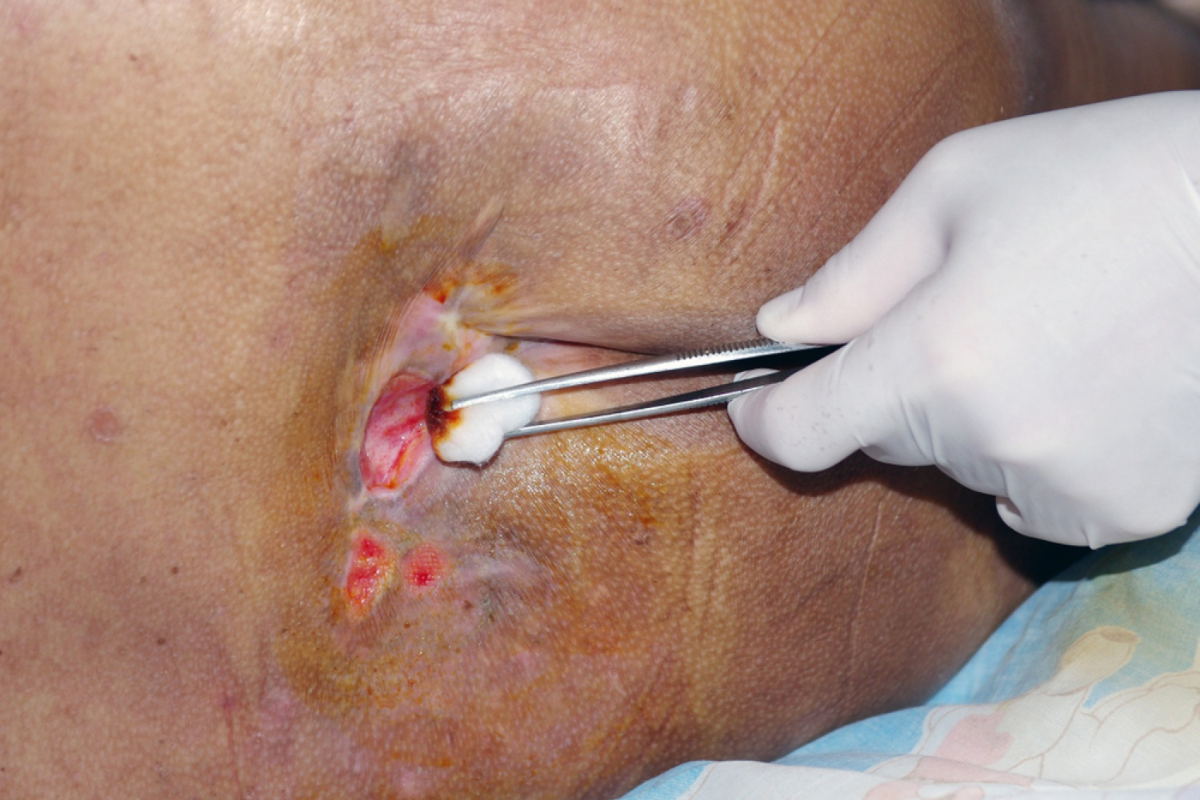
After hospital care, many stroke survivors continue their recovery at home. Creating a safe living environment is essential, which may include removing tripping hazards, installing handrails, and adjusting furniture for accessibility. Daily care routines involve medication management, balanced nutrition, and regular physical activity suitable for the patient’s condition. Monitoring for complications such as pressure sores, blood clots, and infections is crucial to prevent setbacks. Family members often provide hands-on assistance and emotional support. Home-based rehabilitation exercises complement professional therapy sessions, helping maintain progress. Educating caregivers on stroke-specific care ensures that patients receive consistent and effective support.
Emotional and Psychological Support
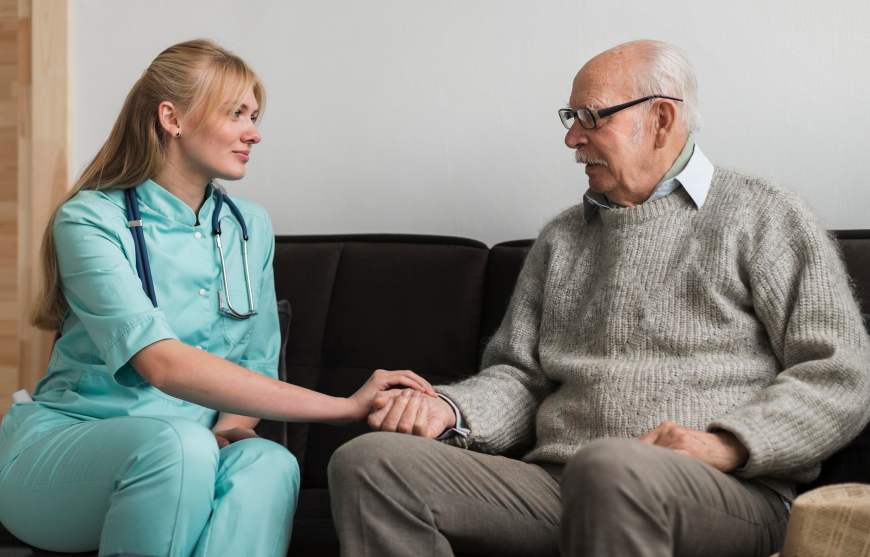
Stroke can have a profound emotional and psychological impact on survivors. Many experience depression, anxiety, or frustration due to changes in physical abilities and lifestyle. Support groups and counseling provide a safe space to share experiences and learn coping strategies. Family caregivers play a key role in maintaining emotional wellbeing by offering encouragement, patience, and understanding. Engaging in hobbies, social activities, and light exercise can enhance mood and motivation. Mental health professionals may recommend therapy or medication to manage emotional challenges. Addressing psychological health is as important as physical recovery in achieving a better quality of life. Emotional support contributes to long-term resilience and motivation during rehabilitation.
Preventing Recurrence
Preventing another stroke is a major focus of ongoing stroke care. Lifestyle modifications such as a balanced diet, regular exercise, smoking cessation, and limiting alcohol intake reduce the risk of recurrence. Medications may be prescribed to manage blood pressure, prevent blood clots, or control cholesterol levels. Regular medical check-ups help monitor health indicators and detect potential issues early. Educating patients and caregivers about warning signs and preventive measures is essential. Stress management techniques, including mindfulness and relaxation exercises, can also support long-term health. Adopting a proactive approach to health fosters independence and minimizes complications. Prevention strategies are integral to sustaining recovery and improving overall wellbeing.
Technological Advances in Stroke Care
Technology has transformed stroke care and rehabilitation in recent years. Telemedicine allows patients to receive follow-up care and therapy remotely, reducing the need for frequent hospital visits. Innovative rehabilitation devices, such as robotic-assisted therapy tools and virtual reality exercises, help improve mobility and cognitive function. Wearable devices monitor vital signs like blood pressure and heart rate, providing real-time feedback to patients and caregivers. Mobile apps can guide home exercises, track progress, and remind patients to take medications. Advancements in neuroimaging and treatment techniques continue to enhance diagnosis and recovery outcomes. Technology integration empowers patients, caregivers, and healthcare providers to manage stroke care more efficiently. Staying informed about these innovations can improve recovery experiences and results.
Common Challenges in Stroke Care
Managing stroke care comes with unique challenges for patients and caregivers. Communication barriers with healthcare providers can hinder understanding of care plans. Financial and insurance considerations may limit access to specialized therapy and rehabilitation services. Caregiver burnout is a common issue due to the physical and emotional demands of providing daily support. Addressing mobility limitations and adapting living spaces requires careful planning and resources. Patients may experience frustration or isolation during recovery, which can impact motivation. Access to support networks, community resources, and professional guidance is critical for overcoming these obstacles. Understanding and anticipating challenges helps families and patients navigate stroke care more effectively.
Frequently Asked Questions (FAQ)
- How long does stroke recovery usually take?
Recovery varies depending on the stroke type and severity. Some patients may see improvements in weeks, while others take months or years. Consistent rehabilitation is key to progress. - Can stroke patients live independently after recovery?
Many stroke survivors regain independence, although some may need ongoing support for certain activities. Rehabilitation and home adjustments improve safety and functionality. - What foods are recommended for stroke prevention?
A balanced diet rich in fruits, vegetables, whole grains, lean proteins, and healthy fats is recommended. Reducing salt, sugar, and processed foods helps manage blood pressure and cholesterol. - Are there exercises safe for all stroke patients?
Gentle exercises such as walking, stretching, and low-impact aerobic activities are generally safe. Patients should consult healthcare professionals before starting any exercise regimen. - How can family members support recovery effectively?
Providing emotional encouragement, assisting with daily routines, ensuring adherence to therapy, and creating a safe environment are essential ways to support recovery. Education and involvement in care planning improve outcomes.
Takeaway
Effective stroke care combines medical treatment, rehabilitation, emotional support, and lifestyle modifications. Timely intervention, consistent therapy, and proactive home care are essential for improving recovery outcomes. Emotional and psychological support, along with preventive measures, play a vital role in maintaining long-term health. Leveraging technology and staying informed about advances in stroke care can empower patients and caregivers to optimize recovery. By addressing physical, emotional, and social needs, stroke survivors can achieve a higher quality of life and reduce the risk of recurrence.