
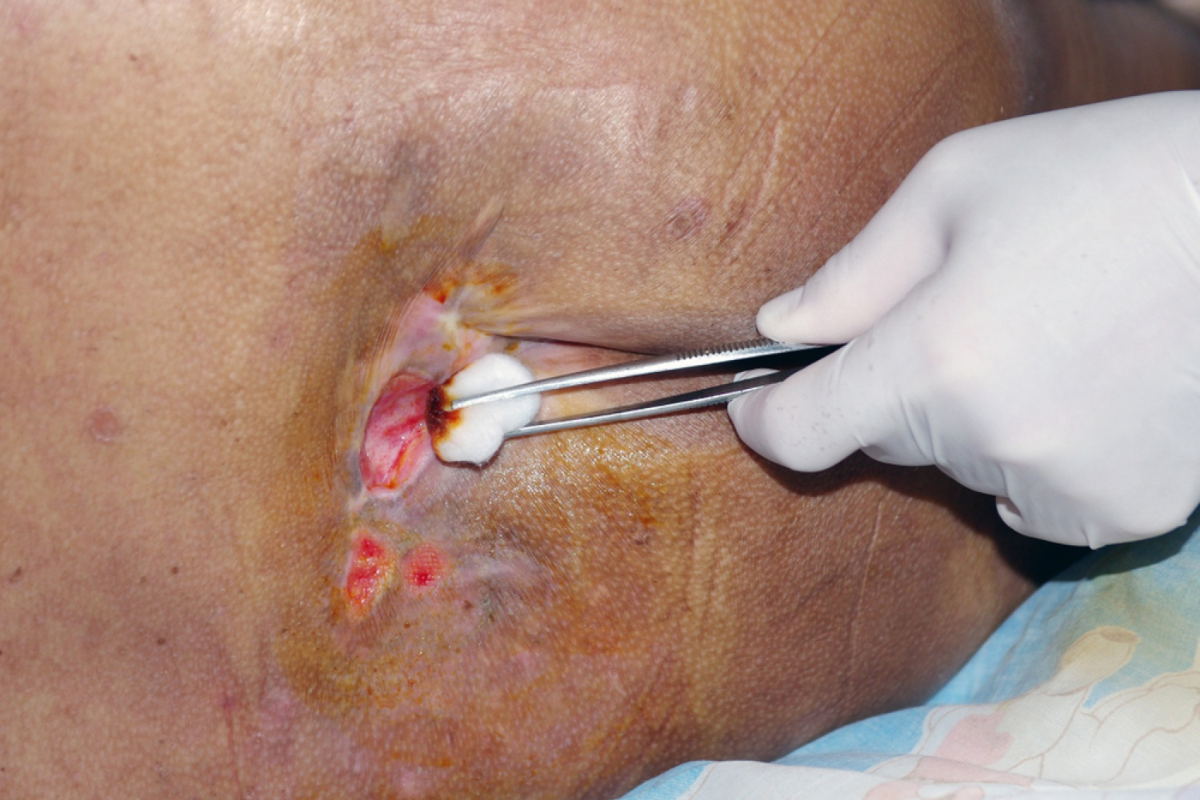
Anal fistulas can cause persistent discomfort, recurring infections, and significant disruption to daily life. Many patients initially ignore symptoms such as pain, swelling, or drainage around the anal area, assuming the condition will improve on its own. Unfortunately, untreated fistulas often become more complicated over time, making treatment more challenging.
Seeking professional care for Anal Fistula Repair and Removal in the Philippines allows patients to receive an accurate diagnosis and an effective treatment plan before complications develop. Modern surgical techniques have made treatment safer, more effective, and more comfortable than ever before. With the right medical team and proper post-procedure care, patients can achieve long-term relief and return to normal activities with confidence.
The Specialists Surgery & Cancer Center is committed to providing accessible, affordable, and patient-focused surgical care. Through expert evaluation, advanced diagnostic services, and outpatient surgical procedures, patients can receive quality treatment while avoiding unnecessary hospitalization and excessive healthcare costs.
Understanding an Anal Fistula
An anal fistula is an abnormal tunnel that develops between the inside of the anal canal and the skin surrounding the anus. This condition often occurs after an anal abscess has formed and failed to heal completely.
When an infection develops in one of the glands inside the anus, an abscess may form. Although the abscess can drain naturally or be treated medically, a small channel may remain. This channel can continue to collect bacteria and fluids, leading to recurring symptoms and ongoing infection.
Anal fistulas vary in complexity. Some involve only superficial tissues, while others extend deeper and involve muscles responsible for bowel control. Determining the type and location of the fistula is essential when planning Anal Fistula Repair and Removal in the Philippines.
Without treatment, symptoms may continue for months or even years, significantly affecting a person’s comfort and quality of life.
Common Causes of Anal Fistulas
Several factors can contribute to the development of an anal fistula. The most common cause is an untreated or partially healed anal abscess. However, other conditions may also increase risk.
Inflammatory bowel diseases such as Crohn’s disease can contribute to chronic inflammation and fistula formation. Previous surgeries, trauma to the anal region, infections, and certain medical conditions may also increase susceptibility.
Regardless of the underlying cause, early medical assessment remains important to determine the most appropriate treatment strategy.
Signs and Symptoms Patients Should Not Ignore
Patients experiencing symptoms should seek evaluation as soon as possible. Common signs include:
- Persistent pain near the anus
- Swelling and tenderness
- Drainage of pus or blood
- Recurrent infections
- Skin irritation
- Foul-smelling discharge
- Pain during bowel movements
- Fever associated with infection
These symptoms often worsen without treatment, making Anal Fistula Repair and Removal in the Philippines an important option for long-term relief.
Why Early Treatment Is Important
Many patients delay treatment because of embarrassment, fear of surgery, or the belief that symptoms will eventually disappear. Unfortunately, postponing care often leads to more serious complications.
As the fistula remains active, recurring infections may occur. Additional channels may develop, creating a more complex condition that requires more advanced surgical management.
Early treatment allows surgeons to address the problem before extensive tissue damage occurs. Patients who seek care promptly often experience simpler procedures, faster recovery, and better long-term outcomes.
Anal Fistula Repair and Removal in the Philippines offers patients an opportunity to eliminate chronic infection and prevent repeated episodes of pain and drainage.
Risks of Delaying Medical Care
Delaying treatment can result in:
- Recurring abscess formation
- Expansion of the fistula tract
- Development of multiple fistulas
- Chronic discomfort
- Repeated antibiotic use
- Reduced quality of life
Prompt consultation with a qualified surgical specialist can help prevent these issues.
How Early Diagnosis Improves Outcomes
Early diagnosis allows healthcare providers to identify the exact location and complexity of the fistula. This information guides treatment planning and helps determine the safest surgical approach.
Patients who receive timely treatment generally benefit from reduced complications, shorter healing periods, and improved overall outcomes.
Diagnosing Anal Fistulas Accurately
Accurate diagnosis is one of the most important steps before proceeding with Anal Fistula Repair and Removal in the Philippines.
During the initial consultation, the surgeon will discuss symptoms, review medical history, and perform a physical examination. This evaluation provides valuable information regarding the extent of the condition.
Additional diagnostic procedures may be recommended depending on the complexity of the fistula.
Comprehensive Medical Evaluation
The evaluation process focuses on identifying the source of symptoms and determining the anatomy of the fistula tract.
The surgeon may assess drainage patterns, previous infections, and any history of bowel disease or related conditions.
This thorough assessment helps create a treatment plan tailored to the patient’s specific needs.
Diagnostic Procedures That May Be Recommended
Several diagnostic tools may be used, including:
- Physical examination
- Anoscopy
- Imaging studies
- Specialized assessments for complex fistulas
These evaluations provide a clearer understanding of the fistula’s structure and relationship to surrounding tissues.
Creating a Personalized Treatment Plan
Every patient presents unique circumstances. The most suitable treatment depends on the fistula’s location, complexity, and relationship to surrounding muscles.
A personalized approach helps maximize success while minimizing potential complications.
Anal Fistula Repair and Removal in the Philippines: Available Treatment Options
Several treatment options are available depending on the complexity of the condition.
Fistulotomy
A fistulotomy remains one of the most commonly performed procedures for simple anal fistulas.
During this procedure, the surgeon opens the fistula tract to allow proper healing from the inside out. This approach often provides excellent long-term results for appropriately selected patients.
Many individuals undergoing Anal Fistula Repair and Removal in the Philippines may benefit from this procedure when the fistula does not involve significant portions of the sphincter muscles.
Fistulectomy
A fistulectomy involves complete removal of the fistula tract.
This method may be recommended for certain patients depending on the anatomy and complexity of the fistula. Complete removal can help eliminate infected tissue and reduce the likelihood of recurrence.
Seton Placement
A seton is a special surgical thread placed within the fistula tract.
This technique helps drain infection while promoting gradual healing. Setons are commonly used for more complex fistulas where preserving muscle function is a priority.
Advanced Sphincter-Preserving Procedures
Complex fistulas may require advanced techniques designed to protect continence while treating the condition effectively.
These procedures focus on eliminating the fistula without causing unnecessary damage to important muscles involved in bowel control.
Choosing the Right Surgical Method
The best treatment option depends on several factors, including:
- Fistula complexity
- Location
- Patient health status
- Previous treatments
- Risk of recurrence
An experienced surgeon can recommend the most suitable procedure after a comprehensive evaluation.
What to Expect Before Anal Fistula Surgery
Patients often feel anxious before surgery. Understanding the process can help reduce uncertainty and improve confidence.
Initial Consultation
The consultation provides an opportunity to discuss symptoms, review test results, and ask questions regarding treatment.
Patients receive detailed information regarding recommended procedures, expected outcomes, and recovery expectations.
Preparing for the Procedure
Preparation instructions may include dietary recommendations, medication adjustments, and preoperative testing.
Following these instructions carefully helps improve safety and recovery.
Addressing Common Patient Concerns
Many patients ask about pain, recovery, and surgical risks.
Modern techniques used for Anal Fistula Repair and Removal in the Philippines are designed to maximize comfort and improve patient outcomes. Healthcare providers work closely with patients to address concerns and provide appropriate support throughout treatment.
Recovery After Anal Fistula Repair and Removal
Recovery varies depending on the procedure performed and the complexity of the fistula.
Immediate Post-Procedure Care
Following surgery, patients receive instructions regarding wound care, hygiene, medications, and follow-up appointments.
Proper postoperative care plays an important role in achieving successful healing.
Recovery Timeline
Many patients return to normal activities within a few weeks, although complete healing may require additional time depending on the extent of the procedure.
Regular follow-up visits allow surgeons to monitor healing progress and address any concerns.
Tips for a Smoother Recovery
Helpful recovery strategies include:
- Maintaining good hygiene
- Staying hydrated
- Eating fiber-rich foods
- Avoiding constipation
- Following medication instructions
- Attending follow-up appointments
Patients who follow medical guidance carefully often experience a smoother recovery process.
Benefits of Choosing Outpatient Surgical Care
Outpatient surgical care continues to gain popularity because it offers several advantages for patients requiring Anal Fistula Repair and Removal in the Philippines.
Reduced Hospital Exposure
Outpatient treatment reduces exposure to crowded hospital environments and potential facility-related infections.
Faster Return Home
Patients can recover comfortably at home shortly after their procedure, allowing greater convenience for both patients and families.
Cost-Effective Treatment
Avoiding lengthy hospital stays often results in lower healthcare expenses while maintaining high standards of care.
Patient-Centered Experience
Outpatient facilities typically provide a more personalized treatment experience, helping patients feel comfortable throughout their healthcare journey.
Why Choose The Specialists Surgery & Cancer Center for Anal Fistula Repair and Removal in the Philippines
The Specialists Surgery & Cancer Center was established with a mission to provide trustworthy, accessible, and affordable healthcare for Filipino patients.
Patients seeking Anal Fistula Repair and Removal in the Philippines benefit from comprehensive evaluation, expert surgical care, and a patient-centered approach focused on quality outcomes.
Expert Surgical Team
The clinic collaborates with experienced surgeons and medical specialists dedicated to delivering safe and effective treatment.
Affordable and Accessible Care
Healthcare costs often prevent patients from seeking timely treatment. The Specialists Surgery & Cancer Center works to make quality surgical care more affordable and accessible.
Focus on Early Diagnosis and Effective Treatment
Early diagnosis remains one of the most effective ways to improve outcomes and reduce complications.
The clinic encourages patients to seek evaluation as soon as symptoms appear.
Trusted Outpatient Surgical Services
Patients receive compassionate care, efficient service, and treatment plans designed to support recovery while reducing unnecessary hospitalization.
Frequently Asked Questions About Anal Fistula Repair and Removal in the Philippines
Can an anal fistula heal without surgery?
Most anal fistulas do not heal permanently without surgical treatment. Temporary symptom relief may occur, but the abnormal tract usually remains present.
How painful is anal fistula surgery?
Pain levels vary depending on the procedure and individual patient factors. Modern pain management techniques help improve comfort during recovery.
How long does recovery usually take?
Many patients resume normal daily activities within several weeks. Complete healing may take longer depending on the complexity of the fistula and the type of procedure performed.
Will the fistula come back after treatment?
Recurrence is possible but can often be minimized through proper surgical treatment and follow-up care.
When should I see a surgeon for anal fistula symptoms?
Medical evaluation is recommended as soon as symptoms such as drainage, swelling, pain, or recurring infections appear.
Is anal fistula surgery available as an outpatient procedure?
Many cases of Anal Fistula Repair and Removal in the Philippines can be performed safely through outpatient surgical services, allowing patients to return home the same day.