Night driving demands sharp focus, strong contrast sensitivity, and the ability to manage glare from headlights and streetlights. When cataracts develop, these visual skills gradually decline, making nighttime travel stressful and even dangerous. Cataract Surgery offers a proven solution by restoring clarity and improving overall visual performance, especially under low-light conditions.
Many patients who struggle with glare, halos, and blurred vision at night regain confidence behind the wheel after Cataract Surgery. At Lee Tan Eye Center, patients receive expert evaluation and advanced Cataract Surgery designed to restore safe and comfortable vision for daily activities, including driving after dark.
Understanding Cataracts and Their Impact on Night Vision
What Are Cataracts?
Cataracts occur when the eye’s natural lens becomes cloudy. This clouding blocks and scatters light as it enters the eye, reducing the quality of vision. Aging is the most common cause, but diabetes, prolonged UV exposure, eye injuries, and certain medications can also contribute to cataract formation.
As cataracts progress, vision becomes increasingly blurred and dim. While daytime vision may remain manageable for some time, night vision often deteriorates much faster.
Why Cataracts Make Night Driving Difficult
Night driving with cataracts can feel overwhelming. One major issue is glare from headlights. Instead of seeing a focused beam of light, individuals with cataracts often experience intense brightness that spreads across their field of vision.
Halos around lights are another common symptom. Streetlights, traffic signals, and oncoming headlights may appear surrounded by rings or starbursts. Cataracts also reduce contrast sensitivity, making it harder to distinguish pedestrians, road signs, or lane markings in dim environments.
Depth perception may also suffer, making it difficult to judge distances accurately. These combined issues can significantly reduce driving safety.
Warning Signs You Shouldn’t Ignore
If you notice increasing difficulty reading road signs at night, struggling with oncoming headlights, or avoiding nighttime driving altogether, it may be time to consider Cataract Surgery. These symptoms often indicate that cataracts are interfering with your quality of life.
How Cataract Surgery Works
The Cataract Surgery Procedure
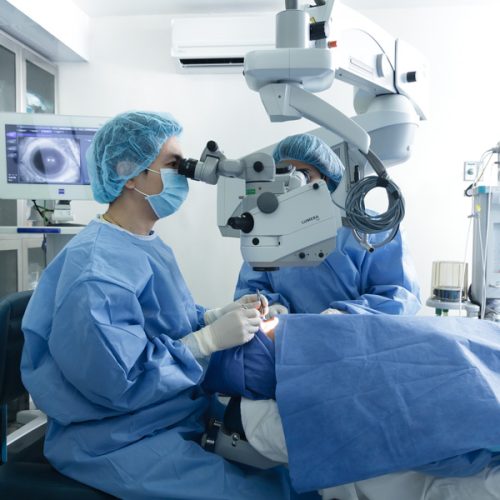
Cataract Surgery is a highly effective outpatient procedure. During Cataract Surgery, the cloudy natural lens is carefully removed and replaced with a clear artificial intraocular lens (IOL). The procedure typically takes less than 30 minutes per eye and is performed under local anesthesia.
Advanced techniques used at Lee Tan Eye Center ensure precision and safety throughout Cataract Surgery. Most patients experience minimal discomfort and return home the same day.
Types of Intraocular Lenses (IOLs)
One of the most important decisions in Cataract Surgery is selecting the right intraocular lens. Monofocal lenses provide clear vision at a single distance, often set for distance vision to improve driving. Multifocal lenses offer multiple focal points, reducing dependence on glasses. Toric lenses correct astigmatism, improving overall clarity.
Premium IOL options available at Lee Tan Eye Center may also enhance contrast sensitivity and reduce visual disturbances, supporting better night driving outcomes after Cataract Surgery.
How Cataract Surgery Improves Night Driving
Reduced Glare and Halos
Cataract Surgery removes the cloudy lens responsible for light scatter. Once replaced with a clear IOL, light enters the eye more accurately. Many patients report a dramatic reduction in glare from headlights and fewer halos around lights after Cataract Surgery.
Brighter and Sharper Vision
Colors often appear brighter and more vivid following Cataract Surgery. Improved clarity in low-light conditions allows drivers to see road signs, lane markings, and pedestrians more clearly at night.
Improved Depth Perception
With restored clarity, depth perception improves. Drivers can better judge distances when merging, changing lanes, or navigating intersections. Cataract Surgery supports safer decision-making on the road.
Faster Reaction Time
Clearer vision means faster recognition of hazards. Cataract Surgery can improve visual processing, allowing drivers to respond more quickly to sudden changes, such as braking vehicles or crossing pedestrians.
Patients treated at Lee Tan Eye Center frequently express renewed confidence in nighttime driving after successful Cataract Surgery.
How Long After Cataract Surgery Can You Drive at Night?
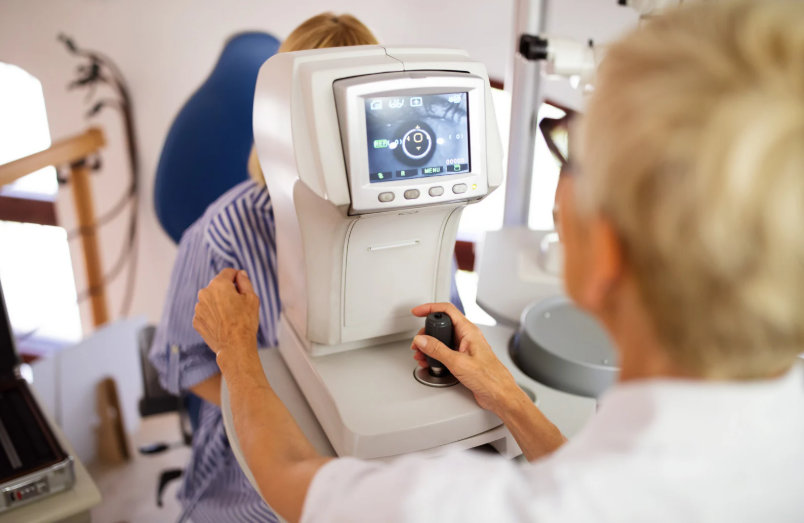
Recovery after Cataract Surgery is typically smooth. Many patients notice improved vision within a few days, though complete healing may take several weeks. Doctors usually advise waiting until vision stabilizes and you receive clearance during a follow-up visit before resuming nighttime driving.
At Lee Tan Eye Center, comprehensive post-operative evaluations ensure that patients are fully ready to drive safely after Cataract Surgery. Each recovery timeline varies, but most individuals can gradually return to driving within a short period.
Realistic Expectations After Cataract Surgery
While Cataract Surgery significantly improves vision, patients should understand that a short adjustment period is normal. Mild light sensitivity may occur initially. Some individuals may still notice minor visual phenomena depending on the type of IOL selected.
Choosing the appropriate IOL plays a key role in optimizing night driving results. A thorough consultation at Lee Tan Eye Center helps determine which Cataract Surgery option best aligns with your lifestyle and driving needs.
Tips for Safer Night Driving After Cataract Surgery
Even after successful Cataract Surgery, maintaining safe driving habits remains important. Keep your windshield clean to reduce glare. Ensure headlights are properly aligned and not overly bright. If recommended, use anti-reflective glasses to further reduce glare.
Regular eye checkups help monitor long-term visual health. Cataract Surgery restores clarity, but ongoing care ensures continued safety and comfort behind the wheel.
Frequently Asked Questions (FAQ)
Does Cataract Surgery completely eliminate glare at night?
Cataract Surgery significantly reduces glare caused by the cloudy natural lens. Most patients experience substantial improvement. However, minor glare may still occur depending on individual healing and the chosen IOL.
Will I still see halos after Cataract Surgery?
Halos typically decrease after Cataract Surgery. Some premium lenses may cause temporary halos during the adjustment period. A consultation at Lee Tan Eye Center helps you understand which lens option best supports your night driving goals.
Is Cataract Surgery safe for older adults who still drive?
Cataract Surgery is considered one of the safest and most commonly performed procedures worldwide. Older adults who drive often benefit greatly from Cataract Surgery due to improved clarity and reaction time.
How soon can I resume nighttime driving after Cataract Surgery?
Many patients can resume driving within days to weeks after Cataract Surgery, depending on recovery progress. Always follow your doctor’s advice and attend scheduled follow-up visits before returning to nighttime driving.
Can Cataract Surgery improve overall driving safety?
Yes, Cataract Surgery improves visual acuity, contrast sensitivity, and glare tolerance. These improvements contribute directly to safer driving, particularly in challenging nighttime conditions.
When to Consider Cataract Surgery for Night Driving Problems
Persistent difficulty with nighttime driving is a strong indicator that Cataract Surgery may be necessary. If glare, halos, and blurred vision interfere with daily life, seeking professional evaluation is essential.