Wound healing is an important part of maintaining overall health, but not every injury heals as expected. While minor cuts and scratches may recover with basic first aid, certain wounds require professional medical attention to prevent complications and support proper tissue repair. Chronic wounds, diabetic foot ulcers, pressure sores, surgical wounds, and infected injuries can become difficult to manage without specialized treatment. Seeking a specialist for wound care can help patients receive the appropriate assessment, treatment, and monitoring based on their specific conditions. These healthcare professionals understand the different factors that affect wound healing and develop treatment plans designed to address both visible injuries and their underlying causes. With proper medical guidance, patients can reduce the risk of infection, protect surrounding healthy tissue, and improve their chances of recovery. Understanding the role of wound care specialists can help individuals recognize when professional assistance is necessary and make informed decisions about their healthcare.
Understanding the Role of a Specialist for Wound Care
A specialist for wound care is a healthcare professional with specialized knowledge and experience in evaluating, treating, and monitoring different types of wounds. These professionals help patients manage injuries that require more attention than ordinary first aid or basic wound dressing. Their responsibilities include identifying wound characteristics, assessing tissue damage, monitoring healing progress, and recommending appropriate treatment options. They also consider medical conditions that may interfere with the body’s natural ability to repair damaged tissue. For example, patients with diabetes, vascular disease, or weakened immune systems may experience delayed healing and require closer medical supervision. A wound care specialist develops an individualized treatment approach based on the patient’s health history, wound condition, and recovery needs. By addressing both the wound and its contributing factors, specialized wound management can support safer and more effective healing.
Different Types of Wounds That Require Specialized Care
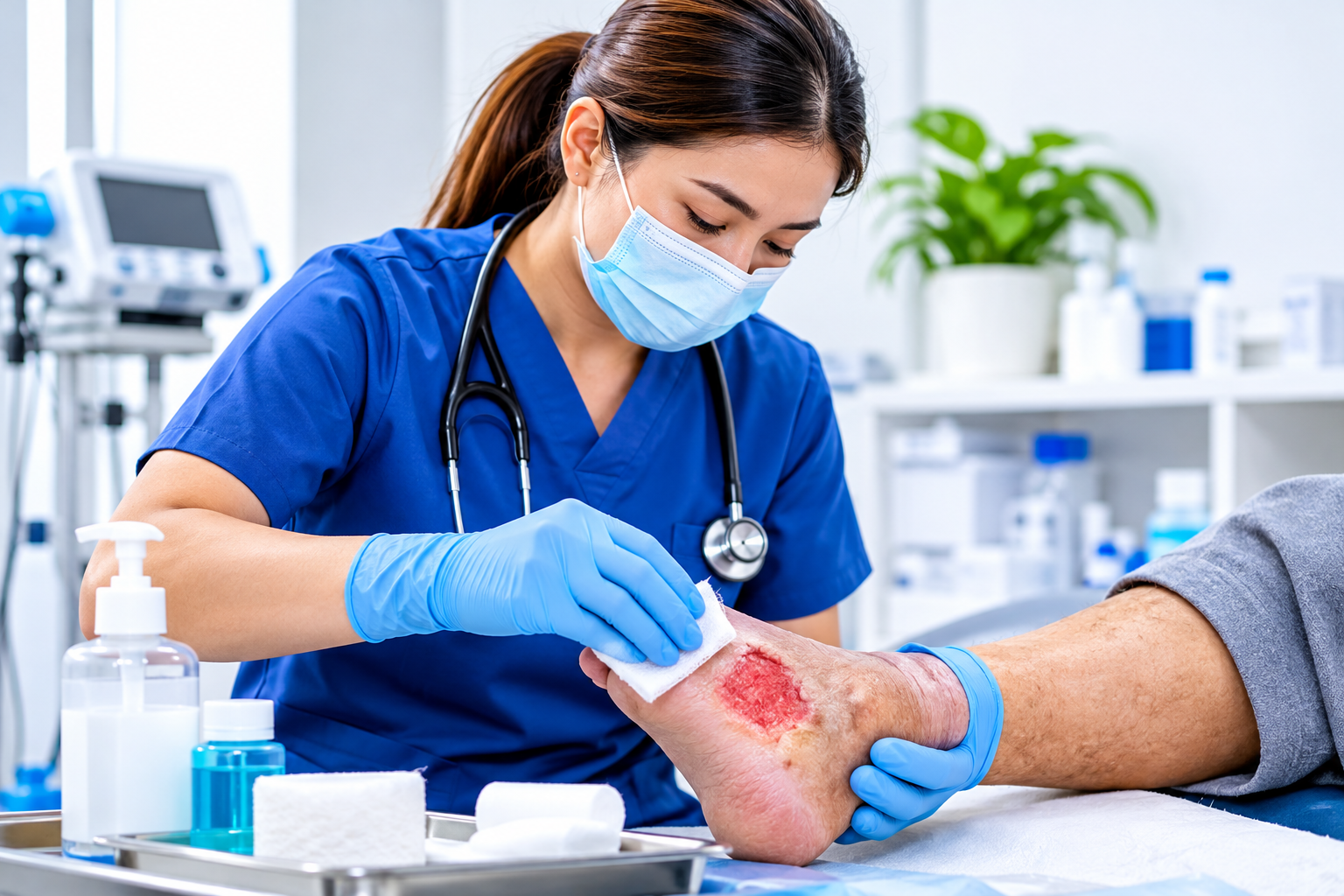
Wounds vary in severity, appearance, and healing requirements, which is why proper assessment is essential before selecting a treatment. Acute wounds include cuts, abrasions, burns, and surgical incisions that typically develop suddenly and may heal within a relatively predictable period. However, deeper injuries or wounds affected by infection may require specialized medical intervention. Chronic wounds are more challenging because they remain unhealed for an extended period or repeatedly reopen despite receiving treatment. Diabetic foot ulcers are particularly concerning because nerve damage and poor circulation can make it difficult for patients to recognize injuries and recover properly. Pressure ulcers develop when prolonged pressure restricts blood flow to certain areas, commonly affecting individuals with limited mobility. Venous and arterial ulcers are also important wound conditions because they are associated with problems affecting blood circulation in the lower extremities. A specialist for wound care evaluates these different conditions to determine the appropriate treatment strategy and reduce the possibility of further tissue damage.
Common Causes of Wounds and Delayed Healing
Several factors can affect how quickly and effectively a wound heals, making it important to identify the underlying causes during medical assessment. Diabetes is one of the most common conditions associated with delayed wound healing because elevated blood glucose levels can damage blood vessels and nerves. Reduced circulation may limit the amount of oxygen and nutrients delivered to injured tissues, slowing the body’s natural repair process. Nerve damage can also prevent patients from noticing cuts, blisters, and other injuries, allowing minor wounds to become more serious. Poor nutrition is another contributing factor because the body requires sufficient protein, vitamins, minerals, and calories to rebuild damaged tissue. Aging may also influence recovery because skin becomes thinner and certain biological processes become less efficient over time. Infections can further complicate healing by damaging tissue and interfering with the body’s normal recovery mechanisms. Identifying these contributing factors allows a wound care specialist to recommend appropriate interventions that address the patient’s overall health rather than focusing exclusively on the visible injury.
When Should You Consult a Specialist for Wound Care?
Knowing when to seek professional wound treatment can help prevent minor injuries from developing into more serious medical problems. Patients should consider consulting a specialist for wound care when an injury does not appear to improve within the expected healing period. Increasing redness, swelling, warmth, tenderness, and unusual drainage may indicate an infection that requires medical evaluation. A wound that produces pus, develops an unpleasant odor, or becomes increasingly painful should also receive prompt attention. Deep injuries, persistent bleeding, wounds with exposed underlying structures, and injuries caused by serious trauma may require immediate medical care. Individuals with diabetes, circulation problems, or weakened immune systems should be especially careful because their wounds may progress without obvious warning signs. Fever, chills, rapidly spreading redness, or severe pain may indicate a serious infection and require urgent medical assessment. Early professional intervention helps healthcare providers identify potential complications and determine the most appropriate treatment before the condition becomes more difficult to manage.
Diagnostic Procedures Used by Wound Care Specialists
Accurate wound assessment is an essential part of developing an effective treatment plan. During an initial consultation, a specialist for wound care typically reviews the patient’s medical history, existing health conditions, medications, and previous wound treatments. The healthcare professional examines the affected area to evaluate its size, depth, location, surrounding skin, drainage, and visible tissue condition. Wound measurements are important because they allow specialists to monitor changes over time and determine whether treatment is producing the expected results. Circulation assessments may also be performed, particularly when patients have wounds affecting their feet or lower legs. Depending on the clinical findings, additional procedures such as blood tests, wound cultures, or imaging studies may be recommended. Wound cultures can help identify microorganisms when infection is suspected, while imaging may help investigate deeper tissue involvement or possible bone infection. Regular reassessment allows the specialist to adjust the treatment approach according to the patient’s healing progress and changing medical needs.
Advanced Treatment Options Provided by a Specialist for Wound Care
Modern wound management involves several treatment options that are selected according to the wound’s severity, underlying cause, and healing requirements. One common procedure is wound debridement, which involves removing dead, damaged, or infected tissue when clinically appropriate. This procedure may help create a healthier wound environment and support the development of new tissue. Specialized wound dressings are also used to protect the affected area, manage drainage, and maintain an appropriate moisture balance. Negative pressure wound therapy is another option for selected patients, using controlled suction through a specialized dressing to manage wound fluid and support healing. Compression therapy may be recommended for certain venous leg ulcers to improve blood flow back toward the heart, provided the patient’s arterial circulation has been properly assessed. For complicated wounds, advanced options such as skin substitutes, specialized tissue products, or other regenerative treatments may be considered when appropriate. Infection management is also an important part of treatment, with medications such as antibiotics prescribed when medically indicated. A specialist for wound care determines which procedures and products are suitable for each patient rather than relying on a single treatment method for every wound.
The Importance of Personalized Wound Care Management
Every patient has different medical needs, which makes personalized wound care essential for achieving appropriate treatment outcomes. A wound care specialist considers several factors, including the patient’s age, general health, mobility, nutritional status, and existing medical conditions. Someone with diabetes may need additional monitoring of blood glucose levels and careful examination of the feet to prevent further injuries. Patients with limited mobility may require pressure-relief strategies and regular repositioning to reduce the risk of developing additional pressure ulcers. Individuals with vascular conditions may need further evaluation to determine whether circulation problems are interfering with the healing process. Personalized treatment plans also include appropriate dressing schedules, wound cleaning instructions, and follow-up appointments. Healthcare professionals monitor changes in wound size, tissue appearance, drainage, and surrounding skin to evaluate treatment effectiveness. Consistent communication between patients, caregivers, and medical professionals helps ensure that treatment instructions are understood and followed correctly.
Benefits of Seeking Treatment From a Specialist for Wound Care
Professional wound management offers several benefits, particularly for individuals experiencing persistent or complicated injuries. A specialist for wound care has the knowledge to recognize different wound conditions and identify factors that may prevent normal healing. Proper assessment helps healthcare professionals select appropriate treatments while reducing unnecessary interventions. Specialized wound management can also help identify signs of infection and tissue deterioration before complications become more severe. Patients receive guidance on dressing selection, wound protection, hygiene, and other practices that support recovery. For individuals with chronic wounds, regular monitoring provides an opportunity to evaluate treatment progress and make adjustments when necessary. Appropriate care may also help reduce discomfort, protect surrounding tissue, and support better mobility and daily functioning. Although healing outcomes depend on individual health conditions and wound severity, professional guidance can make wound management more organized, informed, and responsive to the patient’s needs.
Home Care Practices Recommended by Wound Care Specialists
Professional treatment is important, but proper home care also plays a significant role in supporting wound recovery. Patients should follow the cleaning and dressing instructions provided by their healthcare professional instead of experimenting with unapproved products or home remedies. Washing hands thoroughly before and after handling wound dressings helps reduce the risk of introducing harmful microorganisms. Patients should use only the cleaning solutions, dressings, and topical products recommended for their specific wound condition. It is also important to avoid unnecessary pressure, friction, or repeated contact with the affected area. Nutrition supports the body’s natural repair processes, so patients should maintain a balanced diet with adequate protein, vitamins, minerals, and fluids. Individuals with diabetes should follow their healthcare provider’s recommendations for blood glucose management because uncontrolled blood sugar can interfere with wound healing. Patients should also attend scheduled follow-up appointments and promptly report changes such as increased pain, swelling, redness, drainage, or fever. These practices help complement professional treatment and allow healthcare providers to monitor recovery more effectively.
How to Choose the Right Specialist for Wound Care
Choosing an appropriate wound care professional is an important decision, especially when dealing with chronic or complicated injuries. Patients should look for qualified healthcare professionals with relevant training, experience, and knowledge of different wound management techniques. It is helpful to determine whether the specialist regularly treats conditions similar to the patient’s particular wound. Access to appropriate diagnostic services, wound assessment tools, and treatment options can also influence the quality of care. Patients should feel comfortable discussing their symptoms, medical history, treatment concerns, and recovery expectations during consultations. Clear communication is particularly important because wound management often involves ongoing treatment and regular monitoring. For complicated conditions, coordinated care involving specialists in diabetes management, vascular medicine, infectious diseases, or surgery may be necessary. Patients can also ask about recommended treatment procedures, dressing schedules, follow-up appointments, and warning signs that require immediate attention. Selecting a knowledgeable and communicative specialist helps patients better understand their condition and participate actively in their recovery.
Frequently Asked Questions About Finding a Specialist for Wound Care
1. What does a specialist for wound care do?
A specialist for wound care evaluates, diagnoses, treats, and monitors different types of wounds. These healthcare professionals manage acute injuries, chronic wounds, diabetic ulcers, pressure sores, and other complicated conditions. They determine the appropriate treatment based on wound characteristics and the patient’s overall health. Their responsibilities may include wound cleaning, debridement, dressing selection, infection management, and follow-up assessments. They may also coordinate care with other medical professionals when underlying conditions affect healing.
2. When should I visit a wound care specialist?
You should consider visiting a wound care specialist when a wound does not heal as expected, repeatedly reopens, or develops signs of infection. Increasing redness, swelling, pain, warmth, and unusual drainage should receive medical attention. Patients with diabetes, poor circulation, or weakened immune systems should seek professional evaluation early, even when an injury appears minor. Deep wounds and serious injuries may require immediate medical assessment. Early evaluation helps identify potential problems and determine appropriate treatment.
3. What types of wounds can a wound care specialist treat?
Wound care specialists manage various injuries and conditions, including diabetic foot ulcers, pressure ulcers, venous leg ulcers, arterial ulcers, surgical wounds, burns, and traumatic injuries. They also evaluate chronic wounds that have difficulty healing despite basic treatment. Each wound type requires a different approach depending on its cause, severity, and location. Some patients may need advanced wound therapies, while others may benefit from appropriate cleaning, dressings, and management of underlying conditions. A professional assessment helps determine the most suitable treatment.
4. How long does it take for a wound to heal with specialized treatment?
Healing time depends on several factors, including wound size, depth, location, circulation, infection status, and the patient’s overall health. Minor wounds may heal within days or weeks, while complicated chronic wounds may require several months of treatment. Conditions such as diabetes and vascular disease can slow the body’s natural recovery process. Following treatment instructions and attending scheduled appointments can help healthcare professionals monitor progress. A wound care specialist can provide a more realistic healing estimate after examining the affected area.
5. What is the difference between a general doctor and a wound care specialist?
A general doctor provides broad medical care and can evaluate many common injuries and health conditions. A wound care specialist focuses on the assessment and management of wounds that require specialized attention. These professionals may have additional training or experience in wound assessment, debridement, advanced dressings, and chronic wound management. Both healthcare professionals can work together to address the patient’s needs. The appropriate provider depends on the wound’s condition and the level of treatment required.
6. Can a wound care specialist treat infected wounds?
Yes, wound care specialists can evaluate wounds with suspected infections and recommend appropriate management. They assess symptoms such as redness, swelling, warmth, pain, pus, and unusual drainage. Depending on the condition, they may recommend wound cleaning, debridement, laboratory testing, or medications prescribed by an appropriate healthcare professional. More serious infections may require urgent medical attention or additional specialist involvement. Patients should never attempt to manage severe wound infections without professional guidance.
7. Is wound debridement necessary for every wound?
No, wound debridement is not necessary for every wound. The procedure is generally considered when dead, damaged, or infected tissue interferes with healing or requires removal for appropriate wound management. The method depends on the wound’s condition, location, and the patient’s circulation and overall health. Some wounds may heal effectively with appropriate dressings and other conservative treatments. A qualified healthcare professional should determine whether debridement is safe and appropriate.
8. How can I support wound healing at home?
Patients can support wound healing by following prescribed cleaning and dressing instructions, maintaining proper hygiene, and protecting the affected area from additional injury. Eating a balanced diet with sufficient protein and nutrients also supports normal tissue repair. Patients should avoid smoking when possible because smoking can negatively affect circulation and healing. Those with diabetes should follow their prescribed blood glucose management plans. Regular follow-up appointments are important for monitoring progress and identifying possible complications.
9. Can people with diabetes benefit from specialized wound care?
Yes, people with diabetes can benefit significantly from specialized wound care because the condition may affect circulation, nerve function, and the body’s ability to heal. Even a small foot injury can become serious when it goes unnoticed or receives inadequate treatment. A wound care specialist can assess diabetic ulcers, monitor tissue changes, and recommend appropriate treatment. Patients may also receive guidance on foot inspections, pressure reduction, footwear, and blood glucose management. Early medical attention can help reduce the risk of severe infections and other complications.
10. Should I seek specialized care for a wound that keeps reopening?
Yes, a wound that repeatedly reopens should receive professional evaluation. Recurring wounds may indicate underlying problems such as poor circulation, excessive pressure, infection, or inadequate tissue healing. Simply covering the affected area may not address the reason the injury continues to return. A specialist for wound care can examine the wound, investigate contributing factors, and recommend a treatment plan. Identifying the underlying problem is important for supporting long-term wound recovery.
Takeaway: The Value of Professional Wound Care for Better Healing
Proper wound management involves more than cleaning an injury and covering it with a dressing. Patients experiencing chronic wounds, recurring injuries, diabetic ulcers, and other complicated conditions may require specialized medical attention to support recovery and prevent further problems. Consulting a specialist for wound care provides access to professional assessment, appropriate treatment options, and consistent monitoring throughout the healing process. Understanding the causes of delayed healing is equally important because conditions such as diabetes, poor circulation, and infections can interfere with tissue repair. Patients also play an important role by following medical instructions, maintaining proper hygiene, eating nutritious foods, and attending follow-up appointments. Choosing a qualified wound care professional can help individuals make informed decisions about their treatment and understand the steps necessary for better wound management. With timely medical attention and an individualized approach, patients can take meaningful steps toward healthier tissue recovery and improved overall well-being.