A torn anterior cruciate ligament can quickly affect walking, sports, work, exercise, and confidence during everyday movement. The ACL helps control knee stability, especially during sudden stops, pivots, jumps, and changes of direction. When this ligament suffers major damage, acl surgery may become part of a treatment plan aimed at restoring knee stability and helping a patient return to desired activities.
Sports such as basketball, volleyball, football, badminton, running, and other activities that require rapid directional changes can place significant stress on the ACL. A tear may also happen after a fall, awkward landing, traffic accident, or direct blow around the knee. Common symptoms include swelling, pain, restricted movement, and a sensation that the knee may give way.
Not every ACL injury requires an operation. Treatment depends on tear severity, knee stability, activity demands, associated cartilage or meniscus damage, age, general health, and personal goals. Patients considering acl surgery should first receive a detailed orthopedic assessment so that surgical and non-surgical options can be compared carefully.
Tec Orthopedic, based around Quezon City, provides orthopedic assessment and treatment planning under board-certified orthopedic surgeon Dr. Lou Mervyn Tec. His background includes advanced orthopedic training completed at Nagato, Yamaguchi, Japan, plus hips and knees training through Queensland Hips and Knees, Australia. His approach focuses on restoring mobility while matching treatment recommendations with each patient’s condition and activity goals.
What Is ACL Surgery?
ACL surgery usually refers to anterior cruciate ligament reconstruction. Rather than simply stitching a completely torn ligament back together, reconstruction commonly replaces the damaged ACL with a graft made from tendon tissue.
The graft acts as a new stabilizing structure while biological healing occurs over time. Placement must reproduce the ACL’s functional role as closely as possible so that the knee can regain appropriate stability during forward movement, rotation, and higher-demand activities.
Surgical recommendations vary. Some patients may have partial tears with acceptable stability and may respond well to rehabilitation. Others may have complete tears, repeated knee giving-way episodes, or additional injuries that make reconstruction more suitable.
A consultation with an orthopedic surgeon helps determine whether acl surgery offers reasonable benefits based on the patient’s specific situation.
What Does the ACL Do?
The anterior cruciate ligament sits near the center of the knee and connects the femur to the tibia. Its main functions include limiting excessive forward movement of the tibia and helping control rotation.
Daily walking may place less rotational demand on the ACL than competitive sports. Activities that involve sudden stopping, cutting, pivoting, jumping, or landing place greater stress on this ligament.
After a significant ACL tear, some people can still walk fairly well yet feel unstable during athletic movements. Others may notice instability even during stairs, uneven surfaces, or quick turns.
That difference explains why decisions about acl surgery should consider lifestyle and future activity goals rather than relying only on pain levels.
Common Causes of ACL Tears
ACL injuries frequently occur without direct contact. A person may plant one foot, change direction suddenly, and feel the knee twist. An awkward landing after a jump can create a similar injury pattern.
Other possible causes include:
- Sudden pivoting while the foot remains planted
- Rapid stopping during sports
- Poor landing mechanics after a jump
- Direct impact around the knee
- Falls
- Contact sports injuries
- Traffic-related trauma
- Recreational accidents
A popping sensation may occur when the ligament tears. Swelling can develop soon afterward, followed by difficulty continuing activity.
Anyone with major swelling, instability, or persistent symptoms after knee trauma should seek orthopedic assessment before attempting to return to demanding activity.
Signs That May Point to an ACL Tear
Symptoms vary from one person to another, yet several signs commonly appear after ACL damage.
Possible signs include:
- A popping feeling or sound during injury
- Rapid knee swelling
- Pain around the joint
- Difficulty bearing weight
- Reduced range of motion
- Instability during turning
- Trouble climbing or descending stairs
- Difficulty squatting
- Repeated episodes of the knee giving way
- Reduced confidence during sports
Symptoms alone cannot confirm an ACL tear. Meniscus injuries, cartilage damage, fractures, collateral ligament injuries, and other knee problems can produce similar complaints.
A proper diagnosis should come before any decision about acl surgery.
Who May Need ACL Surgery?
Candidates for acl surgery often include active people whose knee remains unstable after a complete ACL tear.
Athletes who want to return to basketball, football, volleyball, badminton, martial arts, or other pivot-heavy sports may require stronger rotational stability than someone whose routine involves mostly low-demand activity.
Surgery may also be considered for:
- People with repeated knee instability
- Patients whose work requires lifting, climbing, turning, or rapid movement
- Athletes planning a return to competitive sports
- Patients with ACL damage plus a repairable meniscus injury
- People with multiple ligament injuries
- Patients whose symptoms continue despite appropriate rehabilitation
Age alone does not determine eligibility. Overall health, knee condition, activity goals, rehabilitation commitment, and associated injuries can matter greatly.
Does Every ACL Tear Require Surgery?
No. ACL surgery does not automatically become necessary after every tear.
Some patients with partial tears or lower activity demands may achieve acceptable function through rehabilitation, muscle strengthening, activity changes, bracing when appropriate, and regular orthopedic follow-up.
A non-surgical plan may focus on strengthening the quadriceps, hamstrings, hips, and core while improving balance and movement control.
Surgery becomes more likely when instability continues, desired activities require strong rotational control, or associated knee damage changes the treatment strategy.
The right choice depends on a detailed conversation between the patient and orthopedic surgeon.
How an ACL Tear Is Diagnosed
Evaluation usually starts with a discussion about how the injury happened, what symptoms developed, and which activities now feel difficult.
An orthopedic surgeon may assess:
- Swelling
- Knee alignment
- Range of motion
- Tenderness
- Ligament stability
- Ability to bear weight
- Movement quality
Specific physical examination maneuvers can help assess ACL stability.
X-rays may be requested when bone injury needs to be ruled out. MRI may help confirm ligament damage while also showing meniscus, cartilage, or other soft-tissue problems.
Accurate diagnosis supports better planning for acl surgery because associated injuries may affect the procedure and rehabilitation program.
What Happens During ACL Surgery?
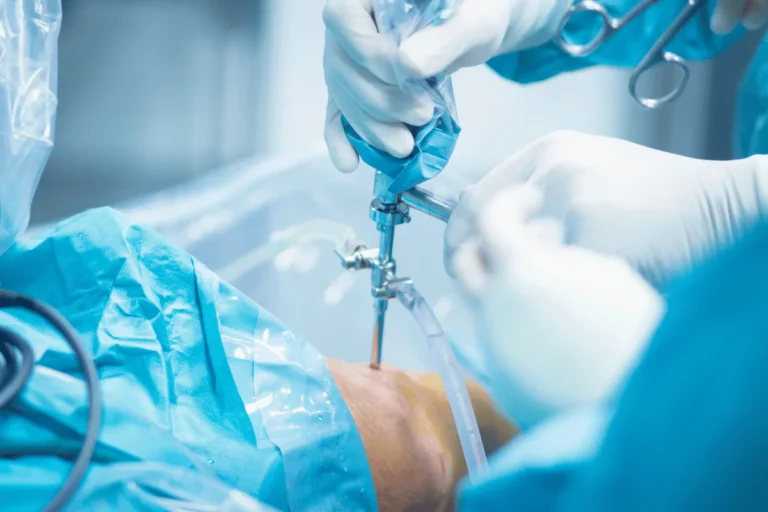
Most modern ACL reconstruction procedures use arthroscopic techniques. Arthroscopy uses a small camera that allows the surgeon to see structures around the knee joint through small surgical openings.
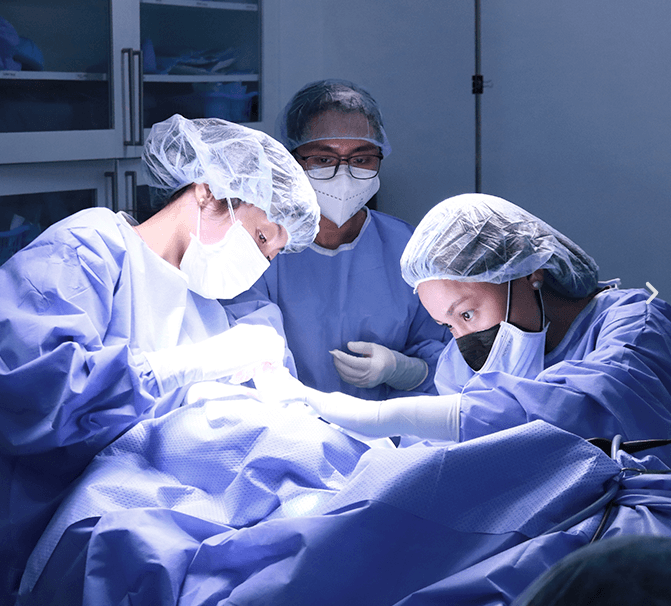
During acl surgery, damaged ligament tissue may be addressed before the selected graft is positioned across the knee. Small bone tunnels or sockets may be created around appropriate attachment areas. The graft is then secured using fixation devices selected by the surgeon.
The exact method can vary according to graft choice, surgeon technique, anatomy, previous injuries, and other knee problems.
Meniscus or cartilage treatment may also occur during the same operation when needed.
After reconstruction, the surgical openings are closed and early recovery begins.
Benefits of Arthroscopic ACL Surgery
Arthroscopic acl surgery has become a common approach because it allows the surgeon to view the joint directly while working through relatively small openings.
Possible benefits may include:
- Smaller surgical openings compared with traditional open procedures
- Less disruption of surrounding soft tissue
- Direct visualization of internal knee structures
- Ability to assess meniscus or cartilage problems during surgery
- Smaller scars
- Structured post-operative rehabilitation
- Gradual return toward regular activities after medical clearance
Results vary from patient to patient. Successful recovery still depends heavily on proper surgical planning, graft healing, physical therapy, strength restoration, and responsible progression toward demanding activity.
ACL Graft Options
Graft selection is one of the major decisions connected with acl surgery. Different graft choices have different advantages and tradeoffs.
A surgeon considers age, sport, occupation, anatomy, activity level, previous surgery, personal preferences, and other clinical factors.
Common options include hamstring tendon, patellar tendon, quadriceps tendon, and donor tissue.
Hamstring Tendon Graft
Hamstring grafts commonly use tendon tissue taken from the back portion of the thigh.
This option has been widely used for ACL reconstruction and may offer good stability for properly selected patients. Rehabilitation includes rebuilding hamstring strength along with overall lower-limb control.
Graft choice should never be based solely on popularity. Suitability depends on the individual patient.
Patellar Tendon Graft
A patellar tendon graft commonly uses tissue from the tendon connecting the kneecap to the tibia, along with small bone portions at each end.
This option has a long history across sports-related acl surgery.
Some athletes and high-demand patients may be considered for this graft depending on surgeon assessment. Possible front-of-knee discomfort represents one factor that may be discussed before surgery.
Quadriceps Tendon Graft
Quadriceps tendon tissue can also serve as an ACL graft.
This option may provide a substantial graft size and has become another important choice for selected patients.
An orthopedic surgeon can explain whether quadriceps tendon grafting matches a patient’s anatomy, activity level, previous procedures, and recovery goals.
Donor Tissue for ACL Reconstruction
Donor tissue, also called allograft tissue, may be considered for certain cases.
The decision depends on age, physical demands, surgical history, graft availability, and surgeon judgment.
Highly active younger athletes may receive different graft recommendations compared with older or lower-demand patients because graft choice can affect re-tear considerations.
Patients planning acl surgery should discuss graft options carefully rather than assuming that one graft works best for everyone.
Preparing for ACL Surgery
Good preparation can support early recovery.
Before acl surgery, patients may be asked to work on reducing swelling, restoring knee movement, and improving muscle activation. Some surgeons recommend pre-operative physical therapy when appropriate.
Preparation may include:
- Completing required laboratory or medical tests
- Reviewing medications with the surgical team
- Asking about graft options
- Working on prescribed exercises
- Improving knee range of motion when possible
- Arranging transportation
- Preparing help at home
- Creating clear walking paths around the house
- Preparing crutches or a brace when prescribed
- Discussing return-to-work expectations
- Planning physical therapy appointments
Patients should follow instructions supplied by their surgeon and hospital or surgical facility.
What to Expect After ACL Surgery
Early recovery after acl surgery usually focuses on swelling control, pain management, wound care, knee movement, and safe walking.
Crutches may be prescribed for a period of time. Some patients may also use a brace based on surgeon preference and associated procedures.
Early rehabilitation commonly works toward restoring full knee extension while gradually improving flexion. Quadriceps activation receives major attention because thigh weakness can develop quickly after knee surgery.
Follow-up appointments allow the surgeon to assess wound healing, swelling, motion, stability, and rehabilitation progress.
Patients should avoid comparing their recovery too closely with another person because procedures, grafts, associated injuries, and rehabilitation responses can differ.
ACL Surgery Recovery Time
Recovery after acl surgery happens across several stages rather than one fixed timetable.
The first few weeks generally focus on swelling, pain control, knee motion, walking, and muscle activation.
Later rehabilitation works on strength, balance, coordination, and functional movement.
Running comes later after sufficient strength and movement control return. Sports involving pivoting, cutting, jumping, or physical contact require even more preparation.
Many patients require several months before returning to higher-level activity. Competitive return may take around nine months or longer for many athletes, depending on clinical progress and testing.
Calendar time alone should not determine sports clearance.
Early Recovery After ACL Surgery
During early rehabilitation, goals may include:
- Reducing swelling
- Restoring knee extension
- Gradually improving flexion
- Activating the quadriceps
- Walking safely
- Protecting the graft
- Following wound-care instructions
- Managing discomfort
Patients should not rush this stage.
Poor motion, excessive swelling, or muscle weakness can affect later rehabilitation, so early exercises should follow professional guidance.
Middle-Stage Rehabilitation
As healing progresses, physical therapy after acl surgery may shift toward progressive strengthening.
Exercises can target:
- Quadriceps
- Hamstrings
- Gluteal muscles
- Calves
- Core control
- Single-leg balance
- Coordination
- Movement mechanics
Patients should avoid adding demanding movements simply because the knee feels better.
Returning to Running
Running normally begins only after basic strength, joint control, and movement criteria have been met.
A rehabilitation professional may assess single-leg control, squat quality, strength measurements, swelling response, and general knee stability before running begins.
Progress often starts with controlled jogging before speed and distance increase.
Returning to running too soon after acl surgery may place unnecessary stress on recovering tissues.
Returning to Sports After ACL Surgery
Returning to competitive sport represents one of the biggest goals for many people having acl surgery.
Sports clearance should consider more than pain relief.
Assessment may include:
- Quadriceps and hamstring strength
- Side-to-side strength differences
- Hop testing
- Landing mechanics
- Balance
- Change-of-direction control
- Sport-specific movements
- Knee confidence
- Psychological readiness
An athlete may feel ready before physical testing shows full readiness. Structured return-to-sport assessment can help reduce avoidable risk.
Why Physical Therapy Matters After ACL Surgery
Surgery reconstructs the ligament, but rehabilitation rebuilds function.
Physical therapy after acl surgery helps restore motion, strength, balance, coordination, and movement control.
A progressive rehabilitation plan can help patients:
- Regain knee motion
- Restore lower-limb strength
- Improve balance
- Rebuild confidence
- Prepare for work demands
- Prepare for exercise
- Progress toward sport-specific activities
- Reduce harmful movement patterns
Skipping rehabilitation or progressing too quickly can affect recovery quality.
Tec Orthopedic places value on treatment planning that considers both the operation and the rehabilitation required afterward.
Possible Risks of ACL Surgery
Like any surgical procedure, acl surgery carries possible risks.
These may include:
- Infection
- Blood clots
- Knee stiffness
- Persistent swelling
- Ongoing discomfort
- Reduced range of motion
- Muscle weakness
- Graft failure
- Repeat ACL tear
- Difficulty returning to prior sports level
- Complications related to anesthesia
- Need for additional procedures
Risk levels differ according to age, health, activity level, graft selection, associated injuries, rehabilitation, and other factors.
Patients should discuss personal risks directly with their surgeon before making a decision.
ACL Surgery Cost Factors Around the Philippines
The total price of acl surgery can vary significantly.
Cost may depend on:
- Surgeon professional fees
- Hospital or surgical facility charges
- Anesthesia
- Imaging and diagnostic tests
- Graft choice
- Fixation devices
- Surgical supplies
- Complexity of the injury
- Meniscus repair or cartilage procedures
- Medication
- Follow-up consultations
- Physical therapy
Insurance coverage also varies by provider and policy.
Patients should request a personalized estimate from the clinic and surgical facility before making financial arrangements.
How to Choose an Orthopedic Surgeon for ACL Surgery
Choosing a surgeon for acl surgery deserves careful consideration.
Patients may want to ask about:
- Board certification
- Experience with sports-related knee injuries
- Experience performing arthroscopic procedures
- Preferred graft options
- Reasons behind graft recommendations
- Expected rehabilitation stages
- Return-to-work expectations
- Return-to-sport criteria
- Management of meniscus or cartilage damage
- Follow-up care after surgery
A strong surgeon-patient relationship also depends on clear communication. Patients should feel comfortable asking questions about expected benefits, risks, alternatives, rehabilitation, and long-term activity goals.
Why Consider Tec Orthopedic for ACL Surgery?
Tec Orthopedic provides orthopedic assessment and treatment planning for patients around Quezon City and nearby Metro Manila areas.
The practice is led by Dr. Lou Mervyn Tec, a board-certified orthopedic surgeon whose medical background includes UP Biology, UP College of Medicine, orthopedic residency at Philippine General Hospital, advanced Hand and Microsurgery training at Nagato, Yamaguchi, Japan, plus hips and knees training through Queensland Hips and Knees, Australia.
For patients considering acl surgery, this background supports an orthopedic approach focused on accurate assessment, appropriate procedure selection, mobility restoration, and structured recovery planning.
Treatment recommendations are based on the patient’s injury, daily demands, athletic goals, overall knee condition, and long-term mobility needs.
Tec Orthopedic also provides a practical Quezon City option for patients who require ongoing orthopedic follow-up throughout recovery.
ACL Surgery for Athletes and Active Adults
Athletes often expect more from their reconstructed knee than basic walking or daily movement.
Basketball players must cut, pivot, jump, land, accelerate, and stop rapidly. Volleyball players repeatedly jump and land. Football players perform sudden changes of direction under pressure.
Those demands make rehabilitation after acl surgery especially important.
Athletic recovery should rebuild strength, coordination, balance, reactive control, and confidence before unrestricted sports participation.
A return to sport should happen after clinical clearance and appropriate functional testing rather than based solely on how many months have passed.
Ways to Support ACL Surgery Recovery
Patients can support recovery by following their prescribed rehabilitation program carefully.
Helpful habits include:
- Attending orthopedic follow-ups
- Completing prescribed physical therapy
- Performing home exercises correctly
- Avoiding premature sports activity
- Maintaining balanced nutrition
- Getting adequate sleep
- Managing body weight when appropriate
- Following wound-care directions
- Reporting unusual symptoms promptly
- Progressing exercise according to clinical guidance
Recovery after acl surgery requires patience. Trying to accelerate each stage can create setbacks rather than faster progress.
When to See an Orthopedic Surgeon for a Suspected ACL Tear
Seek orthopedic assessment after a knee injury when symptoms include substantial swelling, repeated instability, difficulty bearing weight, loss of motion, persistent pain, or inability to return to normal activity.
A popping sensation followed by swelling also deserves medical attention.
Early assessment can identify whether the ACL, meniscus, cartilage, another ligament, or bone has been damaged.
Patients who may need acl surgery can then discuss their options with an orthopedic surgeon before making decisions about sports, work, or rehabilitation.
Choosing the Right ACL Surgery Plan
No two ACL injuries are exactly alike.
One patient may have an isolated ACL tear. Another may also have meniscus damage. A third may have cartilage injury or additional ligament problems.
Activity goals also differ. A competitive athlete may require a different treatment approach from someone focused mainly on comfortable daily walking.
That is why acl surgery should be based on a complete orthopedic assessment rather than a generic treatment formula.
Tec Orthopedic and Dr. Lou Mervyn Tec can assess knee symptoms, review diagnostic findings, discuss surgical and non-surgical options, and help patients understand what recovery may require.
Proper planning can give patients clearer expectations before committing to ACL reconstruction.
Frequently Asked Questions About ACL Surgery
What is acl surgery?
ACL surgery usually refers to reconstruction of a torn anterior cruciate ligament using tendon graft tissue. The goal is to restore knee stability and support a return to desired activities.
Does every ACL tear need acl surgery?
No. Some partial tears and some complete tears may be managed without surgery depending on knee stability, symptoms, activity level, and personal goals. An orthopedic assessment helps determine suitable treatment.
How long does acl surgery recovery take?
Recovery takes several months. Higher-demand sports often require around nine months or longer before return, depending on strength, stability, functional testing, associated injuries, and medical clearance.
Can I walk after acl surgery?
Many patients begin protected walking fairly early, often with crutches. Weight-bearing rules differ based on the reconstruction, graft choice, meniscus procedures, and surgeon instructions.
Is acl surgery painful?
Post-operative discomfort is expected. Pain usually changes as healing progresses. Medication, swelling control, appropriate movement, and rehabilitation can help manage symptoms.
What graft is best for acl surgery?
There is no single graft that is best for every patient. Hamstring tendon, patellar tendon, quadriceps tendon, and donor tissue may all be considered depending on age, anatomy, sport, activity demands, and surgeon judgment.
Can an ACL tear happen again after acl surgery?
Yes. A reconstructed ACL can suffer another injury. Rehabilitation quality, strength, movement control, return-to-sport timing, and exposure to high-risk activities can affect re-tear risk.
When can athletes return to sports after acl surgery?
Return-to-sport timing depends on strength, knee stability, functional testing, movement quality, confidence, and medical clearance. Many athletes require at least several months, with nine months or longer commonly considered for demanding pivoting sports.
How much does acl surgery cost around the Philippines?
Total cost varies based on surgeon fees, hospital charges, anesthesia, graft choice, implants, diagnostic tests, associated procedures, medication, and rehabilitation. A personalized estimate provides the most useful answer.
Where can I consult about acl surgery around Quezon City?
Tec Orthopedic offers orthopedic assessment under board-certified orthopedic surgeon Dr. Lou Mervyn Tec. Patients with suspected ACL tears, knee instability, sports injuries, or questions about acl surgery can seek an evaluation to discuss diagnosis, treatment choices, graft options, rehabilitation, and recovery expectations.