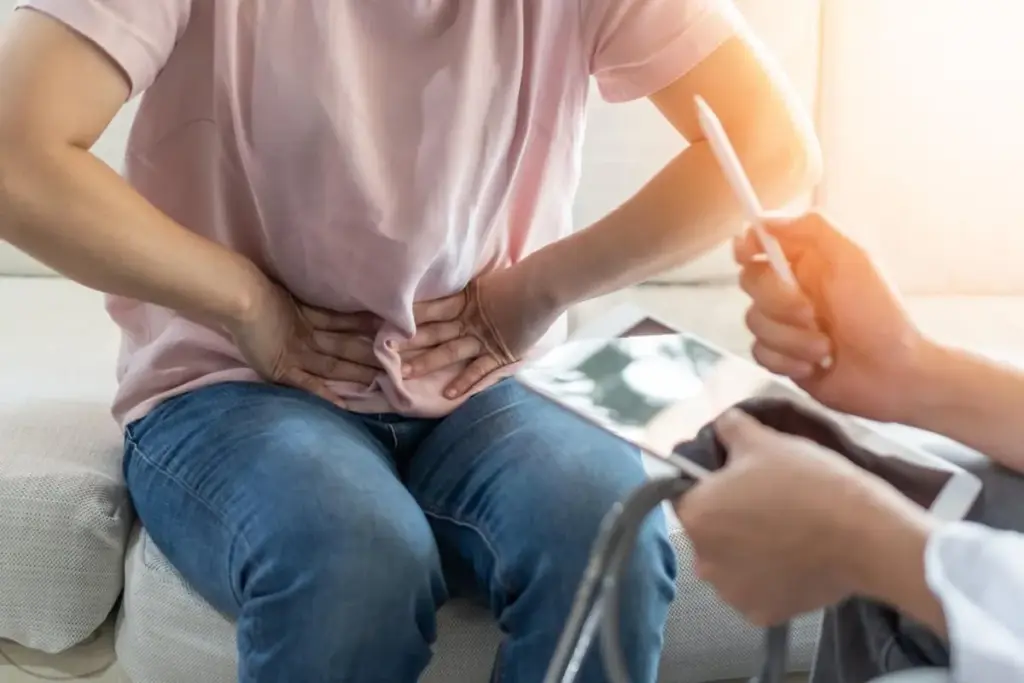
Dyspareunia is the medical term for persistent or recurring pain during sexual intercourse. While it is more commonly experienced by women, men can also develop discomfort that affects intimacy and overall quality of life. The good news is that many cases respond well to appropriate dyspareunia treatments, especially when the underlying cause is properly identified. Whether the pain stems from pelvic floor dysfunction, hormonal changes, an underlying medical condition, or emotional factors, early intervention can make a meaningful difference.
Understanding the available dyspareunia treatments can help individuals regain confidence, improve comfort, and restore healthy intimate relationships. For those seeking conservative, non-surgical care, Osteopractic Physical Therapy of Central Indiana offers specialized physical therapy services that may help address musculoskeletal and pelvic floor conditions contributing to painful intercourse.
What Is Dyspareunia?
Dyspareunia refers to pain experienced before, during, or after sexual intercourse. The discomfort may occur at the entrance of the vagina, deeper within the pelvis, or in other areas depending on the underlying cause. Some individuals experience pain from their first sexual encounter, while others develop symptoms later in life.
Healthcare providers generally classify dyspareunia as either superficial pain, occurring at the point of penetration, or deep pain felt during deeper penetration. Identifying the type of discomfort is an important step in determining the most effective dyspareunia treatments.
Common Causes of Dyspareunia
Several physical, hormonal, and psychological factors may contribute to painful intercourse.
Physical causes include vaginal dryness, infections, endometriosis, pelvic inflammatory disease, ovarian cysts, uterine fibroids, scar tissue from childbirth or surgery, and pelvic floor muscle dysfunction. Tight or overactive pelvic floor muscles are a frequently overlooked source of pain that can often improve with targeted therapy.
Hormonal changes associated with menopause, breastfeeding, or certain medications may reduce natural lubrication and elasticity, increasing discomfort during intimacy.
Psychological factors such as anxiety, stress, depression, past trauma, or relationship challenges may also contribute to muscle tension and pain. Because multiple factors often interact, successful dyspareunia treatments usually involve a comprehensive evaluation rather than focusing on a single symptom.
Symptoms That May Accompany Dyspareunia
Pain during intercourse can vary widely from person to person. Some individuals describe a burning or stinging sensation, while others experience sharp, aching, or deep pelvic pain. Muscle spasms, tenderness, vaginal dryness, bleeding after intercourse, or lingering discomfort may also occur.
Beyond physical symptoms, dyspareunia may lead to anxiety surrounding intimacy, decreased sexual desire, relationship strain, and reduced self-confidence. Recognizing these accompanying symptoms helps healthcare providers recommend personalized dyspareunia treatments that address both physical and emotional well-being.
How Dyspareunia Is Diagnosed
An accurate diagnosis is essential for choosing appropriate dyspareunia treatments. A healthcare provider typically begins by discussing medical history, including when the pain started, where it occurs, its severity, and whether specific activities worsen or relieve symptoms.
A physical examination may include a pelvic assessment to identify muscle tightness, tenderness, inflammation, or structural concerns. Depending on the situation, additional testing such as laboratory work, imaging studies, or ultrasound may be recommended to rule out infections, endometriosis, or other medical conditions.
This thorough evaluation allows healthcare professionals to develop a treatment plan tailored to the individual’s specific needs.
Effective Dyspareunia Treatments
Treatment depends on the underlying cause, and many people benefit from a combination of therapies.
Medical management may involve treating infections with antibiotics, managing hormonal changes through appropriate therapies, or addressing conditions such as endometriosis or ovarian cysts. In certain cases, surgical intervention may be necessary when conservative care alone is insufficient.
Pelvic floor physical therapy is among the most effective conservative dyspareunia treatments for individuals whose pain is related to muscle tension, weakness, or poor coordination. Therapy may include manual techniques, guided stretching, breathing exercises, relaxation strategies, posture correction, and personalized exercises designed to improve pelvic floor function.
Lubricants and vaginal moisturizers can help reduce friction and discomfort caused by vaginal dryness. Water-based and silicone-based lubricants are common options, while vaginal moisturizers may provide longer-lasting hydration for ongoing symptoms.
Hormone therapy may benefit individuals experiencing menopause-related changes. A healthcare provider can determine whether localized estrogen therapy or other hormonal approaches are appropriate based on medical history and individual risk factors.
Pain management strategies may include topical medications, anti-inflammatory medications when appropriate, and lifestyle modifications that reduce discomfort during intimacy.
Counseling or sex therapy may also play an important role. Addressing anxiety, relationship concerns, or past trauma can complement physical dyspareunia treatments and contribute to long-term improvement.
Individuals looking for specialized rehabilitation may consider Osteopractic Physical Therapy of Central Indiana, where physical therapists evaluate movement patterns, musculoskeletal function, and pelvic floor-related impairments that may contribute to painful intercourse. Their individualized treatment approach can support patients as part of a comprehensive care plan developed in collaboration with their healthcare providers.
Home Remedies That May Help
Although professional evaluation remains important, several self-care strategies may complement formal dyspareunia treatments.
Using a quality lubricant during intercourse may reduce friction and improve comfort. Staying well hydrated, practicing relaxation techniques, taking warm baths, and performing pelvic floor relaxation exercises may also help decrease muscle tension.
Avoiding heavily scented soaps, harsh personal hygiene products, and irritating fabrics can minimize irritation. Open communication with a partner about comfort levels, preferred positions, and pacing may further reduce discomfort and improve intimacy.
These approaches should not replace medical evaluation when pain is persistent but may enhance overall treatment outcomes.
Can Dyspareunia Be Prevented?
Not every case can be prevented, but healthy habits may reduce the likelihood of developing painful intercourse.
Maintaining regular healthcare appointments, treating infections promptly, managing chronic medical conditions, using lubrication when appropriate, staying physically active, and practicing pelvic floor relaxation exercises can all support pelvic health.
Seeking care early when symptoms first appear often leads to more effective dyspareunia treatments and may prevent symptoms from becoming chronic.
When Should You See a Healthcare Provider?
Persistent pain during intercourse should never be ignored. Medical evaluation is recommended if pain continues despite home care, becomes more severe, is accompanied by bleeding, unusual discharge, fever, or pelvic pain outside of intercourse, or begins affecting emotional well-being and relationships.
Early diagnosis allows healthcare providers to identify the underlying cause and recommend the most appropriate dyspareunia treatments, improving the chances of lasting relief.
Takeaway
Living with painful intercourse can affect physical comfort, emotional health, and intimate relationships, but effective dyspareunia treatments are available. Identifying the underlying cause is the foundation of successful care, whether treatment involves medical management, pelvic floor rehabilitation, counseling, lifestyle modifications, or a combination of approaches.
Frequently Asked Questions
Can dyspareunia go away without treatment?
Some temporary discomfort may resolve on its own, particularly if it is related to minor irritation or temporary hormonal changes. However, persistent or recurring pain should be evaluated because many underlying causes require specific dyspareunia treatments.
What are the most effective dyspareunia treatments?
The most effective treatment depends on the cause. Common options include pelvic floor physical therapy, treatment of infections, hormone therapy, counseling, lifestyle modifications, and pain management. Many people achieve the best results through a personalized combination of therapies.
Can pelvic floor physical therapy help with painful intercourse?
Yes. Pelvic floor physical therapy is widely used to address muscle tightness, weakness, poor coordination, and movement dysfunction that contribute to painful intercourse. A thorough evaluation helps determine whether this treatment is appropriate for an individual’s condition.
Is dyspareunia common after menopause?
Yes. Hormonal changes during menopause often reduce vaginal lubrication and tissue elasticity, making intercourse more uncomfortable. Appropriate dyspareunia treatments may include hormone therapy, vaginal moisturizers, lubricants, and pelvic floor rehabilitation.
Where can I seek conservative care for dyspareunia?
Individuals interested in non-surgical rehabilitation may consider Osteopractic Physical Therapy of Central Indiana for a comprehensive physical therapy evaluation. Their team can work alongside other healthcare providers to address musculoskeletal and pelvic floor factors that may contribute to painful intercourse.