A broken bone can affect your ability to move, work, play sports, and complete daily activities. Proper treatment is important to restore bone alignment, reduce pain, and support safe healing. One treatment option used for certain fractures and joint injuries is Closed Reduction, a procedure that helps realign bones without making a surgical incision.
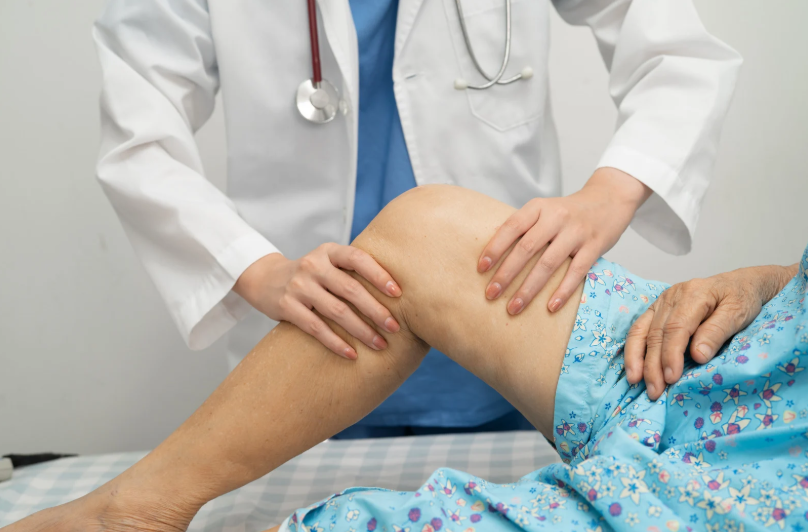
Closed Reduction is a non-surgical orthopedic procedure where a doctor carefully moves a fractured bone or dislocated joint back into its correct position using controlled manual techniques. After the bone is properly aligned, a cast or splint is commonly applied to keep the injured area stable while healing takes place.
Patients with fractures often worry that surgery is always required. However, Closed Reduction may provide effective treatment for selected injuries when the fracture pattern, bone position, and overall condition of the patient allow this approach.
At Lao Orthopedic Clinic, patients from Bicol, Naga City, Legazpi City, and Camarines Sur receive specialized orthopedic assessment and fracture care. Dr. Lawrence Lao provides evaluation and treatment plans focused on restoring function, improving comfort, and supporting proper recovery after bone injuries.
How Does Closed Reduction Work?
Closed Reduction focuses on returning a displaced bone or joint to its normal position without surgery. The procedure requires careful assessment and precise techniques to achieve proper alignment.
Before performing Closed Reduction, an orthopedic surgeon evaluates the injury through:
- Physical examination
- Review of symptoms
- Assessment of swelling, movement, and pain levels
- X-ray imaging to determine the location and severity of the fracture
During the procedure, pain control methods may be provided to help the patient remain comfortable. Depending on the injury and patient needs, the doctor may use local anesthesia, medication, or sedation.
The orthopedic surgeon then performs Closed Reduction by gently guiding the bone fragments back into alignment. Once the correct position is achieved, another X-ray may be taken to confirm that the bone placement is suitable.
After successful Closed Reduction, the injured area is protected with a cast or splint. This support prevents unnecessary movement and helps maintain alignment while the bone heals.
When Is Closed Reduction Recommended?
Not every fracture requires surgery. Closed Reduction may be recommended when a fracture or joint injury can be safely corrected without an operation.
Common injuries that may benefit from Closed Reduction include:
- Certain wrist fractures
- Forearm fractures
- Finger fractures
- Ankle fractures
- Some childhood fractures
- Selected joint dislocations
- Stable fractures with displaced bone fragments
The decision to perform Closed Reduction depends on several factors, including:
- Type of fracture
- Location of the injury
- Degree of bone displacement
- Patient age
- Activity level
- Overall health condition
An orthopedic surgeon must evaluate each injury carefully before recommending Closed Reduction. Some fractures require surgical treatment when bones cannot remain properly aligned or when the injury involves severe damage.
Signs You May Need Orthopedic Fracture Evaluation
After an accident, sports injury, or fall, it can sometimes be difficult to know whether an injury is a fracture, sprain, or other type of damage. Seeking medical attention early can help prevent complications.
Signs that may require orthopedic evaluation include:
- Severe pain after an injury
- Swelling around the affected area
- Bruising
- Difficulty moving the injured limb
- Inability to place weight on the affected area
- Visible deformity
- Numbness or tingling
- A joint appearing out of position
Early assessment allows the orthopedic surgeon to determine whether treatments such as Closed Reduction, casting, splinting, or surgery are appropriate.
Patients across Bicol, Naga City, Legazpi City, and Camarines Sur who experience fracture-related injuries can seek professional orthopedic care to receive proper diagnosis and treatment recommendations.
What Happens During a Closed Reduction Procedure?
Understanding the process can help patients feel more prepared before undergoing Closed Reduction.
Medical Assessment
The first step involves evaluating the injury. The orthopedic surgeon reviews the patient’s symptoms, performs an examination, and checks imaging results.
X-rays are especially important because they show the position of the fractured bones and help guide the Closed Reduction procedure.
Pain Management
Comfort is an important part of the procedure. Depending on the injury, the doctor may provide medication to reduce discomfort during the bone realignment process.
Bone Realignment
The orthopedic surgeon carefully applies controlled pressure and movement to restore the bone to its proper position. The goal of Closed Reduction is to achieve alignment that supports natural healing.
Cast or Splint Application
After the bone has been realigned, a cast or splint is applied. This keeps the injured area stable and protects the healing bone.
Casting and splinting are important parts of recovery because movement during the early healing stage may affect bone position.
Follow-Up Monitoring
After Closed Reduction, follow-up appointments are necessary. Additional X-rays may be performed to confirm that the bone remains properly aligned.
Regular monitoring helps the orthopedic surgeon identify any changes during the healing process.
Benefits of Closed Reduction
For appropriate fractures, Closed Reduction offers several potential benefits compared with surgical treatment.
Some advantages include:
- No surgical incision
- Reduced risk of infection associated with surgery
- Less disruption to surrounding tissues
- Shorter procedure time compared with many operations
- Effective treatment for suitable fractures
- Support for natural bone healing
However, Closed Reduction is not the right treatment for every fracture. The best approach depends on the specific injury and the patient’s recovery needs.
Closed Reduction vs. Open Reduction
Patients often ask about the difference between Closed Reduction and open reduction.
Closed Reduction involves realigning bones through manual techniques without an incision. The bone is then supported with a cast, splint, or other immobilization method.
Open reduction is a surgical procedure where an incision is made to directly access the fracture. Surgical implants such as plates, screws, or rods may be used to maintain bone stability.
A comparison:
Closed Reduction
- Non-surgical procedure
- No incision
- Uses manual bone alignment
- Often followed by casting or splinting
- Suitable for selected fractures
Open Reduction
- Requires surgery
- Uses direct access to the fracture site
- May require implants
- Often recommended for complex or unstable fractures
An orthopedic surgeon determines which treatment provides the safest and most effective outcome.
Recovery After Closed Reduction
Recovery after Closed Reduction varies depending on the location and severity of the fracture. Some bones heal within several weeks, while more complex injuries may require a longer recovery period.
Patients can support healing by following these recommendations:
- Keep the cast or splint protected
- Attend scheduled follow-up appointments
- Avoid activities that may stress the injured area
- Follow movement restrictions provided by the orthopedic surgeon
- Complete rehabilitation exercises when recommended
Physical therapy may be suggested after the bone has healed enough to improve strength, flexibility, and joint movement.
Patients should also watch for warning signs such as increasing pain, excessive swelling, numbness, or changes in skin color around the cast. These symptoms should be reported to an orthopedic professional.
Possible Risks and Complications of Closed Reduction
Although Closed Reduction is a commonly used orthopedic procedure, patients should understand that risks may still occur.
Possible concerns include:
- Difficulty maintaining bone alignment
- Delayed healing
- Joint stiffness
- Swelling or discomfort inside the cast
- Reduced movement after immobilization
- Need for surgery if proper alignment cannot be maintained
Following medical instructions and attending follow-up visits can help reduce these risks.
Why Choose Lao Orthopedic Clinic for Closed Reduction and Fracture Care?
Lao Orthopedic Clinic provides orthopedic services for patients needing fracture evaluation, Closed Reduction, casting, splinting, and other bone and joint treatments.
Dr. Lawrence Lao is an orthopedic surgeon with training in Orthopedic Traumatology from East Avenue Medical Center. He also completed advanced fellowship training in Hip and Knee Advanced Reconstruction at Chang Gung University in Taipei, Taiwan, as well as Sports Surgery and Arthroscopy training at Thammasat University in Thailand.
With extensive experience treating orthopedic conditions, Dr. Lao provides patient-focused care for fractures, sports injuries, joint problems, and musculoskeletal conditions.
Patients from Bicol, Naga City, Legazpi City, and Camarines Sur can receive professional evaluation and treatment plans designed around their injury, lifestyle, and recovery goals.
Takeaway
Closed Reduction is an important orthopedic procedure that helps restore proper bone alignment without surgery for many suitable fractures and joint injuries. Through careful assessment, accurate realignment, and proper casting or splinting, patients can achieve safer healing and improved recovery.
Early treatment after a fracture or injury can make a significant difference in long-term function. Lao Orthopedic Clinic provides expert orthopedic care for patients throughout Bicol, offering evaluation and treatment for fractures, sports injuries, and other musculoskeletal conditions.
Frequently Asked Questions About Closed Reduction
Is Closed Reduction painful?
Patients may experience pressure or discomfort during Closed Reduction, but pain control methods are used to improve comfort. The level of discomfort depends on the type and location of the injury.
Does Closed Reduction mean I will not need surgery?
Not always. Closed Reduction can treat many suitable fractures without surgery, but some injuries may still require an operation if the bone cannot maintain proper alignment.
How long does recovery take after Closed Reduction?
Healing time depends on the fracture location, severity, and the patient’s overall health. Your orthopedic surgeon can provide a more accurate recovery timeline after evaluating your injury.
How long will I need a cast after Closed Reduction?
The length of time wearing a cast varies depending on the bone involved and how well healing progresses. Follow-up X-rays help determine when the cast can be removed.
Can children undergo Closed Reduction?
Yes. Closed Reduction is commonly used for certain pediatric fractures because children’s bones may heal differently from adults. An orthopedic evaluation is needed to determine the appropriate treatment.
When should I see an orthopedic surgeon after an injury?
You should seek orthopedic care if you experience severe pain, swelling, deformity, difficulty moving, or suspected fracture after an accident, fall, or sports injury.
Where can I get Closed Reduction treatment in Bicol?
Patients looking for Closed Reduction and fracture care in Bicol, Naga City, Legazpi City, and Camarines Sur can consult Lao Orthopedic Clinic for professional orthopedic evaluation and treatment options.