
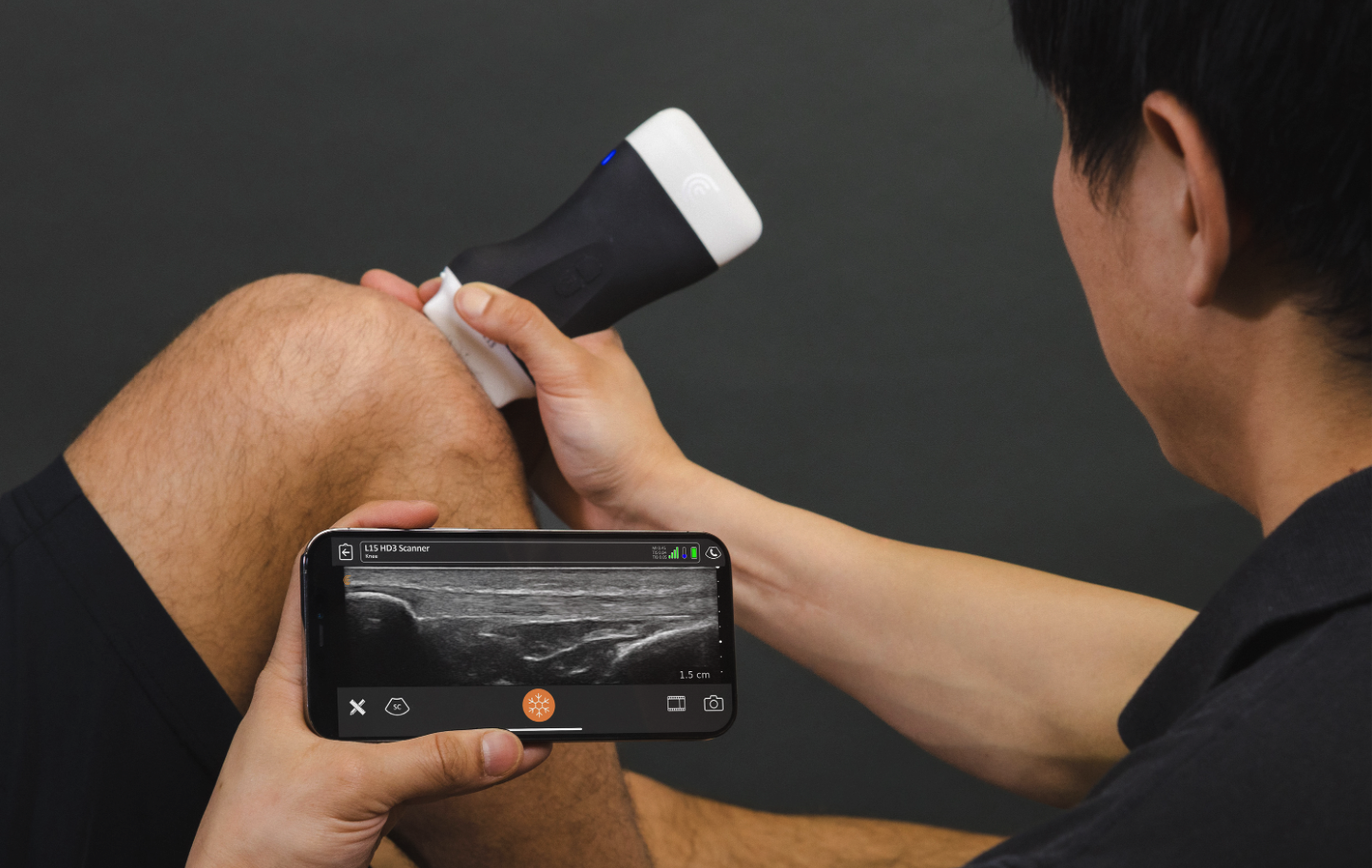
Pain can limit daily activities, athletic performance, and overall quality of life. Whether discomfort develops after an injury, repetitive movement, or gradual wear and tear, finding the true source of the problem is essential for successful recovery. Many musculoskeletal conditions share similar symptoms, making accurate diagnosis a critical first step before beginning treatment.
One diagnostic tool that has become increasingly valuable for both healthcare providers and patients is msk ultrasound. This advanced imaging technology allows clinicians to examine muscles, tendons, ligaments, joints, and other soft tissue structures in real time. At Osteopractic Physical Therapy of Central Indiana, msk ultrasound serves as an important component of comprehensive evaluations designed to help active individuals recover naturally and return to the activities they enjoy.
By combining msk ultrasound with detailed biomechanical assessments and personalized treatment plans, patients can receive targeted care that addresses the root cause of their pain rather than simply managing symptoms.
What Is MSK Ultrasound?
Understanding Musculoskeletal Ultrasound Technology
MSK ultrasound, short for musculoskeletal ultrasound, is a diagnostic imaging technique that uses high-frequency sound waves to create detailed images of soft tissue structures throughout the body. Unlike imaging methods that rely on radiation, msk ultrasound provides a safe and non-invasive way to evaluate injuries and movement-related conditions.
The technology works by transmitting sound waves through tissues. These waves reflect back to the ultrasound device, creating real-time images that clinicians can interpret immediately. Because msk ultrasound offers dynamic imaging, healthcare providers can assess structures while a patient moves, bends, lifts, or performs other functional activities.
This ability to observe tissues during motion makes msk ultrasound particularly useful for diagnosing conditions that may not be fully visible during static examinations.
What Structures Can Be Examined?
A wide range of anatomical structures can be evaluated using msk ultrasound. These include:
- Muscles
- Tendons
- Ligaments
- Joints
- Bursae
- Peripheral nerves
- Fascia
- Soft tissue structures surrounding joints
Because msk ultrasound provides detailed visualization of these tissues, it can assist clinicians in identifying abnormalities that contribute to pain, weakness, instability, or movement restrictions.
Why Accurate Diagnosis Is Essential for Lasting Pain Relief
Looking Beyond Symptoms
Pain does not always originate from the location where symptoms are felt. A person experiencing shoulder pain may actually have an issue involving tendon irritation, muscular dysfunction, or movement compensation occurring elsewhere within the body. Similarly, knee pain may be related to hip weakness, ankle mobility restrictions, or soft tissue dysfunction.
MSK ultrasound helps clinicians move beyond assumptions by providing visual evidence of tissue health and structural integrity. This additional information supports more accurate clinical decision-making and helps identify factors contributing to pain.
When combined with movement assessments, msk ultrasound allows therapists to gain a clearer understanding of how structural issues and functional limitations work together.
Preventing Unnecessary Treatments
Without proper diagnostic information, treatment plans may focus on symptoms rather than causes. This can result in prolonged recovery times and frustration for patients seeking relief.
MSK ultrasound can help reduce uncertainty by identifying tendon injuries, muscle tears, ligament damage, inflammation, and other conditions that may require specific treatment approaches. With more precise information available, therapists can create rehabilitation programs designed around a patient’s unique needs and goals.
This focused approach often leads to improved outcomes and greater confidence throughout the recovery process.
Common Conditions Evaluated with MSK Ultrasound
Shoulder Injuries
The shoulder is one of the most complex joints in the body and frequently experiences injuries related to sports, exercise, and repetitive activities.
MSK ultrasound can assist in evaluating:
- Rotator cuff injuries
- Tendinitis
- Bursitis
- Shoulder impingement
- Muscle strains
- Partial tendon tears
Because msk ultrasound provides real-time imaging, therapists can assess how shoulder structures behave during movement, offering valuable insights into the source of pain and dysfunction.
Knee Conditions
Knee pain affects athletes and active adults across all age groups. Many knee conditions involve soft tissue structures that can be effectively assessed using msk ultrasound.
Examples include:
- Patellar tendon injuries
- Quadriceps tendon irritation
- Ligament sprains
- Swelling and inflammation
- Muscle strains surrounding the knee
A detailed msk ultrasound evaluation can help determine the extent of tissue involvement and guide appropriate rehabilitation strategies.
Foot and Ankle Problems
Foot and ankle injuries can significantly impact mobility and athletic performance. MSK ultrasound provides valuable information regarding common conditions such as:
- Plantar fasciitis
- Achilles tendinopathy
- Achilles tendon tears
- Ankle ligament injuries
- Soft tissue inflammation
Early identification through msk ultrasound can help patients begin targeted treatment sooner and avoid worsening symptoms.
Elbow, Wrist, and Hand Conditions
Repetitive movements often contribute to upper extremity injuries. MSK ultrasound can be useful when evaluating:
- Tennis elbow
- Golfer’s elbow
- Tendon irritation
- Carpal tunnel-related concerns
- Soft tissue injuries
Real-time visualization allows clinicians to examine structures while performing movements that reproduce symptoms.
Muscle and Soft Tissue Injuries
Sports injuries frequently involve muscles and soft tissues. MSK ultrasound can help assess:
- Muscle strains
- Partial muscle tears
- Scar tissue formation
- Healing progression
- Soft tissue abnormalities
These insights help therapists develop individualized treatment plans aimed at restoring strength and function safely.
Benefits of MSK Ultrasound for Active Individuals
Real-Time Dynamic Assessment
One of the greatest advantages of msk ultrasound is its ability to provide dynamic imaging. Unlike certain imaging methods that capture static pictures, msk ultrasound allows clinicians to observe tissues during movement.
This capability can reveal abnormalities that become apparent only when joints and muscles are actively functioning. Dynamic assessment provides valuable information that contributes to more accurate diagnoses.
Non-Invasive and Comfortable
Patients often appreciate that msk ultrasound is painless and does not expose them to radiation. The examination process typically involves applying gel to the area being evaluated while a handheld transducer moves across the skin.
Most evaluations are completed comfortably within a relatively short period, making msk ultrasound a convenient option for many individuals.
Immediate Clinical Insights
Another benefit of msk ultrasound is the ability to review findings immediately. Patients can often see images during the examination and discuss results directly with their provider.
This immediate feedback helps improve understanding of the condition and allows treatment planning to begin without unnecessary delays.
Supports Active Lifestyles
Athletes and active adults often want answers quickly so they can return to training, work, or recreational activities. MSK ultrasound supports this goal by helping identify injuries, monitor healing, and guide rehabilitation decisions throughout recovery.
This information enables clinicians to make informed recommendations regarding activity modifications and progression.
MSK Ultrasound and Osteopractic Physical Therapy
Combining Imaging with Comprehensive Movement Assessment
While imaging provides valuable structural information, movement analysis remains equally important. At Osteopractic Physical Therapy of Central Indiana, therapists combine msk ultrasound with comprehensive biomechanical assessments to identify both structural and functional contributors to pain.
This approach provides a more complete picture of a patient’s condition and supports individualized treatment planning.
Creating Personalized Treatment Plans
No two patients experience pain in exactly the same way. Treatment plans should reflect each person’s goals, medical history, activity level, and physical limitations.
Information gathered through msk ultrasound helps therapists develop targeted rehabilitation programs that may include:
- Corrective exercises
- Strength training
- Manual therapy
- Mobility work
- Movement retraining
Each plan is designed to support long-term recovery and improved performance.
Tracking Progress Over Time
MSK ultrasound can also be valuable during the rehabilitation process. Follow-up imaging may help clinicians monitor tissue healing and assess how treatment is influencing recovery.
This ongoing feedback allows adjustments to be made when necessary, helping patients continue progressing toward their goals.
What to Expect During an MSK Ultrasound Evaluation
Initial Consultation and Physical Assessment
Every evaluation begins with a detailed discussion of symptoms, medical history, activity level, and personal goals. Therapists also perform movement assessments to identify limitations, weaknesses, and compensatory patterns.
This information helps determine how msk ultrasound can contribute to the diagnostic process.
The Imaging Process
During the examination, a small amount of gel is applied to the skin. A handheld transducer is then moved across the area being assessed.
Patients may be asked to perform specific movements while images are captured. These dynamic assessments often provide valuable information regarding tissue function and movement quality.
Reviewing Results
Following the examination, therapists review findings and explain how the results relate to symptoms and functional limitations.
Patients receive recommendations regarding treatment options, rehabilitation strategies, and next steps for recovery.
Who Can Benefit from MSK Ultrasound?
Many individuals may benefit from msk ultrasound evaluations, including:
- Athletes recovering from sports injuries
- Active adults experiencing persistent pain
- Individuals with shoulder discomfort
- Patients dealing with knee pain
- People recovering from tendon injuries
- Individuals seeking non-surgical treatment options
- Those wanting a more precise diagnosis before beginning rehabilitation
Because msk ultrasound provides valuable insights into soft tissue health and movement-related conditions, it can be an excellent resource for a wide variety of patients.
Why Choose Osteopractic Physical Therapy of Central Indiana for MSK Ultrasound?
Expert Assessment Focused on Root Causes
The team at Osteopractic Physical Therapy of Central Indiana is committed to identifying the true source of pain rather than simply addressing symptoms. Through detailed evaluations and advanced diagnostic tools such as msk ultrasound, therapists work to uncover factors contributing to dysfunction and discomfort.
Personalized, Goal-Oriented Care
Every treatment plan is designed around the patient’s individual goals. Whether someone wants to return to sports, improve daily function, or overcome chronic pain, care is tailored to support meaningful results.
Natural Recovery Without Dependence on Medications
Osteopractic Physical Therapy emphasizes movement, strength, and physical restoration. Patients benefit from evidence-based treatment strategies designed to help them recover naturally while avoiding unnecessary reliance on medications, injections, or surgical interventions whenever appropriate.
Supporting Long-Term Performance and Wellness
Recovery is only part of the process. The team also focuses on helping patients maintain physical health and reduce future injury risk through education, movement optimization, and preventive strategies.
Take the Next Step Toward Finding the Source of Your Pain
Persistent pain should never be ignored or accepted as a normal part of life. Accurate diagnosis plays a major role in achieving successful recovery and preventing future complications.
MSK ultrasound provides valuable information that helps identify soft tissue injuries, movement-related dysfunctions, and structural abnormalities contributing to pain. When combined with comprehensive biomechanical assessment and personalized Osteopractic Physical Therapy treatment, patients gain access to a powerful approach focused on restoring movement and helping them return to the activities they enjoy.
For active individuals seeking answers and lasting results, msk ultrasound can be an important step toward achieving pain-free movement and improved physical performance.
Frequently Asked Questions About MSK Ultrasound
What does msk ultrasound show?
MSK ultrasound can visualize muscles, tendons, ligaments, nerves, bursae, joints, and other soft tissue structures. It helps identify injuries, inflammation, tears, and other abnormalities that may contribute to pain and dysfunction.
Is msk ultrasound safe?
Yes. MSK ultrasound does not use radiation and is considered a safe imaging method for evaluating musculoskeletal conditions.
How long does an msk ultrasound examination take?
Most examinations are completed within 15 to 45 minutes, depending on the area being assessed and the complexity of the condition.
Can msk ultrasound detect tendon tears?
Yes. MSK ultrasound is commonly used to evaluate tendon injuries, including partial and full-thickness tears, tendinopathy, and inflammation.
Is msk ultrasound better than MRI?
Each imaging method offers unique advantages. MSK ultrasound provides real-time dynamic assessment and immediate feedback, while MRI may provide more detailed evaluation of certain deep structures. The most appropriate option depends on the patient’s condition and clinical needs.
Do I need special preparation before an msk ultrasound appointment?
Most patients do not require special preparation. Wearing comfortable clothing that allows access to the affected area is typically recommended.
Can msk ultrasound help guide physical therapy treatment?
Absolutely. Findings from msk ultrasound help therapists develop more targeted treatment plans and monitor progress throughout rehabilitation.
Who should consider getting an msk ultrasound evaluation?
Athletes, active adults, individuals with persistent pain, and patients seeking a precise diagnosis before starting treatment may benefit from an msk ultrasound evaluation.