Caring for bedridden patients comes with unique challenges, especially when it comes to managing wounds that can quickly worsen without proper attention. Limited mobility increases the risk of complications such as pressure ulcers, infections, and delayed healing. Seeking help from a specialized wound hospital is essential to ensure that patients receive the right level of care, advanced treatment, and continuous monitoring. Facilities like Kalingap Wound Care Clinic stand out as a trusted partner in delivering professional wound management services tailored to the needs of bedridden individuals.
Understanding Wounds in Bedridden Patients
Common Types of Wounds
Bedridden patients are highly susceptible to several types of wounds. Pressure ulcers, commonly known as bedsores, develop due to prolonged pressure on certain areas of the body. Diabetic wounds are also common among patients with underlying conditions, often taking longer to heal. Surgical wounds may require close monitoring to prevent complications, while infected or non-healing wounds can escalate into serious health risks if left untreated. A specialized wound hospital is equipped to manage all these conditions effectively.
Causes and Risk Factors
Several factors contribute to the development of wounds in bedridden patients. Immobility is the primary cause, as constant pressure restricts blood flow to certain areas. Poor circulation, chronic illnesses such as diabetes, and weakened immunity further increase the risk. Malnutrition also plays a role, as the body lacks the nutrients needed for proper healing. Addressing these factors requires a comprehensive approach that a specialized wound hospital can provide.
Why Bedridden Patients Need Specialized Wound Care
Home care may not always be sufficient for managing complex wounds. Without proper expertise, wounds can deteriorate, leading to infections and prolonged recovery. A specialized wound hospital offers early intervention, which is crucial in preventing complications. Professional care ensures accurate diagnosis, consistent monitoring, and the use of advanced treatment methods. Facilities like Kalingap Wound Care Clinic provide a higher level of care that significantly improves healing outcomes.
What Is a Specialized Wound Hospital?
Definition and Core Focus
A specialized wound hospital is a medical facility dedicated to treating chronic, complex, and non-healing wounds. It focuses on delivering targeted care using evidence-based practices and modern technology.
Key Features
Patients benefit from a multidisciplinary team that may include doctors, nurses, and wound care specialists. Advanced equipment and strict infection control protocols are standard in a specialized wound hospital. Personalized treatment plans are also developed to address the specific needs of each patient, ensuring optimal results.
Services Offered by a Specialized Wound Hospital
Comprehensive Wound Assessment
Accurate diagnosis is the foundation of effective treatment. A specialized wound hospital conducts thorough assessments to determine the type, severity, and underlying causes of the wound.
Advanced Treatment Methods
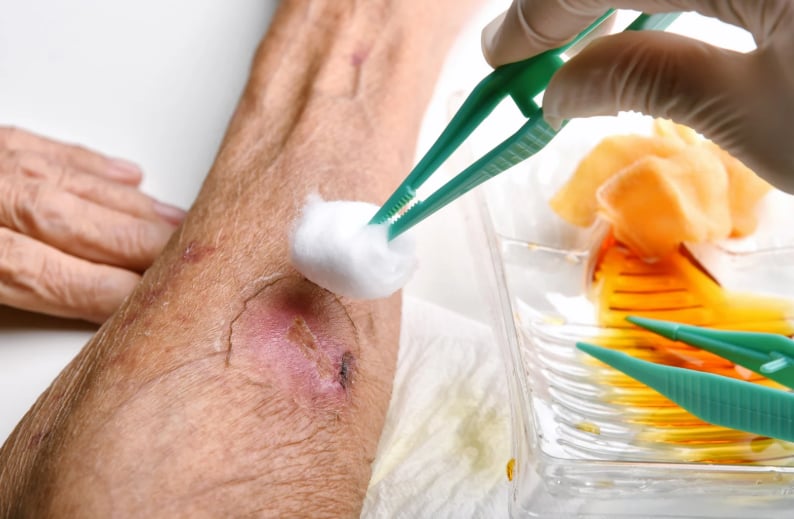
Treatment options may include debridement to remove dead tissue, negative pressure wound therapy to promote healing, and skin grafting for severe cases. These advanced techniques are not typically available in basic care settings.
Infection Management
Preventing and controlling infection is critical. A specialized wound hospital uses sterile techniques and appropriate medications to manage bacterial growth and reduce complications.
Pain Management and Patient Comfort
Pain can significantly affect a patient’s quality of life. Proper pain management strategies are implemented to keep patients comfortable throughout the healing process.
Rehabilitation and Mobility Support
Even bedridden patients can benefit from guided movement and positioning strategies. A specialized wound hospital provides support to prevent further complications and promote overall health.
Benefits of Choosing a Specialized Wound Hospital
Opting for a specialized wound hospital offers numerous advantages. Healing time is often faster due to expert care and advanced treatments. The risk of infection is significantly reduced, and patients experience improved comfort and quality of life. Caregivers also receive guidance and support, making it easier to manage the patient’s condition at home. Kalingap Wound Care Clinic is recognized for delivering these benefits through dedicated and patient-focused services.
How to Choose the Right Specialized Wound Hospital
Credentials and Expertise
Look for facilities with certified wound care specialists who have experience in handling complex cases.
Availability of Advanced Equipment
A reliable specialized wound hospital should have access to modern technology and treatment options.
Patient-Centered Approach
Personalized care plans indicate that the facility prioritizes the unique needs of each patient.
Reputation and Reviews
Positive feedback and success stories are strong indicators of quality care. Kalingap Wound Care Clinic has built a reputation as a dependable provider in this field.
Role of Caregivers in Supporting Wound Healing
Caregivers play an important role in the recovery process. Maintaining cleanliness, ensuring proper positioning, and monitoring wounds for signs of infection are essential tasks. Following the treatment plan provided by a specialized wound hospital helps achieve better outcomes. Collaboration between caregivers and professionals ensures consistent and effective care.
Preventing Wounds in Bedridden Patients
Prevention remains one of the most effective strategies. Regular repositioning helps relieve pressure on vulnerable areas. Proper nutrition and hydration support the body’s healing process. Maintaining skin hygiene and using specialized mattresses or cushions can also reduce the risk of wound development. Guidance from a specialized wound hospital can help caregivers implement these preventive measures effectively.
When to Seek Help from a Specialized Wound Hospital
Certain signs indicate the need for professional care. Redness, swelling, foul odor, or unusual discharge may signal infection. Wounds that do not show improvement over time require immediate attention. Increased pain or the presence of blackened tissue are also warning signs. Seeking help from a specialized wound hospital like Kalingap Wound Care Clinic ensures timely intervention and proper treatment.
Takeaway
Proper wound care is essential for bedridden patients to avoid serious health risks and improve overall well-being. A specialized wound hospital provides the expertise, technology, and personalized care needed for effective treatment. Choosing a trusted provider like Kalingap Wound Care Clinic ensures that patients receive high-quality care focused on healing, comfort, and long-term recovery.
Frequently Asked Questions (FAQ)
1. What is the most common wound in bedridden patients?
Pressure ulcers are the most common type, caused by prolonged pressure on the skin.
2. How long do pressure ulcers take to heal?
Healing time varies depending on severity, but with care from a specialized wound hospital, recovery can be significantly improved.
3. Can wounds be treated at home?
Minor wounds may be managed at home, but complex or non-healing wounds require the expertise of a specialized wound hospital.
4. When should I bring a patient to a specialized wound hospital?
When wounds show signs of infection, fail to heal, or worsen over time, professional care is necessary.
5. Are advanced wound treatments expensive?
Costs vary, but investing in a specialized wound hospital often reduces long-term expenses by preventing complications.