
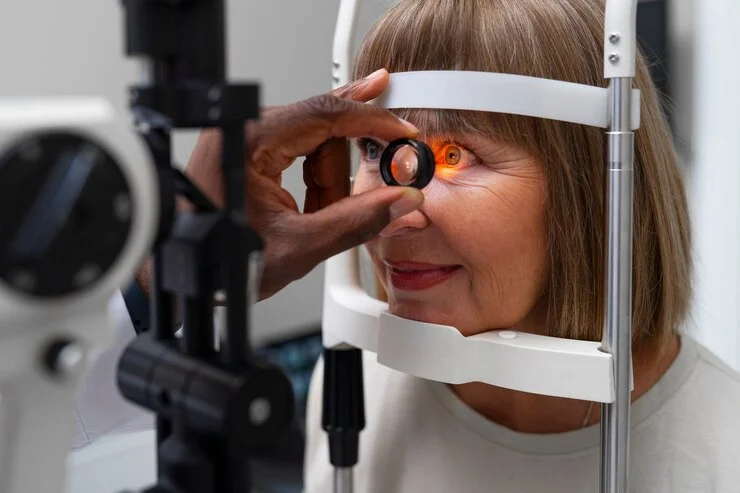
Understanding Vitreo Retina Management
Vitreo Retina Management refers to the specialized care focused on diagnosing, treating, and managing conditions that affect the vitreous and retina, which are essential parts of the eye responsible for vision. The vitreous is a gel like substance that fills the eye, while the retina is a thin layer of tissue that captures light and sends visual signals to the brain. When either of these structures becomes damaged, vision can be significantly affected. This area of eye care requires advanced knowledge and technology because conditions can progress quickly and lead to permanent vision loss if not treated promptly. Specialists in Vitreo Retina Management are trained to handle complex eye diseases that go beyond routine eye care. Many patients are referred to these experts after experiencing symptoms that cannot be addressed through basic treatments. Understanding this field helps patients recognize the importance of timely care and proper diagnosis.
Anatomy of the Vitreous and Retina
The vitreous plays a crucial role in maintaining the shape of the eye and allowing light to pass through to the retina. It is composed mostly of water and collagen, giving it a clear and gel like consistency. The retina, on the other hand, is made up of multiple layers of cells that work together to process visual information. These layers include photoreceptors known as rods and cones, which detect light and color. The macula, located at the center of the retina, is responsible for sharp central vision used in activities like reading and driving. Damage to any part of the retina can result in vision distortion or loss. The optic nerve then carries visual signals from the retina to the brain, completing the process of sight. A clear understanding of these structures highlights why Vitreo Retina Management is so vital in preserving vision.
Common Conditions Requiring Vitreo Retina Management
Several eye conditions require the expertise of Vitreo Retina Management specialists due to their complexity and potential severity. Retinal detachment occurs when the retina separates from the back of the eye, leading to sudden vision loss if not treated immediately. Diabetic retinopathy is a complication of diabetes that damages the blood vessels in the retina, often progressing without early symptoms. Age related macular degeneration affects the macula and can significantly impair central vision over time. Vitreous hemorrhage happens when blood leaks into the vitreous, causing blurred or darkened vision. Macular holes and epiretinal membranes can distort vision and make everyday tasks difficult. These conditions often require precise diagnosis and tailored treatment plans. Early detection and management are key factors in maintaining eye health and preventing complications.
Early Warning Signs That Should Never Be Ignored
Recognizing early symptoms can make a significant difference in the outcome of many retinal conditions. Flashes of light in the vision may indicate traction or pulling on the retina. Floaters, which appear as small shapes drifting across the visual field, can sometimes signal underlying issues. Blurred or distorted vision can be an early sign of macular problems. Dark spots or shadows in vision may indicate retinal damage or bleeding. Sudden loss of vision is always considered an emergency and requires immediate medical attention. Many people delay seeking care because symptoms seem minor at first. Paying attention to these signs and acting quickly supports effective Vitreo Retina Management and better outcomes.
Diagnostic Techniques in Vitreo Retina Management
Accurate diagnosis is the foundation of effective Vitreo Retina Management. Eye specialists use a range of advanced tools to examine the retina and vitreous in detail. Optical Coherence Tomography allows doctors to see cross sectional images of the retina, helping identify even subtle abnormalities. Fundus photography captures detailed images of the back of the eye for monitoring changes over time. Fluorescein angiography involves injecting a dye to highlight blood vessels and detect leaks or blockages. Ultrasound imaging is often used when the view of the retina is obstructed. These diagnostic methods provide valuable insights that guide treatment decisions. Early and precise detection significantly improves the chances of preserving vision.
Treatment Options in Vitreo Retina Management
Treatment approaches vary depending on the condition and its severity, but they all aim to preserve or restore vision. Non surgical treatments often include medications and injections that reduce inflammation or stop abnormal blood vessel growth. Laser therapy is commonly used to seal leaks or prevent further retinal damage. Surgical options such as vitrectomy involve removing the vitreous gel to access and repair the retina. Other procedures like scleral buckle or pneumatic retinopexy help reattach the retina. Recovery and outcomes depend on early intervention and adherence to medical advice. Patients are often monitored closely to ensure the effectiveness of treatment. With advancements in medical science, many conditions that once led to blindness can now be managed successfully.
The Role of Technology in Modern Vitreo Retina Management
Technology has transformed how retinal diseases are diagnosed and treated. High resolution imaging allows for earlier detection of abnormalities that might otherwise go unnoticed. Minimally invasive surgical techniques have reduced recovery time and improved patient comfort. Artificial intelligence is being integrated into diagnostic tools to enhance accuracy and efficiency. Advanced laser systems provide more precise treatment with fewer side effects. Innovations in drug delivery have made treatments more effective and longer lasting. These developments continue to improve patient outcomes and expand treatment possibilities. As technology evolves, Vitreo Retina Management becomes more accessible and effective for a wider range of patients.
Preventive Care and Long Term Eye Health
Preventive care plays a crucial role in maintaining healthy vision and reducing the risk of retinal diseases. Regular eye examinations help detect problems before symptoms appear. Managing chronic conditions such as diabetes and hypertension is essential for protecting the retina. A balanced diet rich in vitamins and antioxidants supports eye health. Wearing protective eyewear can prevent injuries that may lead to serious complications. Reducing screen time and taking breaks can also minimize eye strain. Staying informed about eye health encourages proactive care and better outcomes. Consistent attention to these habits supports effective Vitreo Retina Management.
Choosing the Right Specialist for Vitreo Retina Management
Selecting a qualified specialist is an important step in receiving proper care. Patients should look for board certified ophthalmologists with additional training in retinal conditions. Experience in performing advanced procedures is a valuable factor to consider. Modern equipment and updated facilities indicate a commitment to quality care. Clear communication between the doctor and patient builds trust and understanding. Asking questions about treatment options helps patients feel more confident in their decisions. Accessibility and follow up care are also important aspects to evaluate. The right specialist can make a significant difference in treatment success and overall experience.
Living with Retinal Conditions
Adjusting to life with a retinal condition can be challenging, but many resources are available to help. Vision changes may require modifications in daily routines and activities. Assistive devices such as magnifiers and specialized software can improve quality of life. Emotional support from family and friends plays an important role in coping with changes. Patient education empowers individuals to manage their condition effectively. Regular follow up appointments ensure that any changes are addressed promptly. Staying engaged in hobbies and social activities helps maintain a positive outlook. With proper support and care, many people continue to lead fulfilling lives.
Cost Considerations and Accessibility
The cost of Vitreo Retina Management can vary depending on the type of treatment and the complexity of the condition. Diagnostic tests, medications, and surgical procedures all contribute to overall expenses. Insurance coverage may help reduce financial burden, but it is important to understand policy details. Some clinics offer flexible payment options to make treatments more accessible. Early intervention can often reduce long term costs by preventing complications. Accessibility to advanced care may differ based on location, but awareness is increasing. Patients are encouraged to explore available resources and support systems. Investing in eye health is essential for maintaining quality of life.
Key Points to Remember About Vitreo Retina Management
• Early detection greatly increases the chances of preserving vision
• Regular eye checkups are essential even without noticeable symptoms
• Advanced technology improves both diagnosis and treatment outcomes
• Lifestyle choices can significantly impact retinal health
• Choosing an experienced specialist ensures better care and results
• Prompt action on symptoms can prevent serious complications
• Long term management may be necessary for chronic conditions
Frequently Asked Questions
What is Vitreo Retina Management and who needs it
Vitreo Retina Management is specialized care for conditions affecting the vitreous and retina. It is recommended for individuals experiencing vision changes or diagnosed with retinal diseases.
Is Vitreo Retina Management painful
Most procedures are performed with anesthesia, making them comfortable for patients. Mild discomfort may occur during recovery but is usually manageable.
How long does recovery take after retinal surgery
Recovery time varies depending on the procedure and condition. Some patients recover within weeks, while others may need a longer period for full healing.
Can retinal diseases be prevented
Not all retinal conditions can be prevented, but regular checkups and healthy lifestyle choices can significantly reduce risks.
When should I see a specialist for retinal concerns
Immediate consultation is necessary if you notice flashes, floaters, or sudden vision changes. Early action can prevent serious complications.
Are treatments for retinal conditions permanent
Some treatments provide long lasting results, while others may require ongoing care and monitoring depending on the condition.
Takeaway
Vitreo Retina Management plays a vital role in protecting and restoring vision, especially for conditions that affect the deeper structures of the eye. Awareness of symptoms, regular eye checkups, and timely treatment all contribute to better outcomes. With continuous advancements in technology and medical expertise, patients today have more options than ever before. Taking proactive steps toward eye health ensures clearer vision and a better quality of life for years to come.