
Uveitis is a serious condition that causes inflammation inside the eye, particularly affecting the uvea. Left untreated, it can lead to permanent vision loss or complications in other parts of the eye. Understanding the causes, symptoms, and treatment options is critical for anyone concerned about their eye health. Peregrine Eye and Laser Institute provides specialized uveitis treatment, combining expert medical care with state-of-the-art technology to protect and preserve vision.
Uveitis may occur due to infections, autoimmune conditions, or systemic health issues. Symptoms can vary from person to person, and early diagnosis significantly improves treatment outcomes. Patients who notice red eyes, eye pain, blurred vision, floaters, or sensitivity to light should seek prompt evaluation. Uveitis treatment is highly effective when administered early, minimizing the risk of long-term damage.
What is Uveitis?
Uveitis refers to inflammation that affects the uvea, the middle layer of the eye responsible for supplying blood to surrounding tissues. The uvea consists of the iris, ciliary body, and choroid. While uveitis primarily affects the uvea, inflammation can extend to the retina, lens, or vitreous, making early detection crucial.
Uveitis is classified based on the part of the eye affected. Anterior uveitis involves the front of the eye, affecting the iris and ciliary body. Intermediate uveitis targets the vitreous and the peripheral retina. Posterior uveitis affects the retina and choroid, while panuveitis involves inflammation of all layers of the uvea. Each type may present differently, but all forms require timely uveitis treatment to prevent complications.
Symptoms to Watch For
Recognizing symptoms early plays a vital role in uveitis treatment. Common signs include eye redness, pain, light sensitivity, floaters, and blurred vision. Some patients may experience sudden onset of severe pain and vision changes, while others notice milder, recurring symptoms that gradually worsen. Persistent or recurrent eye inflammation should always be evaluated by a specialist to avoid permanent damage.
Redness occurs because the inflamed uvea causes blood vessels to dilate, while pain and light sensitivity result from irritation of sensitive tissues. Floaters appear due to inflammatory debris in the vitreous, and blurred vision arises when inflammation affects the retina or lens. Timely uveitis treatment can relieve these symptoms and prevent progression to more severe eye conditions.
Causes of Uveitis
Uveitis develops for multiple reasons, and proper diagnosis is essential for effective treatment. Infectious causes include bacterial, viral, fungal, or parasitic infections. For these cases, uveitis treatment often includes antibiotics or antiviral medications, alongside anti-inflammatory therapy. Autoimmune diseases, such as lupus and rheumatoid arthritis, can trigger inflammation inside the eye. These cases typically require careful management with corticosteroids or other immunosuppressive medications. Other systemic conditions, including inflammatory bowel disease or sarcoidosis, can also contribute to uveitis.
Understanding the underlying cause of uveitis is critical because treatments differ depending on whether the inflammation is infectious or autoimmune. Patients benefit from a thorough examination, blood tests, and imaging studies to determine the appropriate course of action. Peregrine Eye and Laser Institute provides a comprehensive diagnostic approach, ensuring that uveitis treatment is tailored to each patient’s needs.
Uveitis Treatment Options
The primary goal of uveitis treatment is to reduce inflammation, relieve symptoms, and protect vision. Corticosteroids are the most common treatment for non-infectious uveitis. These medications can be administered as eye drops, oral tablets, or injections near or inside the eye, depending on the severity of inflammation. Steroids reduce swelling and prevent tissue damage, helping preserve visual function.
For infectious uveitis, antibiotics, antifungals, or antivirals are prescribed to eliminate the infection while controlling inflammation. Uveitis treatment may also include immunosuppressive drugs for autoimmune-related cases that do not respond adequately to corticosteroids. Some patients may require combination therapy or long-term monitoring to prevent recurrence.
Surgical intervention is occasionally necessary for severe cases, particularly if uveitis leads to complications such as cataracts, glaucoma, or retinal damage. Procedures are performed with precision using advanced technology available at Peregrine Eye and Laser Institute, ensuring safe and effective outcomes.
Risks of Untreated Uveitis
Delaying uveitis treatment can result in permanent vision loss. Chronic inflammation can cause scarring of the retina, glaucoma, cataracts, or macular edema. Even mild, recurrent episodes of uveitis may gradually damage eye structures, highlighting the importance of timely evaluation. Patients should seek care immediately if they notice any unusual eye symptoms, especially redness, blurred vision, or sudden floaters.
Regular follow-up care is crucial, as uveitis can recur even after successful initial treatment. Monitoring inflammation levels, adjusting medications, and managing underlying systemic conditions help prevent long-term complications. Early intervention significantly improves the prognosis, making specialized uveitis treatment a key factor in maintaining eye health.
Why Choose Peregrine Eye and Laser Institute for Uveitis Treatment
Peregrine Eye and Laser Institute stands out as a leading provider of uveitis treatment in Metro Manila. The institute offers access to ophthalmologists with decades of experience, trained at globally recognized institutions including Harvard Medical School, Johns Hopkins University, UCLA, and Singapore National Eye Center. Each specialist brings expertise across multiple subspecialties, ensuring comprehensive care for patients with complex eye conditions.
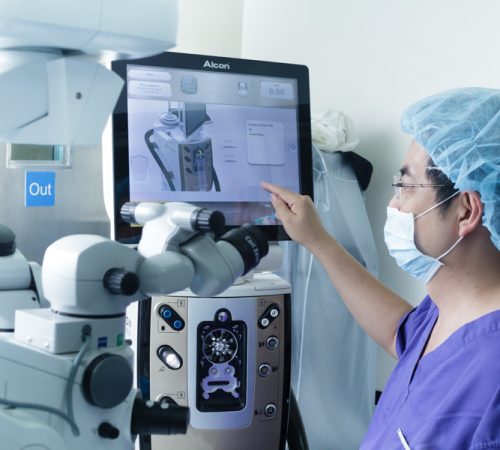
PELI clinics are equipped with modern diagnostic tools, advanced imaging technology, and state-of-the-art operating theaters. This infrastructure enables precise diagnosis and safe, effective interventions for uveitis. Patients receive personalized care plans that address their specific symptoms, underlying causes, and overall health needs.
The institute prioritizes patient comfort and convenience. Well-trained staff assist with scheduling, answer questions, and guide patients through the treatment process. Clinics are designed for a welcoming and efficient experience, supporting both first-time visitors and long-term patients managing chronic uveitis.
Patient Experience at Peregrine Eye and Laser Institute
Patients at Peregrine Eye and Laser Institute benefit from a combination of medical expertise and compassionate care. Doctors explain treatment options, potential outcomes, and preventive measures in clear, accessible language. Technology supports seamless appointments and follow-up scheduling, while trained staff provide guidance and support throughout the treatment journey.
Patient-focused care also includes personalized monitoring for chronic uveitis, ensuring that treatment plans remain effective and adjusted as needed. This approach reduces the risk of recurrence and protects long-term vision. Many patients report feeling reassured and informed, contributing to a positive overall experience.
Prevention and Follow-Up
Preventing complications and recurrence is an essential part of uveitis treatment. Patients are advised to follow prescribed medication schedules, attend regular check-ups, and manage any underlying systemic conditions. Protective eyewear, a healthy lifestyle, and avoiding exposure to infections can also help reduce risk. Peregrine Eye and Laser Institute emphasizes proactive care, providing tools and guidance for patients to maintain eye health after treatment.
Takeaway
Uveitis treatment is essential for preserving vision and preventing long-term damage. Early diagnosis, personalized care, and ongoing monitoring are key to successful outcomes. Peregrine Eye and Laser Institute combines expertise, advanced technology, and patient-focused service to deliver effective uveitis treatment for all types of patients. Those experiencing symptoms such as red eyes, pain, light sensitivity, or blurred vision should seek consultation promptly to safeguard their vision.
Frequently Asked Questions (FAQ)
What is the best treatment for uveitis?
Treatment depends on the underlying cause. Non-infectious uveitis is typically managed with corticosteroids, while infectious uveitis requires antibiotics or antivirals. Severe cases may require immunosuppressive therapy or surgical intervention.
Can uveitis cause permanent vision loss?
Yes. Untreated or chronic uveitis can lead to complications such as glaucoma, cataracts, or retinal scarring, which may result in permanent vision loss.
How quickly should I seek treatment for uveitis?
Immediate consultation is recommended if you notice eye redness, pain, blurred vision, floaters, or light sensitivity. Early treatment improves outcomes and reduces the risk of complications.
Is uveitis treatment painful?
Most uveitis treatments, including eye drops, oral medications, and injections, are well-tolerated. Procedures or injections may cause minor discomfort, which is managed with local anesthesia or sedation when needed.
Can uveitis recur after treatment?
Yes. Some patients experience recurrent uveitis, especially if underlying systemic conditions are present. Regular follow-up and monitoring help prevent recurrence and protect vision.
Why choose Peregrine Eye and Laser Institute for uveitis treatment?
PELI offers specialized ophthalmologists, advanced diagnostic and surgical technology, personalized care plans, and a patient-focused approach to ensure effective and safe uveitis treatment.