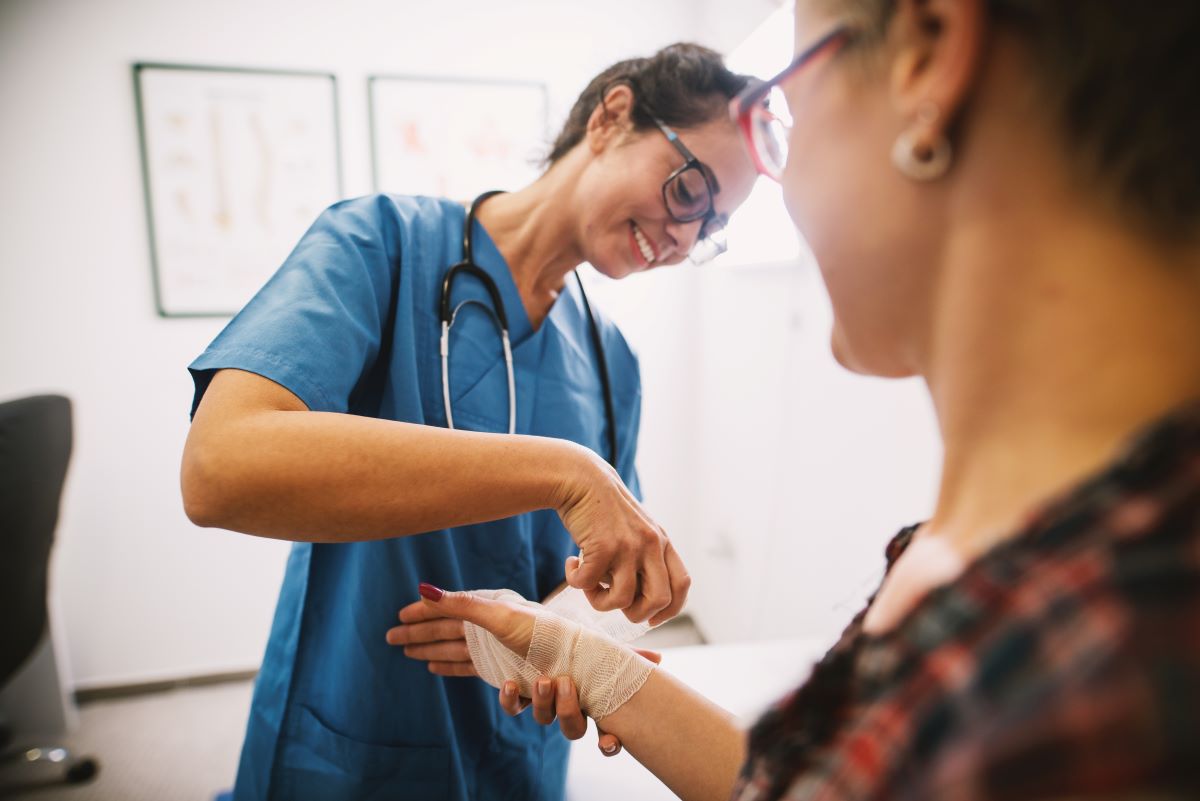
A wound care nurse plays a vital role in helping patients recover from injuries, surgeries, or chronic conditions that affect skin integrity. Unlike general nurses, wound care nurses focus exclusively on preventing, assessing, and treating wounds to ensure optimal healing. They work in diverse settings including hospitals, outpatient clinics, long-term care facilities, and even patients’ homes. The specialized training they receive allows them to manage complex wounds, identify complications early, and implement advanced treatment plans. Their work improves patients’ quality of life, reduces infection risks, and supports faster recovery. Wound care nurses are also crucial in educating patients and caregivers on proper home care techniques. Understanding their role can help patients make informed choices about seeking specialized wound care services.
Education and Certification Requirements
Becoming a wound care nurse requires a foundation in general nursing. Most professionals start with a nursing degree such as a Bachelor of Science in Nursing (BSN) or an Associate Degree in Nursing (ADN). After obtaining licensure as a registered nurse (RN), additional certifications are necessary to specialize in wound care. Certifications such as the Wound Care Certified (WCC) or Certified Wound Care Nurse (CWCN) validate expertise in wound management. Continuous education is important, as wound care techniques and technologies are constantly evolving. Essential skills include critical thinking, meticulous attention to detail, and the ability to educate patients effectively. Nurses must also demonstrate proficiency in infection control, patient assessment, and treatment planning. With proper training, wound care nurses become indispensable members of healthcare teams dedicated to improving healing outcomes.
Types of Wounds Managed by Wound Care Nurses
Wound care nurses encounter a variety of wounds ranging from acute injuries to chronic conditions. Acute wounds often result from trauma, surgery, or burns and typically require short-term management to prevent infection and promote healing. Chronic wounds, such as diabetic ulcers, pressure ulcers, and vascular ulcers, can persist for months or even years, demanding specialized care and frequent monitoring. Post-surgical wounds require precise care to avoid complications and minimize scarring. Pediatric patients may have different healing needs compared to adults, requiring tailored approaches. Wound care nurses also manage infected wounds, ensuring that antibiotics, debridement, or other interventions are appropriately applied. By understanding wound types, nurses can implement targeted treatment plans that accelerate recovery. This knowledge ensures patients receive care that addresses both the wound itself and the factors influencing healing.
Wound Assessment and Diagnosis
A critical part of wound care nursing involves thorough assessment and accurate diagnosis. Nurses examine wounds for size, depth, tissue type, and signs of infection or necrosis. They may use tools like digital imaging, wound measurement devices, or tissue sampling to monitor progress. Recognizing complications early allows for prompt intervention, preventing further tissue damage. Wound care nurses also evaluate underlying factors affecting healing, such as circulation, diabetes management, or nutrition. Based on the assessment, nurses create individualized care plans that guide treatment frequency, dressing selection, and follow-up care. Collaboration with physicians, physical therapists, and dietitians ensures a comprehensive approach to wound healing. Effective assessment and diagnosis form the foundation for successful outcomes in wound management.
Treatment and Management Techniques
Treatment strategies in wound care are tailored to each patient’s condition and healing stage. Wound care nurses employ a variety of dressing types, including hydrocolloid, foam, alginate, and transparent film dressings, depending on wound moisture, size, and location. Advanced therapies, such as negative pressure wound therapy and bioengineered skin substitutes, may be used for complex or chronic wounds. Pain management is also a critical component, as discomfort can hinder healing and reduce patient compliance. Infection prevention protocols, including proper hand hygiene, antiseptic application, and dressing changes, are strictly followed. Wound care nurses work closely with healthcare teams to adjust treatment plans as wounds progress or complications arise. Patient education on proper wound care at home ensures continuity of care and prevents setbacks.
Key techniques used by wound care nurses include:
- Selecting the most suitable dressing type for each wound
- Cleaning and debriding wounds safely
- Monitoring for signs of infection or delayed healing
- Implementing advanced therapies like negative pressure therapy
- Collaborating with physicians for surgical or medical interventions
- Providing pain management strategies
- Educating patients and caregivers on home wound care
Patient Education and Support
A large part of a wound care nurse’s role involves educating patients and caregivers. They teach proper dressing techniques, hygiene practices, and methods to prevent wound contamination. Nutrition, mobility, and lifestyle changes are emphasized, as these factors can significantly influence healing. Wound care nurses also provide emotional support, addressing anxiety, stress, or embarrassment that patients may experience. By communicating realistic healing timelines, they help manage expectations and encourage patient engagement in care. Empowering patients with knowledge improves adherence to treatment plans and reduces the risk of wound recurrence. Continuous guidance and reassurance from wound care nurses enhance both physical and mental recovery for patients.
Challenges Faced by Wound Care Nurses
Managing wounds is a demanding specialty that comes with unique challenges. Some patients may be non-compliant or resistant to treatment, requiring patience and persistence from the nurse. Chronic wounds can be particularly difficult, as they may resist healing despite advanced therapies. The emotional toll of witnessing slow or complicated recoveries can lead to stress or burnout among nurses. Keeping up with new technologies, research, and treatment protocols demands ongoing education. Coordinating care with multiple healthcare professionals requires strong communication and organizational skills. Despite these challenges, wound care nurses remain motivated by their ability to make a meaningful difference in patients’ lives. Their problem-solving skills and adaptability are critical to navigating complex wound care scenarios.
Career Growth and Opportunities
Wound care nursing offers diverse career growth opportunities. Nurses may advance to leadership roles, managing wound care units or mentoring new specialists. Some pursue research positions to explore innovative healing methods or clinical outcomes. Educational roles are available in nursing schools or continuing education programs. Consulting positions allow wound care nurses to advise healthcare organizations or develop patient care protocols. Salary trends for specialized wound care nurses are generally higher than general nursing roles due to expertise and demand. Professional organizations like the Wound, Ostomy, and Continence Nurses Society provide networking, training, and advocacy opportunities. Career growth in wound care nursing combines clinical expertise with leadership, education, and research potential.
Emerging Trends in Wound Care
The field of wound care continues to evolve with technological advancements. Telehealth has made virtual wound assessments possible, allowing nurses to monitor patients remotely. Innovations in dressings and regenerative medicine are improving healing rates for complex wounds. Data-driven approaches enable more accurate tracking of wound healing and treatment effectiveness. Artificial intelligence and digital monitoring tools help predict complications and optimize care plans. Nurses must stay informed about these trends to provide cutting-edge care. Collaboration with technology experts ensures that patients benefit from the latest advancements. These emerging trends highlight the dynamic nature of wound care nursing and its ongoing impact on patient health.
Frequently Asked Questions (FAQ)
- What exactly does a wound care nurse do on a daily basis?
A wound care nurse assesses wounds, applies treatments, educates patients, monitors healing, and collaborates with healthcare teams to optimize recovery. - How long does it take to become a certified wound care nurse?
After obtaining an RN license, specialized certification programs typically require several months to a year of training and clinical experience. - Can wound care nurses work independently?
Yes, they can work autonomously in outpatient clinics or home care settings but often collaborate with physicians for complex cases. - What types of patients benefit most from wound care nursing?
Patients with chronic wounds, post-surgical wounds, diabetic ulcers, pressure sores, and burns benefit significantly from specialized care. - How can a patient find a qualified wound care nurse?
Patients can search through hospital directories, professional organizations, or certified wound care programs in their area.
Takeaway
A wound care nurse is an essential healthcare professional dedicated to improving healing, preventing complications, and supporting patients through their recovery journey. Their specialized skills, knowledge, and compassionate care make a significant difference for patients with acute or chronic wounds. By combining advanced treatment techniques, patient education, and continuous monitoring, wound care nurses enhance both the physical and emotional well-being of those they care for. As wound care technologies and therapies continue to advance, these nurses remain at the forefront of patient recovery, ensuring that every wound receives the attention and expertise it deserves.