
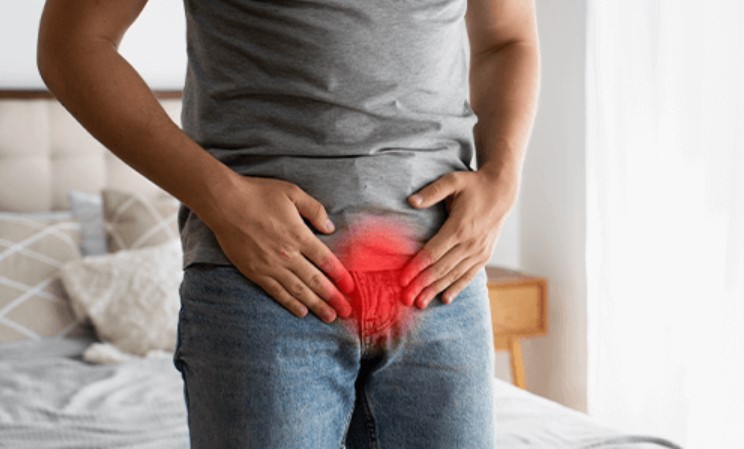
A hernia occurs when an organ or tissue pushes through a weak spot in the surrounding muscle or connective tissue. Recognizing the warning signs that indicate a hernia requires intervention is crucial for avoiding serious complications. Hernia Repair Surgery offers an effective solution, restoring comfort and preventing emergencies. Patients seeking expert care can rely on The Specialists Surgery & Cancer Center, known for precise and safe hernia repair procedures.
What Is a Hernia?
A hernia forms when tissue or part of an organ, most commonly the intestines, bulges through a weak spot in the abdominal wall. The most common types include inguinal (groin area), umbilical (around the belly button), femoral (upper thigh), incisional (at the site of a previous surgical scar), and hiatal (upper stomach). Hernias may develop gradually due to factors such as heavy lifting, obesity, persistent coughing, or natural weakening of muscles. Understanding the type and progression of a hernia helps determine if Hernia Repair Surgery is necessary.
When Hernias Can Be Monitored Without Surgery
Not all hernias require immediate intervention. Small hernias that cause minimal or no discomfort can sometimes be monitored under medical supervision. Regular checkups ensure that any changes, such as bulge enlargement or increasing pain, are promptly addressed. However, watchful waiting should never replace professional evaluation when symptoms worsen, and Hernia Repair Surgery may eventually be required.
Key Signs a Hernia Needs Surgical Repair
Persistent or Worsening Pain
Pain is a common signal that a hernia may need surgery. Discomfort during physical activity, coughing, or bending that increases over time is often a warning sign. Persistent pain suggests that the hernia is putting pressure on surrounding tissues, making Hernia Repair Surgery the safest option to relieve symptoms and prevent complications.
Enlarging or Visible Bulge
A growing bulge is a clear indicator of hernia progression. Hernias that become firm or difficult to push back indicate that the tissue is protruding more permanently. Seeking Hernia Repair Surgery at this stage ensures proper treatment before the hernia leads to more severe issues.
Hernia That Becomes Irreducible
Hernias are described as reducible when the tissue can be gently pushed back into place. When a hernia becomes irreducible, it means the tissue is trapped, increasing the risk of strangulation. Immediate evaluation for Hernia Repair Surgery is essential to avoid life-threatening complications.
Nausea, Vomiting, or Digestive Symptoms
Digestive disturbances such as nausea, vomiting, or constipation may indicate that part of the intestine is trapped within the hernia. These symptoms require urgent attention, as delayed treatment can lead to bowel obstruction. Hernia Repair Surgery resolves these issues and restores normal digestive function.
Sudden Severe Pain and Redness
Severe, sudden pain accompanied by redness or swelling around the hernia is a medical emergency. These signs often indicate strangulation, where blood supply to the trapped tissue is compromised. Hernia Repair Surgery performed without delay can prevent tissue death and serious complications.
Changes in Skin Color Over the Hernia
Skin that turns red, purple, or dark over the hernia is a warning of compromised blood flow. Immediate consultation for Hernia Repair Surgery is critical to safeguard tissue health and overall well-being.
Risks of Delaying Hernia Surgery
Delaying surgical repair increases the risk of hernia incarceration or strangulation. Emergency surgery carries higher risks, longer recovery times, and potential complications compared to planned Hernia Repair Surgery. Patients can maintain quality of life and avoid unnecessary emergencies by addressing hernias promptly at The Specialists Surgery & Cancer Center.
How Doctors Determine the Need for Hernia Surgery
Physicians evaluate hernias through physical examination and imaging tests such as ultrasound, CT scan, or MRI. They assess symptom severity, hernia size, and the impact on daily activities. Expert surgeons at The Specialists Surgery & Cancer Center provide thorough evaluations to determine the safest and most effective Hernia Repair Surgery plan for each patient.
What to Expect From Hernia Repair Surgery
Hernia Repair Surgery can be performed as open surgery or laparoscopic surgery, depending on hernia type and patient condition. Open surgery involves a larger incision to repair the weakened area, while laparoscopic surgery uses small incisions and a camera for minimally invasive repair. Both approaches aim to restore normal anatomy, reduce pain, and prevent recurrence. Recovery typically involves a brief period of rest and gradual return to physical activity under professional guidance.
When to Seek Immediate Medical Attention
Emergency symptoms include sudden, severe pain, vomiting, a hard and tender bulge, and changes in skin color over the hernia. Patients experiencing these warning signs should seek urgent care and consider Hernia Repair Surgery without delay. Early treatment ensures better outcomes and fewer complications.
Preventing Hernia Complications
Preventive strategies reduce hernia progression and complications. Avoiding heavy lifting, maintaining a healthy weight, managing chronic cough, and addressing constipation can protect weakened abdominal areas. Timely consultation with The Specialists Surgery & Cancer Center ensures patients receive proactive advice and the option for safe Hernia Repair Surgery when necessary.
Takeaway
Recognizing the signs a hernia needs surgical repair is vital for health and well-being. Persistent pain, enlarging bulges, irreducibility, digestive symptoms, sudden severe pain, and changes in skin color all indicate the need for professional evaluation. Choosing expert care from The Specialists Surgery & Cancer Center ensures precise, safe, and effective Hernia Repair Surgery, preventing emergencies and improving quality of life.
Frequently Asked Questions (FAQ)
How long can a hernia go without surgery?
Small, asymptomatic hernias can be monitored, but worsening symptoms or bulge enlargement requires timely Hernia Repair Surgery.
Are all hernias eventually repaired surgically?
Many hernias eventually need surgery, especially if symptoms progress. Early Hernia Repair Surgery prevents complications.
Can a hernia heal on its own?
Hernias do not heal without intervention. Hernia Repair Surgery is the only definitive treatment.
Is hernia surgery always urgent?
Surgery is urgent if symptoms like severe pain, vomiting, or discoloration appear. Otherwise, planned Hernia Repair Surgery is recommended for safety and optimal recovery.