
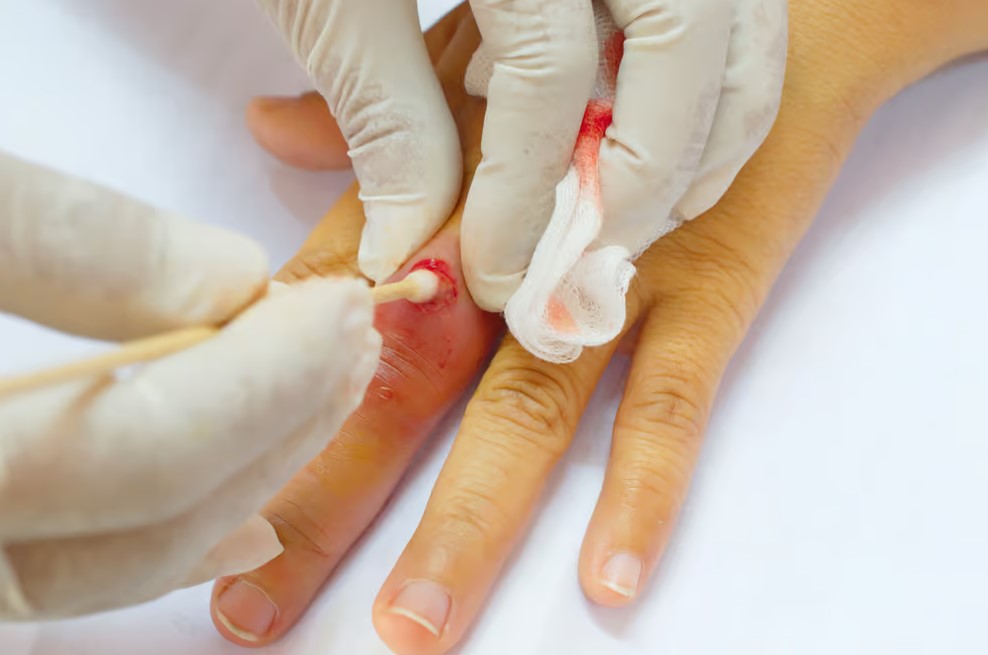
Infections can escalate quickly when pus accumulates in tissues, forming abscesses that antibiotics alone often cannot treat effectively. Incision and Drainage is a vital medical procedure designed to stop infections from spreading, relieve pressure, and promote faster healing. When handled by experienced professionals, such as those at The Specialists Surgery & Cancer Center, the procedure ensures both safety and effective infection control.
What Is Incision and Drainage?
Incision and Drainage (I&D) is a minor surgical procedure performed to remove pus or fluid from abscesses, boils, or other infected pockets under the skin. Unlike antibiotics, which work systemically to fight bacteria, Incision and Drainage directly removes the infectious material, reducing bacterial load and inflammation at the source. Conditions commonly treated with this procedure include skin abscesses, infected cysts, and localized collections of pus that fail to respond to medication alone.
How Infections Spread Without Proper Treatment
When an abscess is left untreated, bacteria can multiply rapidly within the confined space, leading to increased swelling, pain, and redness. The infection may extend to surrounding tissues, causing cellulitis, or enter the bloodstream, potentially resulting in sepsis, a life-threatening condition. While antibiotics are helpful in managing systemic infections, they often cannot penetrate thick collections of pus effectively. This limitation makes Incision and Drainage essential for stopping infection from spreading and preventing serious complications.
How Incision and Drainage Stops Infection
The primary benefit of Incision and Drainage lies in its ability to physically remove pus and reduce localized pressure. By making a small incision at the site of infection, healthcare professionals can drain accumulated fluid, which not only alleviates pain but also removes the environment where bacteria thrive. This procedure works in tandem with antibiotics, ensuring a more comprehensive treatment that promotes faster recovery and reduces the likelihood of the infection recurring. The Specialists Surgery & Cancer Center provides expert care for Incision and Drainage, using safe, sterile techniques to ensure the best outcomes.
Signs You May Need Incision and Drainage
Certain symptoms indicate that Incision and Drainage may be necessary. Persistent swelling, redness, warmth, throbbing pain, and fever are common warning signs. If an infection does not improve after a course of antibiotics or if pus is visible, professional evaluation is critical. Doctors at The Specialists Surgery & Cancer Center assess the severity of infections and determine whether Incision and Drainage is the most effective solution. Recognizing these signs early can prevent further complications and promote faster healing.
What to Expect During an Incision and Drainage Procedure
During Incision and Drainage, the affected area is first cleaned and numbed with local anesthesia to minimize discomfort. A small incision is then made to release pus and fluid. The wound is typically irrigated to remove any remaining debris, and in some cases, a small drain may be placed to prevent re-accumulation of pus. The procedure is usually quick, and patients can often return home the same day. The Specialists Surgery & Cancer Center ensures that every step is performed with precision, prioritizing patient safety and comfort throughout the process.
Aftercare and Preventing Future Infections
Proper aftercare following Incision and Drainage is crucial for healing and infection prevention. Patients are advised to keep the area clean, follow prescribed antibiotic regimens if necessary, and monitor for any signs of recurring infection. Maintaining good hygiene and avoiding trauma to the affected area helps reduce the risk of future abscesses. The specialists at The Specialists Surgery & Cancer Center provide detailed aftercare instructions and follow-up support to ensure complete recovery.
When to Seek Immediate Medical Attention
Some infections can progress rapidly despite initial treatment. Immediate medical attention is necessary if redness spreads quickly, fever develops, or pus begins leaking uncontrollably. These are signs that the infection may be severe or systemic. Incision and Drainage performed promptly by skilled professionals at The Specialists Surgery & Cancer Center can prevent complications and stop the infection from spreading further.
Takeaway
Incision and Drainage is a highly effective procedure for stopping infections from spreading, relieving pain, and promoting healing when antibiotics alone are insufficient. Recognizing symptoms early and seeking care from professionals like The Specialists Surgery & Cancer Center can prevent serious complications and ensure a smooth recovery. Proper aftercare, monitoring, and follow-up are essential to maintain long-term health and prevent recurrent infections.
FAQ
Can antibiotics alone treat an abscess?
Antibiotics may not be sufficient for abscesses with thick pus. Incision and Drainage is often required to physically remove the infection.
Is Incision and Drainage painful?
Local anesthesia is used during Incision and Drainage, so the procedure itself is generally pain-free. Mild soreness may occur afterward, which is manageable with standard pain relief.
How long does it take to recover from Incision and Drainage?
Recovery varies depending on the size and location of the abscess. Most patients experience improvement within a few days, with complete healing over one to two weeks.
Can the infection return after Incision and Drainage?
Recurrence is possible, especially if aftercare instructions are not followed. Proper hygiene and follow-up visits with The Specialists Surgery & Cancer Center significantly reduce the risk.
Why choose The Specialists Surgery & Cancer Center for Incision and Drainage?
Their experienced team ensures precise, safe, and effective procedures. They combine surgical expertise with compassionate care, making them a trusted provider for managing infections and preventing complications.