
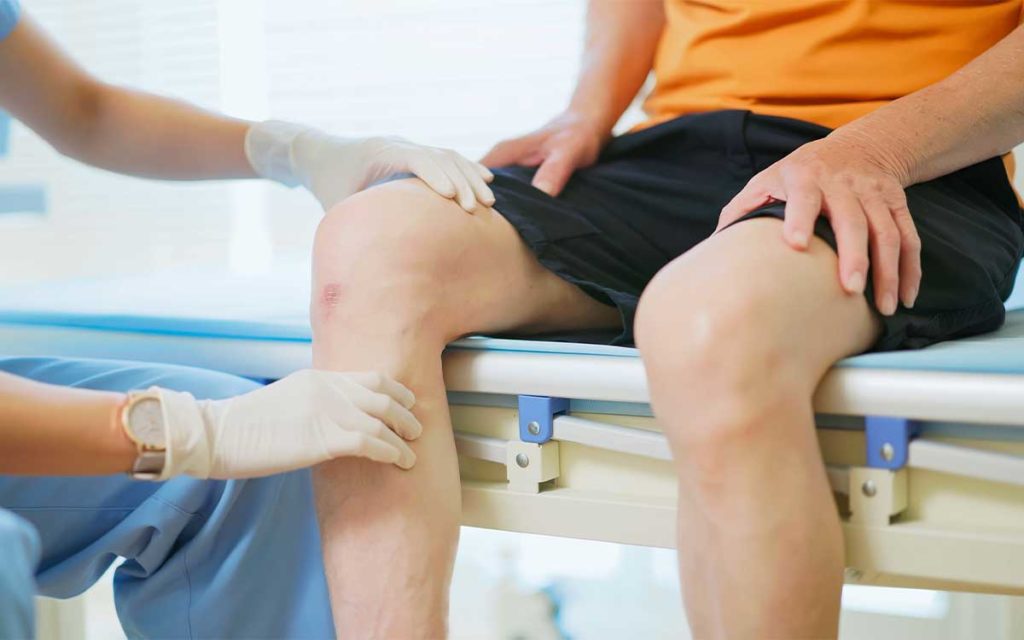
Chronic wounds, diabetic foot ulcers, pressure sores, or post-surgical wounds can significantly affect quality of life. A doctor for wound care offers expert guidance and treatment tailored to these conditions, combining advanced medical techniques with compassionate care. Patients from Quezon City, Metro Manila, and nearby provinces can access professional wound care that is safe, effective, and designed to support long-term recovery.
Who is a Specialist Doctor for Wounds?
A doctor for wound care is a medical professional trained to evaluate, treat, and manage complex wounds that are slow to heal. They have specialized knowledge beyond general medical care, allowing them to identify underlying causes, prevent complications, and provide treatment strategies that improve outcomes.
Dr. Lou Mervyn Tec, a board-certified orthopedic surgeon, is a leading doctor for wound care in the Philippines. His expertise covers chronic wounds, diabetic ulcers, pressure sores, and post-surgical complications. Dr. Tec completed fellowships in Hand and Microsurgery in Japan and Hip and Knee Preservation in Australia. He graduated cum laude from the University of the Philippines, earning top honors in both his medical degree and surgical training. His approach combines ultrasonic-assisted debridement, negative pressure wound therapy, and patient-centered care strategies to restore mobility and prevent severe complications, including amputation.
Common Wound Types Treated by a Doctor for Wound Care
A doctor for wound care manages a variety of wounds that require specialized treatment:
Chronic wounds are wounds that do not heal within the usual timeframe, often caused by poor circulation, diabetes, or infection. These wounds require consistent monitoring and advanced therapies to promote tissue repair.
Diabetic foot ulcers are a common complication among patients with diabetes. Proper management by a doctor for wound care prevents infection and reduces the risk of amputation, while improving overall foot health.
Pressure sores, also known as bedsores, develop from prolonged immobility. These wounds are painful and can worsen quickly if untreated. Specialized care from a doctor for wound care can relieve pressure, promote healing, and prevent recurrence.
Venous ulcers occur in the lower legs due to poor circulation. A doctor for wound care provides targeted solutions, such as compression therapy, specialized dressings, and guidance on improving circulation.
Post-surgical wounds sometimes experience delayed healing due to infection, tissue damage, or other complications. A doctor for wound care ensures proper wound management to avoid long-term problems.
Infected wounds require immediate attention to prevent systemic complications. A doctor for wound care can provide effective infection control using advanced dressings and targeted medical interventions.
Advanced Wound Care Services Offered
Advanced wound care requires a combination of evaluation, technology, and individualized treatment plans. A doctor for wound care provides comprehensive services designed to accelerate healing and prevent complications.
Advanced Wound Assessment
Each patient receives a detailed evaluation to determine the type, severity, and underlying cause of the wound. This assessment ensures that treatment is tailored to the individual, improving healing outcomes.
Ultrasonic Debridement
Non-living tissue is gently removed using ultrasonic-assisted techniques. This method prepares the wound bed for optimal healing while minimizing damage to surrounding healthy tissue and reducing pain.
Negative Pressure Wound Therapy
Vacuum-assisted therapy promotes blood flow and tissue regeneration. It is particularly effective for large or complex wounds that do not respond to conventional treatments.
Diabetic Foot Ulcer Management
Specialized care focuses on infection prevention, circulation monitoring, and customized dressings. Early intervention by a doctor for wound care helps reduce the risk of amputation and maintains mobility.
Pressure Ulcer Treatment
Patients with bedsores or immobility-related wounds benefit from relief strategies, repositioning guidance, and personalized treatment plans that reduce pain and promote faster healing.
Venous Ulcer Care
Chronic leg wounds caused by poor circulation are managed with compression therapy, specialized wound dressings, and lifestyle guidance that improves recovery and prevents recurrence.
Infection Control and Management
Quick identification and treatment of wound infections are critical. A doctor for wound care applies advanced dressings, appropriate antibiotics, and continuous monitoring to maintain a safe healing environment.
Education and Prevention Programs
Education is an essential component of wound care. Patients and caregivers are taught proper skin care, wound monitoring, and strategies to prevent future complications. These programs empower patients to take an active role in their healing process.
Why Choose a Doctor for Wound Care
Choosing a doctor for wound care ensures specialized attention for wounds that are slow to heal or prone to complications. Patients receive:
- Faster recovery through targeted interventions and advanced techniques
- Personalized care plans tailored to wound type and individual needs
- Access to modern wound care technologies and therapies
- Continuous monitoring to prevent recurrence or deterioration
Specialist knowledge makes a significant difference in wound healing, particularly for patients with diabetes, circulatory issues, or other medical conditions that impair tissue repair.
Patient-Centered Approach and Filipino Values
Healing is not only about physical recovery. A doctor for wound care provides guidance on nutrition, mobility, and daily routines to support overall well-being. Emotional support and patient education are integral to recovery. Filipino values such as kalinga (care) and lingap (nurture) guide the approach, ensuring patients feel supported and respected throughout the healing journey.
What Patients Can Expect
Consultation with a doctor for wound care begins with a thorough assessment. Patients receive:
- A step-by-step plan for treatment and wound management
- Pain management strategies to ensure comfort
- Guidance on proper wound care at home
- Regular follow-up appointments to monitor progress and adjust treatment if necessary
Every aspect of care is designed to promote faster healing while maintaining patient comfort and confidence.
Advanced Techniques for Effective Wound Healing
Modern wound care integrates innovative technology and evidence-based methods:
- Ultrasonic-assisted debridement for precise removal of non-viable tissue
- Negative pressure wound therapy to improve circulation and tissue regeneration
- Specialized dressings that balance moisture and protect against infection
- Diagnostic and monitoring tools to track healing progress accurately
These techniques, combined with the expertise of a doctor for wound care, maximize recovery potential and minimize the risk of complications.
Accessible Wound Care for All Patients
Wound care services are designed to be approachable and affordable. Patients from Quezon City, Metro Manila, and surrounding provinces can receive high-quality care with flexible scheduling and personalized follow-ups. Continuous support and patient education ensure long-term benefits even after wounds have healed.
Takeaway
Healing complex or slow-to-heal wounds requires specialized care, advanced techniques, and consistent attention. A doctor for wound care provides comprehensive treatment that combines medical expertise, patient education, and emotional support. By focusing on personalized treatment plans and values of care and nurture, patients can achieve faster recovery, improved mobility, and long-term wound prevention. Timely consultation with a doctor for wound care ensures safe, effective, and compassionate healing for every patient.
Frequently Asked Questions (FAQ) – Doctor for Wound Care
Q: When should I see a doctor for wound care?
A: Wounds that do not show improvement within two weeks, diabetic ulcers, bedsores, or post-surgical wounds should be evaluated promptly. Early intervention significantly improves healing outcomes.
Q: What makes care from a specialist different?
A: A doctor for wound care uses advanced techniques, personalized treatment plans, and monitoring protocols that general care providers may not offer, improving recovery speed and reducing risks such as infection or amputation.
Q: Are treatments painful?
A: Pain management is integral to treatment. Techniques like ultrasonic debridement minimize discomfort, and dressings are designed to protect wounds while keeping patients comfortable.
Q: Can chronic wounds fully heal?
A: With appropriate care from a doctor for wound care, most chronic wounds can achieve significant healing, restore function, and prevent recurrence.
Q: How can wounds be prevented from coming back?
A: Following guidance on skin care, nutrition, activity, and wound management helps reduce the risk of recurrence. Education and ongoing support are part of the care plan.
Q: Can patients from outside Quezon City receive treatment?
A: Yes. Patients from Metro Manila and nearby provinces are welcome, and care plans are adjusted to accommodate travel and follow-up needs.