
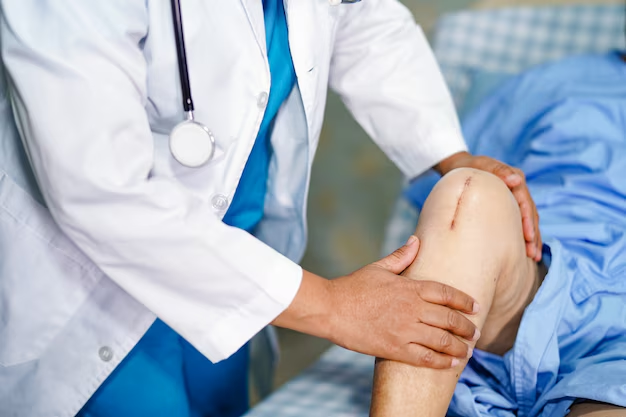
Advanced wound care plays a critical role for patients dealing with chronic wounds, diabetic sores, pressure ulcers, or post-surgical complications. Seeking a doctor for wound care ensures that wounds heal faster, complications are prevented, and patients receive compassionate, expert guidance throughout the healing process. Residents of Quezon City, Metro Manila, and nearby provinces can access specialized treatment designed to meet individual needs while emphasizing comfort, safety, and long-term results.
Who is a Doctor for Wound Care?
A doctor for wound care is a medical specialist trained to evaluate, manage, and treat chronic or complex wounds. Unlike general practitioners or surgeons who may handle routine injuries, a wound care doctor focuses on wounds that are slow to heal, at risk of infection, or complicated by underlying health conditions such as diabetes or poor circulation. These specialists combine medical knowledge, advanced technology, and patient-centered strategies to restore skin health, prevent complications, and improve overall quality of life.
A doctor for wound care also works with a multidisciplinary team, including nurses, physiotherapists, and nutrition experts, to address every factor affecting wound healing. This holistic approach ensures that patients receive tailored care, which is especially important for high-risk individuals who may otherwise face prolonged recovery or serious outcomes.
Meet the Specialist: Dr. Lou Mervyn Tec
Dr. Lou Mervyn Tec is a board-certified orthopedic surgeon and a recognized doctor for wound care, leading the program at KALINGAP Wound Care Clinic. He has extensive experience helping patients recover from chronic, slow-healing wounds while minimizing complications. His approach combines modern medical techniques with a focus on comfort and individualized care.
Dr. Tec’s international training includes fellowships in Hand and Microsurgery in Japan and Hip and Knee Preservation in Australia. He graduated cum laude from the University of the Philippines and completed his medical degree and surgical training with top honors. As a doctor for wound care, Dr. Tec integrates advanced methods such as ultrasonic-assisted debridement, negative pressure wound therapy, and infection control strategies with personalized guidance to help patients regain mobility, comfort, and confidence.
Common Types of Wounds Treated
A doctor for wound care treats a variety of wounds, each requiring a specific approach:
- Chronic wounds: These include wounds that do not heal within a normal timeframe, often caused by underlying medical conditions or poor circulation.
- Diabetic foot ulcers: Diabetic patients are prone to infections and complications that can lead to amputation if not managed properly.
- Pressure ulcers or bedsores: Common among patients with limited mobility, these wounds require careful repositioning and specialized care.
- Post-surgical wounds: Some surgical sites heal slowly due to infection, poor circulation, or underlying conditions.
- Venous ulcers: Chronic leg wounds caused by venous insufficiency benefit from compression therapy, wound care, and lifestyle adjustments.
Each type of wound requires a customized treatment plan, making consultation with a doctor for wound care essential for proper healing and long-term prevention.
Advanced Treatments Offered by a Doctor for Wound Care
Ultrasonic-Assisted Debridement
Ultrasonic-assisted debridement is a modern technique that gently removes dead or damaged tissue from wounds. This prepares the wound bed for faster healing and reduces trauma to surrounding healthy tissue. Patients with diabetic foot ulcers, pressure ulcers, or post-surgical wounds often experience less pain and faster recovery under this treatment. A doctor for wound care ensures that ultrasonic debridement is performed safely and effectively.
Negative Pressure Wound Therapy (NPWT)
Negative Pressure Wound Therapy uses controlled suction to improve circulation, reduce swelling, and promote tissue regeneration. This therapy creates an optimal healing environment while lowering the risk of infection. NPWT is particularly useful for large or complex wounds that require close monitoring. A doctor for wound care customizes the therapy for each patient to achieve the best outcomes.
Infection Control and Management
Early detection and management of wound infections are critical to preventing further complications. A doctor for wound care implements targeted strategies, including sterile wound care, antibiotics when necessary, and ongoing monitoring. Prompt intervention reduces healing time and helps prevent severe outcomes such as sepsis or amputation.
Diabetic Foot Ulcer Management
Diabetic patients face a higher risk of chronic wounds and infections. A doctor for wound care provides specialized care to manage diabetic foot ulcers. Treatments include offloading pressure points, advanced dressing techniques, infection control, and patient education. Timely management reduces the risk of complications and helps maintain mobility and independence.
Pressure Ulcer and Venous Ulcer Care
Pressure ulcers and venous ulcers require careful evaluation and treatment. A doctor for wound care develops individualized plans that include proper positioning, compression therapy, and wound dressing selection. Lifestyle guidance and patient education are integral components to prevent recurrence and support long-term healing.
Patient Education and Prevention Programs
Education is a cornerstone of effective wound care. A doctor for wound care provides patients and caregivers with practical guidance on proper skin care, nutrition, and early detection of complications. Workshops and coaching sessions teach patients how to monitor wounds, recognize signs of infection, and apply preventive measures. This proactive approach helps patients manage their conditions and reduces the likelihood of chronic wounds recurring.
Benefits of Consulting a Doctor for Wound Care
Seeking care from a doctor for wound care offers several advantages:
- Faster and safer wound healing with expert assessment and targeted treatments
- Reduced risk of infection, complications, and amputation
- Individualized care plans that consider medical history, lifestyle, and underlying conditions
- Access to advanced treatment options such as NPWT and ultrasonic-assisted debridement
- Emotional support and guidance to navigate the healing process with confidence
Patients report higher satisfaction, improved comfort, and better mobility when their wounds are managed by a specialized doctor.
Patient Experiences and Success Stories
Many patients highlight the positive impact of receiving care from a doctor for wound care. Case studies show faster healing, reduced pain, and improved quality of life. Patients frequently mention clear explanations, compassionate communication, and guidance that empowers them to take an active role in their recovery. Testimonials reflect the combination of technical expertise and personalized care that makes wound healing successful and manageable.
How to Choose the Right Doctor for Wound Care
Selecting a doctor for wound care requires careful consideration. Key factors include:
- Experience and credentials in managing chronic and complex wounds
- Availability of advanced treatments and modern equipment
- Positive patient reviews and success stories
- Accessibility of the clinic, including location and teleconsultation options
- Support for insurance and affordable treatment plans
Choosing a qualified and experienced doctor for wound care ensures that patients receive the safest and most effective care possible.
Locations Served and Accessibility
Patients from Quezon City, Metro Manila, and nearby provinces can access comprehensive wound care. Follow-up visits and teleconsultation options provide convenience, ensuring continuous care even for patients who cannot visit the clinic frequently. Accessibility and consistency are crucial for achieving optimal wound healing outcomes.
Insurance and Affordability
Advanced wound care should be available to everyone. A doctor for wound care can guide patients on insurance coverage, payment plans, and affordable treatment packages. These options make it easier to access high-quality wound care without compromising on safety or results.
Takeaway
Managing chronic or complex wounds requires specialized knowledge, modern treatments, and patient-centered care. A doctor for wound care provides tailored treatment plans, advanced therapies, and ongoing support to help patients heal safely and effectively. By addressing both medical and emotional needs, patients regain confidence, mobility, and quality of life. Seeking guidance from an experienced doctor ensures faster recovery, reduces complications, and supports long-term wellness.
Frequently Asked Questions (FAQ)
What conditions does a doctor for wound care treat?
They treat chronic wounds, diabetic foot ulcers, pressure ulcers, post-surgical wounds, venous ulcers, and wounds complicated by infection or poor circulation.
How long does wound healing take?
Healing time varies depending on wound size, type, and underlying health conditions. Some wounds improve within days, while others may require weeks of specialized care.
Is negative pressure wound therapy painful?
Most patients tolerate NPWT well. The therapy is designed to reduce discomfort while promoting healing, and the doctor monitors patients throughout treatment.
Can chronic wounds be prevented?
Yes. A doctor for wound care provides education on proper skin care, pressure relief, and early detection to reduce the risk of wounds developing or recurring.
Do I need a referral to see a doctor for wound care?
Referrals are helpful but not always required. Patients can schedule a consultation directly to receive a thorough evaluation and care plan.
Is treatment covered by insurance?
Many insurance plans provide partial or full coverage. The doctor can assist patients in understanding benefits and exploring available options.