
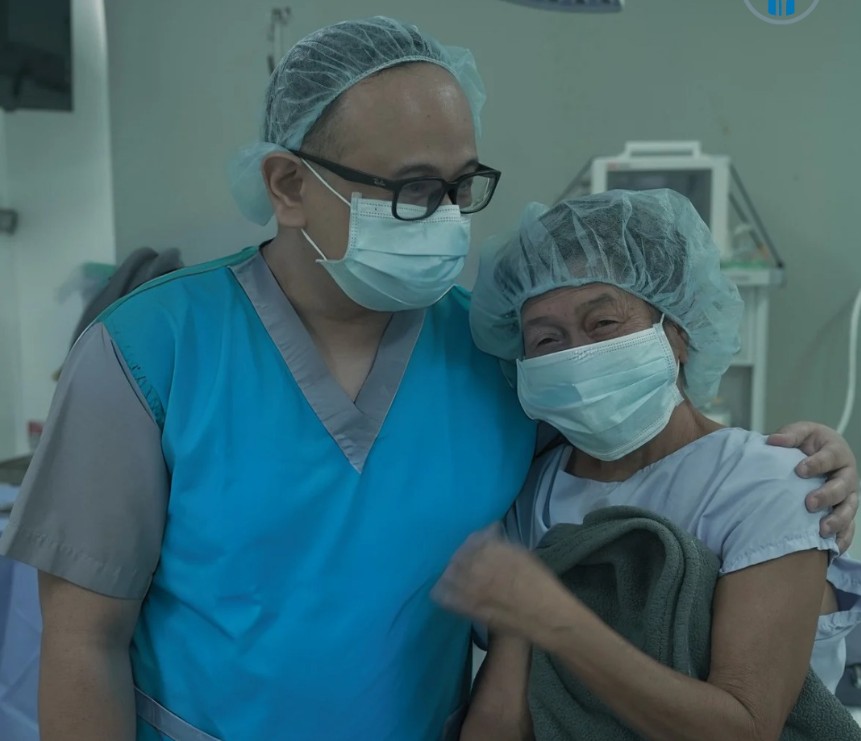
Chronic wounds, diabetic foot ulcers, pressure sores, and post-surgical complications require careful attention and specialized expertise. A doctor for wound care provides targeted treatment designed to promote healing, prevent complications, and improve overall quality of life. Patients in Quezon City, Metro Manila, and nearby areas can access advanced wound management that combines modern medical technology with compassionate care rooted in Filipino values of kalinga (care) and lingap (nurture).
Meet the Specialist: Doctor for Wound Care
Dr. Lou Mervyn Tec is a board-certified orthopedic surgeon and recognized doctor for wound care in the Philippines. He has extensive experience managing complex wounds and helping patients recover from injuries that resist traditional healing methods. Dr. Tec heads a comprehensive wound care program that integrates international best practices with patient-centered strategies, ensuring both safety and comfort throughout the treatment process.
His professional journey includes fellowships in Hand and Microsurgery in Japan and Hip and Knee Preservation in Australia. Graduating cum laude from the University of the Philippines, Dr. Tec also completed his medical degree and surgical training with top honors. His expertise includes advanced wound care techniques such as ultrasonic-assisted debridement, negative pressure wound therapy, and holistic care approaches that prevent amputation and promote rapid healing.
Why Consult a Doctor for Wound Care?
Patients often underestimate the risks of chronic wounds and slow-healing injuries. A doctor for wound care identifies underlying causes such as diabetes, poor circulation, immobility, or infection while addressing visible damage. Seeking early treatment reduces the likelihood of complications, shortens recovery time, and preserves limb function.
Unlike general practitioners, a doctor for wound care possesses specialized knowledge and training in wound assessment, advanced therapies, infection control, and personalized care plans. The goal is to restore skin integrity, prevent infection, and support long-term recovery.
Common Types of Wounds Treated
A doctor for wound care treats a wide range of injuries, including:
- Chronic wounds that persist despite standard care
- Diabetic foot ulcers prone to infection and slow healing
- Pressure ulcers, or bedsores, caused by immobility
- Post-surgical wounds that require careful monitoring
- Venous and arterial ulcers related to poor circulation
- Burns and traumatic wounds requiring specialized management
Early consultation with a specialist can prevent minor injuries from worsening and significantly improve healing outcomes.
Advanced Wound Care Services Offered
A doctor for wound care provides comprehensive services that address both immediate needs and long-term recovery:
Advanced Wound Assessment
Each patient receives a personalized evaluation using evidence-based tools. This assessment allows the doctor for wound care to determine the wound’s severity, underlying causes, and the most effective treatment approach. Accurate evaluation is essential for successful outcomes.
Ultrasonic Debridement
Non-viable tissue can slow healing and increase infection risk. Ultrasonic-assisted debridement gently removes dead tissue while preserving healthy skin, preparing the wound for optimal recovery.
Negative Pressure Wound Therapy
Vacuum-assisted closure stimulates circulation, reduces edema, and promotes tissue growth. This therapy accelerates healing for chronic wounds and post-surgical injuries, while minimizing infection risk.
Diabetic Foot Ulcer Management
Diabetic patients face high risks of foot ulcers that can lead to infection or amputation. A doctor for wound care provides specialized management including offloading pressure, infection control, and monitoring for early signs of complications.
Pressure Ulcer Treatment
Bedsores require careful management to relieve pressure, promote healing, and prevent further tissue damage. Customized care plans ensure comfort and prevent deterioration, especially for patients with limited mobility.
Infection Control and Management
Wounds are vulnerable to infection, which can hinder healing and cause serious complications. A doctor for wound care detects infections early, administers targeted treatments, and implements proper wound care techniques to promote safe recovery.
Venous Ulcer Care
Chronic leg wounds caused by poor circulation require specialized treatment. Compression therapy, advanced dressings, and patient education help improve blood flow and facilitate healing.
Education and Prevention Programs
A doctor for wound care empowers patients with knowledge to maintain healthy skin and prevent recurrence of chronic wounds. Coaching and workshops teach effective wound management, lifestyle adjustments, and early recognition of potential complications.
Advanced Techniques Used by a Doctor for Wound Care
Modern wound management incorporates technology and evidence-based methods. A doctor for wound care may use:
- Ultrasonic-assisted debridement for precision tissue removal
- Negative pressure wound therapy for faster regeneration
- Advanced dressings that maintain a moist environment and reduce infection
- Hyperbaric oxygen therapy for difficult-to-heal chronic wounds
- Cellular or growth factor therapies to stimulate tissue repair
These methods improve healing speed, minimize pain, and reduce scarring.
Patient-Centered Approach
Healing involves both physical and emotional recovery. A doctor for wound care prioritizes compassion and attention to the patient’s overall wellbeing. Treatments are tailored to individual needs, and patients receive guidance, encouragement, and education throughout the healing process. Regular follow-ups ensure that recovery progresses smoothly while addressing any concerns promptly.
Who Should Consult a Doctor for Wound Care?
Consulting a doctor for wound care is essential for patients with:
- Diabetic foot ulcers
- Pressure ulcers from immobility
- Chronic wounds resistant to conventional treatment
- Post-surgical wounds that are slow to heal
- Venous or arterial ulcers
- Burn or traumatic injuries requiring specialized care
Early intervention improves healing outcomes, reduces complications, and supports a faster return to normal activity.
Preparing for Your Appointment
Patients can maximize their consultation with a doctor for wound care by preparing:
- A detailed medical history, including medications and past surgeries
- Information about the wound’s onset, size, and previous treatments
- Questions regarding treatment options, recovery timelines, and preventive care
- Following any pre-appointment instructions, such as cleaning the wound or removing dressings
A thorough first evaluation allows the doctor to design an effective and personalized treatment plan.
Long-Term Benefits of Specialized Wound Care
The advantages of seeing a doctor for wound care extend beyond immediate recovery:
- Faster healing and reduced discomfort
- Lower risk of infection, recurrence, or amputation
- Preservation of mobility and limb function
- Improved quality of life and independence
- Education on long-term prevention and self-care
Specialized wound care ensures that patients not only recover from their current injuries but also avoid future complications.
Takeaway
Consulting a doctor for wound care ensures specialized management for chronic, complex, and post-surgical wounds. Patients in Quezon City, Metro Manila, and nearby areas gain access to advanced therapies, compassionate guidance, and personalized recovery plans. Addressing wounds promptly improves healing outcomes, prevents complications, and restores confidence and mobility.
FAQ – Specialist Doctor for Wound Care
Q1: When should I see a doctor for wound care?
Seek a specialist if your wound is slow-healing, painful, infected, or linked to conditions like diabetes or poor circulation.
Q2: How is a doctor for wound care different from a general doctor?
A doctor for wound care has specific training in wound assessment, advanced therapies, infection management, and personalized care plans.
Q3: Are advanced wound therapies painful?
Most therapies, including ultrasonic debridement and negative pressure therapy, are minimally invasive and designed to reduce discomfort.
Q4: Can diabetic foot ulcers fully heal?
With timely and specialized care from a doctor for wound care, most diabetic ulcers can heal completely, significantly lowering the risk of amputation.
Q5: Is wound care covered by insurance?
Coverage varies by provider and plan. Many insurance policies partially or fully cover consultations and advanced wound treatments.
Q6: How can I prevent chronic wounds?
Maintaining good blood sugar levels, practicing proper skin care, avoiding pressure on vulnerable areas, and seeking prompt treatment for injuries help reduce risk.
Q7: How often are follow-ups needed?
Follow-up schedules depend on wound severity and treatment type. Some patients may require weekly visits, while others need monthly monitoring.