
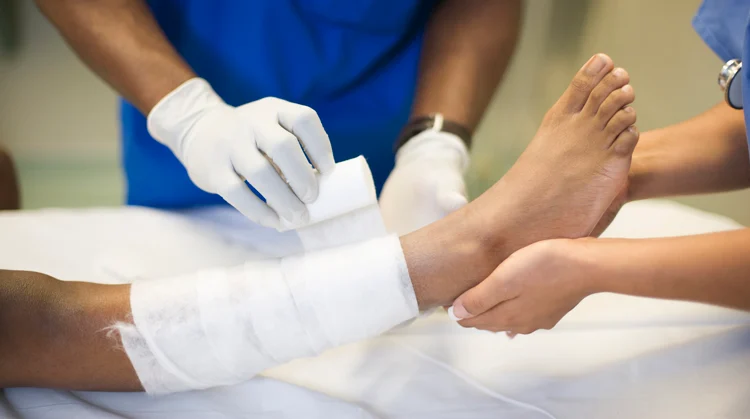
Chronic wounds, diabetic sores, and post-surgical complications require careful attention from a medical professional trained to handle complex healing processes. A doctor for wound care plays a crucial role in guiding patients through recovery, preventing infection, and improving overall quality of life. Patients often experience frustration when wounds fail to heal, and without proper care, these wounds can lead to serious complications, including limited mobility and even amputation. Consulting a specialist ensures access to advanced treatment, personalized care, and education to promote long-term wellness.
Patients in Quezon City, Metro Manila, and nearby provinces can rely on expert services that combine modern medical techniques with compassionate guidance, offering both physical recovery and emotional support.
Meet Your Specialist Doctor for Wound Care
Dr. Lou Mervyn Tec is a board-certified orthopedic surgeon and a trusted doctor for wound care. He is known for helping patients recover from slow-healing wounds, diabetic ulcers, pressure sores, and post-surgical complications. His medical journey includes international fellowships in Hand and Microsurgery in Japan and Hip and Knee Preservation in Australia, giving him a wide range of experience in advanced surgical and wound care techniques.
Graduating cum laude from the University of the Philippines, Dr. Tec completed his medical degree and surgical training with top honors. His approach integrates cutting-edge therapies, holistic care, and patient education to ensure wounds heal effectively while preventing future complications. By combining technical expertise with genuine concern for each patient, Dr. Tec has built a reputation as a reliable and compassionate doctor for wound care.
Common Wounds and Conditions Treated
A doctor for wound care manages a variety of wounds that require specialized attention:
- Chronic wounds: Long-lasting wounds that fail to heal with conventional care often need advanced treatment to stimulate tissue repair.
- Diabetic foot ulcers: Diabetes increases the risk of infection and poor healing, making professional care essential to prevent serious complications.
- Pressure ulcers / bedsores: Prolonged immobility can cause these wounds, which require careful management to relieve pain and prevent further tissue damage.
- Venous ulcers: Poor circulation can lead to chronic leg wounds, which demand targeted treatment to promote healing.
- Post-surgical wounds: Some surgical sites may heal slowly or develop complications that require expert intervention.
- Wound infections: Prompt evaluation and treatment are essential to prevent the spread of infection and support proper healing.
Proper assessment and treatment by a doctor for wound care can prevent these wounds from becoming chronic and help patients maintain their independence and mobility.
Advanced Wound Care Services Offered
Expert wound care requires access to modern therapies and a tailored treatment plan. A doctor for wound care provides comprehensive services, ensuring each patient receives appropriate and effective care.
Advanced Wound Assessment
Personalized evaluations help determine the cause, severity, and most suitable treatment for each wound. Using evidence-based tools, a doctor for wound care develops a precise plan that addresses the wound itself while considering underlying health factors such as diabetes, circulation issues, or immobility.
Ultrasonic-Assisted Debridement
Removing non-viable tissue is critical for proper healing. Ultrasonic-assisted debridement is a gentle method that prepares the wound bed for healing without causing additional trauma. This technique encourages new tissue growth, reduces infection risk, and supports faster recovery.
Negative Pressure Wound Therapy (NPWT)
NPWT uses vacuum-assisted technology to improve blood flow, reduce swelling, and promote tissue regeneration. Patients with chronic or complex wounds benefit from this therapy as it enhances healing while minimizing discomfort.
Diabetic Foot Ulcer Management
Foot ulcers are a common complication of diabetes, requiring specialized care to prevent infections and amputation. A doctor for wound care develops a plan that includes infection control, pressure relief, monitoring, and patient education on foot hygiene and daily care.
Pressure Ulcer Treatment
Managing bedsores involves relieving pressure, promoting circulation, and monitoring the wound regularly. Patients with limited mobility receive targeted interventions to prevent worsening of existing ulcers and the formation of new ones.
Venous Ulcer Care
Chronic leg wounds caused by venous insufficiency need specific interventions to restore proper circulation. A doctor for wound care employs therapies such as compression, topical treatments, and lifestyle guidance to enhance healing and prevent recurrence.
Infection Control and Management
Infections can slow healing and increase risks of complications. Prompt evaluation and treatment by a doctor for wound care help prevent the spread of infection while supporting tissue repair.
Education and Prevention Programs
Patient education is essential for long-term success. A doctor for wound care provides guidance on proper wound management at home, skin protection, and preventive measures. Workshops and one-on-one coaching empower patients and caregivers to take an active role in healing.
Why Consult a Doctor for Wound Care
Untreated or improperly managed wounds can lead to prolonged suffering and serious complications. A doctor for wound care ensures that patients receive professional diagnosis, advanced treatment, and continuous monitoring to support recovery. Benefits of consulting a specialist include:
- Faster healing: Advanced therapies encourage tissue regeneration and reduce recovery time.
- Reduced risk of complications: Early intervention prevents infections, worsening ulcers, and potential amputations.
- Customized care: Treatment plans are tailored to individual needs, health conditions, and lifestyle.
- Patient education: Learning proper wound care techniques helps prevent recurrence.
- Holistic support: Emotional guidance and family involvement enhance overall patient well-being.
Professional care ensures wounds heal safely while preserving mobility and independence.
Patient Experience and Approach
Patients under the care of a doctor for wound care experience a supportive, patient-focused environment. Treatment plans are designed to address medical needs, personal goals, and comfort. Families and caregivers receive guidance to assist with daily wound care, creating a nurturing environment for recovery.
Filipino values of kalinga (care) and lingap (nurture) are integrated into every stage of treatment, emphasizing respect, compassion, and understanding. Convenient clinic locations, modern equipment, and trained staff provide a safe setting for both routine and advanced wound care procedures.
Takeaway
Chronic wounds do not have to limit daily life. Consulting a doctor for wound care provides access to advanced therapies, personalized treatment plans, and compassionate guidance. Patients benefit from care that promotes healing, prevents complications, and restores confidence and mobility.
Expert wound care in Quezon City, Metro Manila, and nearby provinces ensures that patients can address chronic or complex wounds safely and effectively. Contact the clinic today to schedule a consultation with a doctor for wound care and take the first step toward recovery.
Frequently Asked Questions (FAQ)
Who should see a doctor for wound care?
Anyone with chronic, non-healing, or complicated wounds, including diabetic ulcers, pressure sores, venous ulcers, and post-surgical wounds, should seek consultation with a doctor for wound care.
How does negative pressure wound therapy help wounds heal?
This therapy uses controlled suction to remove fluids, improve blood flow, and stimulate tissue regeneration, supporting faster and safer healing.
Is ultrasonic-assisted debridement painful?
Ultrasonic debridement is minimally invasive and generally well-tolerated. A doctor for wound care ensures patient comfort during the procedure.
Can wound care prevent amputation?
Yes. Early and proper management, especially for diabetic and infected wounds, significantly reduces the risk of amputation.
Do I need a referral to see a specialist doctor for wounds?
Most patients can directly consult a doctor for wound care without a referral. However, referrals may be recommended for coordination with other specialists.
Are treatments covered by insurance?
Coverage depends on your insurance provider and plan. Clinic staff can assist with documentation and guidance on available options.